
Guides to lesser-known towns — markets, rivers, neighborhoods, food, and where to stay — written for travelers who skip the template itinerary.
-
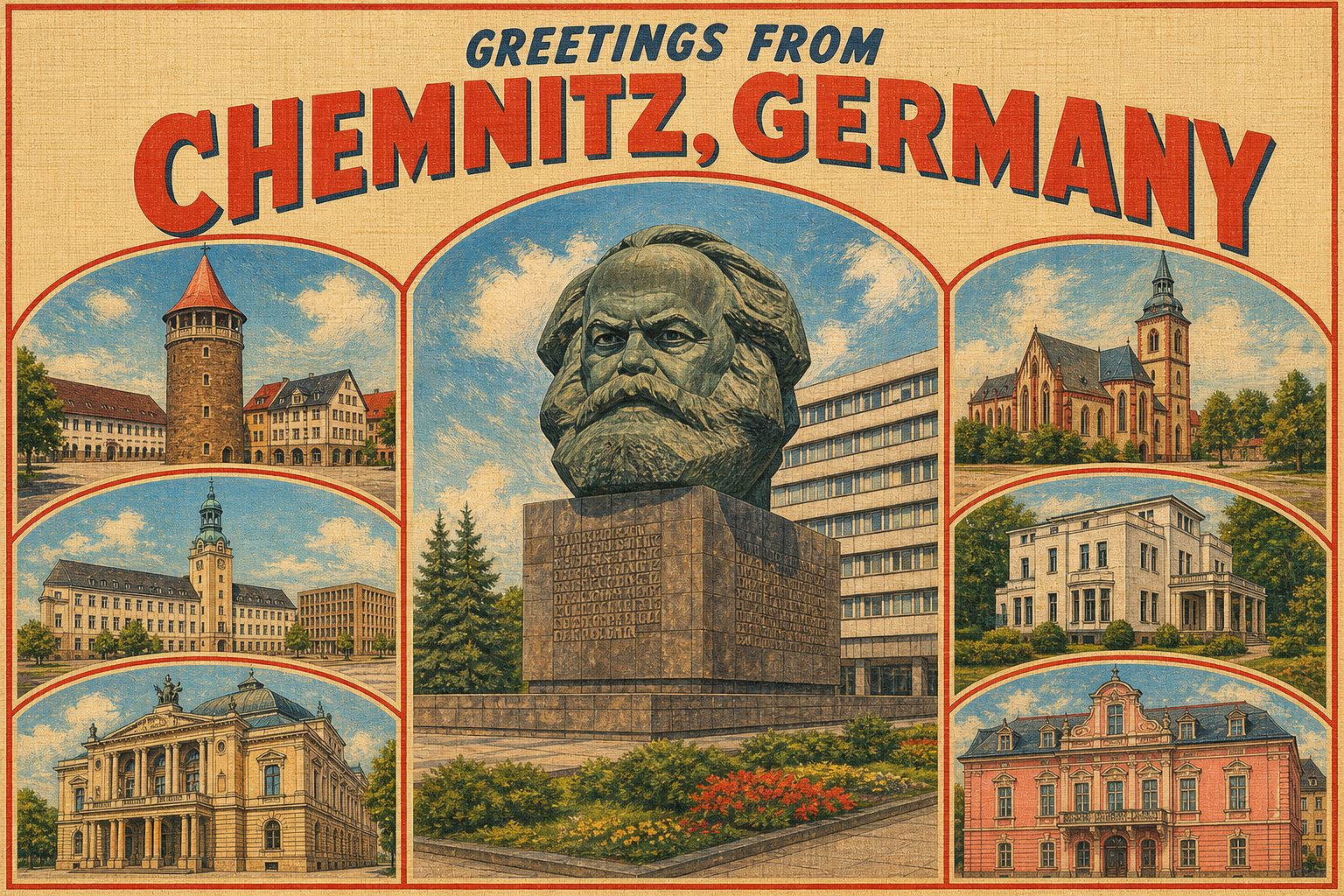
Gründerzeit courtyards on the Kaßberg in Chemnitz
Most people treat Chemnitz as the industrial stop between Dresden and Leipzig, or as the city with the giant Marx head. Fair if you only have a platform change. I leave the station and climb west instead, up to the Kaßberg, where Gründerzeit and Jugendstil blocks sit about thirty meters above the river. Laundry lines still cut the courtyards. The street grid feels lived-in. Chemnitz is Sachsen’s third-largest city after Leipzig and Dresden. From 1953 to 1990 it was Karl-Marx-Stadt. The Nischel still watches Brückenstraße. I still start on the…
-
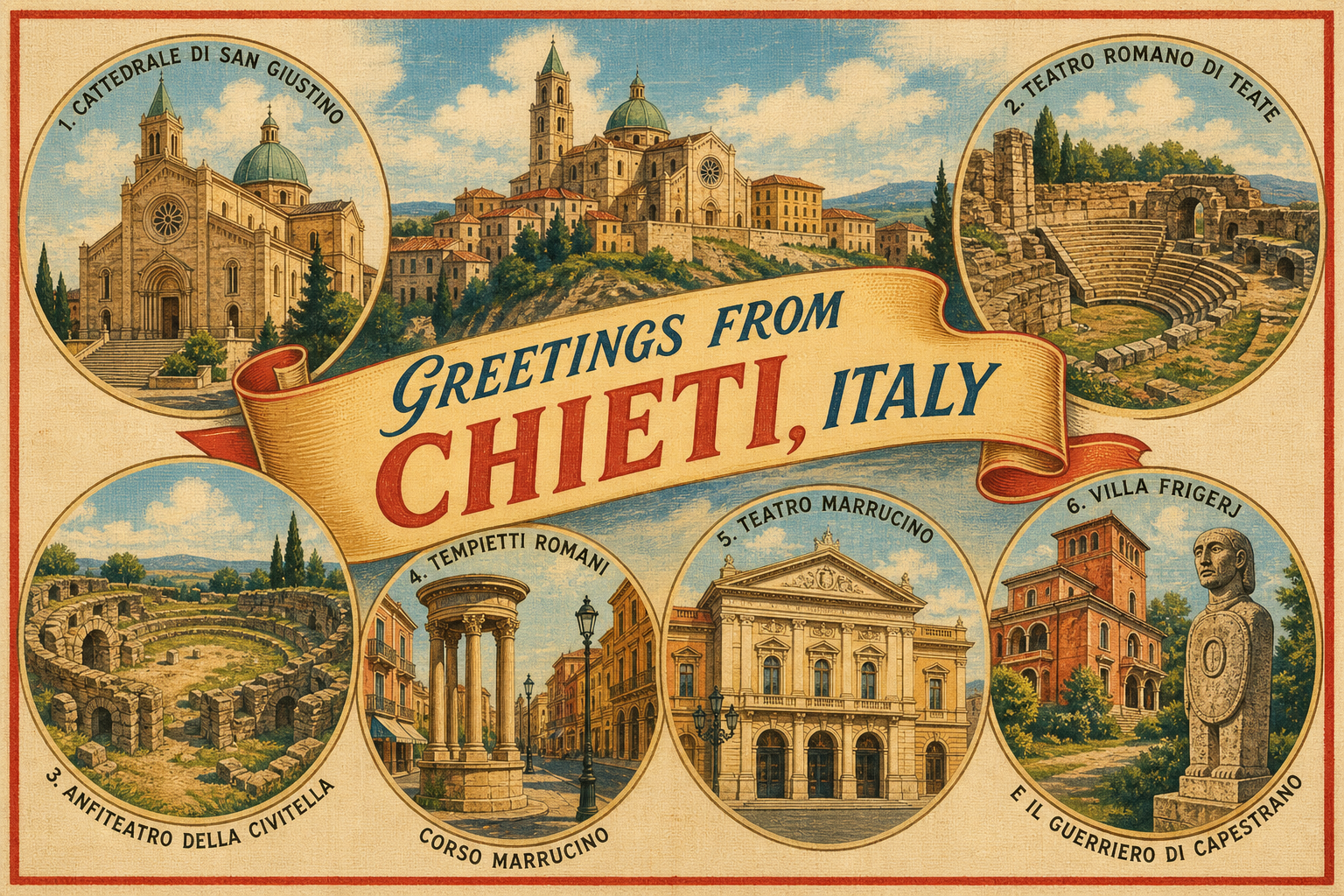
Amphitheatre wind toward the Maiella at La Civitella in Chieti
Chieti sits on a ridge like a ship that never left dry dock. Up at La Civitella the air runs cooler. It carries dust off amphitheatre stone and, on clear days, the pale bulk of the Maiella inland. East, the Adriatic is a thin silver line. Streets drop away in terraces. Below, scooters grind switchbacks that feel older than the scooters. This used to be Teate Marrucinorum. It is still the archaeological and administrative spine of Abruzzo’s eastern province: university classes, paperwork, Sunday lunch. If you only blow through on…
-
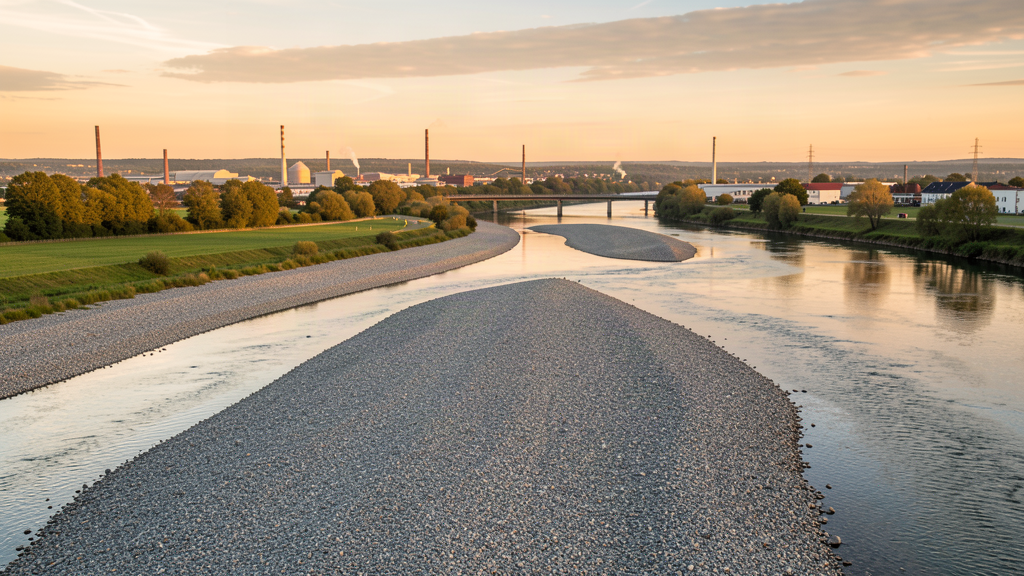
Prims gravel bars at the Saar mouth in Dillingen
Most people treat Dillingen as a steel pin on the Saarland map. Exit toward the Hütte, glance at twin church towers from the train, keep rolling to Saarlouis or the French border. Fine if the day only holds a parking lot and a coffee. I come for the Prims after rain, when wet gravel hangs in the air, and for the bend where two rivers share one channel under low willows. Saardom sandstone stays cool long after the high street has started its ordinary Tuesday noise. I start at the…
-
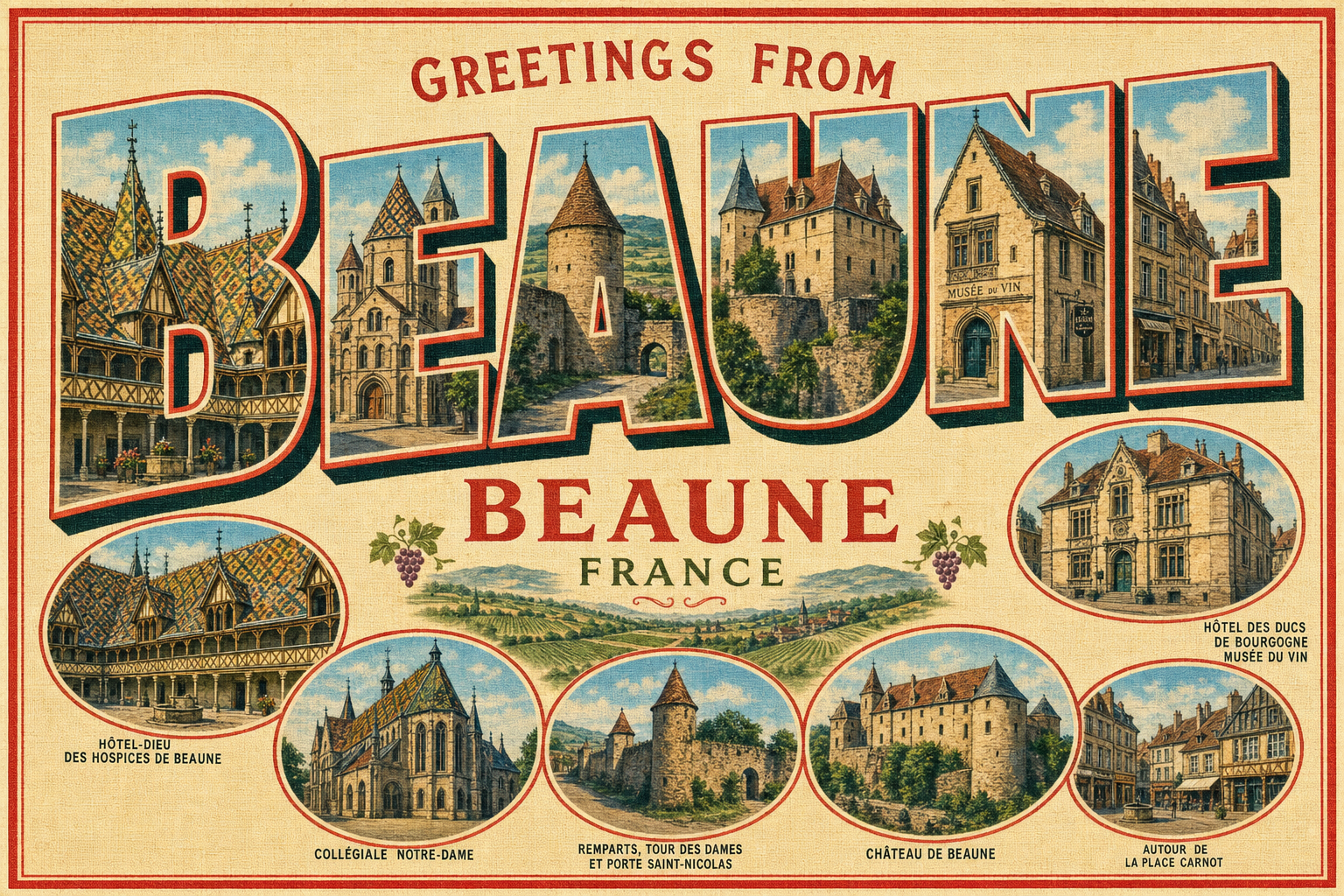
Beaune: The Heart of Burgundy
Mustard Vats and Stone Wheels at Fallot’s Workshop The morning light in Beaune hits the old stone differently once you step off the main square. I had come for the wine, like everyone, but found myself pulled instead toward the low hum of machinery and the sharp tang of vinegar in the air. At the edge of the old town, where the faubourg meets the vineyards’ edge, stands La Moutarderie Edmond Fallot. Thirty-one rue du Faubourg Bretonnière. Not a showpiece for tour buses, but a working mill where mustard has…
-
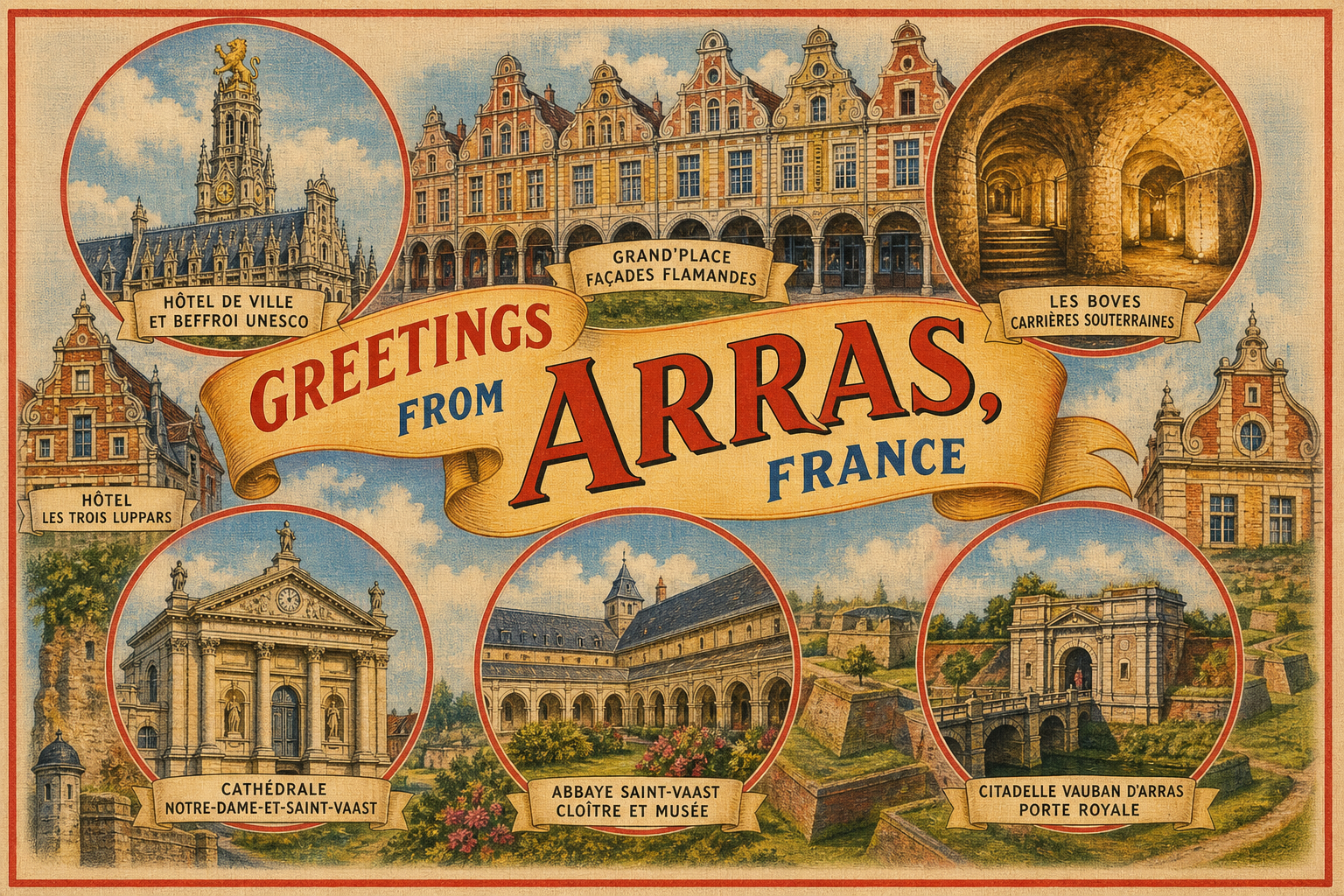
Twelve Meters Down from Place des Héros in Arras
Most people first meet Arras from above: two linked squares of Flemish Baroque façades, a belfry needle, cobbles that look good in almost any light. Fair enough. The squares are why the train stops here. What I keep coming back for sits under the same stones — a chalk maze about twelve meters down, cool and a little damp, where the town stored wine, hid from shells, and still lets you walk through the older work. Arras is a prefecture in the Pas-de-Calais, not a secret village. That helps. People…
-
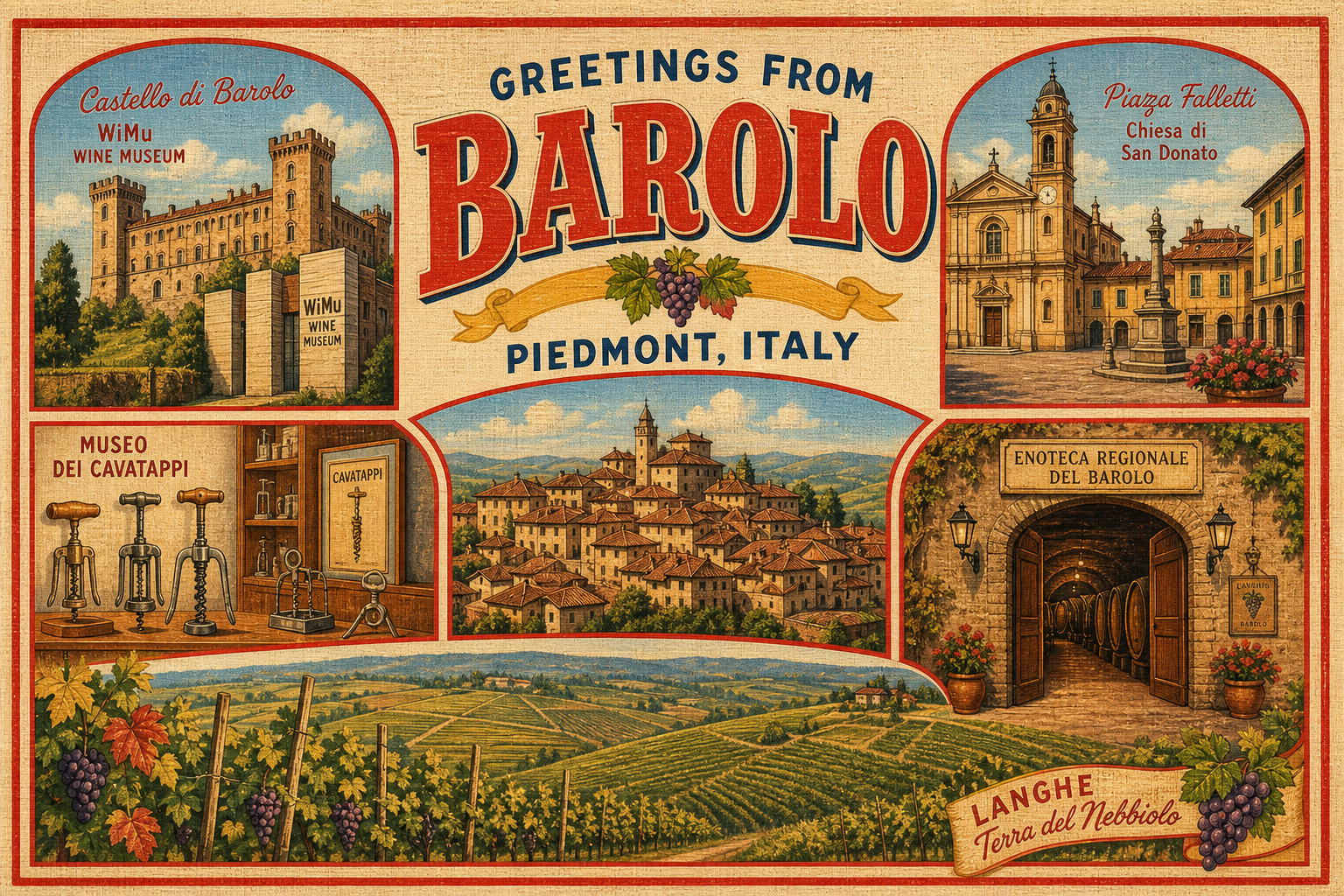
From Castello Falletti Down Via Roma, Barolo
Barolo is smaller than the wine label in your head. You park once, and the whole place folds into a few streets that climb toward a castle and drop again toward vine rows. The name does heavy work on wine lists worldwide. The village itself works more quietly: stone, shutters, a dog asleep in a doorway, a delivery van easing past tables already set for lunch. I like arriving midmorning, after the first rush of day-trippers has photographed the view and before lunch locks every table. Stand in Piazza Falletti…