Mustard Vats and Stone Wheels at Fallot’s Workshop
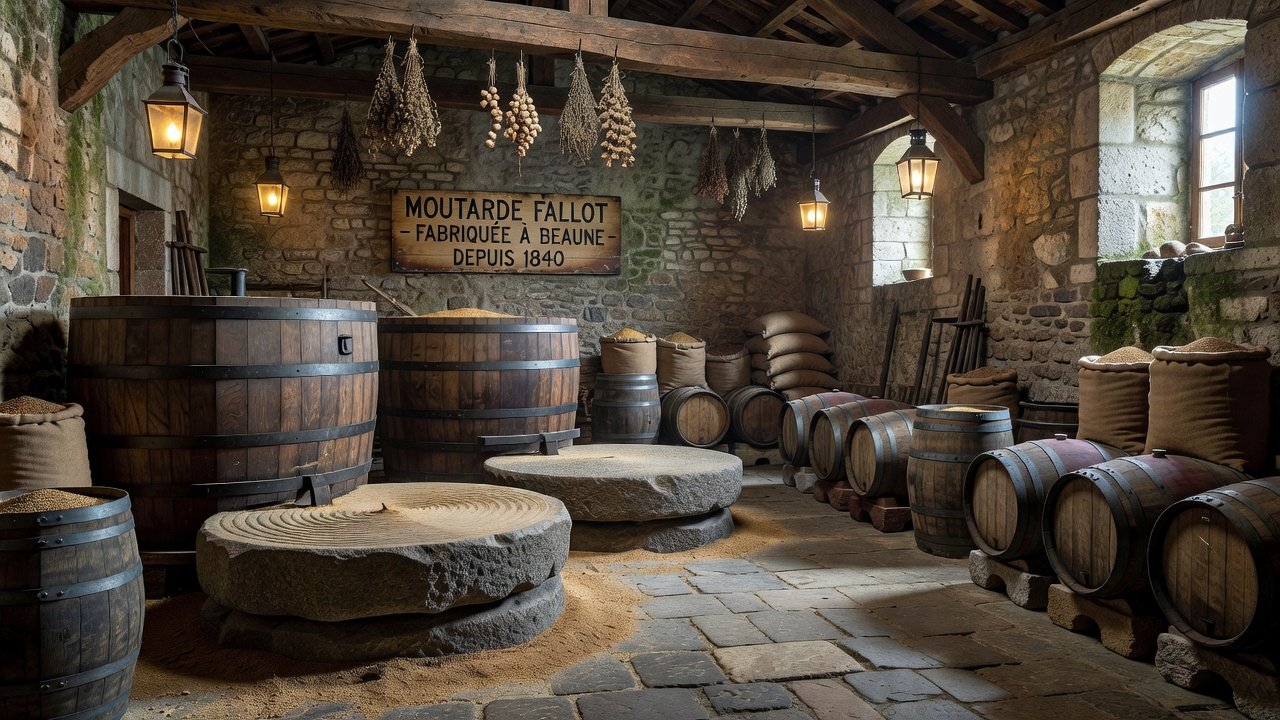
The morning light in Beaune hits the old stone differently once you step off the main square. I had come for the wine, like everyone, but found myself pulled instead toward the low hum of machinery and the sharp tang of vinegar in the air. At the edge of the old town, where the faubourg meets the vineyards’ edge, stands La Moutarderie Edmond Fallot. Thirty-one rue du Faubourg Bretonnière. Not a showpiece for tour buses, but a working mill where mustard has been stone-ground since 1840.
I arrived early, before the small shop filled with day-trippers. A woman in a white coat led a handful of us through the back, past sacks of brown seeds and the steady thump of the millstones. The air grew thicker with the bite of verjus and spices. They still use the old methods here, one of the last places in Burgundy that does. You taste the difference immediately in the samples—bright, clean heat rather than the flat sharpness of mass-produced jars. I bought a small pot of the classic and another with tarragon, both still warm from the vat. The woman behind the counter wrapped them in brown paper as if they were something fragile.
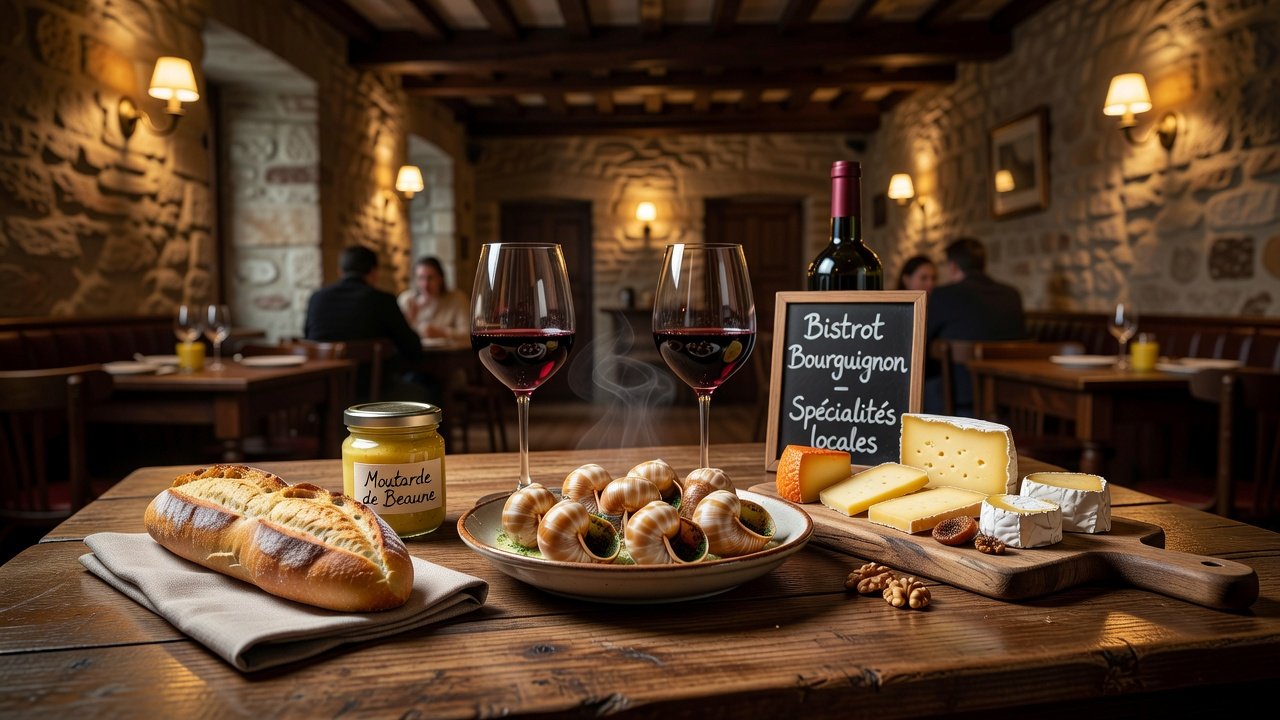
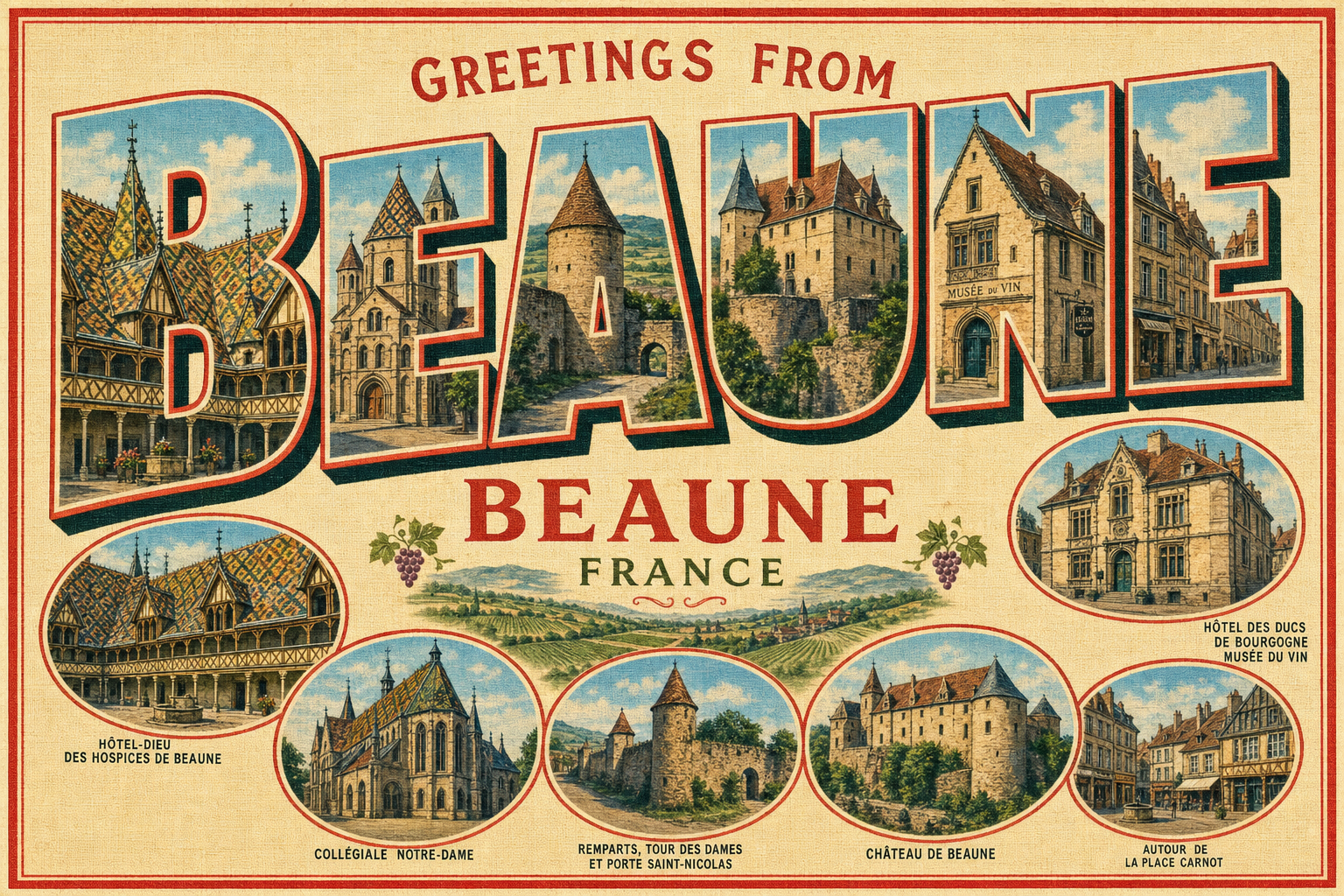
Beaune itself feels smaller once you leave the Hospices de Beaune behind. The polychrome roofs draw the crowds, and rightly so, but the real texture lives in the side streets. Rue Carnot curves quietly past half-timbered fronts and small workshops. One afternoon I followed it to a tiny restaurant whose windows fogged with the smell of coq au vin. Au Coq Bleu sits at number ten. Locals filled the tables at lunch, voices low, glasses of Aligoté already poured. The escargots arrived in their little dish, garlic and parsley butter pooling at the edges. Nothing fussy, just the kind of meal that makes you linger an extra half-hour over the last slice of bread. The couple at the next table spoke of a neighbor’s harvest as if it were their own.
Later I walked the ramparts. Not the polished path the maps suggest, but the quieter stretch where the old walls meet private gardens. Ivy spills over the stones. From here the town roofs tilt at odd angles, and beyond them the Côte d’Or rises in neat rows of vines. In the distance, the bell tower of the Collégiale Notre-Dame caught the late sun. I stayed until the light slid behind the hills, the stones cooling under my hands. A blackbird called once from a garden wall and then fell silent.
One morning I borrowed a bicycle and followed the Voie des Vignes south toward Pommard. The path runs straight between the plots, gravel crunching under the tires. At this hour the workers were already among the rows, clipping and tying. No one waved, but no one minded the quiet passerby either. The vines were still green but beginning to turn at the edges, the air carrying the faint sweetness of late summer fruit. I stopped at a small domaine just outside the village for a tasting in a cellar that smelled of damp earth and new oak. The woman who poured spoke of the 2022 vintage as if it were a neighbor’s child—proud, a little protective. We tasted three wines standing at the rough table, the last one a light red that tasted of cherries and stone. I left with two bottles wrapped in paper and the kind of quiet satisfaction that comes from drinking wine where it was grown.
Beaune’s evenings carry a different rhythm. After the last tour groups depart, the squares empty enough that you can hear the fountain. I found a table at Ma Cuisine, tucked in the Passage Ste-Hélène behind the main street. The room was small, the menu handwritten on a single sheet. Duck breast with cherries, a wedge of Époisses that ran when cut. The wine list ran long, but the server knew every bottle by the domaine. Conversation at neighboring tables stayed in French; the couple beside me discussed a recent harvest as if it were family news. The duck came pink, the cherries reduced to a glossy sauce that clung to the plate.
For something simpler, another night I walked to Caves Madeleine at 8 Rue du Faubourg Madeleine. It looks more like a wine cellar than a restaurant—stone walls, long wooden tables, the kind of place where the owner still pours. The andouillette was grilled perfectly, the mustard on the side unmistakably local. A carafe of house red kept the conversation easy. No one rushed. When I left, the street was empty except for a cat watching from a windowsill.
I returned to the mustard mill on my last afternoon. The shop was quieter then, the late light slanting across the jars lined on the wooden counter. I watched a man in overalls roll a barrel across the yard, the sound of it echoing off the stone. The mill itself felt unchanged from the morning I first visited, the stones turning at the same patient pace. Outside, the vines on the hillside had shifted another shade toward gold.
Practical matters matter less when the town is small enough to cross on foot, but a few addresses help.
Places to Stay
Three options across price points, all within the walls or a short stroll out.
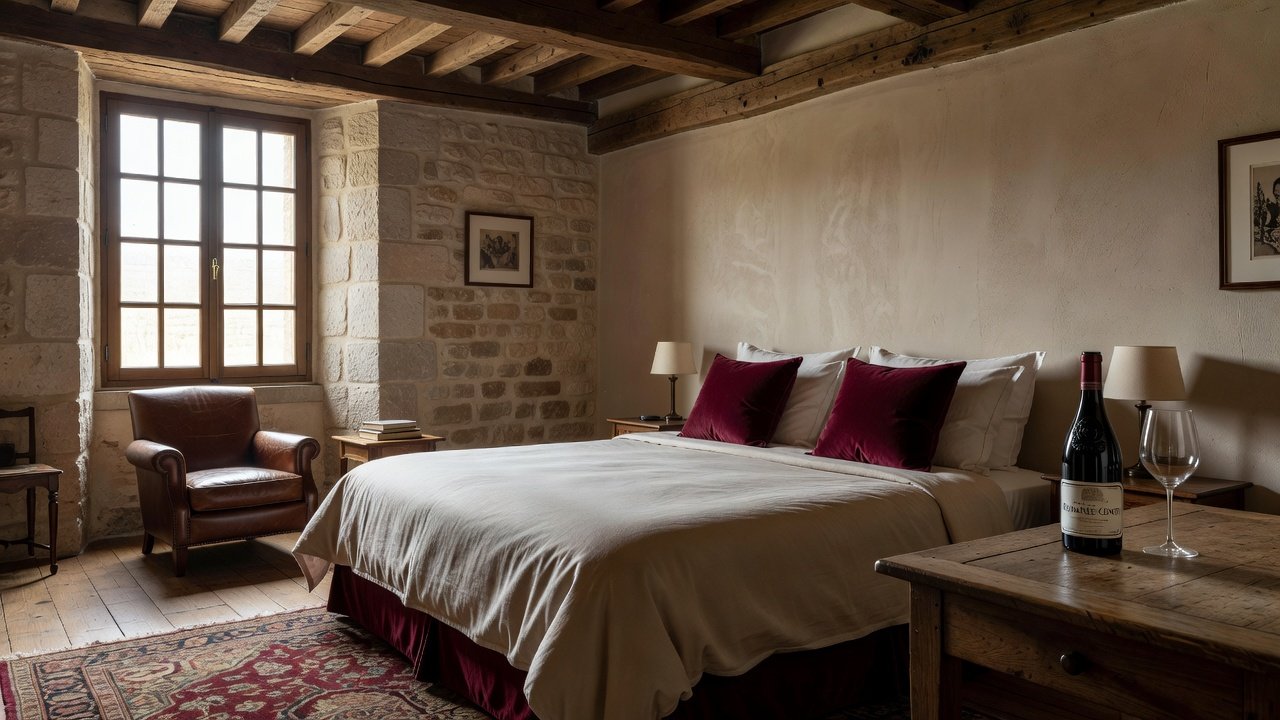
– Luxury: Hôtel Le Cep, 27 Rue Maufoux. A 5-star property woven through several Renaissance buildings. Courtyards, a serious spa, and a restaurant that draws locals as well as guests. Rooms start around €350 in season; the quieter ones overlook the inner garden rather than the street.
– Mid-range: Les Remparts Hôtels et Demeures Historiques. Scattered across historic houses with modern comforts. Expect €150–220. The location near the ramparts means you can step out for an evening walk without crossing the tourist core.
– Simpler stay: A small chambre d’hôtes or the basic but spotless rooms at the edge of the old town (several family-run options cluster around Rue du Faubourg Bretonnière). €80–120 gets you clean linen, a good breakfast, and the feeling of staying in a neighborhood rather than a hotel zone.
Restaurants and Food
– Au Coq Bleu, 10 Rue Carnot. Traditional Burgundian plates done with care. Book ahead for dinner; lunch is easier. €25–40 per person with wine.
– Ma Cuisine, Passage Ste-Hélène. Tiny, seasonal, and quietly excellent. The kind of place where the chef still shops the market each morning. €35–55.
– Caves Madeleine, 8 Rue du Faubourg Madeleine. Casual cellar atmosphere, strong on local wines and straightforward cooking. Great for a relaxed evening. €20–35.
The mustard mill itself offers tastings and a small shop if you want to carry the flavor home. Guided visits are by appointment most days; the regular shop stays open later.
Beaune rewards the visitor who lingers past the postcards. The mustard still grinding, the vines changing color by the week, the ramparts holding the same cool stone they have for centuries—these are the details that stay with you longer than any tasting room tour. I left with two jars of Fallot’s best, a pair of bottles from the roadside domaine, and the sense that I had tasted the town rather than simply seen it. The jars sat in my bag the whole train ride north, and when I opened one weeks later the smell brought the mill yard back in an instant.