
Guides to lesser-known towns — markets, rivers, neighborhoods, food, and where to stay — written for travelers who skip the template itinerary.
-
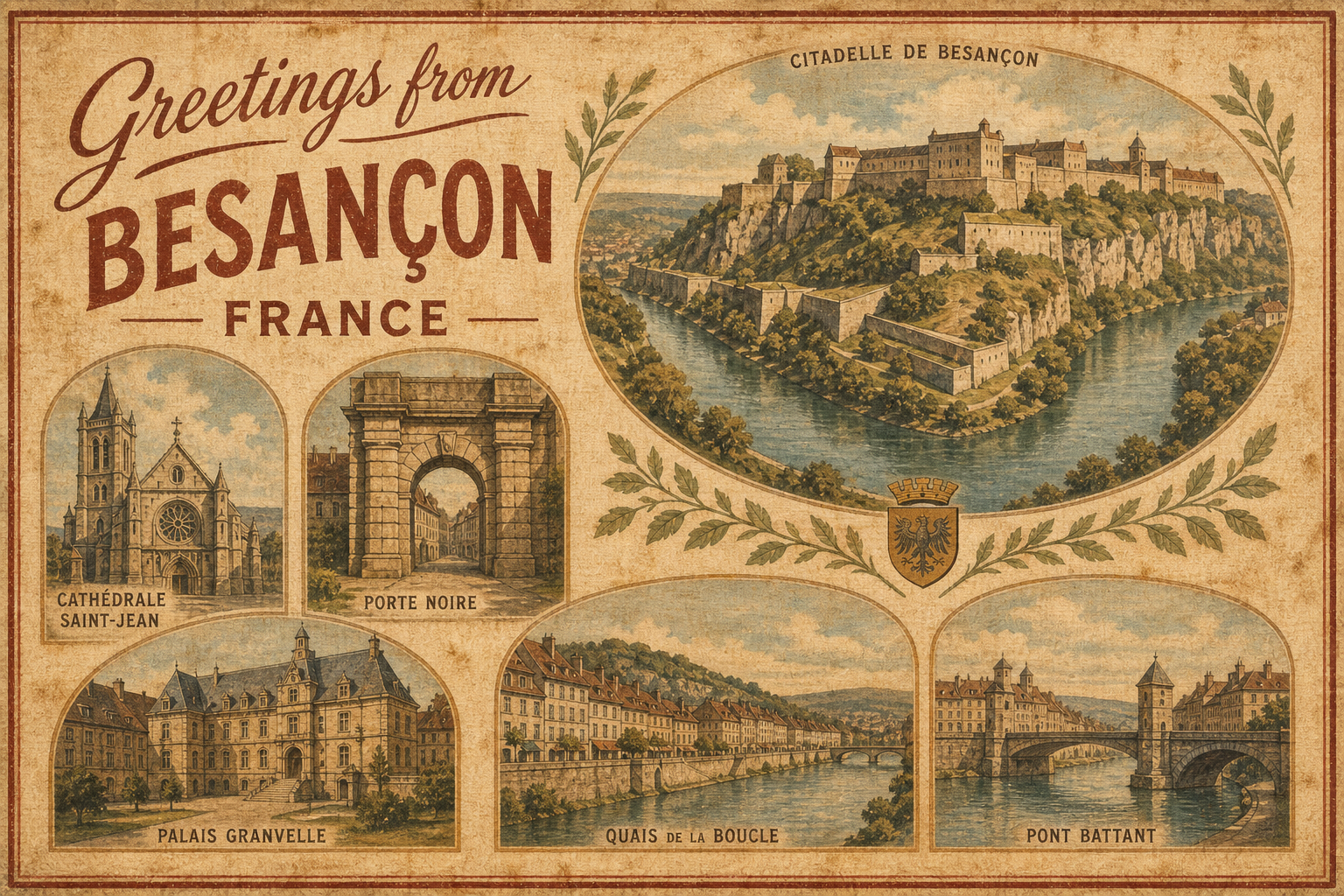
Cloister Mornings in Le Sauvage’s Stone Courtyard, Besançon
Cloister Mornings in Le Sauvage’s Stone Courtyard The first light in Besançon slips between the old cloister arches at Le Sauvage and lands on a single wooden table in the garden. A pot of coffee steams beside a wedge of Comté that still carries the faint tang of the Jura pastures. The city beyond the walls is already moving—trams crossing the Doubs, students heading toward the university—but here the air stays cool, and the only sound is the soft scrape of a knife on a cutting board. I came for…
-
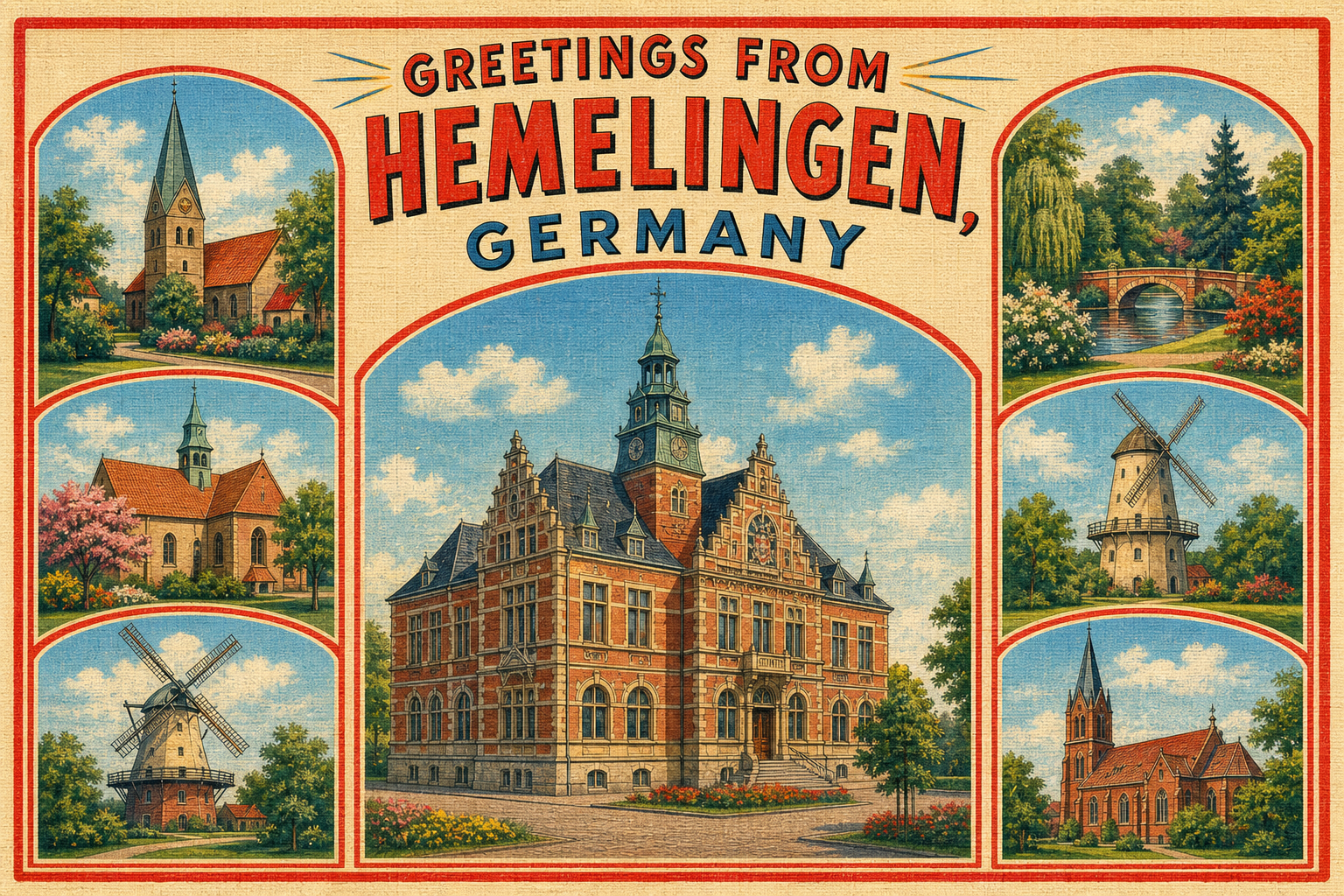
Along the dammed Weser from Hastedt to Hemelingen
Most visitors treat Bremen as a compact Altstadt loop: Marktplatz, Schnoor, coffee on the Schlachte, then home. I keep walking southeast instead, until the river stops behaving like a tidal highway and starts acting like a held-back canal. That change happens at the Weserwehr in Hastedt. From there the Middle Weser is quieter, and Hemelingen’s industrial shoreline makes more sense than any brochure map. Hemelingen is Bremen’s second-largest Stadtteil — five Ortsteile on the right bank: Hastedt, Hemelingen proper, Sebaldsbrück, Arbergen, Mahndorf. A century of factories, cigars, silverware, jute, ship…
-
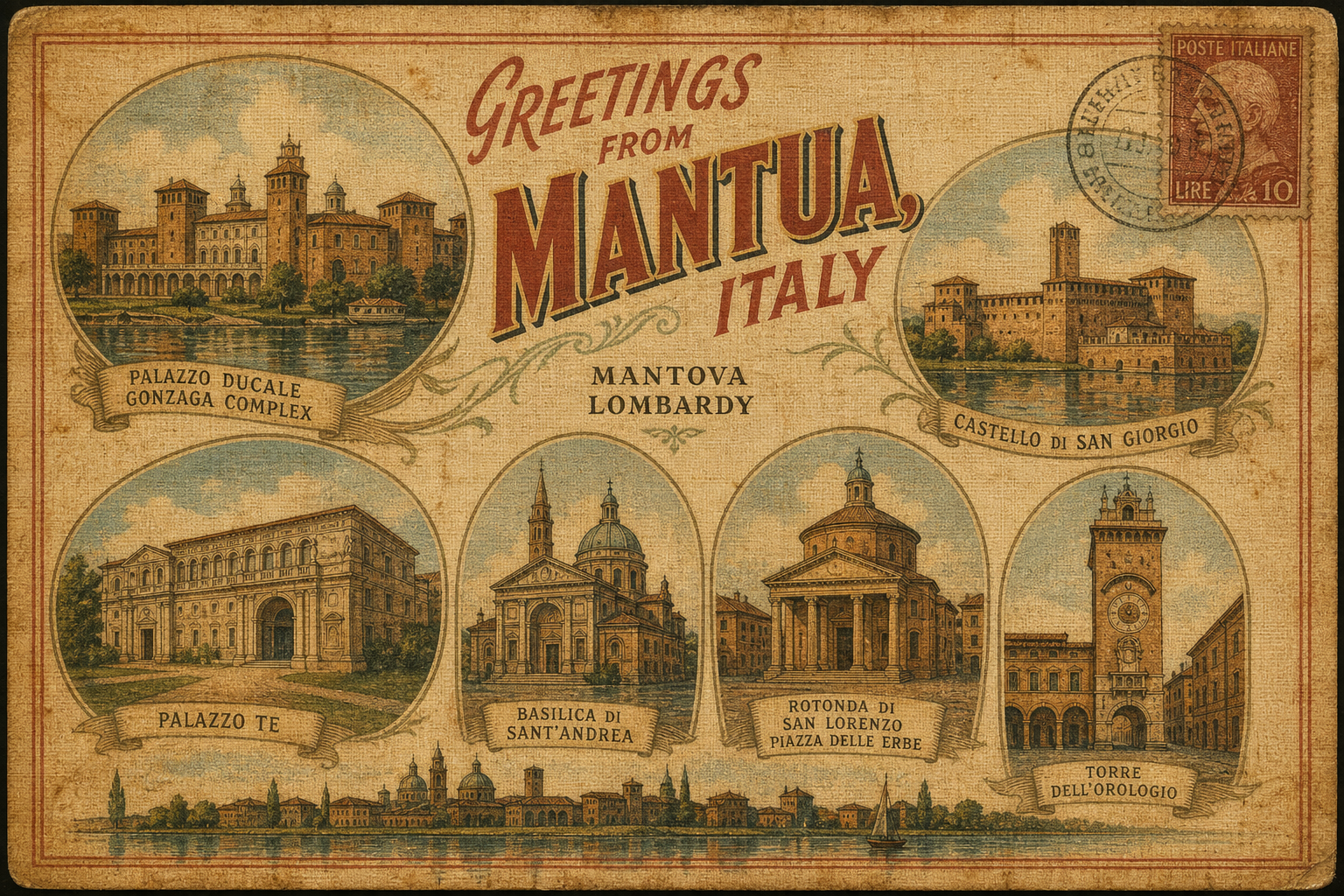
Morning Fog on Lago di Mezzo in Mantova/Mantua
People come to Mantua for the Gonzaga palaces and a quick loop through Piazza Sordello, then leave before the lakes have time to settle in. Fair enough. I keep coming back for Lago di Mezzo on a cool morning, when fog sits low on the water and the brick of Castello di San Giorgio looks half-erased. The city is almost an island — three lakes, one river doing the work — and that wet edge is the Mantova I trust more than any ticketed fresco room. Stand on the lungolago…
-
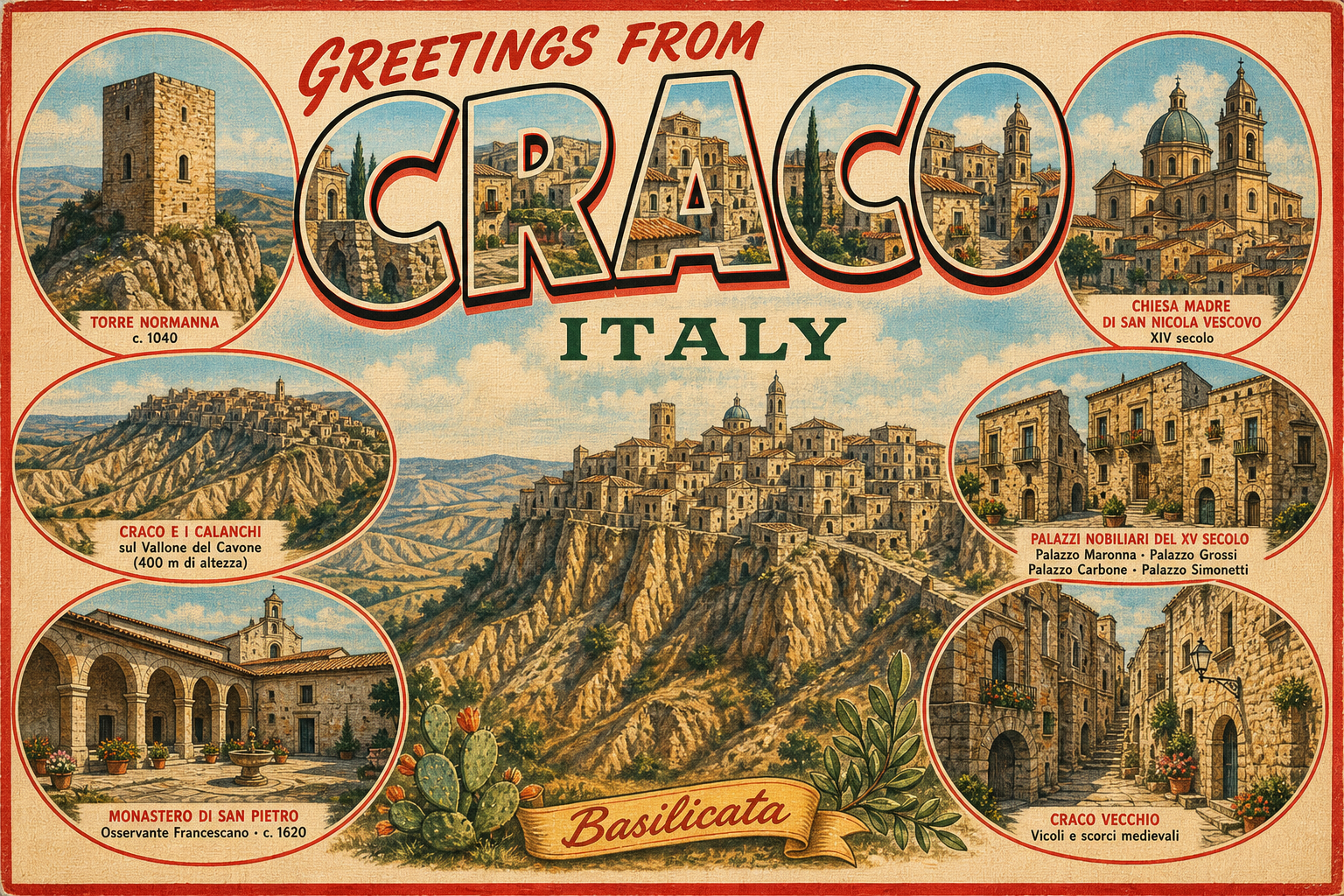
Hard hats under the Norman tower in Craco
You don’t stroll into Craco the way you stroll into a living town. You park lower down, find the ticket desk, strap on a hard hat, and follow a guide into a hill settlement that still looks half alive until you notice the missing roofs. From the approach road the silhouette almost fools you: medieval stone, a rectangular Norman tower, church bulk, houses stacked against clay. Then the road ends, the barriers show up, and it clicks why nobody is hanging laundry here anymore. Craco sits in the province of…
-
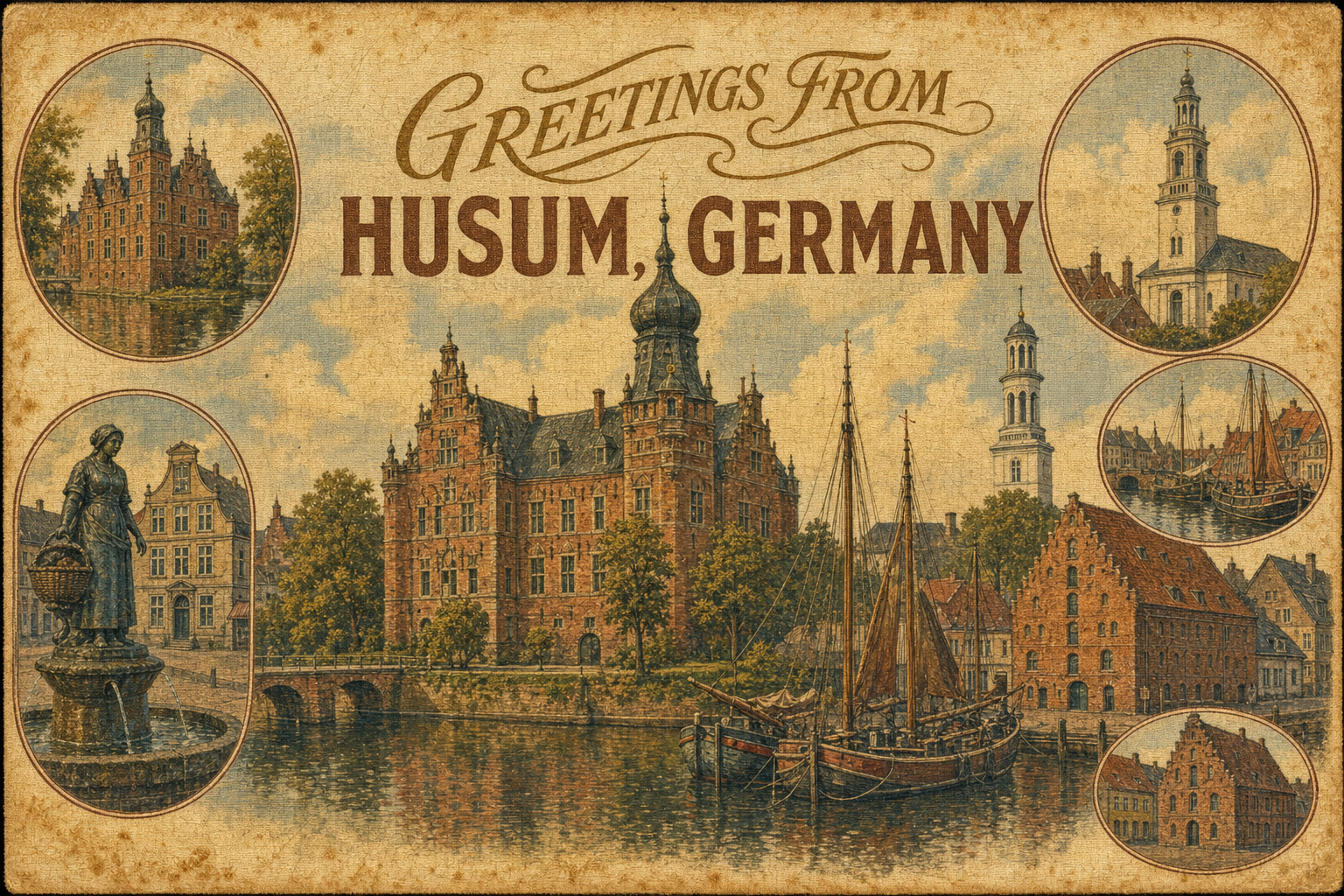
Low tide empties the Binnenhafen in Husum
Husum does not pretend to be a resort strip. It sits on the North Frisian coast of Schleswig-Holstein where the sea comes in sideways, through locks and channels, and mud goes silver when the water drops. Theodor Storm called his birthplace the grey town by the sea. The phrase still fits on a flat Tuesday when cloud sits low and the Binnenhafen smells of diesel, salt, and crab. You come for tide, cutter masts, and a town that still faces west toward the Watt rather than inland toward the motorway.…
-
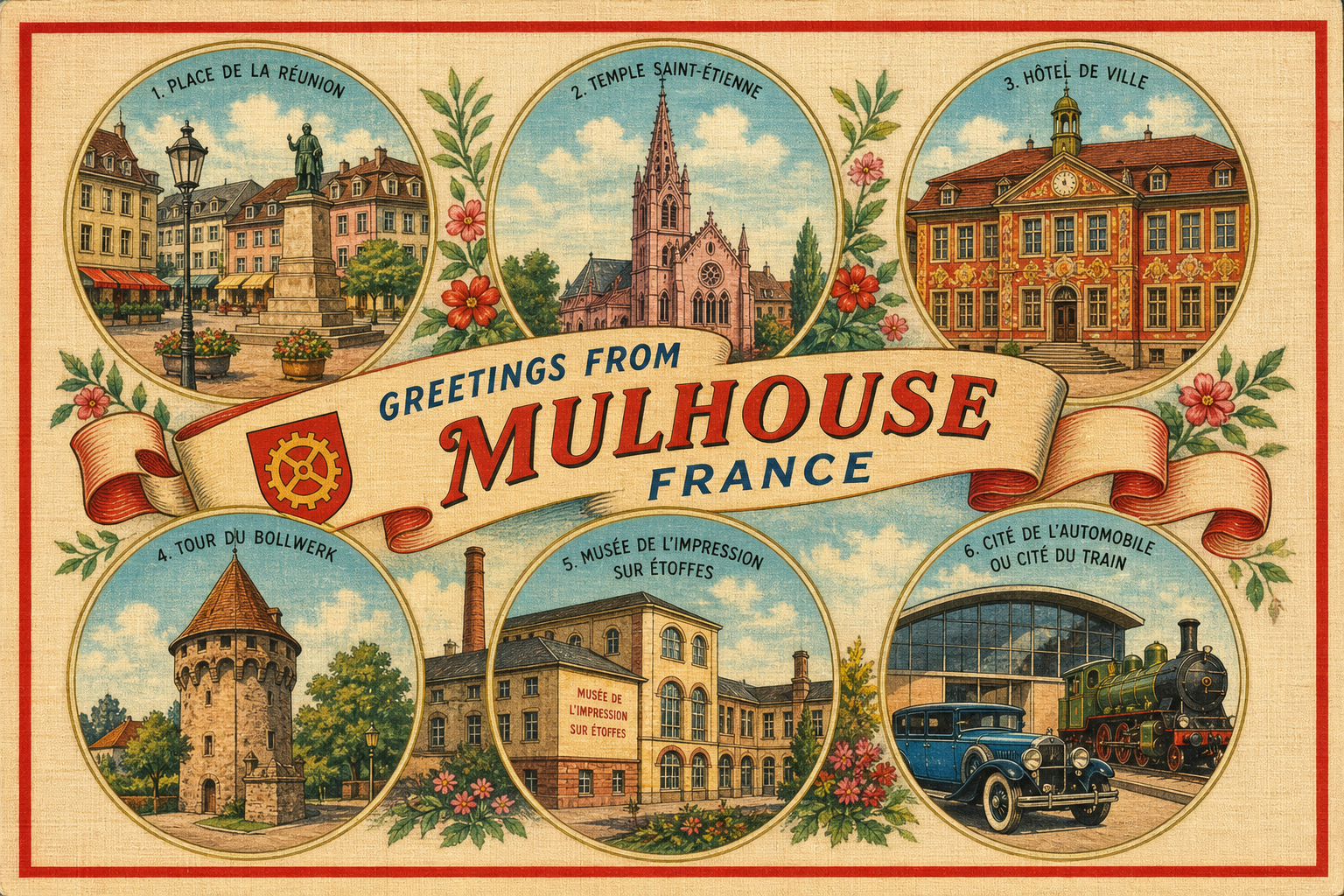
Pattern Books at the Musée de l’Impression in Mulhouse
Most people who pass through southern Alsace aim for Colmar’s canals or Basel’s border polish. Mulhouse sits between them with a different job description: a working city that made its money in cloth, machines, and rail, and still wears that history without staging it too hard. I like it best when I stop treating it as a layover and start with printed fabric. The Musée de l’Impression sur Étoffes is rooms of pattern, dye, and industrial patience — not a pretty-object museum in the postcard sense. On a quiet afternoon…