# Dawn Among the Stalls at Place des Clercs
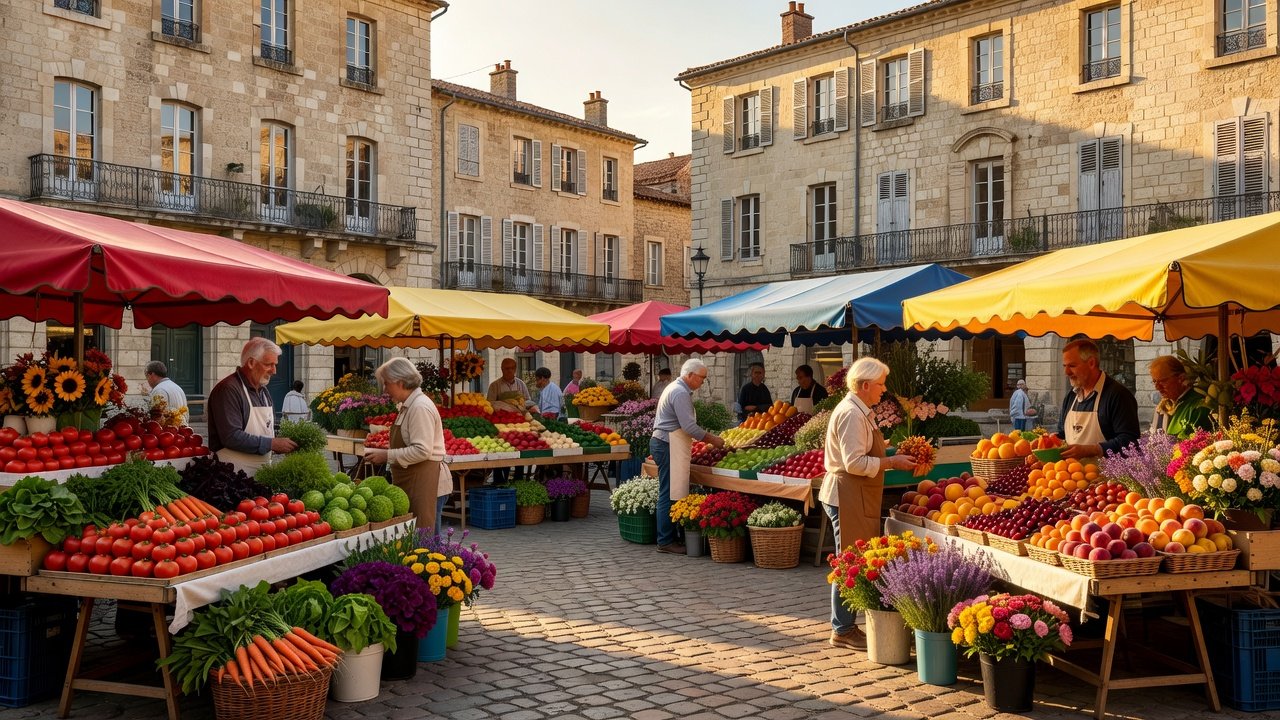
The light hits the plane trees first in Valence, filtering through their broad leaves onto the cobblestones of Place des Clercs before most visitors have stirred. I arrived early on a Saturday, the air still cool from the nearby Rhône, and watched as the market unfolded like a slow conversation between neighbors. Stalls of ripe tomatoes from the Drôme valley, wheels of goat cheese wrapped in chestnut leaves, bunches of lavender tied with twine, and the low murmur of vendors greeting regulars by name. This is not the hurried tourist market but the one locals treat as an extension of their kitchens.
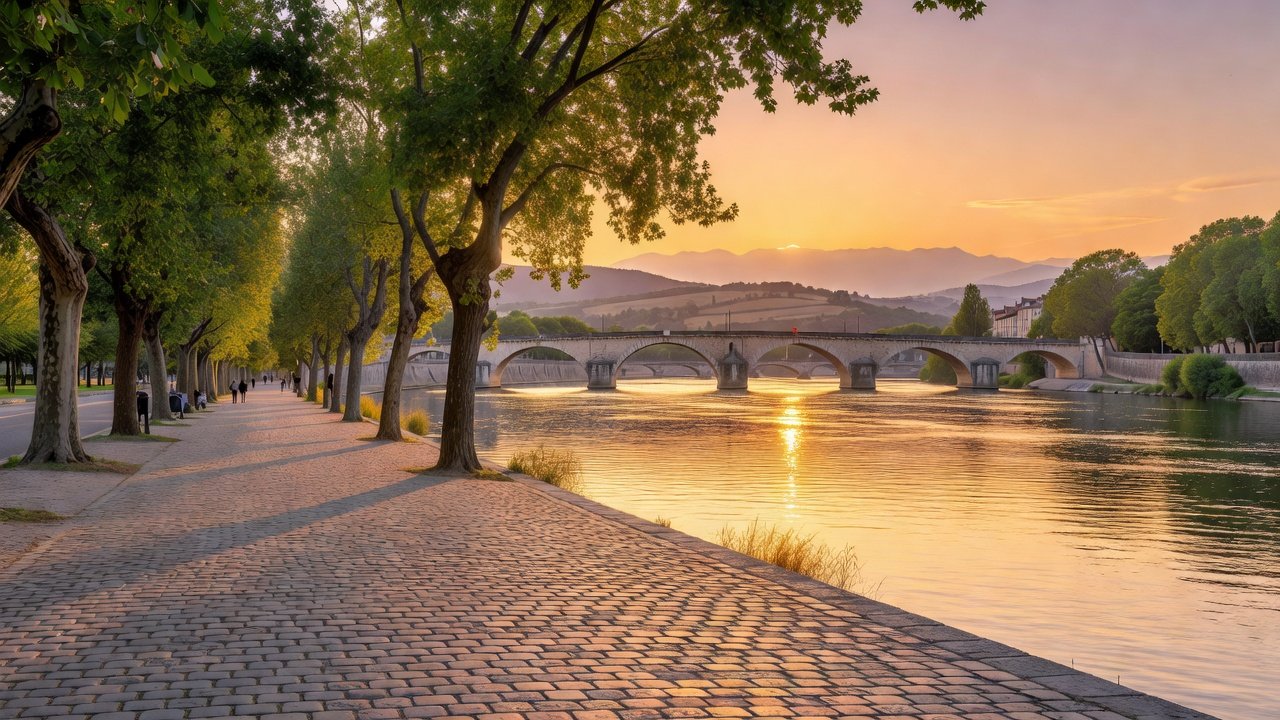
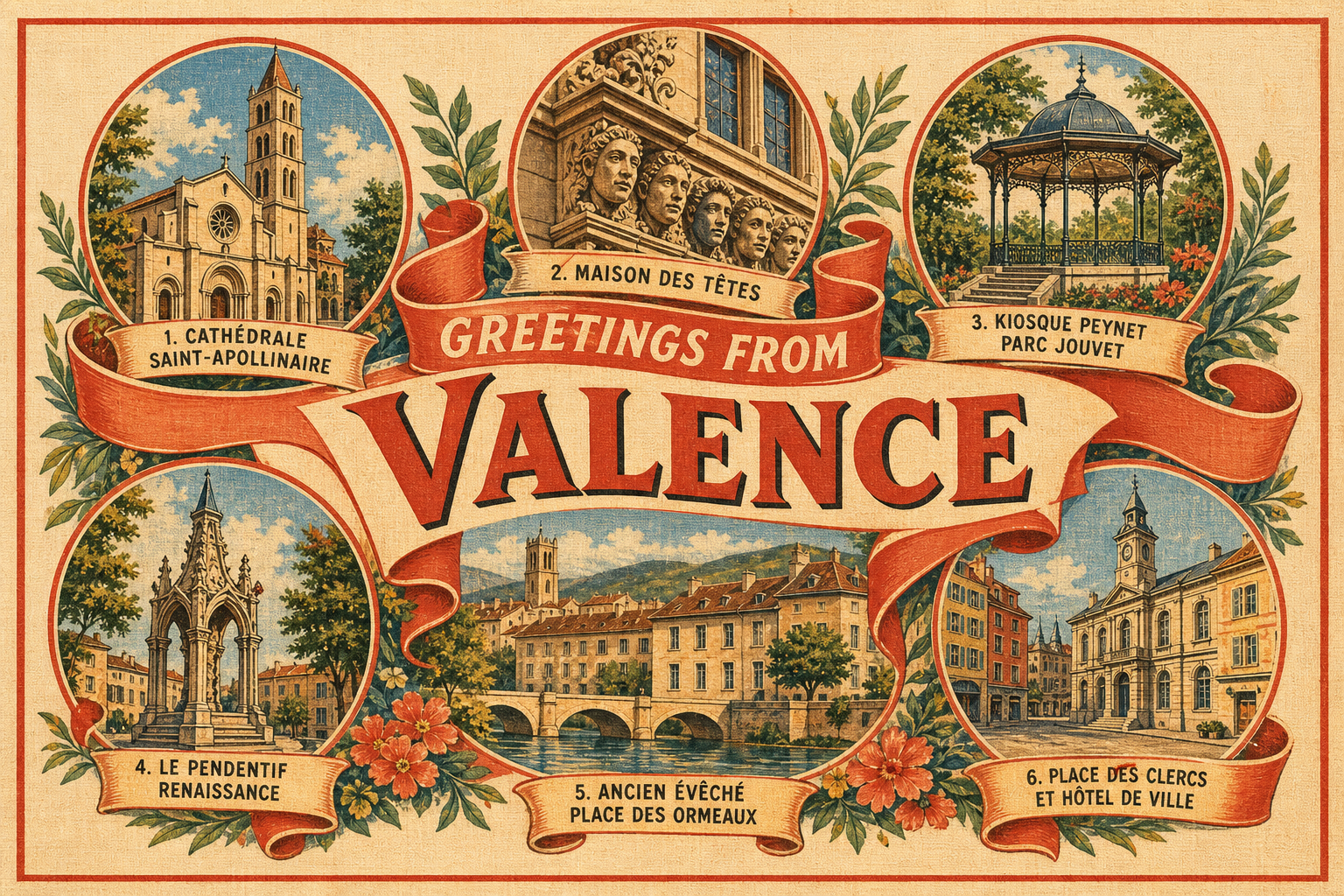
Valence sits where the Drôme meets the Rhône, a modest city with a historic core that feels lived-in rather than staged. The old town spreads in a gentle grid around the cathedral of Saint-Apollinaire, its Romanesque tower visible from several angles but never overwhelming. Side streets like Rue du Petit Paradis and the lanes off Rue de la République hold small workshops, a handful of bookshops, and cafés that open their doors without fanfare. The river itself offers quiet paths along the banks, where joggers and dog walkers share space with fishermen casting lines into the current. It is a place that rewards slowing down, noticing the details that make a city feel like a neighborhood.
I spent one morning simply following the market crowd. A woman at a cheese stall handed me a sliver of tomme de chèvre to taste, explaining how the milk came from goats grazed on the hills above the city. Further along, a baker pulled baguettes from a wood-fired oven set up under an awning, the crust cracking audibly as they cooled. By nine o’clock the square had filled with the comfortable rhythm of weekly shopping: baskets filling, children pointing at strawberries, older men debating the price of olives. No one seemed in a rush to leave.
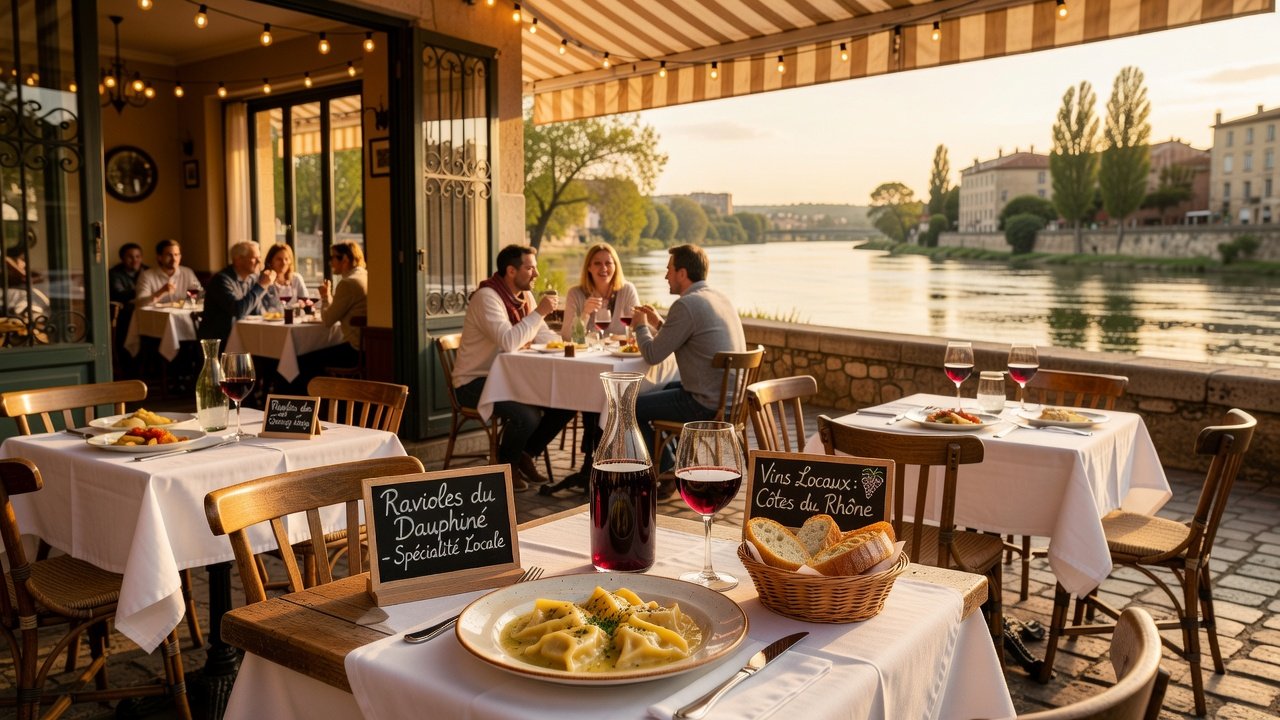
The food here leans toward the straightforward pleasures of southeastern France. Lunch might be a simple salade valentinoise with local greens, walnuts, and blue cheese from nearby farms, or a plate of grilled sardines from the Mediterranean ports that supply the region. One evening I found myself at a small table outside Bistro André at 285 avenue Victor Hugo, the casual sibling to the famous Maison Pic. The room hummed with locals finishing work, the menu changing with whatever the market had offered that morning. A starter of asparagus with a light vinaigrette gave way to a perfectly cooked piece of fish and a glass of Crozes-Hermitage from the northern edge of the valley. Nothing flashy, just honest cooking that respects the ingredients.
Another reliable spot sits a short walk away at Un Tablier pour Deux, 164 avenue Victor Hugo. The atmosphere is unpretentious, the kind of place where the owner might pull up a chair to chat about the day’s catch or the best way to prepare the local ravioles. Portions feel generous without being heavy, and the wine list favors smaller producers from the Drôme and Ardèche. For something a touch more refined but still local, Le Bistrot des Clercs offers classic brasserie fare under the arcades near the square itself, where you can watch the market being packed away while enjoying a plate of charcuterie and a carafe of rosé.
Finding a place to stay that matches this unhurried pace took a little thought. The city does not lack options, but the ones that feel right are those tucked into the older streets rather than the modern outskirts.
Hotel Victoria at 37 Rue Denis Papin sits directly across from the train station, a family-run boutique with just enough character to feel personal. The rooms are simple and clean, with good beds and thoughtful touches like local soaps. It is the kind of address a traveler on a moderate budget can appreciate for its convenience and lack of pretension, roughly €90-130 a night depending on season. From here the old town is a pleasant ten-minute stroll, and the station itself makes day trips to the surrounding countryside straightforward.
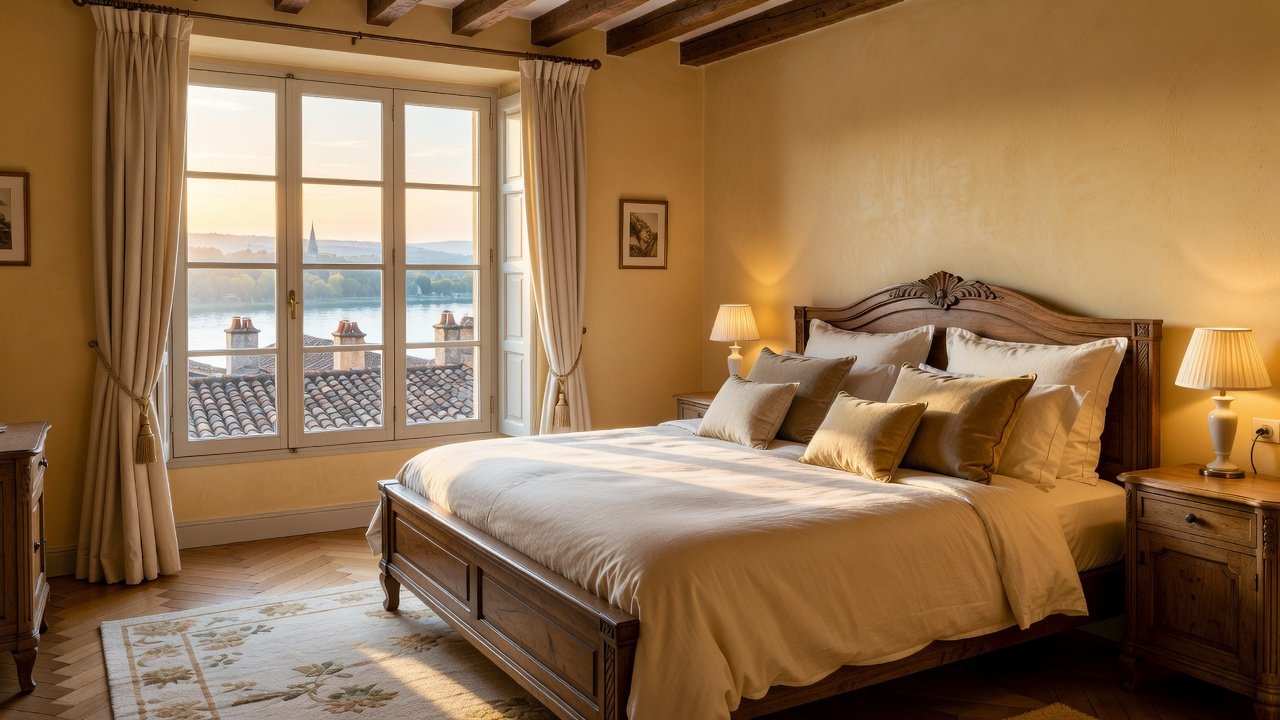
For a step up in atmosphere, look toward the converted historic properties. Maison de la Pra occupies a 16th-century mansion in the heart of the old quarter, its stone walls and wooden beams giving the rooms a quiet dignity. Expect rates around €150-220; the scale is intimate, and the location lets you step out into the lanes at any hour without feeling like a tourist. It strikes the balance between comfort and authenticity that suits longer stays.
At the higher end, Maison Pic at 285 avenue Victor Hugo offers the full experience of the Pic family’s culinary legacy. The hotel portion is elegant without being ostentatious, with spacious rooms and impeccable service. Prices start around €300 and climb quickly, but for a special night it delivers thoughtful details and proximity to both the bistro and the flagship restaurant. The staff know the region deeply and can suggest lesser-known walks or producers if you ask.
Transportation within Valence is straightforward on foot or by the local bus network. The TGV station connects efficiently to Lyon, Paris, and Marseille, while the Rhône valley roads make renting a car useful for exploring the nearby vineyards and the Vercors mountains. Parking in the old town can be tricky on market days, so the station-area hotels prove convenient for arrivals by train.
What lingers after leaving is the sense of a city that still belongs to its residents. The market at Place des Clercs continues its weekly conversation regardless of visitors, the river paths remain open to anyone who wants to follow them, and the small restaurants serve the same dishes they always have. Valence does not demand attention; it simply offers a place to pause, taste what is in season, and watch the light move across the plane trees. That, more than any landmark, is what makes the visit memorable.