
Guides to lesser-known towns — markets, rivers, neighborhoods, food, and where to stay — written for travelers who skip the template itinerary.
-
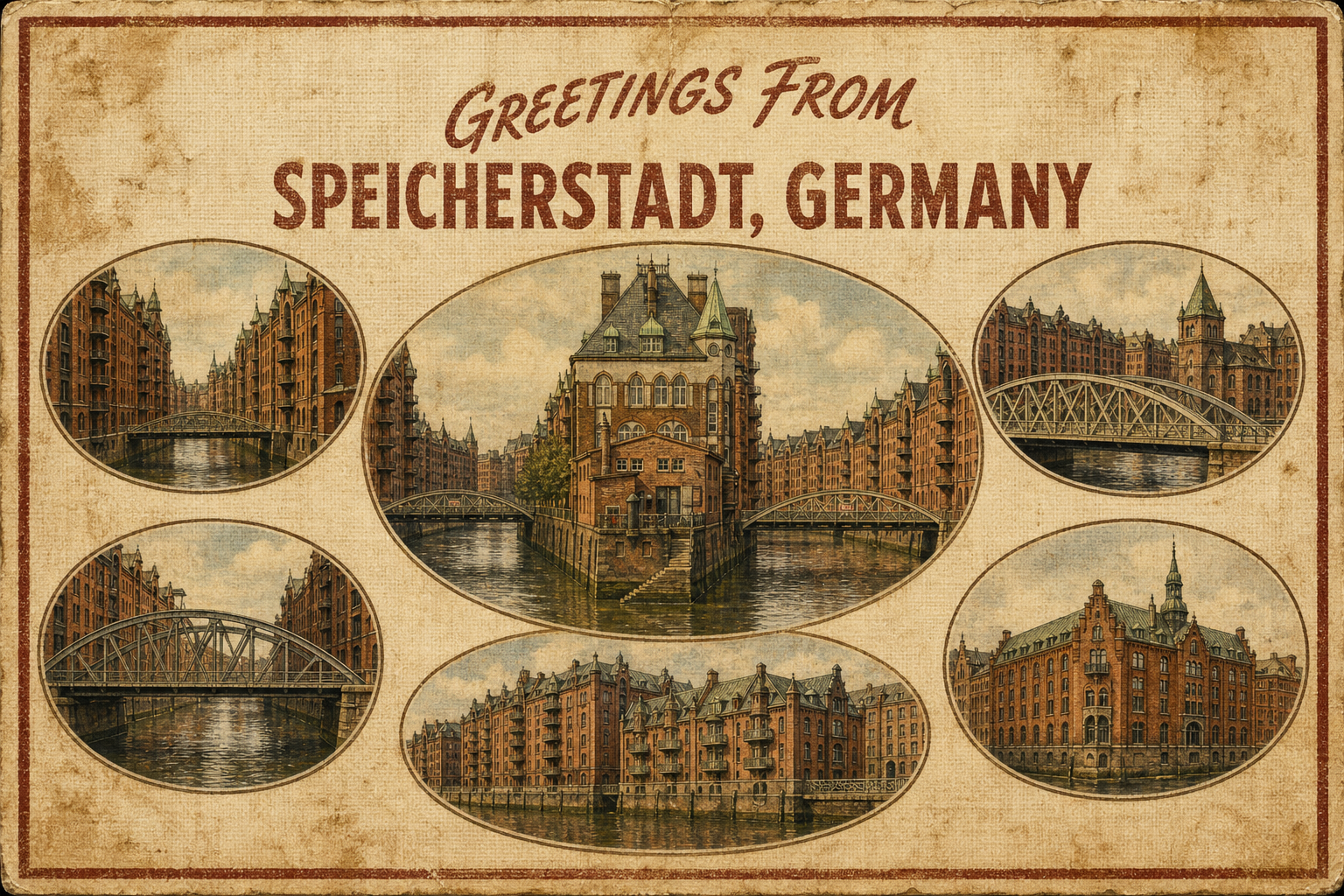
Roastery doors on Kehrwieder over the fleets in Speicherstadt
Most visitors meet Speicherstadt between Miniatur Wunderland and the Elbphilharmonie — red brick, a canal selfie, then the next ticket queue. I like it better when the first doors open on Kehrwieder and the roast smell still beats the tour-group noise. Coffee floors above the fleets, slow bridges over water that once carried duty-free sacks, and enough quiet between the big stops that you remember this was a working free-port city, not a backdrop. Speicherstadt is Hamburg’s warehouse island grid: neo-Gothic brick on oak piles, canals locals call Fleete, iron…
-
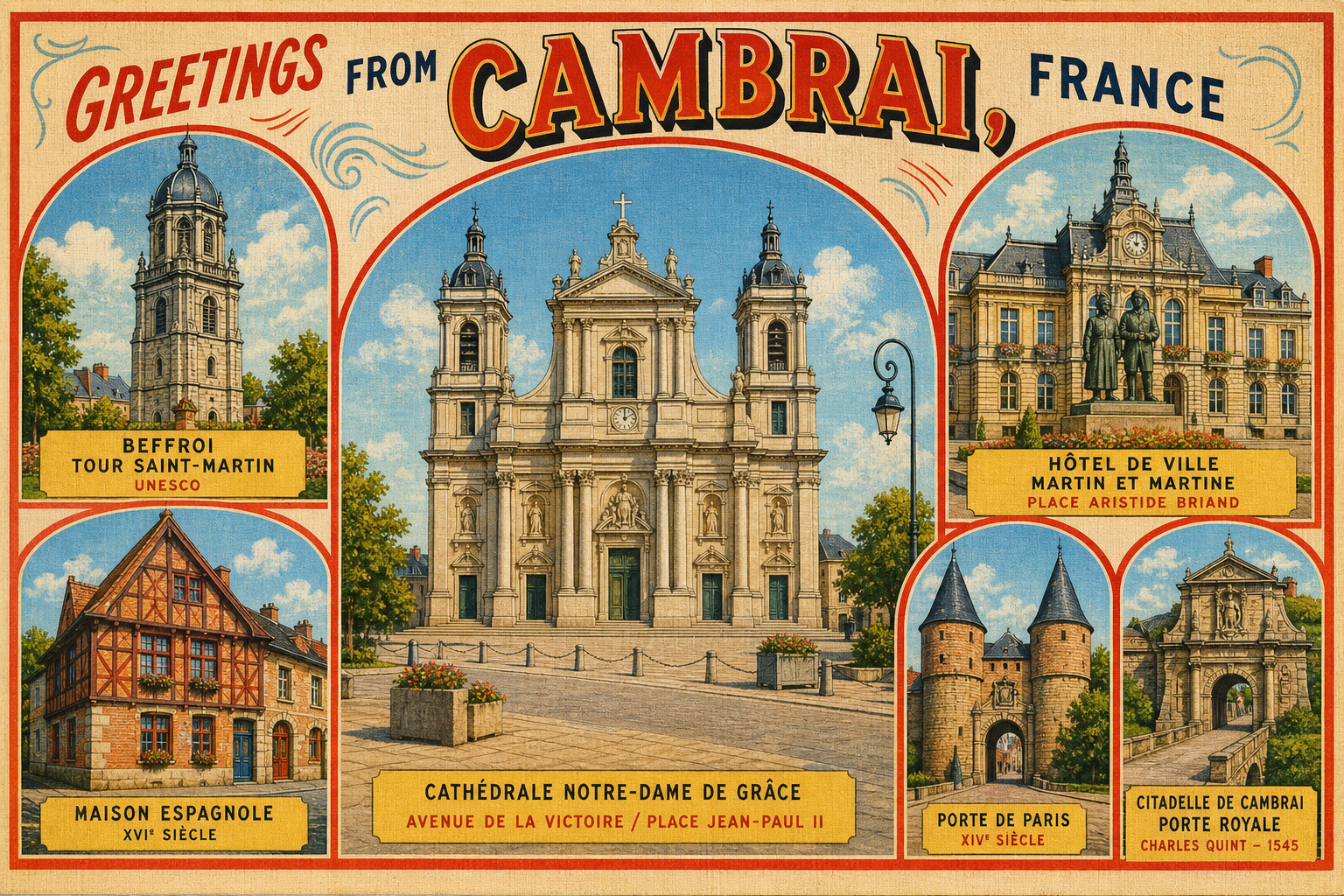
Martin and Martine Strike the Hours in Cambrai
On the rebuilt face of Cambrai’s town hall, two bronze figures take their shift. Martin and Martine lift mallets and hit the bell on the quarter-hour. Tourists film them once. Locals barely look up. I watch them because they tell you what kind of place this is: a Nord sub-prefecture that put its protectors back on the roof after the wars knocked everything flat, then went back to errands. Cambrai sits in the Cambrésis, south of Lille, between the Scheldt country and the old cloth roads. People who know the…
-
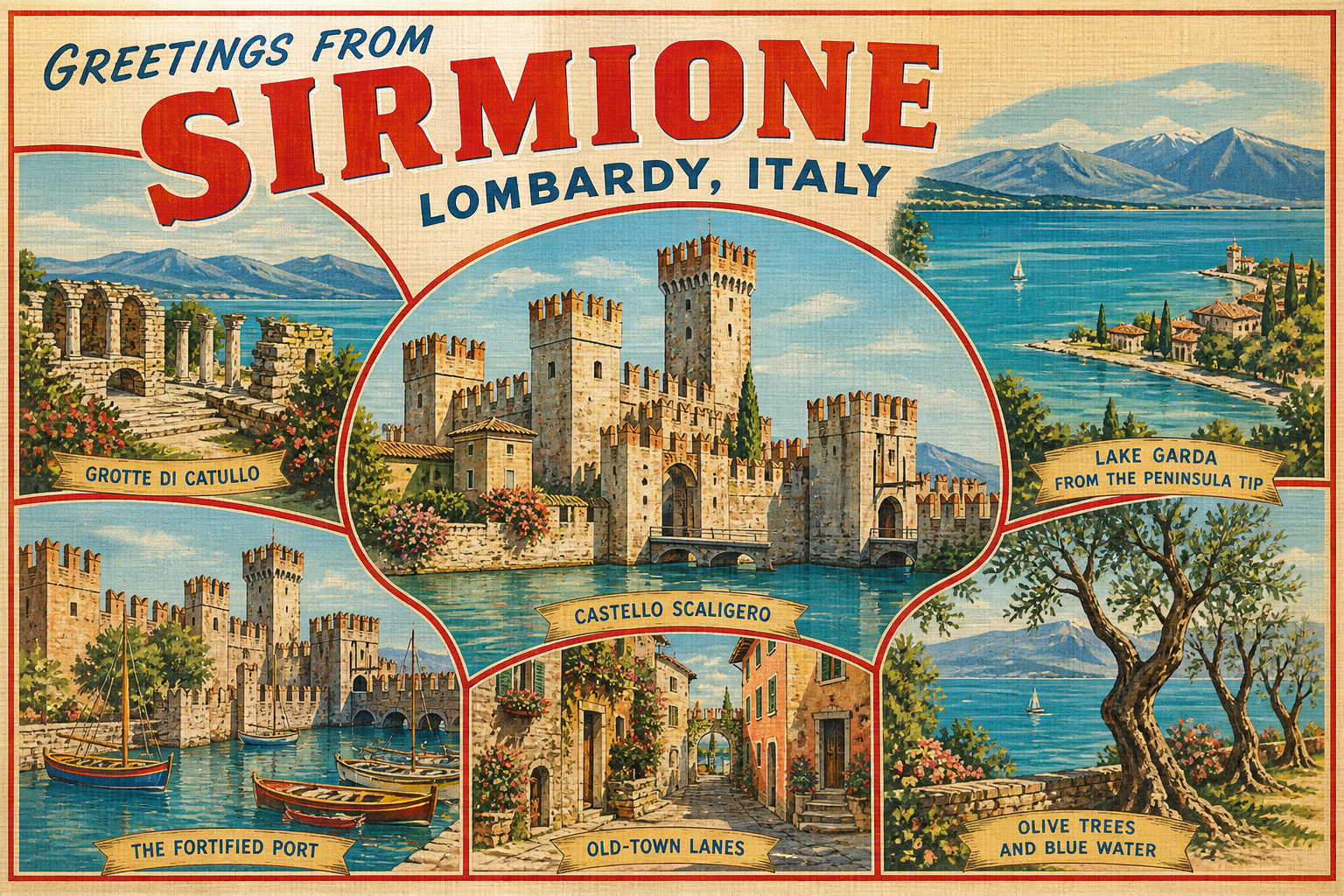
When the Olives Drop Around San Pietro in Mavino, Sirmione
Most visitors treat Sirmione as the castle at the throat of the peninsula and a queue for thermal water. I walk the other way: past the last gelato windows, onto the rising path where the land narrows and the olive trees take over. San Pietro in Mavino sits up there, a small stone church older than the Scaliger walls most people photograph first, ringed by silver leaves that still produce oil sold under the Grotte di Catullo name. The olives are not decoration. They are how this thin strip of…
-
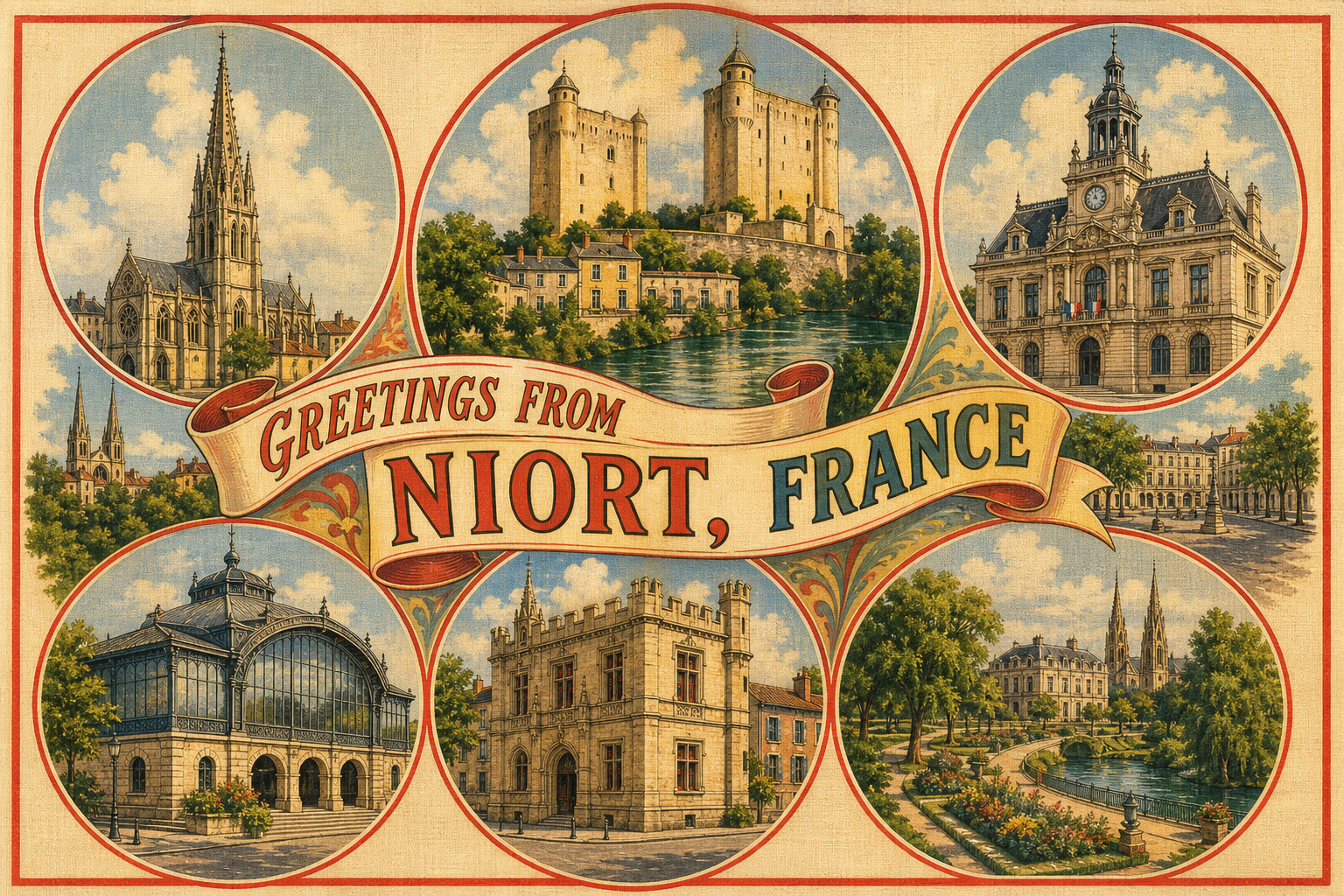
Factory Brick Along Port Boinot in Niort
People treat Niort like a parking lot for the Marais Poitevin. Arrive by train, rent a car, drive straight to Coulon or some boat dock in the Venise Verte, come back dusty and proud. Fair enough. The marsh is the draw. But the town on the Sèvre Niortaise has its own grain, mostly along an old factory quay that used to smell like wet leather. Port Boinot is that quay. Brick, water, a park where chamoiseries once ran, and a street still called Rue de la Chamoiserie. If you…
-
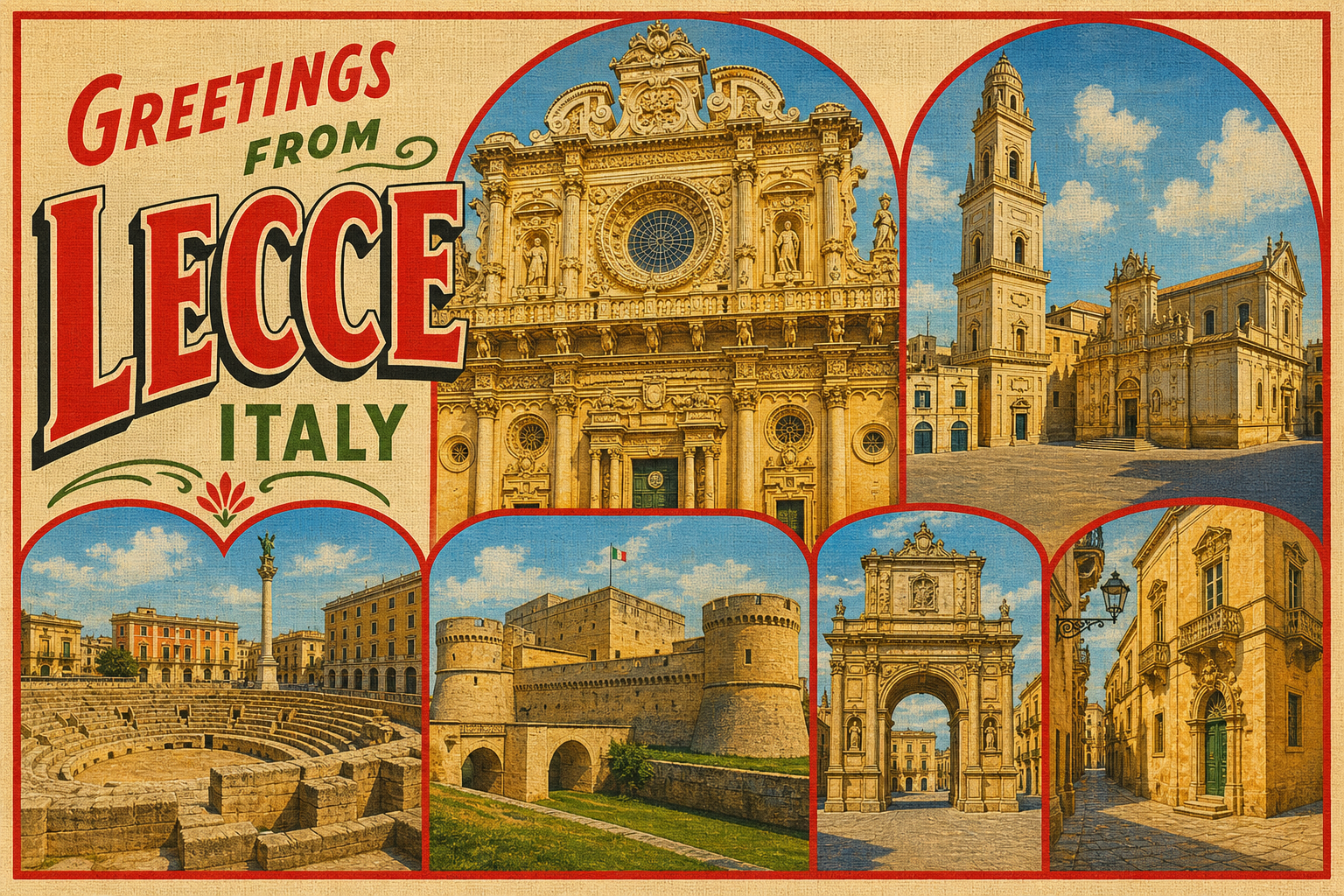
Afternoon light in Lecce’s cartapesta workshops
Lecce gets nicknamed Florence of the South, which is a lazy comparison and not why I come. I come for pale limestone that softens every shadow, espresso cut with almond milk ice, and rooms where people still build saints out of newspaper, glue, and patience. The craft street is short. The work is long. If you only chase baroque façades, you miss the glue smell and the hands that know when a figure is ready for paint. I start late morning, when the stone has warmed but the tour…
-
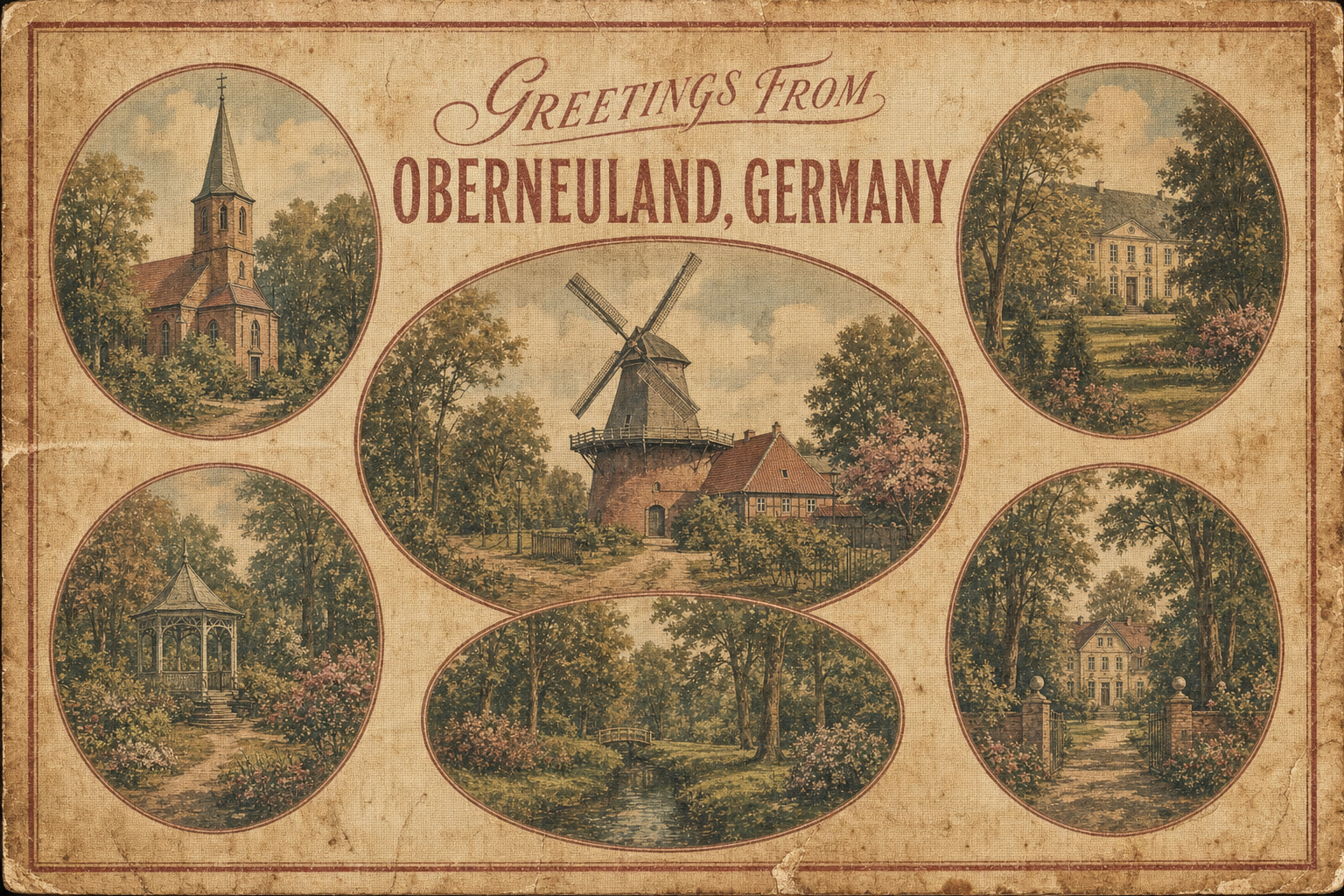
Hornbeam theater at Heinekens Park in Oberneuland
Most people who treat Bremen as a day trip never leave the Marktplatz orbit. Oberneuland sits on the city’s northeastern edge, past Horn, where the map softens into old merchant parks and dikes that still hold the Wümme. I come here when I want Bremen’s green money history without a ticket queue. The first stop is not a café. It is the hornbeam theater at Heinekens Park: a six-meter Hainbuchen rondel from around 1770, cut with arched openings like a green room waiting for a play, and the flat light…