
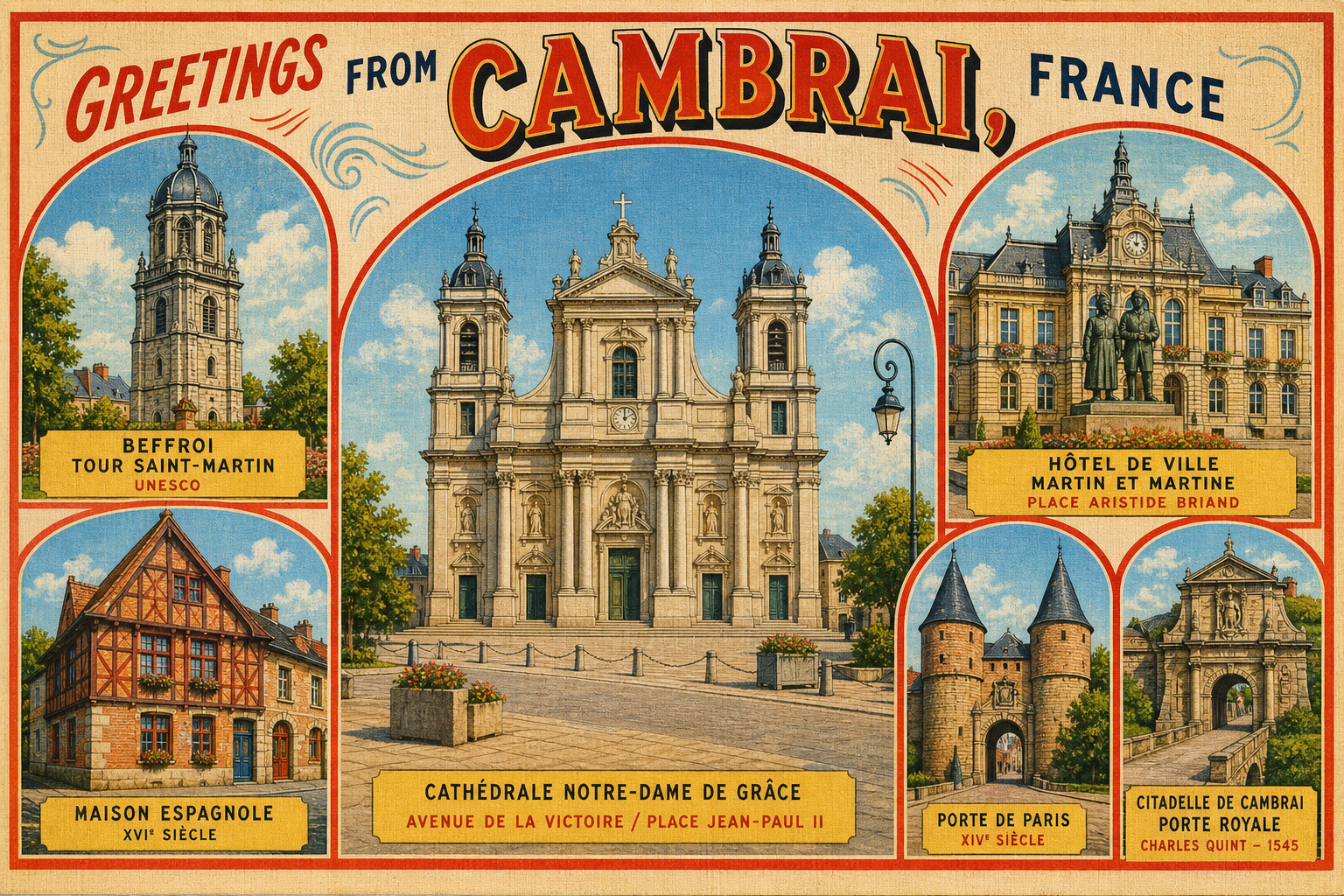
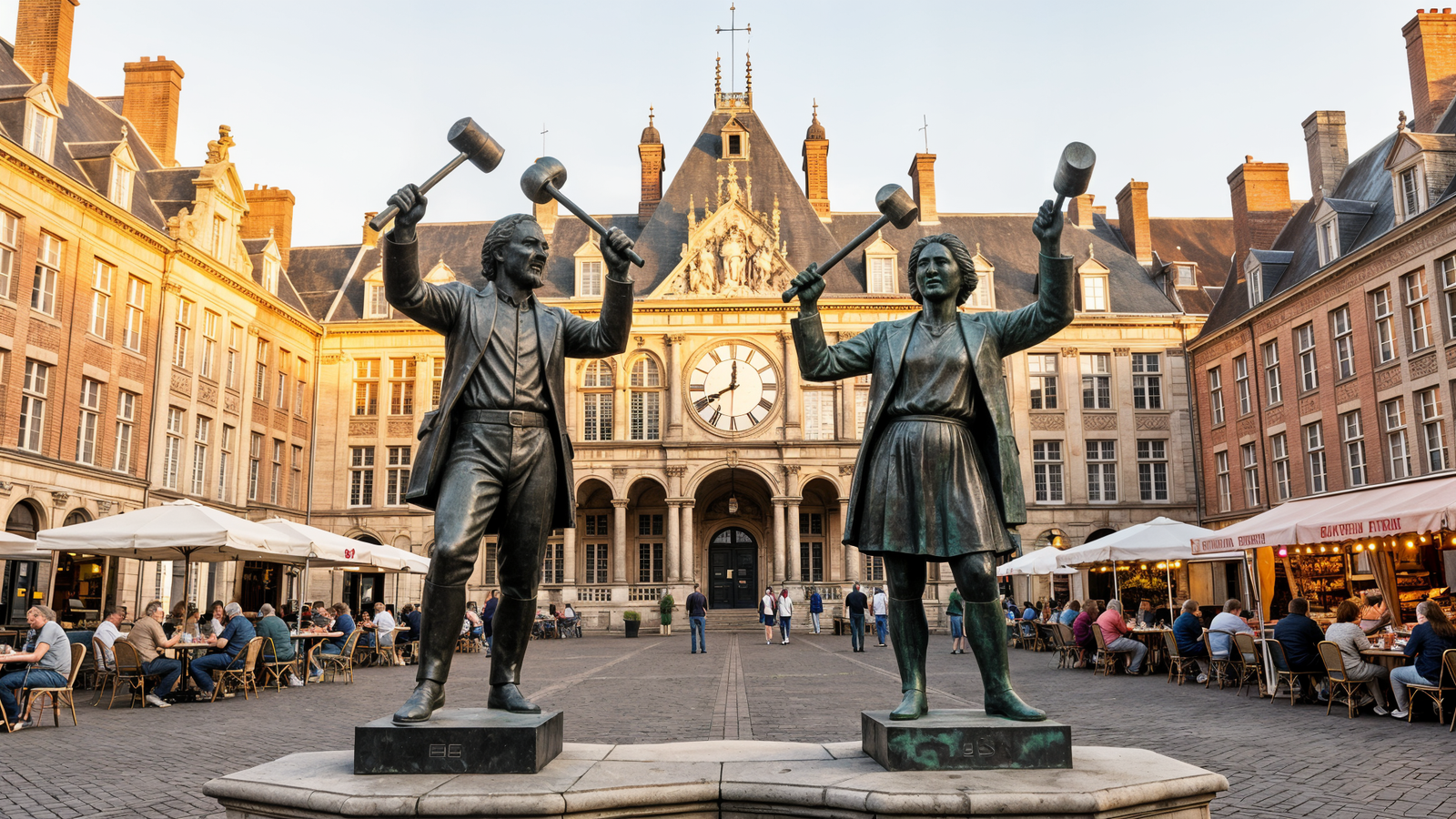
On the rebuilt face of Cambrai’s town hall, two bronze figures take their shift. Martin and Martine lift mallets and hit the bell on the quarter-hour. Tourists film them once. Locals barely look up. I watch them because they tell you what kind of place this is: a Nord sub-prefecture that put its protectors back on the roof after the wars knocked everything flat, then went back to errands.
Cambrai sits in the Cambrésis, south of Lille, between the Scheldt country and the old cloth roads. People who know the name often know the mint sweets — Bêtises de Cambrai — or the word cambric, the fine linen that carried the city’s reputation into English. Fewer people climb the belfry, walk the Porte de Paris, or stand long enough on the Grand’Place for the carillon to finish another tune.
I come for that ordinary civic loop: square, stairs, gates, a northern plate, a bag of striped sweets for the train. The centre is walkable. The history is thick, and nobody is staging it for you.
Grand’Place and the figures on the roof
Start on the Grand’Place when shops are open and the terraces are half full. Flemish-leaning façades, brasseries, the town hall rebuilt in the 1930s with a Greek-style front that still feels a little theatrical for a market town. Martin and Martine stand above it all — mascots and timekeepers. Two bronze workers doing what the clock needs done.
The square holds markets, shopping bags, school traffic. A fountain recalls Louis XIV and the late-seventeenth-century shift when Cambrai entered the French kingdom for good. I end up caring more about how the square still works as a living room than about the royal story. Sit with a coffee. Let a full quarter-hour pass so you hear the giants strike.
On one edge, the Maison Espagnole — a rare painted timber house from the sixteenth century — survived when so much else had to be rebuilt brick by brick after 1918. Quick stop, not a museum hour. It anchors the square in something older than the interwar rebuild.
Stairs into the UNESCO belfry
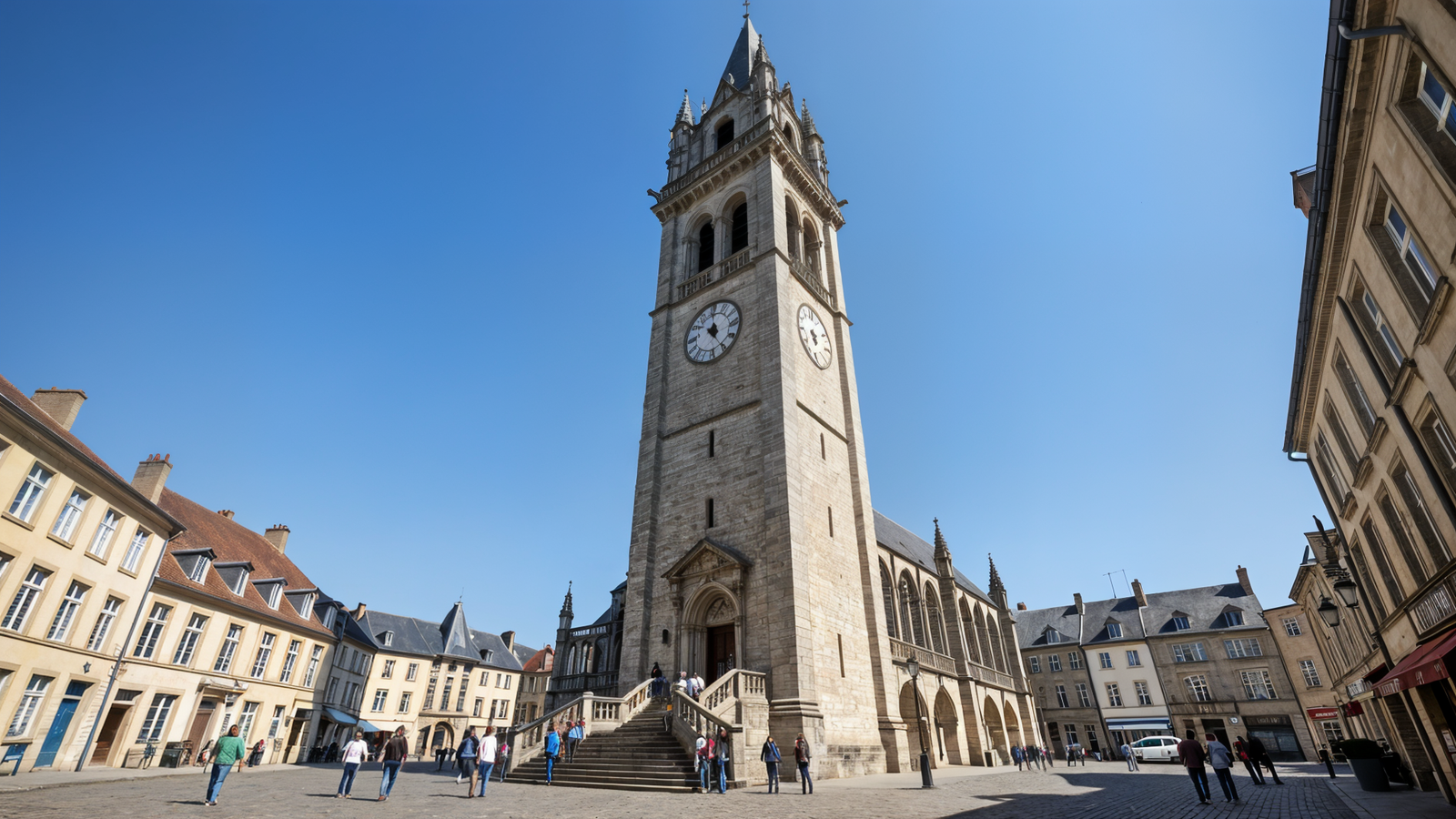
The belfry rises about sixty-two metres over the square. It began as the tower of the vanished church of Saint-Martin, became the civic belfry in the sixteenth century, and now sits on the UNESCO list of belfries of Belgium and France. The climb is by staircase. No lift. If knees or lungs object, stay below and treat the tower as a landmark rather than a summit.
I go up early or late, when groups thin out. From the top you can place the cathedral, the gates, the park edges, and the flat Cambrésis fields in one turn. Four statues stand at the upper platform; the carillon drops tunes into the streets. Cambrai looks compact from here — a real historic core with traffic around it, not a sealed old town.
Check opening times at the tourist office before you build a morning around the climb. Hours shift.
Cathedral light and Fénelon’s quiet
A few minutes’ walk brings you to Notre-Dame-de-Grâce, the neoclassical cathedral that replaced older sacred fabric after revolutionary damage and later wars. Cooler and quieter than the square. Inside: the tomb of Fénelon, the archbishop and writer, and the venerated icon known as the Madonna of Cambrai. People still stop for the image. I sit rather than circle. It won’t match Amiens for height, and after the stairs that’s fine — you get room to breathe.
Saint-Géry and the old Jesuit chapel add more stone if you want it. I usually pick one interior after the cathedral and keep the afternoon for gates and the museum.
Porte de Paris, citadel scraps, and the map indoors
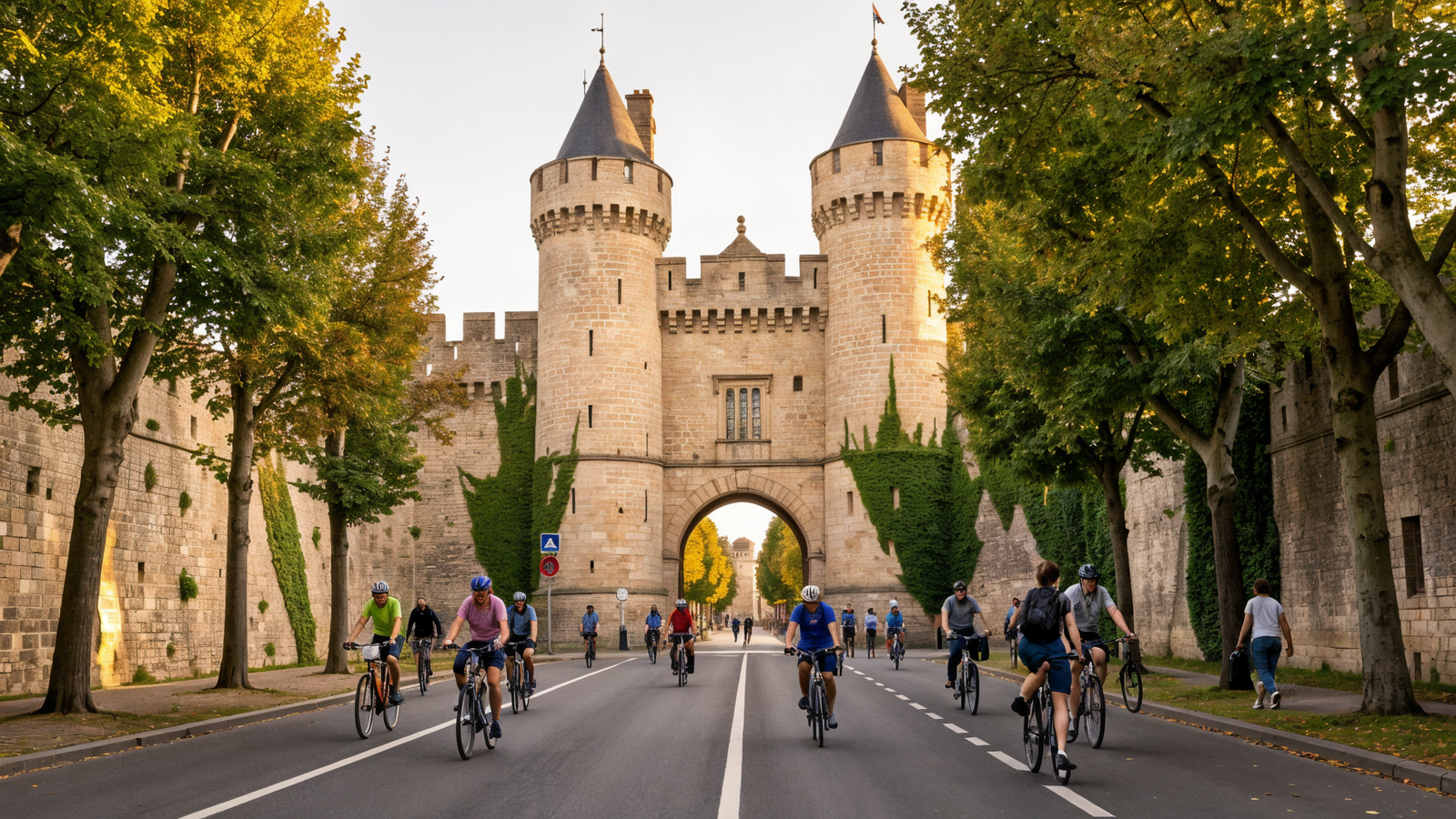
Cambrai kept pieces of its defensive ring. The Porte de Paris is the gateway most visitors photograph — a solid medieval entrance on the south side of the historic centre, best on foot along Boulevard de la Liberté where rampart fragments still read as city edge. Porte Notre-Dame sits to the north. Eastward, scraps of the sixteenth-century citadel remain if you want the military story without a full fortress day.
I walk the southern arc when I need air after indoor time. Cyclists and locals use these boulevards as ordinary routes. You’re moving through a town that never fully erased its walls.
When weather turns, the Musée des Beaux-Arts in the Hôtel de Francqueville is the right shelter. Fine art, archaeology, local memory. The piece I make time for is the seventeenth-century relief map of the city — a modelled Cambrai that helps the belfry view make sense in reverse. One focused hour is enough.
If you have a second day and a car, Le Cateau-Cambrésis and the Matisse Museum sit roughly half an hour out. Worth it if painting is your reason for the Nord. On a short overnight, skip it.
Sweets, linen memory, and northern plates
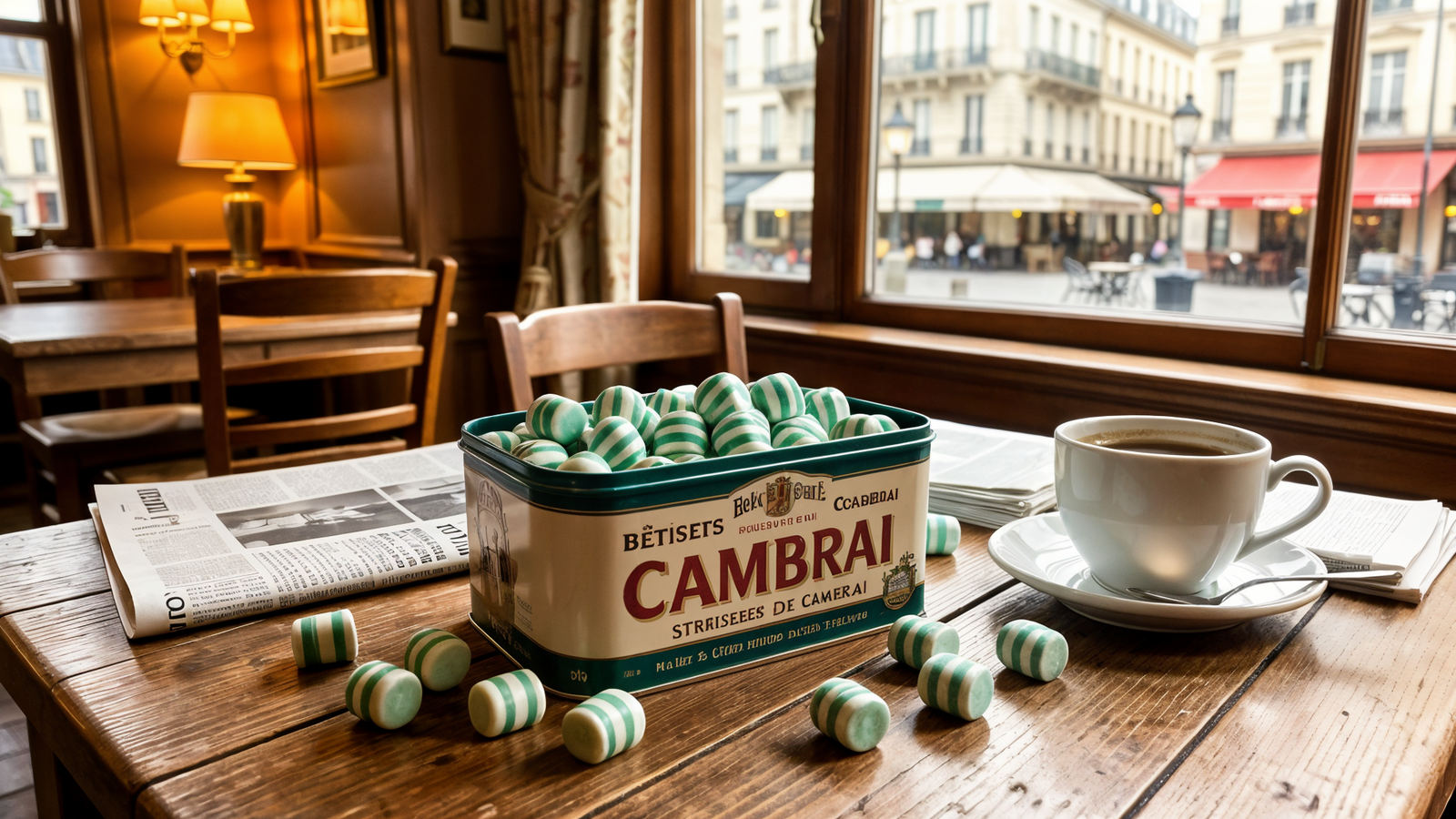
Cambric linen made the city’s name travel. You won’t find a working mill tour on every corner, but the textile past still shows up in museum labels. What you can taste immediately is sugar and mint. Bêtises de Cambrai — soft striped mints with a cracked, almost accidental look — are the edible souvenir. Several confectioners still make or sell them in the centre. Watch a batch if a shop is working; otherwise buy a tin and stop overthinking it.
Northern cooking here means maroilles when you want cheese heat, flamiche, carbonnade, a welsh if you lean toward the Belgian border habit, butter, and proper lunch hours. Skip the menus that exist only to translate themselves three ways for coach traffic.
Le Carré (Hôtel du Mouton Blanc) 33 Rue d’Alsace-Lorraine, 59400 Cambrai
Family-run house in a Flemish-leaning building near the centre. Semi-gastronomic plates, local product habits, a dining room the town actually uses. I book it when I want dinner without leaving the walkable core. Same address covers comfortable rooms if you like sleeping above the kitchen logic.
Maison Demarcq 2 Rue Saint-Pol, 59400 Cambrai
Town-house setting on one of Cambrai’s oldest streets — treaty and Napoleon lore attached if you ask, ignorable if you don’t. Modern French cooking, careful service, a step up for a slow evening. Reserve. Lunch can be smarter if nights are full.
Le 109 Château de la Motte Fénelon, Square du Val du Château, 59400 Cambrai
Vaulted cellar rooms under the château. Seasonal French cooking a short hop from the Grand’Place without leaving town. I use it when the day has been all civic stone and I want brick arches and a longer table. Confirm Sunday hours.
Between sit-down meals, a bakery bag and a park bench beat a third forced restaurant. Parc Fénelon and the public garden give you grass when the square gets loud.
Getting in and moving around
Cambrai sits on regional rail toward Douai, Saint-Quentin, and the wider Hauts-de-France web; Lille is the easy long-distance connection. The station is a workable walk or short taxi from the centre if your bag is light. By car, the A2 puts you close — park, then walk the core.
Inside the centre, feet win. Belfry, cathedral, museum, and main gates sit in a tight pattern. Save the car for Le Cateau. Half a day covers Grand’Place, belfry if open, cathedral, and one gate. A night or two adds the museum at human speed, a confectioner stop, an unhurried dinner, and a morning return when Martin and Martine are working for shopkeepers instead of tour groups.
Places to stay
ibis Cambrai Route de Bapaume, 59400 Fontaine-Notre-Dame
Practical chain stop by A2 exit 14, a short hop from the centre rather than on the Grand’Place itself. Parking, predictable rooms, fair rates for drivers and late arrivals. Sleep here for logistics; spend waking hours in town.
Hôtel Beatus 718 Avenue de Paris, 59400 Cambrai
Calmer midrange in a park setting about ten minutes on foot from the main square. Quieter nights than the absolute centre, still close enough that you aren’t living in a taxi. My default when I want a garden buffer after a full stone day.
Château de la Motte Fénelon Square du Val du Château, 59400 Cambrai
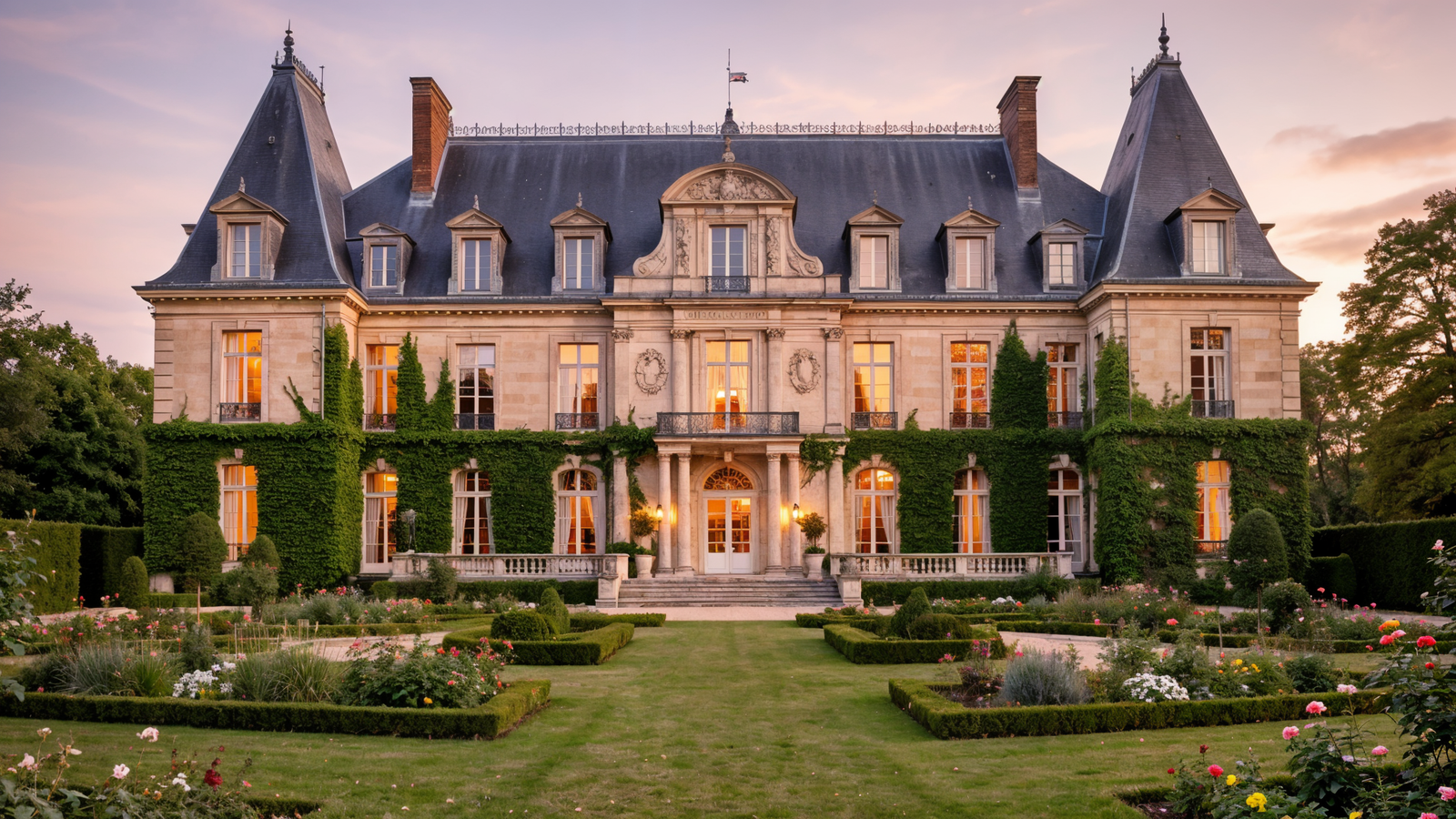
The splurge: château atmosphere on the edge of the civic core, gardens, and dining downstairs at Le 109. Book when the trip is a short northern escape rather than a pure checklist stop. You pay for the setting. Sometimes that’s worth it.
Cambrai won’t shout over Lille or the coast. What you get is a square with working giants, a climb that puts the map in your head, gates that still mark old edges, and sweets that look like a happy mistake. Give it the hours between trains — or better, one night — and let Martin and Martine keep time while you walk.
