
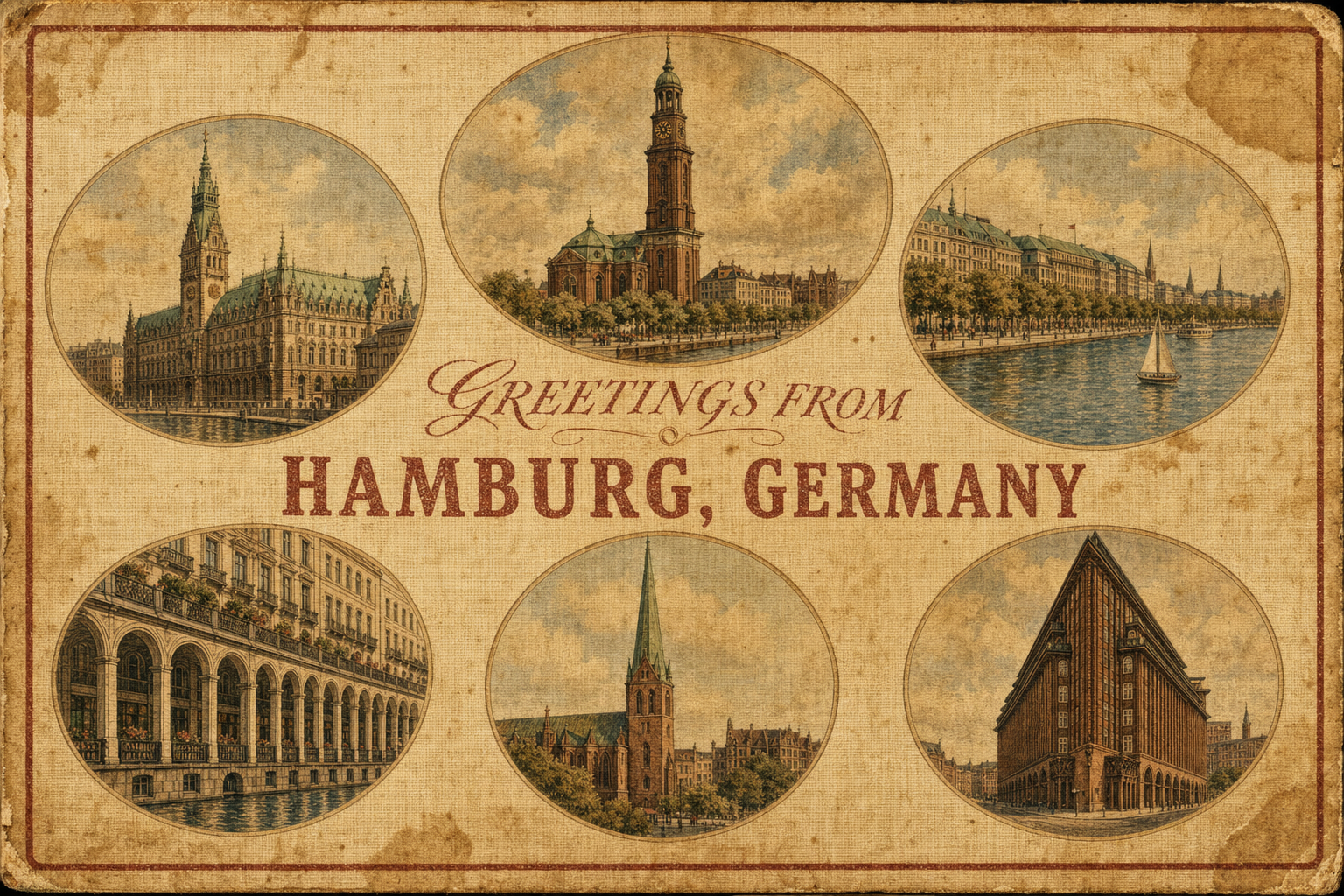
Most visitors pin Hamburg to the Elbphilharmonie plaza, a Speicherstadt selfie, and one loud night on the Reeperbahn. I do that once, then take the S-Bahn west to Altona. From the station you walk five minutes into Ottensen’s café streets, or ten minutes south until the ground drops and the Elbe opens under the Altonaer Balkon. That strip of cliff, market, and working river is the Hamburg I keep coming back for. Sunday fish rolls. Brick courtyards that still feel like a town grown beside a port.
Altona was its own city for centuries, Danish then Prussian, and the old “all to nah” joke about a pub too close to Hamburg’s border still hangs in the name. Ottensen used to be shipyard and propeller work; now former halls hold cinema seats and pizza ovens. Between them and the water you get parks, staircases, and a Sunday market that starts before most hotel breakfasts. Decent shoes help. So does waking early one morning. You do not need a harbor cruise ticket.
The Balkon and the drop to the Elbe
The Altonaer Balkon sits roughly twenty-seven meters above the river on the Geesthang between Palmaille and the slope. On a clear day the view runs across container stacks, the Köhlbrandbrücke, outbound freighters, and people along the shore. Locals bring blankets. Kids use the playground. Gerhard Brandes’s bronze *Fischer* stands there without a brochure speech. S1 or S3 to Königstraße, or bus 112 to Elbberg, puts you close. The park is free. Treat it as orientation more than a timed stop.
From the platform you already see the day. Downhill: Fischmarkt, Große Elbstraße, then the bank path toward Övelgönne. Inland: Ottensen’s Rainstraßen, Spritzenplatz, Zeisehallen. I stand on the Balkon first, even on gray mornings, because the height resets the city. Brick canals give way to a working estuary with weather. When the wind bites, duck into Altonaer Museum or walk the green toward Donners Park. You are not collecting park names. You are feeling how Altona kept green fingers between station and water while the harbor stayed industrial across the stream.
Sunday under the auction hall
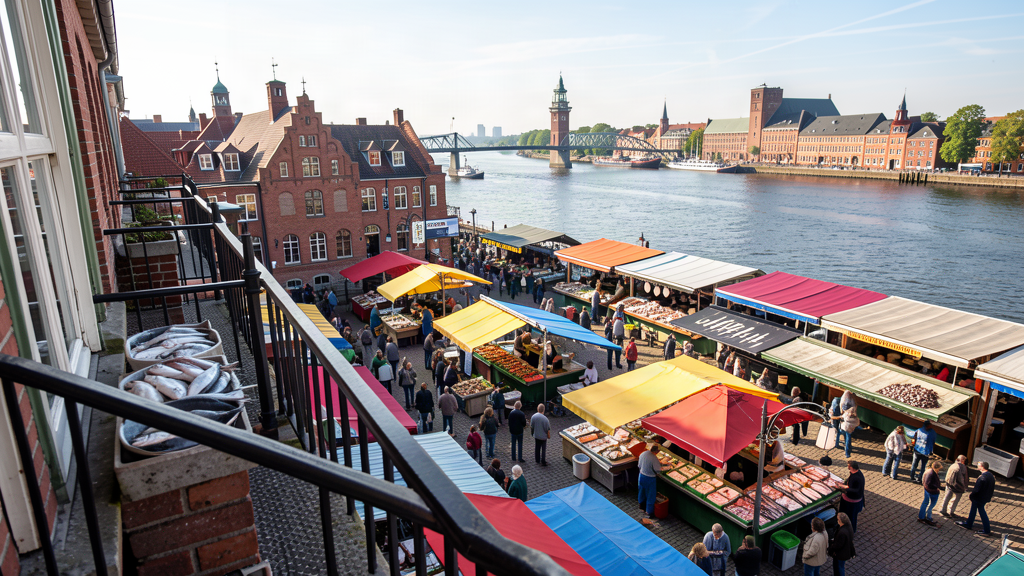
The Altonaer Fischmarkt still runs on Sundays along the Elbe — roughly 5:00 to 9:30 in summer, later in winter, always earlier than your body wants on holiday. The Altonaer Fischauktionshalle anchors the noise. Outside, stalls sell fish sandwiches, fruit, flowers, clothes, and whatever else fits a market that outgrew pure catch sales. Criers still work the crowd. Night people from St. Pauli mix with families who timed the S-Bahn. In high season it packs hard. Go near opening if you want room to choose a Brötchen instead of joining a shuffle.
I go for breakfast. A Fischbrötchen with Matjes or Bismarck herring, hot coffee, maybe a second roll while a crate of crabs changes hands. Brunch with music inside the hall is a separate booked product; the street stalls are freer. The zone sits at Große Elbstraße / Fischmarkt, 22767 Hamburg — you smell it before you need a pin. After the crush thins, walk west on Große Elbstraße past design shops and more fish kitchens. This bank still earns money from ships. Pick your budget and your view.
Ottensen between Rainstraße and Zeise
On non-Sundays, or after the market, Ottensen is the living room. Große and Kleine Rainstraße hold the café density people mean when they say Altona feels walkable. Café Knuth at Große Rainstraße 21 is a solid first coffee — cream if you want it, a croissant that cracks, tables that fill when the sun hits. You pass smoking pubs that outlasted trends, a weekly organic market near Spritzenplatz, honey from city parks next to shops selling things nobody needs (in the best way).
Zeisehallen on Friedensallee used to cast ship propellers. Now they hold Zeise Kino and Restaurant Eisenstein, where the pizza needs no tourist translation. Friedensallee 9. Book or go early; Ottensen eats on normal German hours, not Reeperbahn time. Alma-Wartenberg-Platz collects evening standing around. Stay in the quarter and you walk most of what matters west of the center.
Captain houses toward Övelgönne
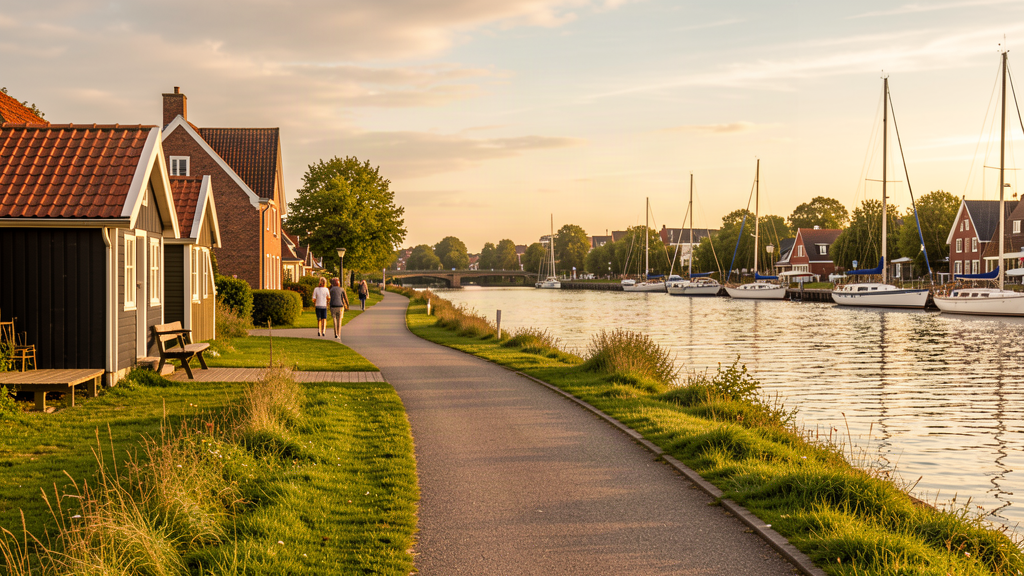
West of the fish-market bank, the Elbe path loosens. Övelgönne keeps fisher and captain cottages, low restaurants, and the Museumshafen with historic ships along the shore. Ferry 62 is the lazy way if you want water under you; bike or foot keeps the grade honest. Strand strips appear where tide and season allow. Not wilderness, more Hamburg’s habit of leaving a softer edge after the container geometry.
I walk Övelgönne when the Sunday market has spent my patience. The pace drops. You watch river traffic without queuing for a roll. Pair it with the Balkon earlier and you get overlook and waterline on the same river. Jenischpark sits further west if you still want lawn instead of market cobble.
Getting around without the cruise script
Base near Altona station and let the network work. S-Bahn ties Altona to Hauptbahnhof, the airport (S1), and harbor-edge stops. Bus 112 helps with Elbberg and the slope. StadtRAD and hotel bikes suit the bank path and Ottensen grid. A car is mostly a parking tax.
One full day west: Balkon at morning or late light, Ottensen coffee and a Rainstraße wander, Eisenstein or simpler fish for supper, sleep without crossing half the city. On Sunday, reverse it — market first while half asleep, Balkon after for perspective, Övelgönne when stalls pack up. Speicherstadt and the Elphi can wait for another morning.
Places to Stay
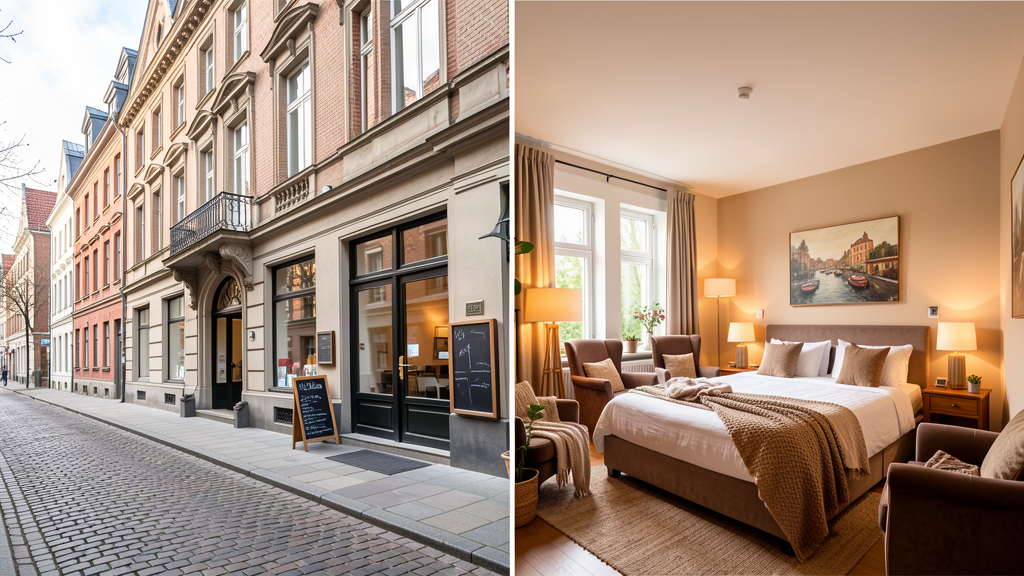
Schanzenstern Altona (value, Ottensen core) Kleine Rainstraße 24-26, 22765 Hamburg Organic-leaning small hotel a few minutes on foot from Altona station, quiet courtyard behind the street, singles and doubles plus larger rooms and simple apartments. Bike-friendly, regional breakfast, weekday lunch if you want to stay in. This makes Ottensen your default loop instead of a day trip from Hauptbahnhof hotels.
B&B Hotel Hamburg-Altona (practical mid budget) Stresemannstraße 318, 22761 Hamburg Straightforward modern rooms near S-Bahn Ottensen, soundproof windows, desk open around the clock, paid parking if you insist on a car. You trade boutique charm for predictable price and a short hop into the café streets or down toward the Elbe. Clean and simple without a Reeperbahn address.
Landhaus Flottbek Boutique Hotel (higher comfort, green west) Baron-Voght-Straße 179, 22607 Hamburg Calmer house toward Othmarschen and Flottbek if your days tilt to Övelgönne, Jenischpark, and the softer bank rather than nightly Ottensen bars. S-Bahn Othmarschen keeps the city reachable; evenings feel residential. Choose it when someone wants quiet sleep after harbor days.
Confirm Sunday breakfast hours if you are racing the fish market — some kitchens start after the best stall light is gone.
Restaurants and food
Café Knuth Große Rainstraße 21, 22765 Hamburg Neighborhood coffee behind the Mercado area: morning pastry, cream in the coffee if that is your habit, a table for planning the walk to the Balkon. Ottensen reset, not a destination dinner.
Restaurant Eisenstein Friedensallee 9, 22765 Hamburg In the old Zeise propeller halls with the cinema next door. Pizza is the local draw; the room keeps industrial height without turning into a theme park. Reserve by phone when you can. Dinner that keeps you in Ottensen after dark.
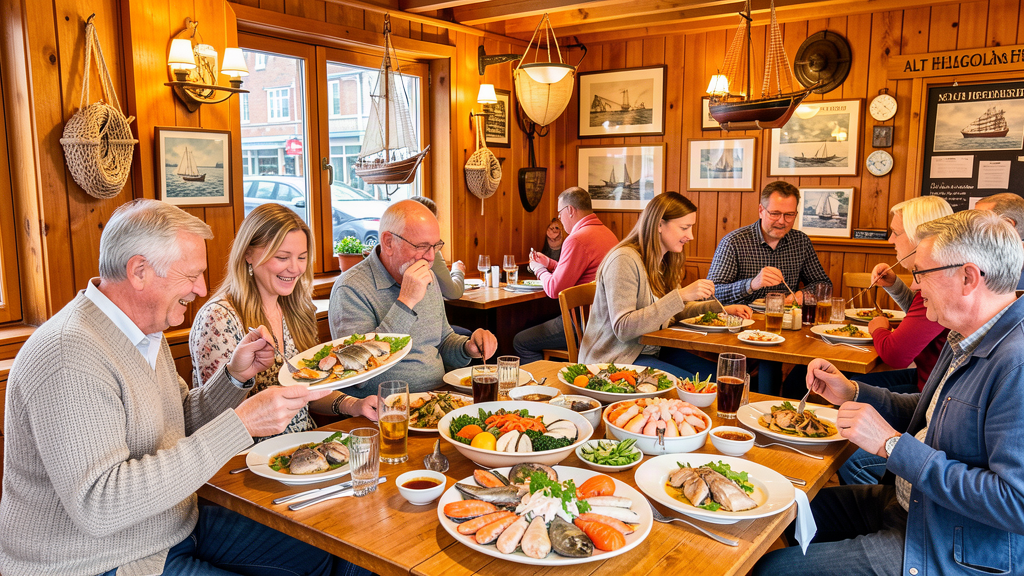
Alt Helgoländer Fischerstube Fischmarkt 4c, 22767 Hamburg Fish house on the market edge since the early 1980s — Pannfisch and North Sea plates, terrace noise when the stalls are live, maritime rooms without a yacht budget. Proper sit-down after one standing sandwich at dawn.
Carry some cash for smaller market vendors. Drink water on the climb back to the Balkon — the slope feels longer after two fish rolls than the map admits.
A slow west-Elbe day
Start on the Altonaer Balkon while the containers still look sharp. Drop to the water on a Sunday if the calendar allows, or walk Große Elbstraße on a weekday when restaurants matter more than criers. Climb back into Ottensen for coffee on Rainstraße and a look through Zeisehallen. Sleep near Altona so the next morning is river again, or one deliberate train toward the postcard harbor.
Hamburg’s west side does not cancel the Elbphilharmonie. It just keeps one plaza from defining a port city that still wakes for fish, tide, and work. Stand on the Balkon once with a paper cup of coffee. From up there the rest of the map is easier to read.
