
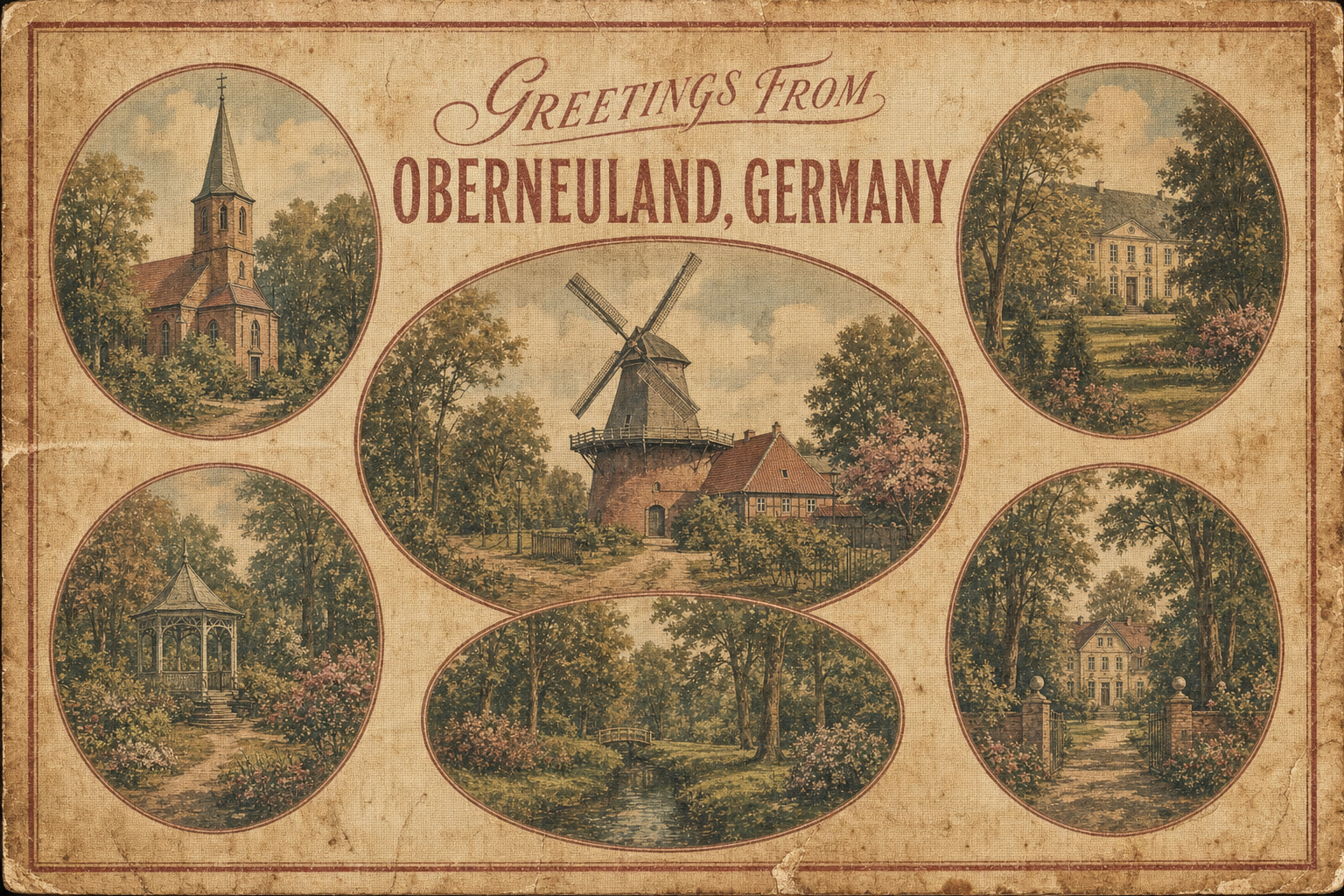
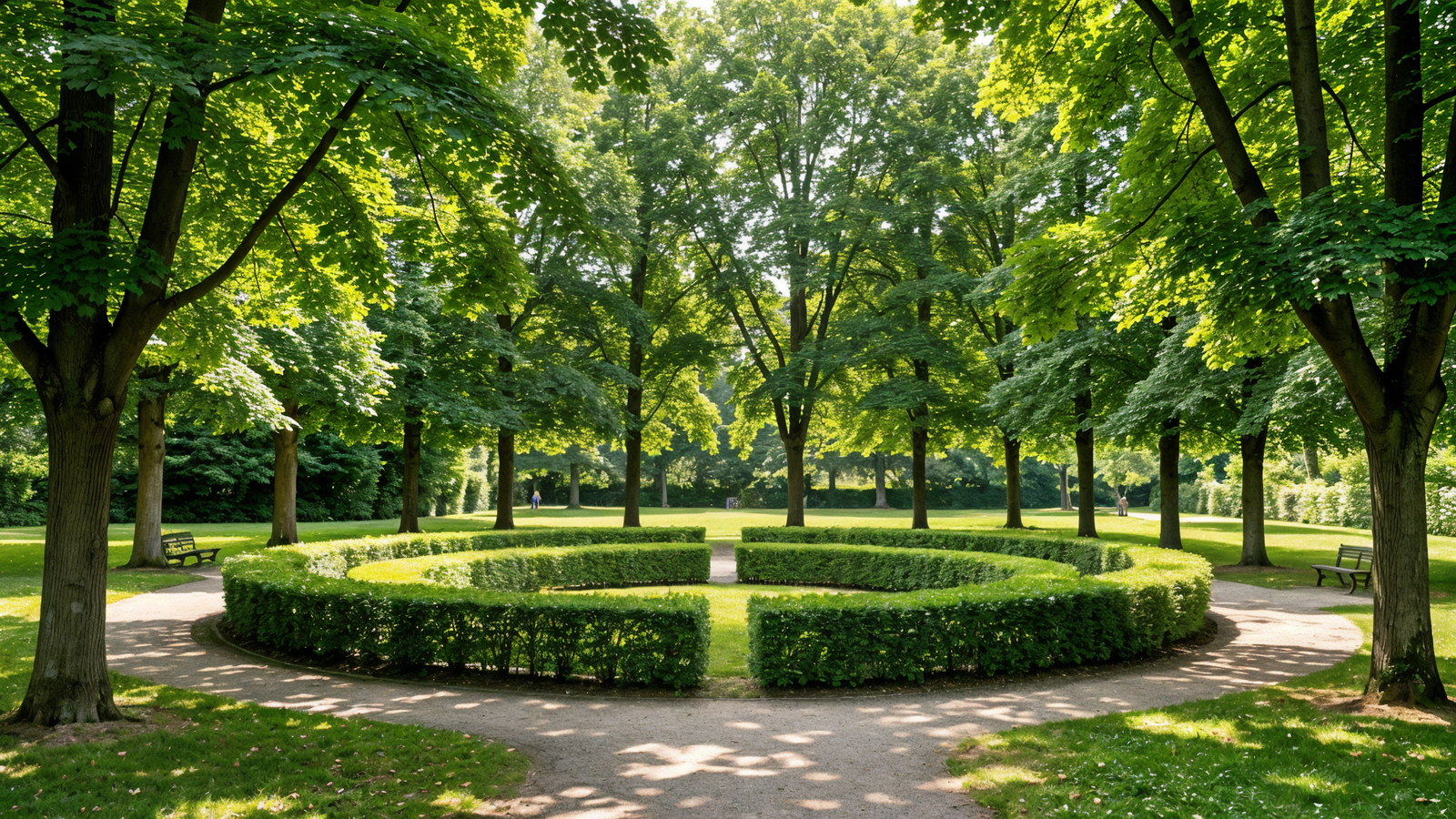
Most people who treat Bremen as a day trip never leave the Marktplatz orbit. Oberneuland sits on the city’s northeastern edge, past Horn, where the map softens into old merchant parks and dikes that still hold the Wümme. I come here when I want Bremen’s green money history without a ticket queue. The first stop is not a café. It is the hornbeam theater at Heinekens Park: a six-meter Hainbuchen rondel from around 1770, cut with arched openings like a green room waiting for a play, and the flat light beyond it toward the meadows.
Stand inside that oval on a weekday morning and you get the layout at once. Traffic on Oberneulander Landstraße fades. Behind the manor line the Wümmeniederung opens east, toward cows and drainage ditches Dutch settlers began ordering in the twelfth century. “Oberes neues Land” is a drainage story that stuck as a place name.
Merchant parks along the Landstraße
Oberneuland was never a port district. In the late 1700s, Bremen merchants with Atlantic trade money built summer houses on long field strips above the fleets. English landscape taste replaced baroque plots. What you walk now is the public remainder of those estates: Heinekens Park, Höpkensruh with Muhles Park beside it, Ichons Park across the road, and further on Gut Hodenberg, which still feels more private.
Heinekens Park is the easiest first stop. The hedge rondel still faces the Landstraße; white benches inside make the oval usable, not just something to photograph. Three stone figures after Danish models remain from the Schumacher years, when the owner spent time as an envoy in Copenhagen. The manor and Hofmeierhaus sit under protection. A path slips out the back into fields and horse pasture. Forty minutes if you are only passing; longer if you like trees that predate your grandparents.
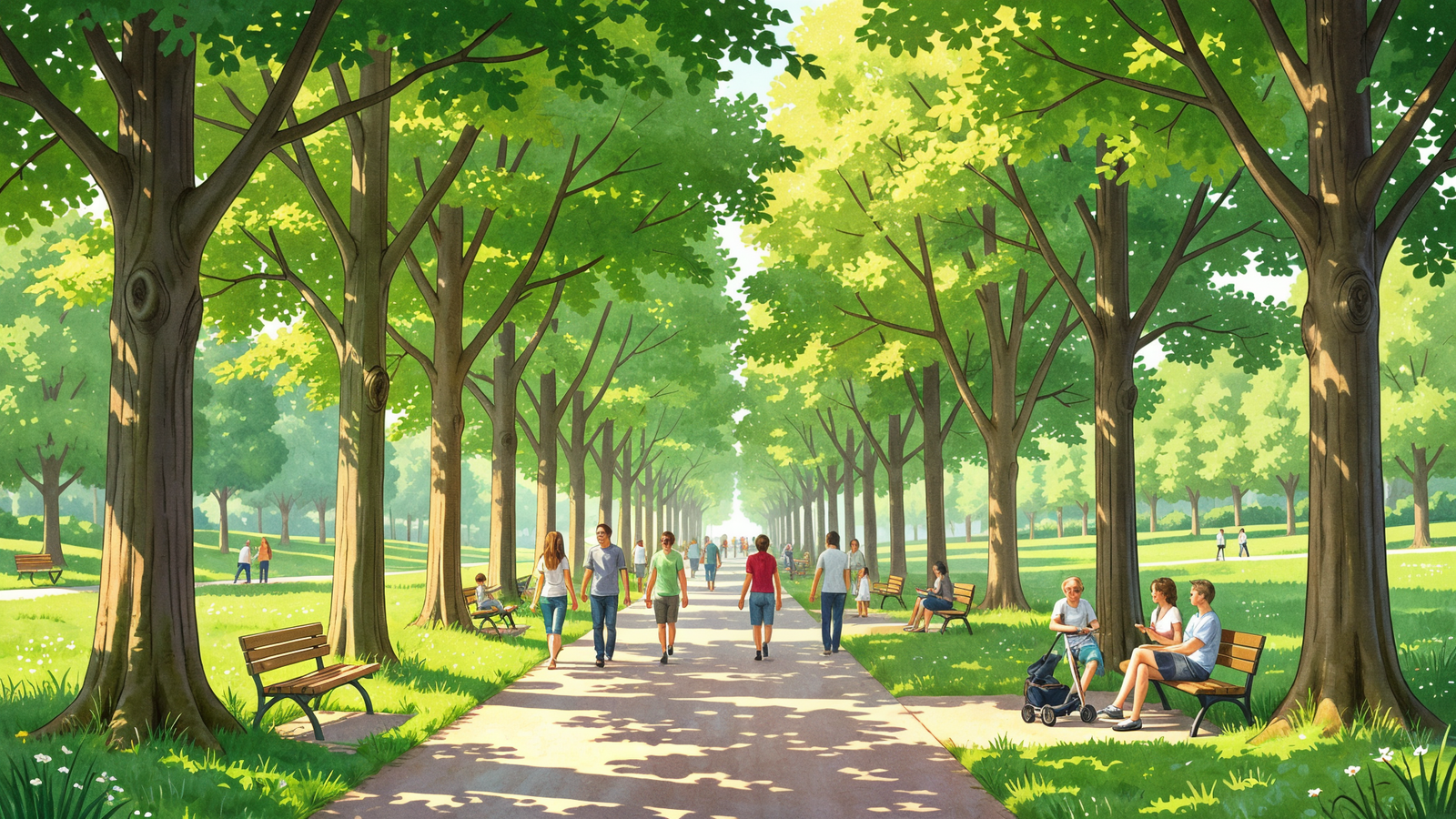
A short walk along Oberneulander Landstraße brings Höpkensruh, Bremen’s oldest surviving English-style landscape garden open to the public. Johann Höpken and his brother bought the estate in 1859; the city opened it in 1893 under the donor’s terms. White bridges, ponds with small islands, sightlines through old oak and beech, and a stone grotto from around 1800 still set the mood. The Linnaeus Obelisk (damaged in the war, restored in 1977) remembers naturalists rather than admirals. Muhles Park runs almost as a continuation: longer, simpler, more meadow. Together they read as a neighborhood lung with history plaques, not a branded destination.
Ichons Park sits smaller across the way, classicist Landhaus Caesar-Ichon included. You do not need every estate on a list. The rhythm is enough: villa frontage, park depth, agricultural edge. On a grey Tuesday the paths belong to dog walkers and runners who know which bridge gets icy first.
Mill, farmyard, Wümme edge
Rockwinkler Landstraße feels different underfoot. The Oberneulander Mühle, a gallery hollander from 1848, is still the district landmark and a Focke-Museum outpost. Inside, the permanent story runs “from grain to bread” with the original stone floor underfoot. When the sails turn and the air smells of dust and wood, Oberneuland feels closer to a village that got annexed than to a landscaped suburb.
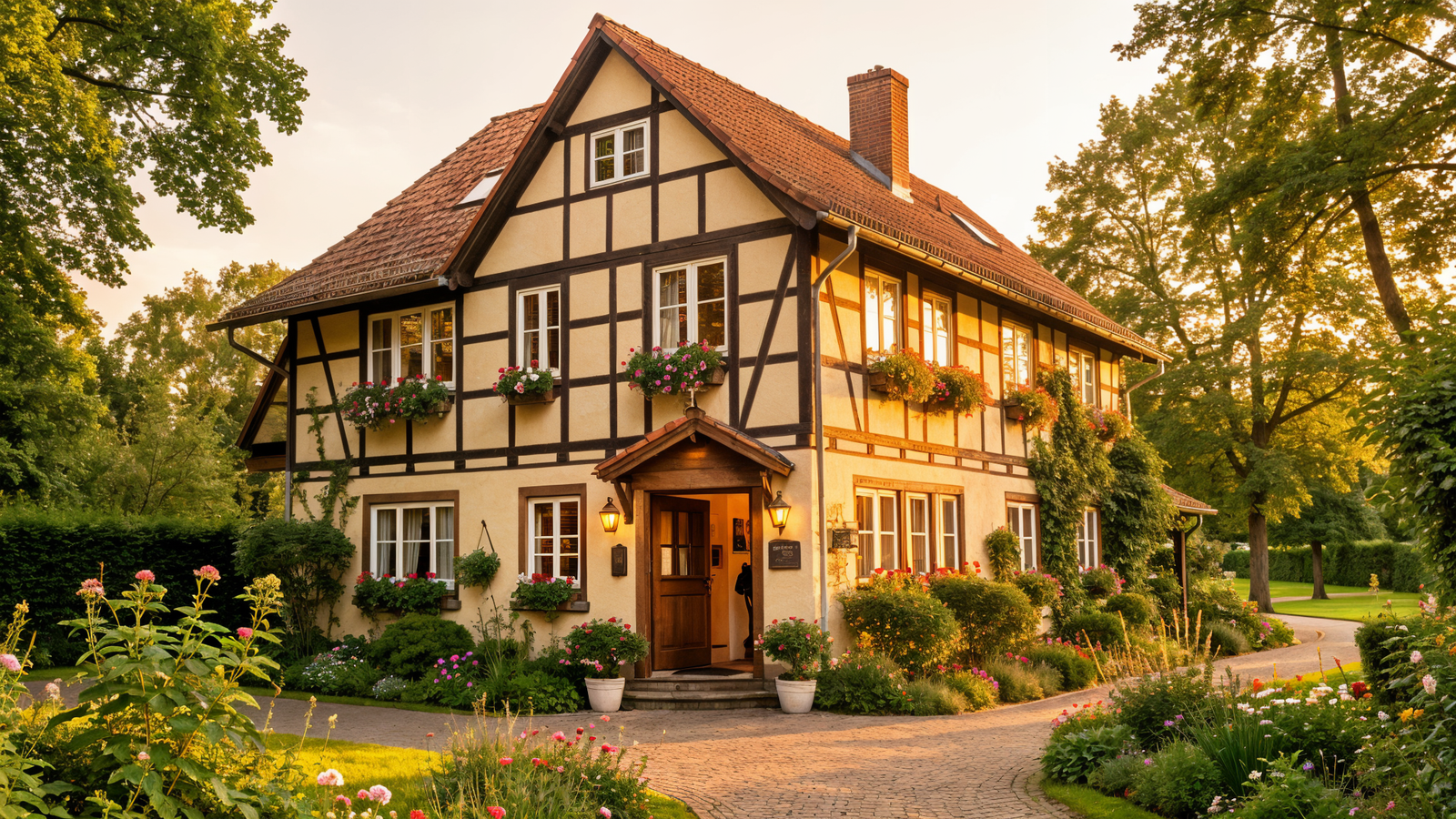
Nearby, Lür-Kropp-Hof keeps the Low German hall-house scale. Meta Rödiger, last of the Kropp line, left the farm to the city; part of the land became public park and the Meta-Rödiger trail. Couples still marry in the Hochtiedshuus on site. The Bremer Imkerverein keeps a teaching apiary here. Walk the yard, notice the timber, keep moving toward the fields along Franz-Schütte-Allee.
In spring that strip can flush purple with massed crocuses. Locals talk about a million blooms the way other cities talk about cherry weeks. I treat the number as folklore and the color as fact. Further out, AchterdiekPark occupies former private-zoo ground that went bankrupt in the 1970s; volunteers turned the mess into a nine-hectare everyday park with water left from the animal era. Not elegant like Höpkensruh. Useful, and that is enough.
When you want water that moves, follow paths toward the Hodenberger Deich and the Oberneulander Wümmeniederung. The protected lowland is ditches, reeds, pasture, and sky. Bikes fit better than cars. Bring a layer even in June; wind off the Wümme does not care what the Hauptbahnhof forecast said.
Gut Hodenberg, at Oberneulander Landstraße and Hodenberger Straße, is older and more enclosed: moated manor core, Roselius landscape work from 1906, a natural theater still used for open-air performance, foundation ownership rather than a simple city lawn. Not a casual cut-through. If you get a concert invitation, go. Otherwise respect the gates and stay with the public parks.
A slow Oberneuland day
I start at Bahnhof Bremen-Oberneuland or a 33/34 bus stop, walk the Landstraße parks before lunch, then swing to the mill and Lür-Kropp if legs allow. Afternoon belongs to the dike or a second loop through Höpkensruh when the light softens. The Dicke Eiche festival ground at the east end of Rockwinkeler Heerstraße is a local gathering marker more than a tourist site; check whether anything is on before you detour for an oak alone.
Skip the checklist habit. Two parks and a coffee already beat a rushed east-Bremen circuit that bolts on the Rhododendronpark in Horn as if it were the same neighborhood. What stays with me here is smaller: hedge rooms, farm timber, and an edge of the city where cows still outnumber souvenir stands.
Places to Stay
Behrens-Hof (budget-friendly, family guesthouse) Auf der Heide 54, 28355 Bremen A small, family-run house with garden views, free parking, and quiet that matches park walking better than a downtown business hotel. Seven rooms, dogs welcome, short hop to the A27 and the golf club. You sleep in Oberneuland proper, not on a ring-road strip. Fine when you travel light and want breakfast without lobby theater.
Gästehaus Höpkens Ruh (mid-range, park-side) Oberneulander Landstraße 69, 28355 Bremen Rooms tied to the Höpkensruh grounds and event house, some with balcony and green outside the window. Book when the guesthouse is open for stays (often alongside venue use); confirm directly rather than trusting a random OTA snapshot. You wake inside the main park walk this piece covers.
ATLANTIC Hotel Galopprennbahn (upscale comfort, short hop east) Ludwig-Roselius-Allee 2, 28329 Bremen Fuller service beside the racecourse in neighboring Vahr, a short bus or drive from Oberneuland’s parks when you want a proper desk, reliable restaurant, and four-star quiet after muddy dike shoes. Not village-scale lodging. A solid upscale base when one traveler wants Höpkensruh by day and a polished room by night.
Weekdays outside holiday weeks keep the guesthouses calmer. A Tuesday among the hornbeams beats a packaged “green Bremen” weekend sold from the Hauptbahnhof.
Restaurants and food
Oberneulander’s Oberneulander Landstraße 43, 28355 Bremen The neighborhood restaurant near the church line, with warm rooms, a changing midday table, and kitchen hours that usually run straight through from noon. Locals use it for ordinary evenings and small celebrations. Tuesday is the rest day; plan around that. Come for seasonal plates and a glass of wine without turning dinner into a project.
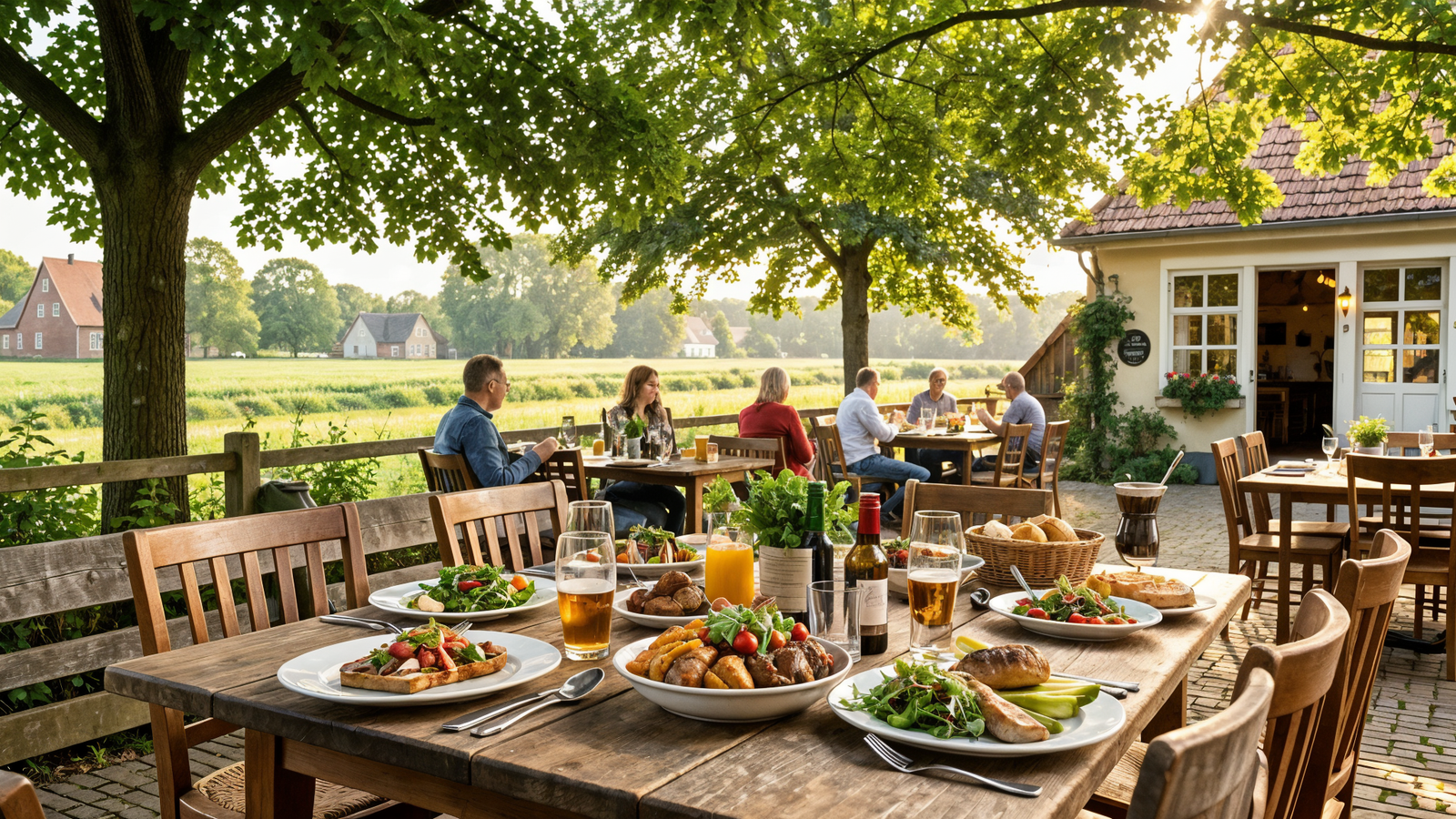
Wohnküche – Landhaus am Deich Am Hodenberger Deich 41, 28355 Bremen Thatched landhouse on the dike where Hodenberger Diele used to operate. Brunch, cakes, burgers, and colder-month game dishes depending on the board; terrace and garden when the weather holds. Good after a Wümme walk when you want soup and a seat, not a scene. Check hours before you count on a quiet Monday.
GREENS / Clubhaus by ODMANs at Golfclub Oberneuland Heinrich-Baden-Weg 23, 28355 Bremen Clubhouse kitchen with a fairway view: seasonal plates, midday card, dinner calmer than the city center. You do not need to play eighteen holes to eat here, but booking helps on fair weekends. Useful after Heinekens Park when you want a proper plate and grass still in view.
Bakeries along the main streets handle practical hunger between parks. Drink coffee or a northern pils. Save the cocktail hunt for somewhere that needs one.
Getting there and around
From Bremen Hauptbahnhof, regional trains stop at Bremen-Oberneuland in roughly ten to fifteen minutes; Metronom and local lines share the corridor toward Hamburg. Buses 33 and 34 cover Oberneulander Landstraße and Rockwinkeler Heerstraße from the Horn side (same spine, different middle stretch between Apfelallee and Mühlenfeldstraße). VBN tickets cover both. Drivers take the A27, exit toward Oberneuland / Horn, and park once.
A bike is the right tool for dike and mill in one afternoon. Foot works for Heinekens–Höpkensruh–Ichon alone. Paths can be root-heaved and wet after rain; shoes with grip beat nice city soles. Even in summer, pack a layer for the Wümme wind.
I leave Oberneuland the way I entered the hedge theater: one more pass under the hornbeam arches, then back toward the Landstraße and the train. Bremen’s market square will still be busy. The green room and the white bridges are what I take home.
