
Guides to lesser-known towns — markets, rivers, neighborhoods, food, and where to stay — written for travelers who skip the template itinerary.
-
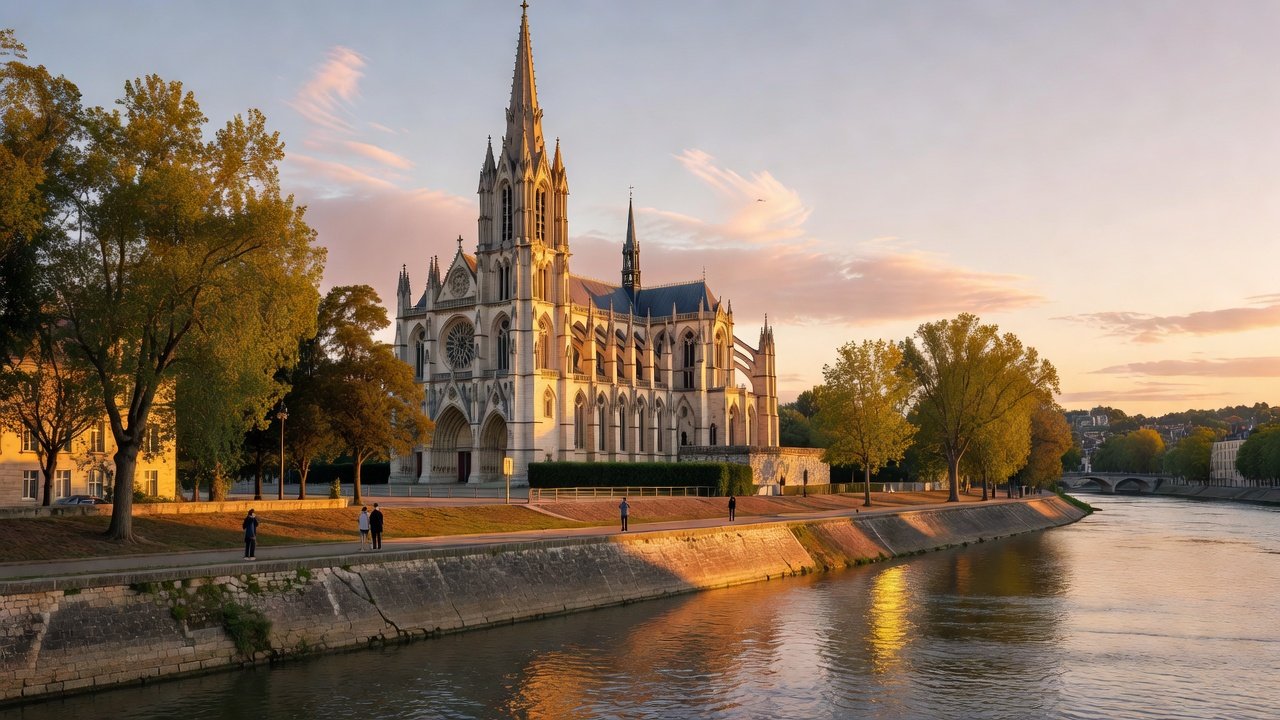
Along the Marne in Meaux’s Riverside Quarter
Along the Marne in Meaux’s Riverside Quarter The train from Paris pulls into Meaux station with the usual suburban rattle, but step outside and the Marne river immediately pulls you in a different direction. The water here moves slowly, lined with plane trees and the occasional fisherman casting a line from the bank. Unlike the more famous stretches closer to Paris, this part of the Marne feels lived-in rather than manicured. Locals walk their dogs along the towpath, kids ride bikes to school, and the occasional barge chugs by…
-
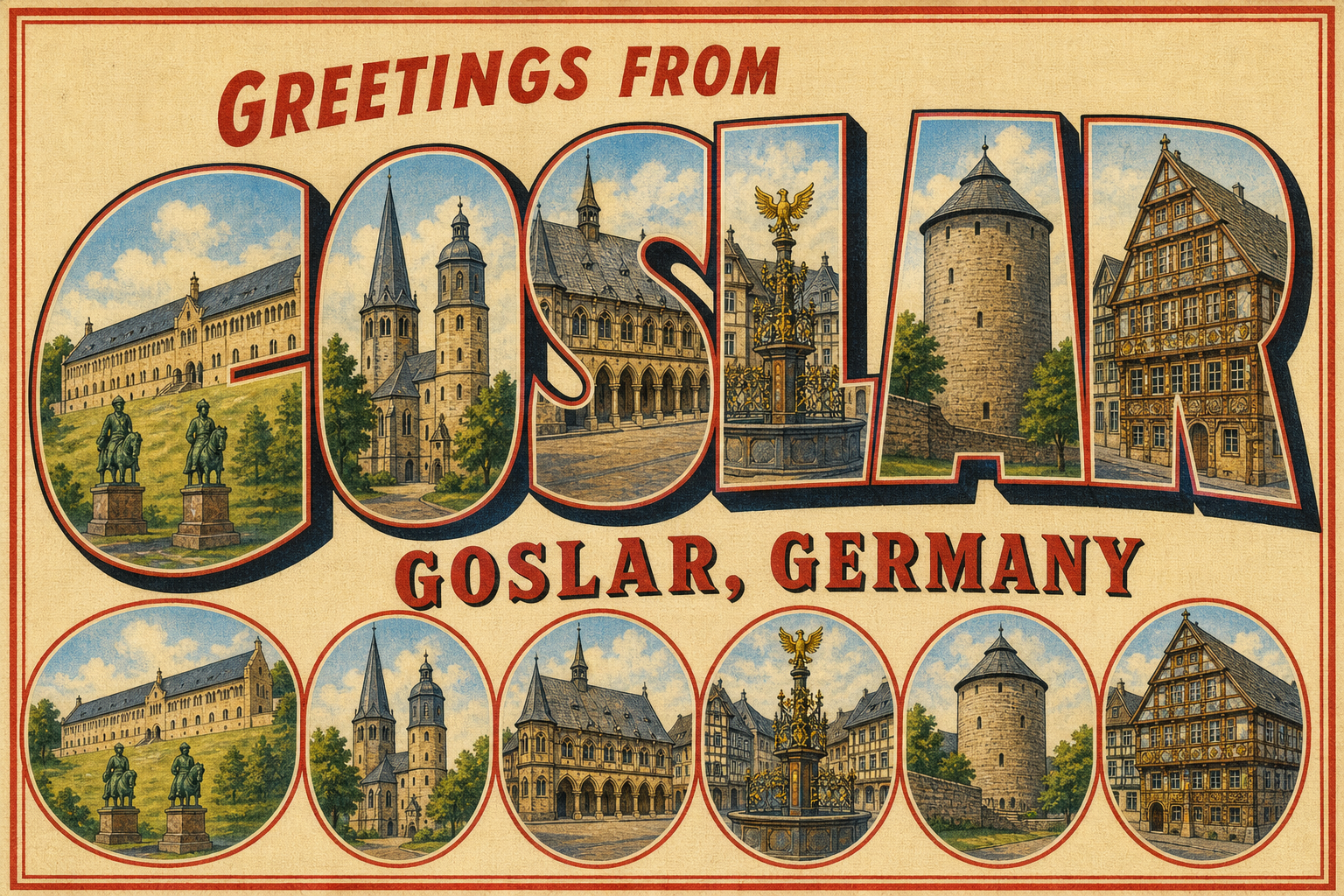
Mill wheels keep the Gose loud on An der Abzucht in Goslar
Most people pin Goslar on a half-day UNESCO loop. Marktplatz clock, Kaiserpfalz photo, maybe a mine ticket if the German tour lines up. That works if silver history is the whole errand. It skips the older water story still running through the Altstadt: the Gose and its mill race, the Abzucht, slate fronts that never turned into a theme park, and a mountain that once paid for every carved beam. I start when An der Abzucht is still wet and quiet. Walk the Gose past mill wheels and half-timber backs,…
-
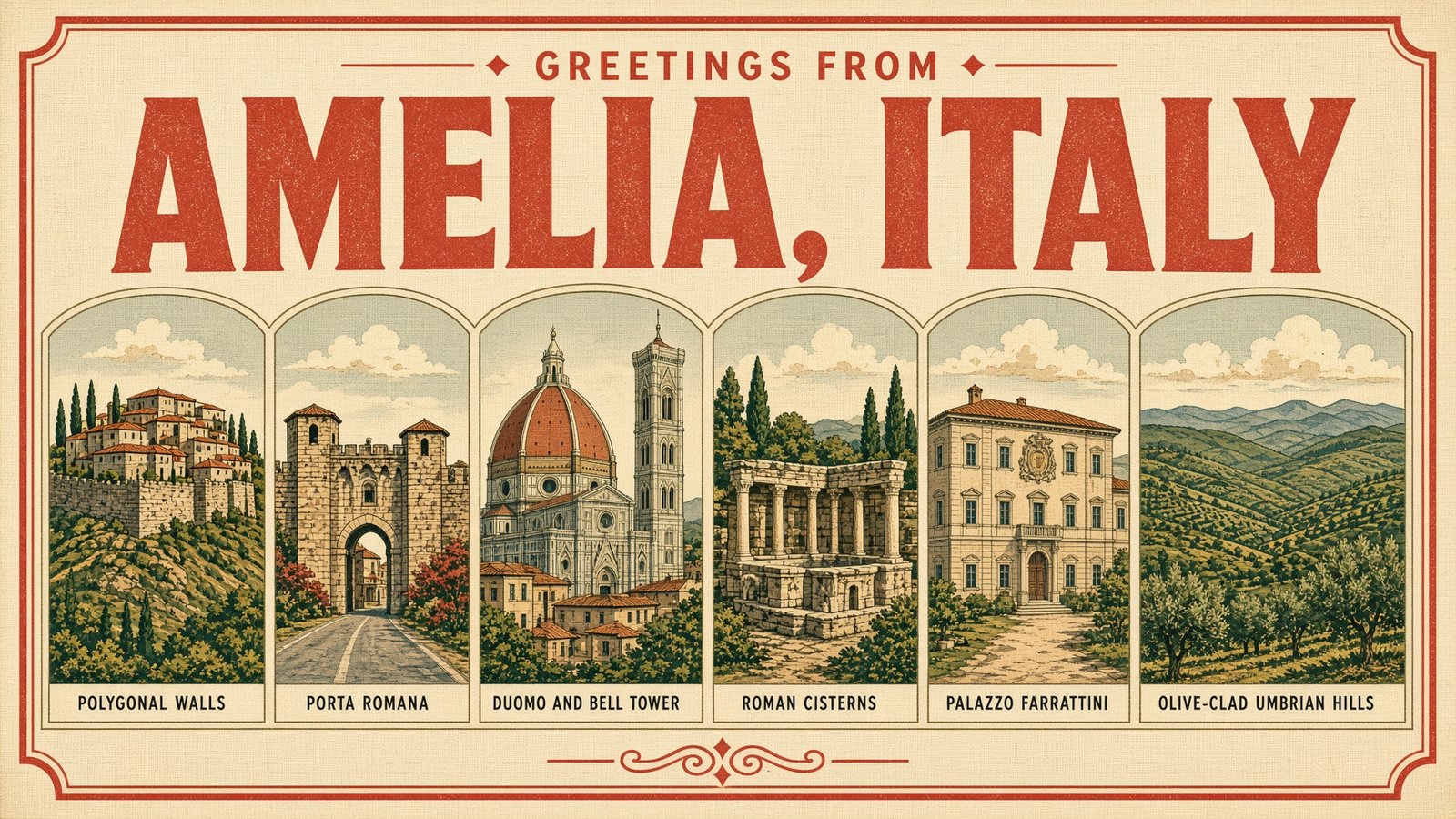
Megastones Without Mortar at Porta Romana, Amelia
Amelia does not apologize for looking older than the brochure circuit. Before you even park, the walls announce it: irregular blocks the size of furniture, stacked dry, edges fitted with a patience that makes modern concrete look impatient. This is not a pretty curtain wall for photographs. It is pre-Roman work still standing in the Amerino hills. I came south from the usual Umbrian ridge list expecting a quiet lunch between Narni and Todi. What I found was a hill town less curated than its famous neighbors: cyclopean masonry, Roman…
-
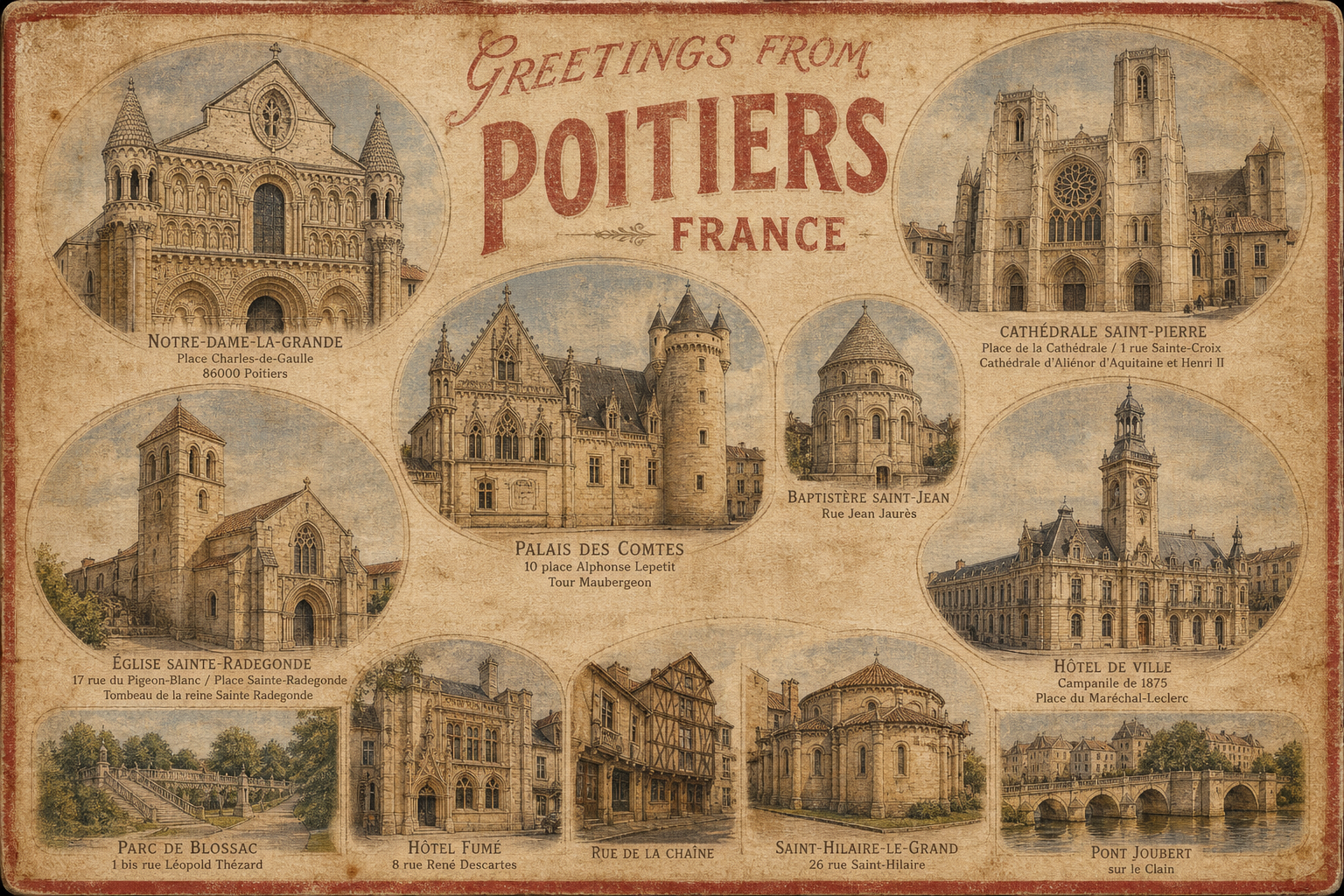
Feet in the Sand at Guinguette Pictave in Poitiers
Most people who pass through Poitiers are going somewhere else. Futuroscope is north of town. The TGV stops, bags roll, and the plateau gets a glance from the window. Fair enough. This is not a city that dresses up for visitors. What it does have, if you stay long enough to walk downhill, is a strip of sand on the Clain where locals put their feet in the evening and let the week go slack. That strip is Îlot Tison. The bar is Guinguette Pictave at 5 Chemin de Tison.…
-
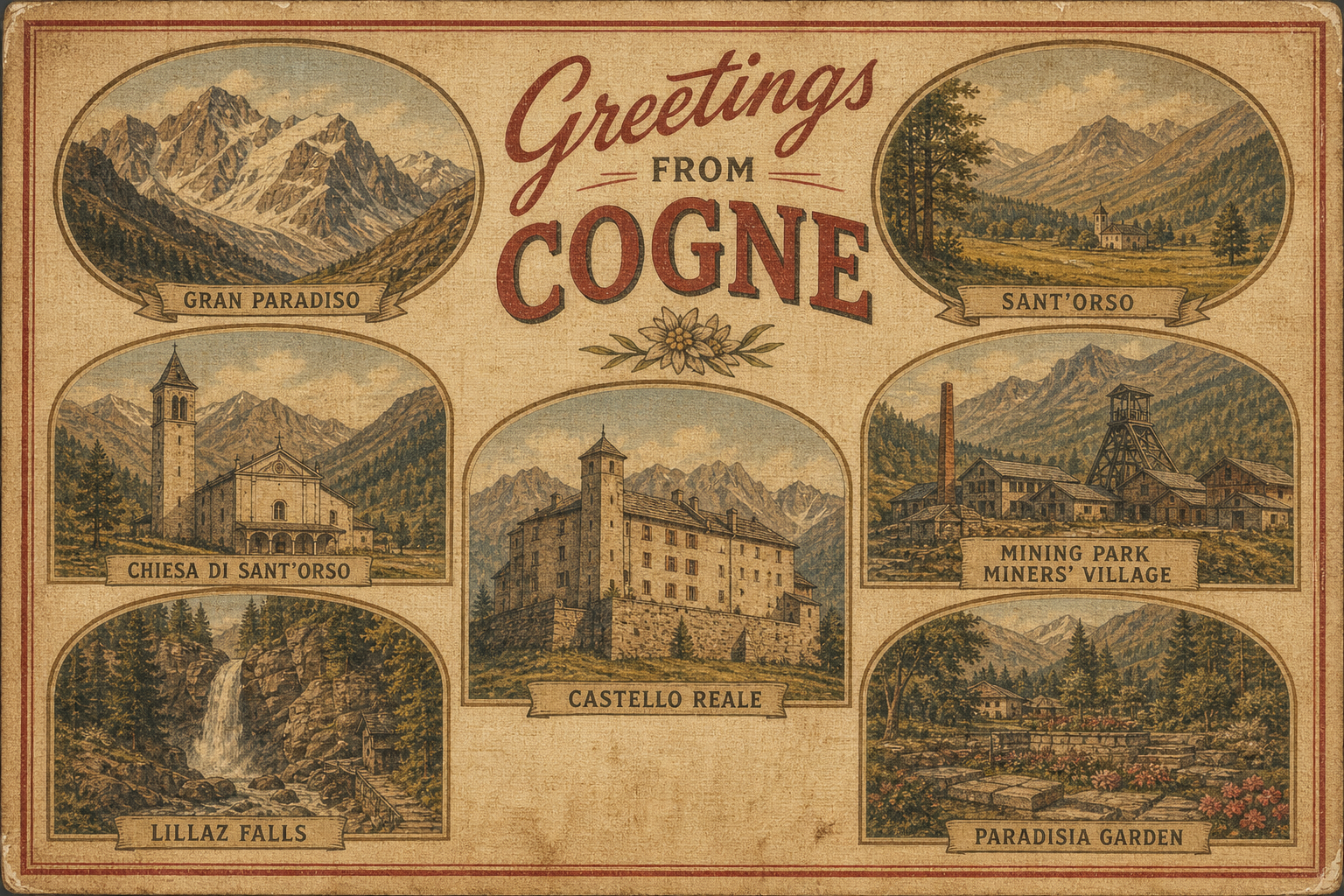
Morning on the Sant’Orso Meadow in Cogne
The first thing that settles you in Cogne is not a church spire or a lift map. It is a flat green field between the village and the mountains. The Prato di Sant’Orso sits at the edge of town, a wide alpine meadow with Gran Paradiso and its glacier country stacked behind it. In the early hours, before day walkers fill the paths toward Valnontey and Lillaz, the grass holds dew and the air smells of cold water and cut hay. You hear boots on gravel, a dog, maybe a…
-
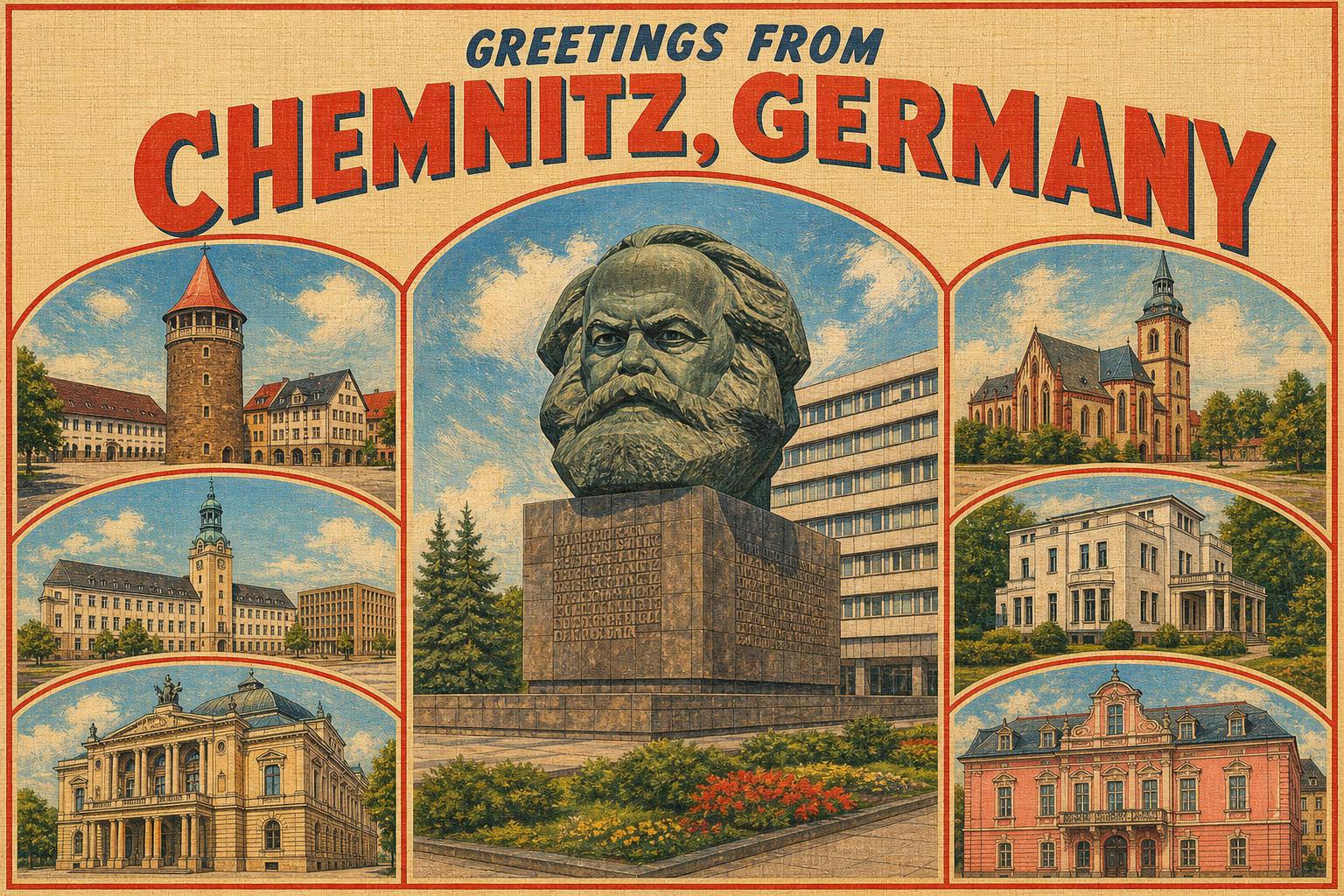
Gründerzeit courtyards on the Kaßberg in Chemnitz
Most people treat Chemnitz as the industrial stop between Dresden and Leipzig, or as the city with the giant Marx head. Fair if you only have a platform change. I leave the station and climb west instead, up to the Kaßberg, where Gründerzeit and Jugendstil blocks sit about thirty meters above the river. Laundry lines still cut the courtyards. The street grid feels lived-in. Chemnitz is Sachsen’s third-largest city after Leipzig and Dresden. From 1953 to 1990 it was Karl-Marx-Stadt. The Nischel still watches Brückenstraße. I still start on the…