Along the Marne in Meaux’s Riverside Quarter
The train from Paris pulls into Meaux station with the usual suburban rattle, but step outside and the Marne river immediately pulls you in a different direction. The water here moves slowly, lined with plane trees and the occasional fisherman casting a line from the bank. Unlike the more famous stretches closer to Paris, this part of the Marne feels lived-in rather than manicured. Locals walk their dogs along the towpath, kids ride bikes to school, and the occasional barge chugs by carrying gravel or wine.
I came here on a weekday in early summer, expecting the usual cathedral-and-cheese stop but found myself lingering for two full days. The city rewards slow exploration, especially if you follow the river rather than the main tourist signs.
The River’s Quiet Pull
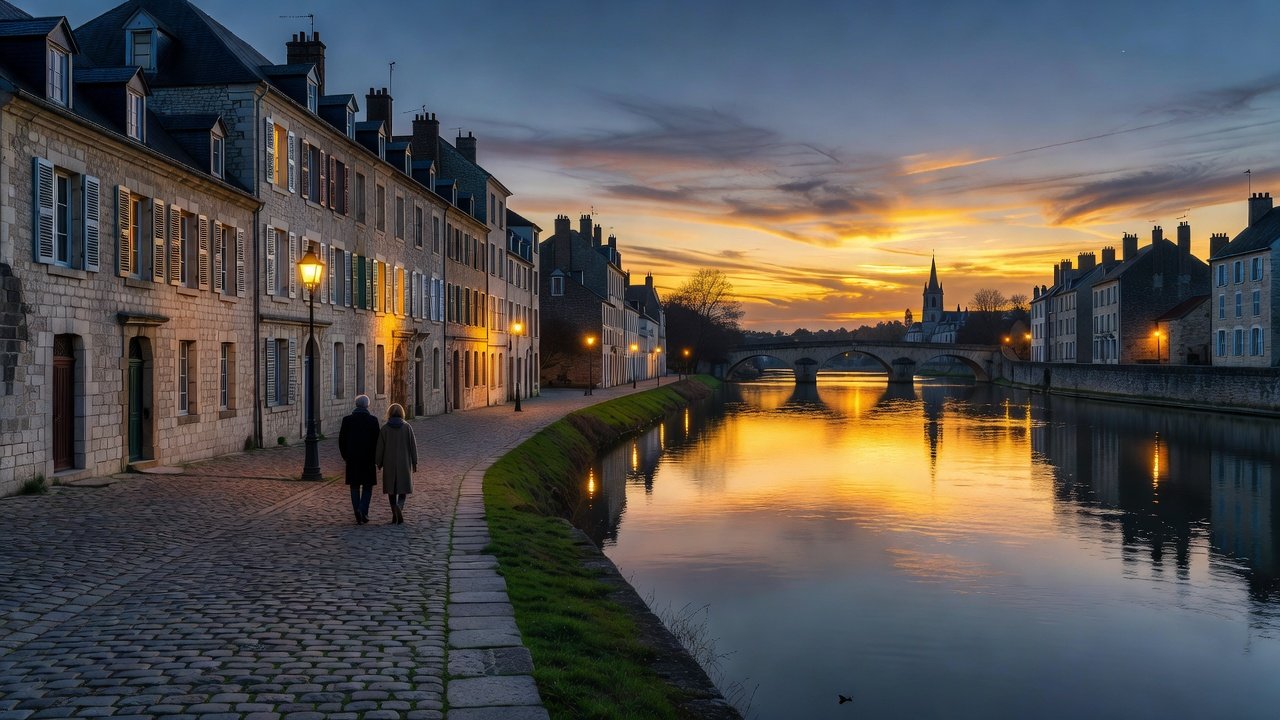
Start at the Pont de Meaux, the main bridge that divides the older quarter from the newer parts of town. From there, the path along the left bank heads downstream toward the old mills and warehouses that once powered the local economy. The water reflects the pale stone of the buildings and the occasional weeping willow. Early morning is best — the light is soft, mist rises off the surface, and you can hear the church bells from Saint-Étienne without the overlay of traffic.
One morning I followed the path for about three kilometers until it opened into a small park where families were having picnics. An older man was repairing a small wooden boat at the water’s edge. We chatted briefly about the river’s changes over the decades — how the commercial traffic has thinned but the fishing has stayed steady. He pointed out a heron that had claimed a favorite perch on a half-submerged log. These small encounters stick with you more than any monument.
The river also gives you a sense of the seasons. In spring the banks are full of wildflowers; by late summer the plane trees provide deep shade. It’s the kind of place where you can walk for an hour and feel like you’ve left the city behind, even though you’re never more than twenty minutes from the center.
Further along the towpath, near the old lock, the path narrows and you pass under a low railway bridge where swallows nest in the stonework. The sound of the water moving through the lock gates mixes with birdsong. On one walk I stopped to watch a barge maneuver through the narrow passage — the captain waved and the whole operation felt like a quiet ballet of ropes and engines. The Marne here still carries working traffic, which gives the river a purpose that many suburban waterways have lost.
Around the Cathedral and Old Streets
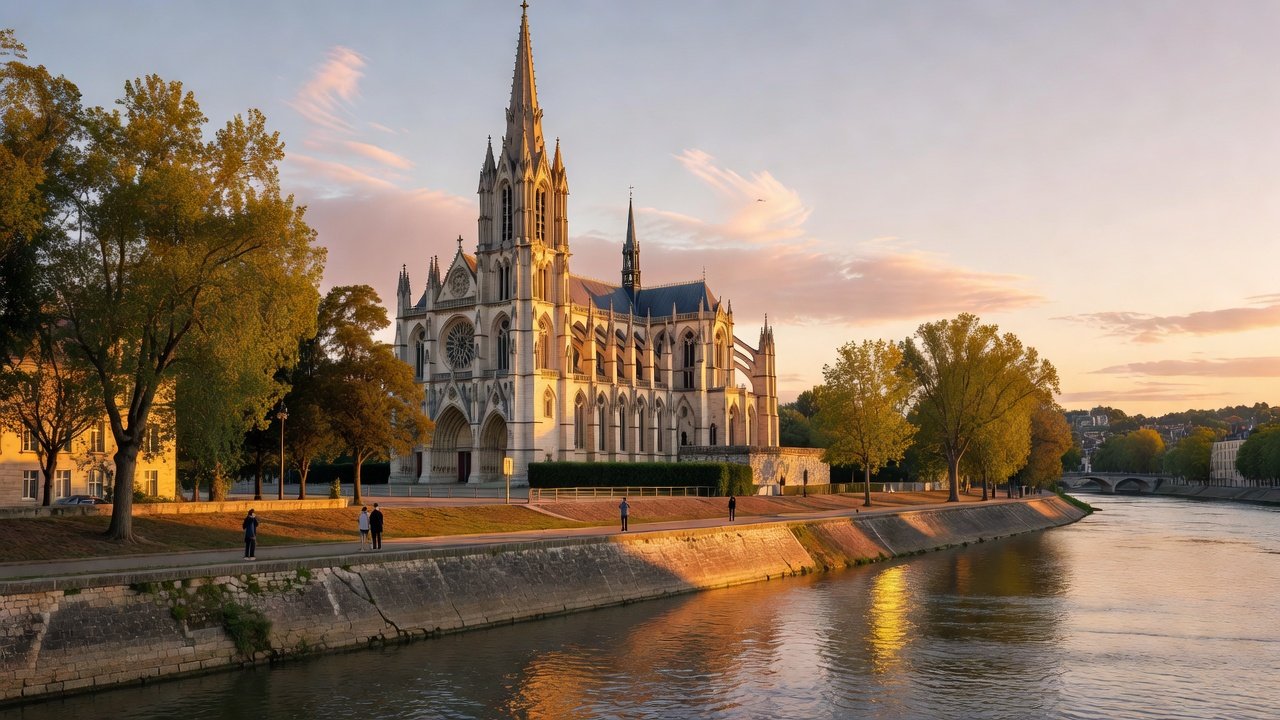
The Cathédrale Saint-Étienne sits just a few blocks from the river, its Gothic towers visible from most of the old town. The building itself is impressive but the surrounding streets are what make it worth the visit. Narrow lanes wind between half-timbered houses and small squares where old men play pétanque in the afternoon.
The Musée Bossuet, housed in the old episcopal palace next to the cathedral, offers a quiet look at local history without the crowds. One afternoon I spent an hour there looking at maps of the Marne valley from the 18th century. The staff was helpful and seemed genuinely surprised to have a visitor on a Tuesday.
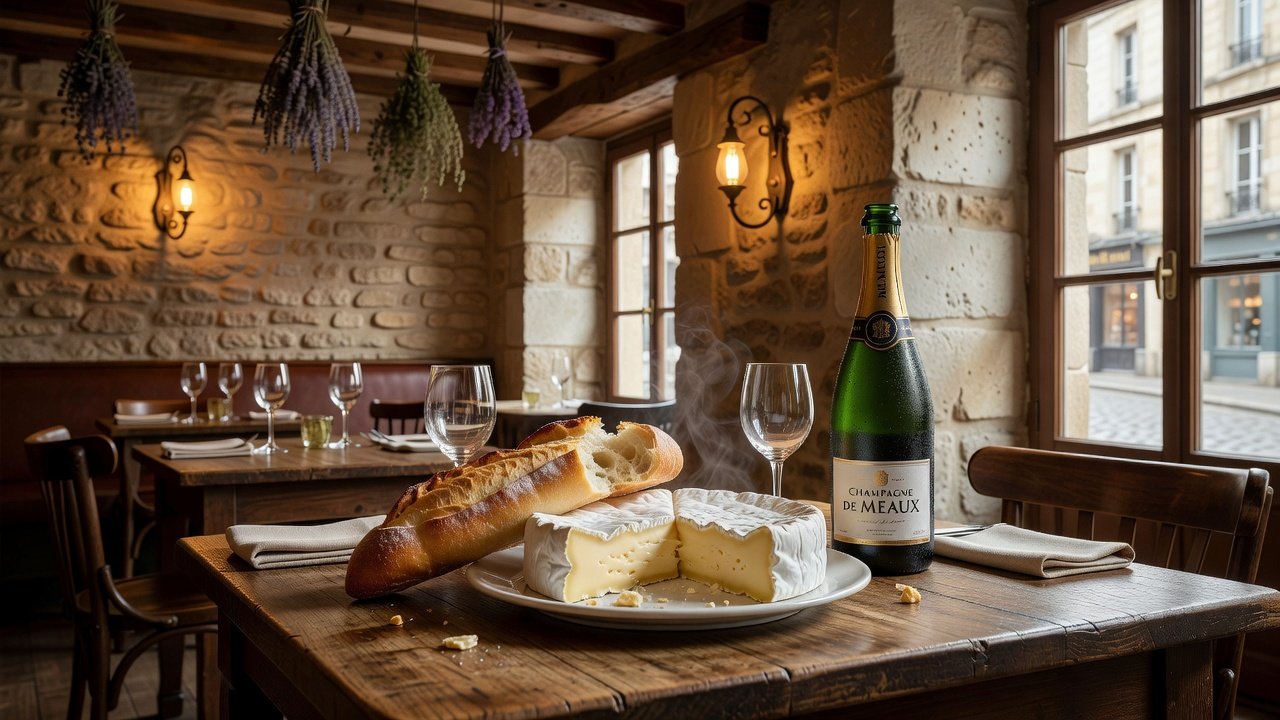
Beyond the cathedral, the old quarter still has working shops rather than tourist boutiques. A small fromagerie sells Brie de Meaux that has been aged properly — creamy but with the right bite. The shopkeeper wrapped my purchase in paper and gave me directions to a bench by the river where the view is best for eating it. Small kindnesses like that make the place feel real.
One afternoon I wandered the streets behind the cathedral into a residential area where laundry hung from balconies and the smell of cooking drifted from open windows. A woman was sweeping her doorstep and nodded as I passed. These ordinary moments give Meaux its texture — it’s not a museum piece but a working town with its own rhythms.
Local Flavors and Markets
Meaux’s food reputation rests on two things: Brie and mustard. The local mustard, once made by the monks and now produced by a handful of small makers, has a sharp, grainy character that pairs perfectly with the cheese. You can buy both at the weekly market that sets up near the river on Wednesday and Saturday mornings.
The market is not large but it is authentic. Farmers bring produce from the surrounding countryside, a couple of cheese makers have stalls, and there’s always someone selling fresh bread. I bought a small wheel of Brie and a jar of mustard one Saturday and ate lunch on a bench watching the boats. The mustard cut through the richness of the cheese in exactly the right way.
For dinner, the local restaurants lean toward traditional French cooking with an emphasis on river fish and seasonal vegetables. Portions are generous and the wine list usually features bottles from the nearby Champagne region. Nothing feels designed for Instagram — just solid cooking that locals actually eat.
One evening at the market I watched a vendor slice cheese for a regular customer, chatting about the weather and the upcoming village festival. The transaction felt more like a neighborhood exchange than a sale. Later I saw the same customer at a café, still carrying her cheese in a net bag. These small threads connect the market to daily life in a way that feels genuine.
Places to Stay
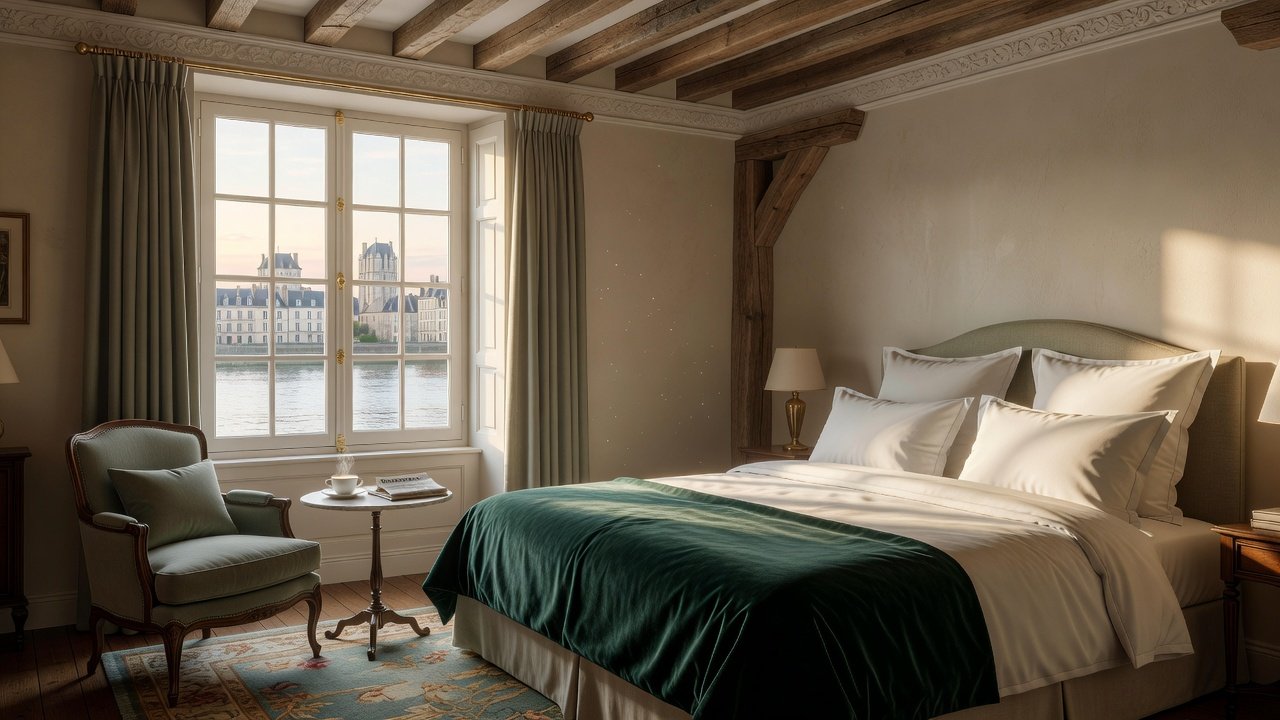
Meaux offers a range of lodging from simple to more comfortable, all within easy walking distance of the river and old town.
– Hôtel de la Sirène (budget-friendly option): 15 Rue de la Sirène, 77100 Meaux. A small, family-run hotel with clean rooms and a central location. The owner was happy to recommend a good bakery for breakfast and the rates stay reasonable even in peak season.
– Hôtel Ibis Meaux Centre: 46 Rue du Grand Cerf, 77100 Meaux. Reliable mid-range chain hotel with modern rooms and good soundproofing. Convenient for the train station and a short walk to the river path. Parking is available if you’re driving.
– Le Grand Hôtel de Meaux: 25 Rue du Grand Cerf, 77100 Meaux. A step up in comfort with larger rooms and a bit more character. The breakfast includes local cheese and the staff can arrange taxi service to nearby villages if you want to explore further.
Restaurants and Food
– Le Relais de Meaux: 12 Rue Saint-Nicolas, 77100 Meaux. Traditional bistro serving river trout and local Brie dishes. The atmosphere is relaxed and the prices are fair for the quality.
– La Table du Marne: 8 Quai de la Marne, 77100 Meaux. Riverside location with outdoor seating when the weather is good. Specializes in fish and seasonal vegetables. Reservations recommended on weekends.
– Chez Marcel: 3 Rue du Marché, 77100 Meaux. Small, neighborhood spot popular with locals. The menu changes daily based on what’s fresh at the market. Excellent mustard-based sauces.
Getting Around and Local Rhythms
Meaux is compact enough to explore on foot, especially if you base yourself near the river. The train station connects easily to Paris (about 45 minutes on the Transilien), making it a good base for day trips or a quiet overnight after seeing the capital. Local buses run to nearby villages if you want to venture further into the Brie countryside. Renting a bike is also straightforward — several shops near the station offer rentals by the day, and the towpath is flat and well-maintained.
The town has a gentle evening pace. After the market closes, the cafés along the river fill with locals unwinding over a glass of wine or a coffee. The light lingers long in summer, and the sound of the water carries through the open windows. It’s the kind of place where you can sit for an hour without feeling the need to move on.
Meaux rewards the traveler who is willing to slow down and follow the river rather than checking off sights. The Marne provides a natural thread that connects the cathedral, the market, and the quiet residential streets. Two days here felt like the right amount of time to get a sense of the place without rushing. If you’re passing through the Île-de-France region and want something quieter than the usual day trips, the riverside quarter of Meaux is worth the detour. The cheese and mustard are excellent too, but it’s the unhurried pace along the water that stays with you.