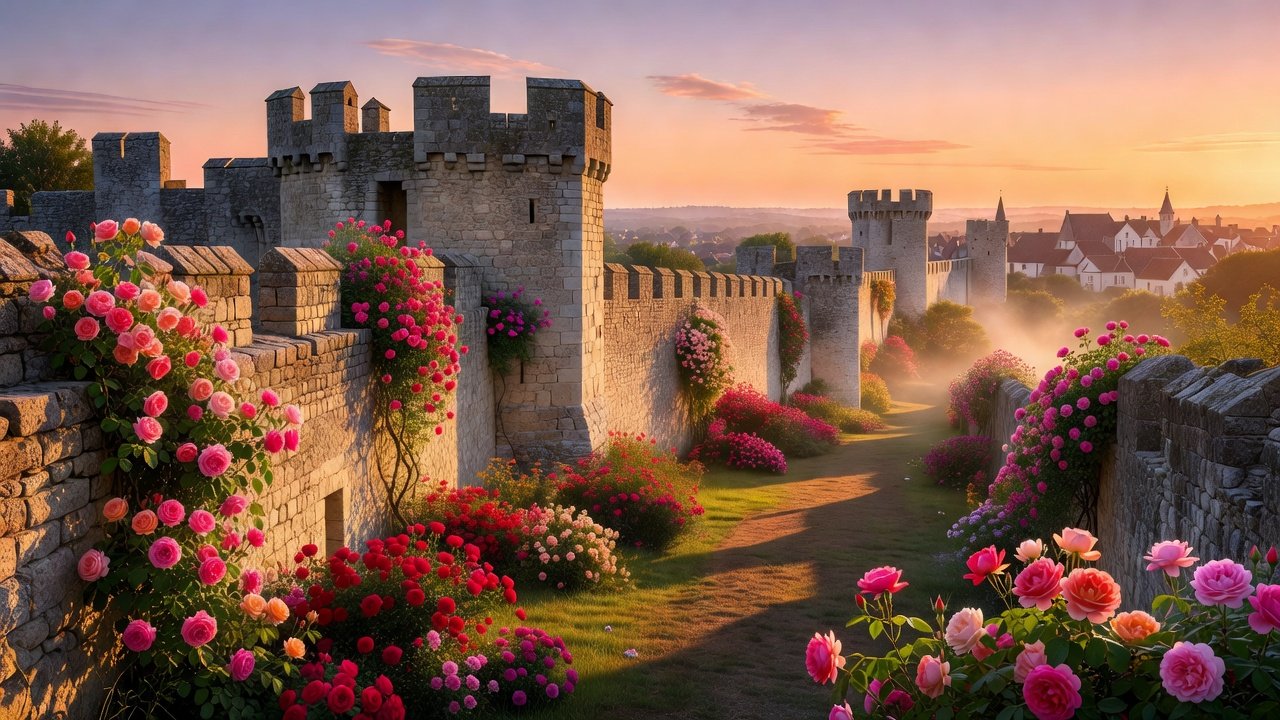
Roses and Ramparts: Local Paths in Provins
The train from Paris empties out at Provins station, and most passengers head straight for the shuttle or the short walk uphill to the medieval upper town. I lingered a bit longer at the bottom, watching the ordinary comings and goings of a Saturday market day before following the road that curves toward the ramparts. By the time I reached the stone walls, the tour groups had thinned, and the only sounds were my own footsteps on the gravel path and the occasional call of a blackbird from the trees below.
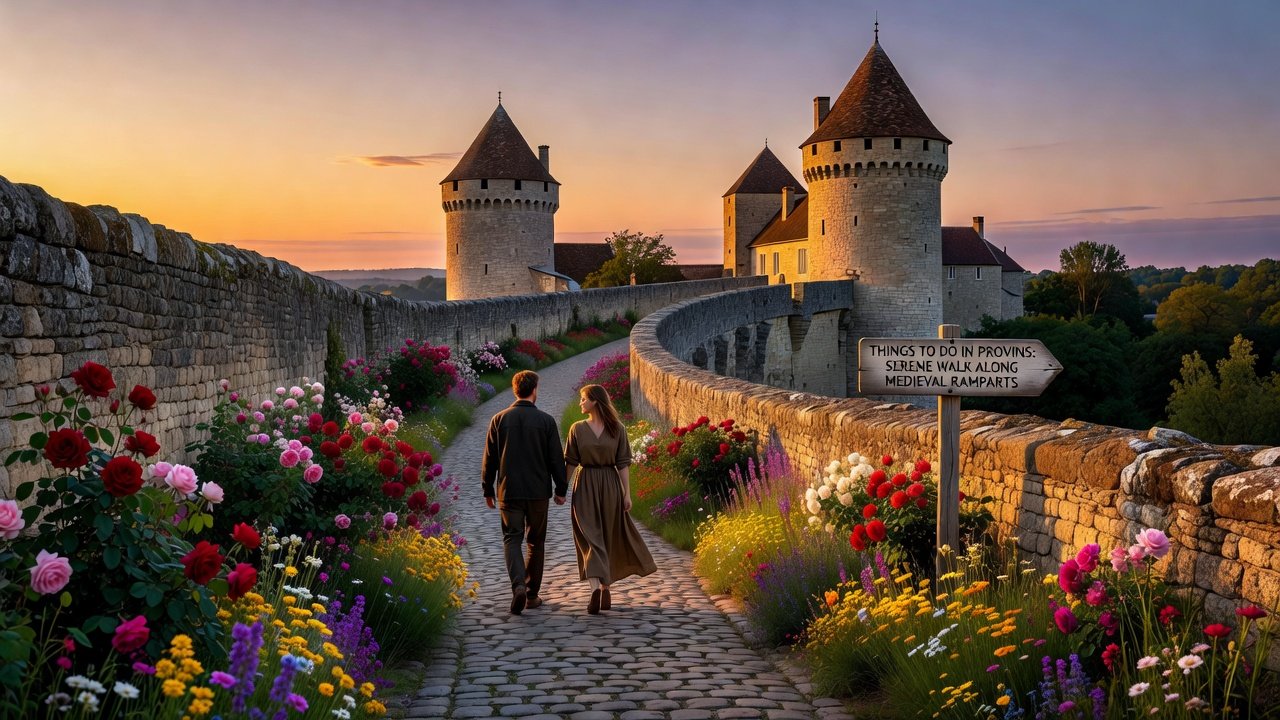
Provins wears its history lightly in the late afternoon. The ramparts, built between the 11th and 13th centuries to protect the great Champagne trade fairs, stretch for more than two kilometers around the upper town. Walking them feels less like a tourist circuit and more like a long, slow conversation with the place. From the top you see the valley spread out, the lower town with its newer streets, and the fields beyond that once supplied the merchants who made this one of the most important commercial centers in medieval Europe.
I stopped often. At one bend the wall opens onto a small garden where roses still grow in the old way, their scent carrying even in the heat. Provins has long been known for its roses, and the local versions flavor everything from honey to jam to the ice cream served at the garden café. A woman selling small jars of rose-petal honey from a cart near the Saint-Jean gate told me her family has kept bees in the same spot for three generations. She wrapped the jar in newspaper and tucked a handwritten card with a simple recipe for rose tea inside the bag. The card listed only three ingredients and a note about steeping time that matched the slow pace of the afternoon.
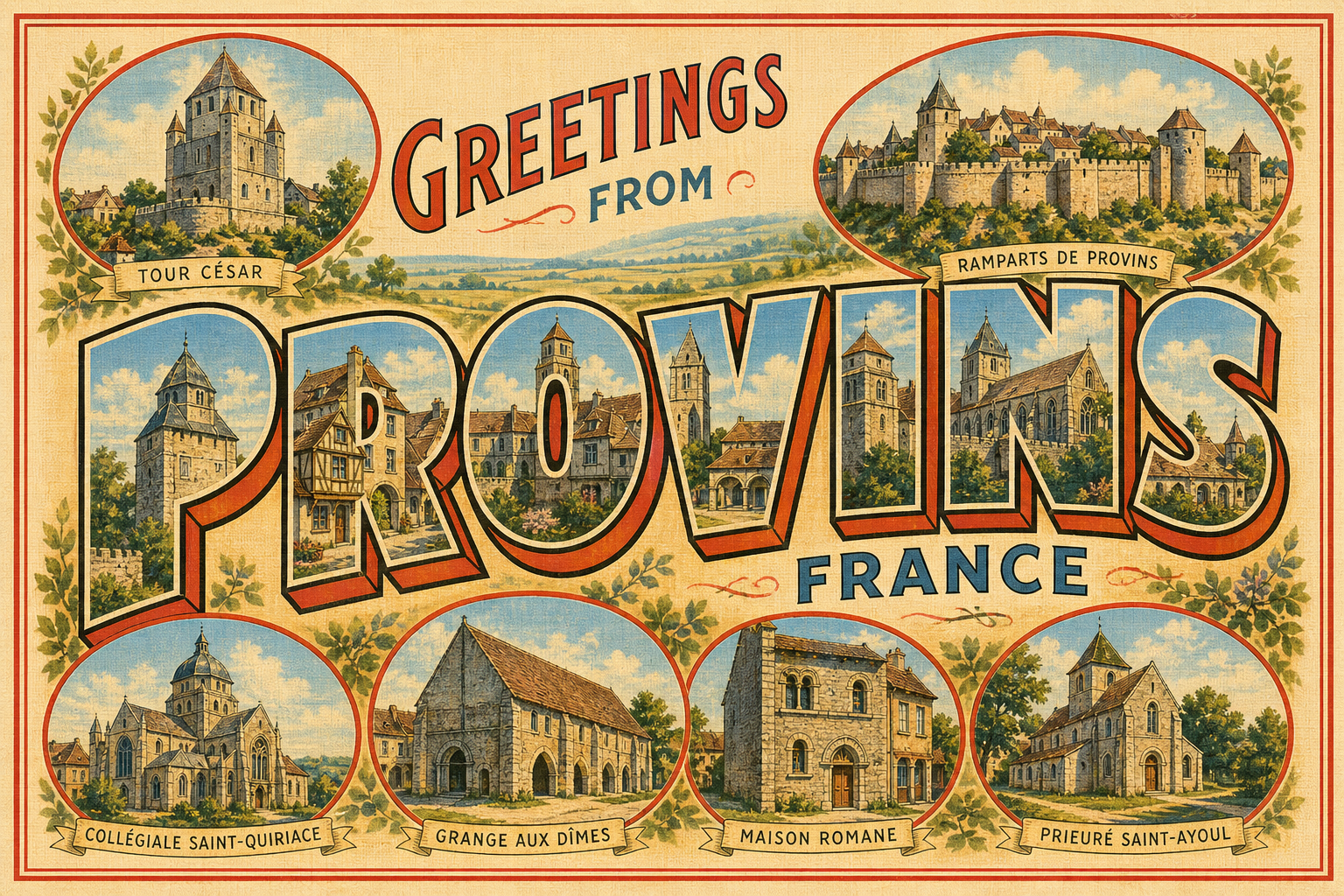
Further along, the path dips behind the Tour César, the 12th-century keep that dominates the skyline. Few people climb the narrow stairs to the top at this hour. From the platform the view stretches toward the distant hills, and you can trace the line of the old fairgrounds in the fields below. The underground galleries that once stored the merchants’ goods run beneath your feet, though most remain closed to casual visitors. The town opens a few sections on certain days, but the real pleasure is knowing they are there, a hidden lattice under the cobblestones.
By early evening the upper town belongs again to residents. Shopkeepers pull down the metal shutters on their windows, and the small square in front of the Collégiale Saint-Quiriace fills with locals heading home. I sat on a bench near the church where Joan of Arc is said to have prayed and watched the light change on the stone. A man walked by with a baguette under one arm and nodded, the way people do when the day-trippers have left.
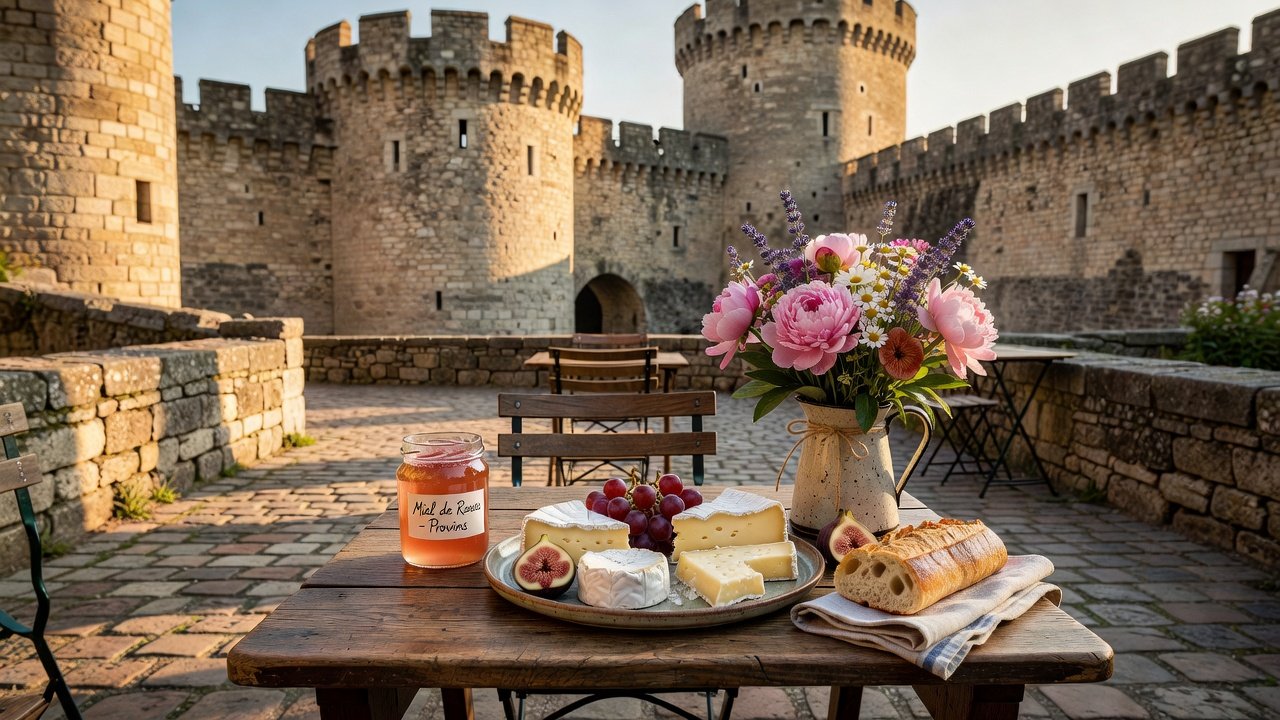
Food here stays close to the land and the seasons. The Saturday market in the lower town offers cheeses from nearby farms, charcuterie, and the famous local honey alongside ordinary vegetables. In the upper town, a few places keep the old recipes alive. One café serves rose-flavored madeleines that taste nothing like the tourist versions sold in plastic packs. Another small restaurant tucked down a side street offers game in winter and fresh river fish in summer, always with the same short wine list focused on producers from the Brie region. The honey vendor near the gate recommended pairing her product with the local goat cheese from the market, and the combination proved simple and memorable on a bench overlooking the valley.
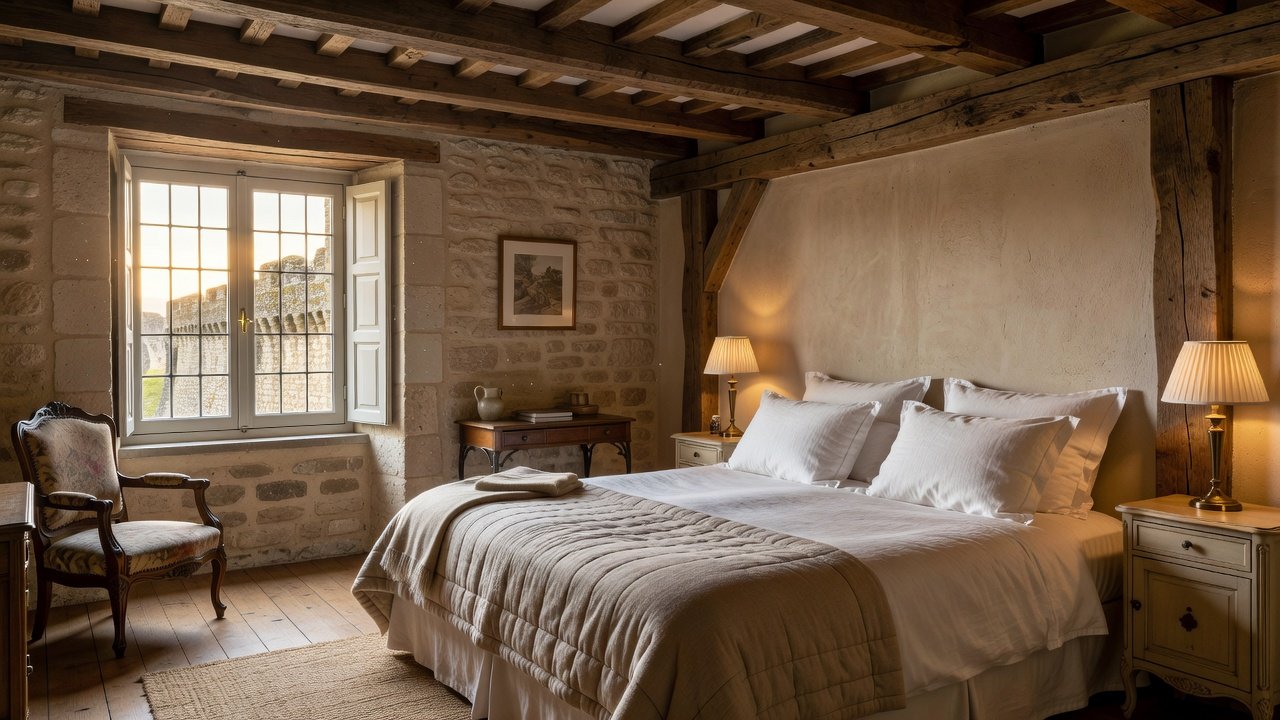
Staying overnight changes everything. The town grows quiet after dark in a way that day visitors never experience. The ramparts are lit from below, and the streets empty except for the occasional resident walking a dog. Morning brings the sound of shutters opening and the smell of fresh bread from the boulangerie near the market square. It is worth the extra planning. The light on the stone changes again at dawn, softer and more golden than the afternoon glow, and the ramparts feel almost private before the first shuttle arrives.
Places to Stay
Three places stand out for different budgets and moods.
For straightforward convenience near the station yet still close enough to walk to the medieval center, the Ibis Provins at 77 Avenue du Général de Gaulle, 77160 Provins offers clean, modern rooms and reliable breakfast. It works well if you arrive late or want easy access to the train without a long carry of luggage uphill. The hotel sits on the main road leading toward the old town, so the ramparts are reachable in under fifteen minutes on foot.
In the heart of the upper town, Hôtel Aux Vieux Remparts sits within the old walls at a central location in the Ville Haute and includes a restaurant that draws both locals and overnight guests. The setting inside a historic building gives a sense of place without feeling like a stage set. Rooms vary, so ask for one with a view toward the ramparts if available. The restaurant terrace provides a quiet spot for dinner once the day crowds have gone.
For something more personal, the Maison Stella Cadente offers an artistic guest-house atmosphere with a garden and a handful of thoughtfully decorated rooms. It feels like staying with someone who loves both the town and its creative side. Advance booking is essential, especially on weekends when the medieval shows draw extra visitors. The garden provides a private corner for morning coffee away from any organized tours.
Where to Eat
Provins rewards those who eat where the locals do rather than chasing the loudest medieval-themed sign.
La Croix d’Or claims the title of the oldest inn in town and still serves the classic dishes done well: duck, local cheeses, and straightforward preparations that let the ingredients speak. It sits in the upper town near the main square and fills early with regulars who know the kitchen’s steady hand with regional produce.
Le Bistrot Aux Vieux Remparts keeps a short, seasonal menu that changes with what the market offers. The terrace overlooks one of the quieter stretches of wall, and the kitchen focuses on regional produce without unnecessary flourishes. Reservations help on market days when the terrace fills with people lingering over lunch.
For something lighter or a rose-infused treat, the café at La Roseraie de Provins serves ice cream and tea made with the garden’s own flowers. It is the kind of place where you linger over a single scoop while watching the light move across the ramparts. The rose petal jam sold there pairs well with the morning bread from the local bakery.
Transportation from Paris is straightforward on the Transilien line P from Gare de l’Est, about an hour and a quarter depending on the train. The walk from the station to the upper town takes fifteen to twenty minutes on a gentle slope. Once there, everything worth seeing lies within an easy stroll. A single day can cover the ramparts and a market visit, but an overnight stay lets the town settle into something closer to its everyday rhythm. Buses and the occasional tourist train circle the walls, but walking remains the best way to notice the small gardens tucked against the stone and the way the roses climb the older houses.
Provins does not demand attention the way more famous sites do. It simply waits, its walls and roses and quiet streets offering the same steady presence they have for centuries. The best moments arrive when you stop trying to check boxes and simply follow the path along the ramparts until the only sound is the wind in the trees and the occasional voice calling good evening from a doorway below. The honey from the gate vendor still sits on my kitchen shelf, its label fading, a reminder that some places reveal themselves best when you give them time to speak in their own voice.