
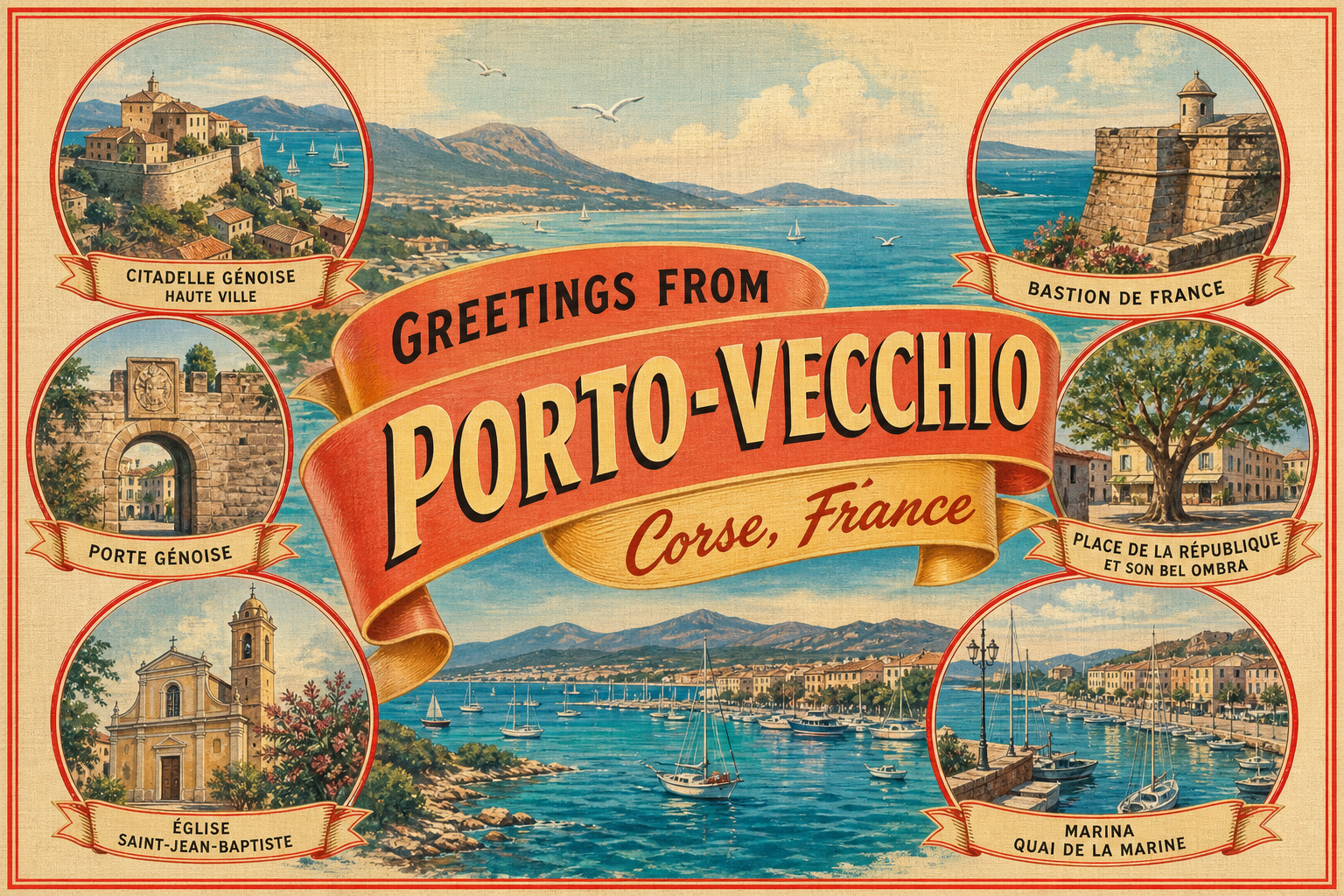
People arrive in Porto-Vecchio already pointed at white sand. Palombaggia, Santa Giulia, pine shade, the turquoise shelf that looks invented for a magazine cover. Fair. Those beaches earn their reputation. The version of town I keep starts lower and stranger: old salt pans under the granite haute ville, pink birds on still water when the light is right, and a Genoese citadel that still sits like a working lid on the gulf rather than a ticketed museum loop.
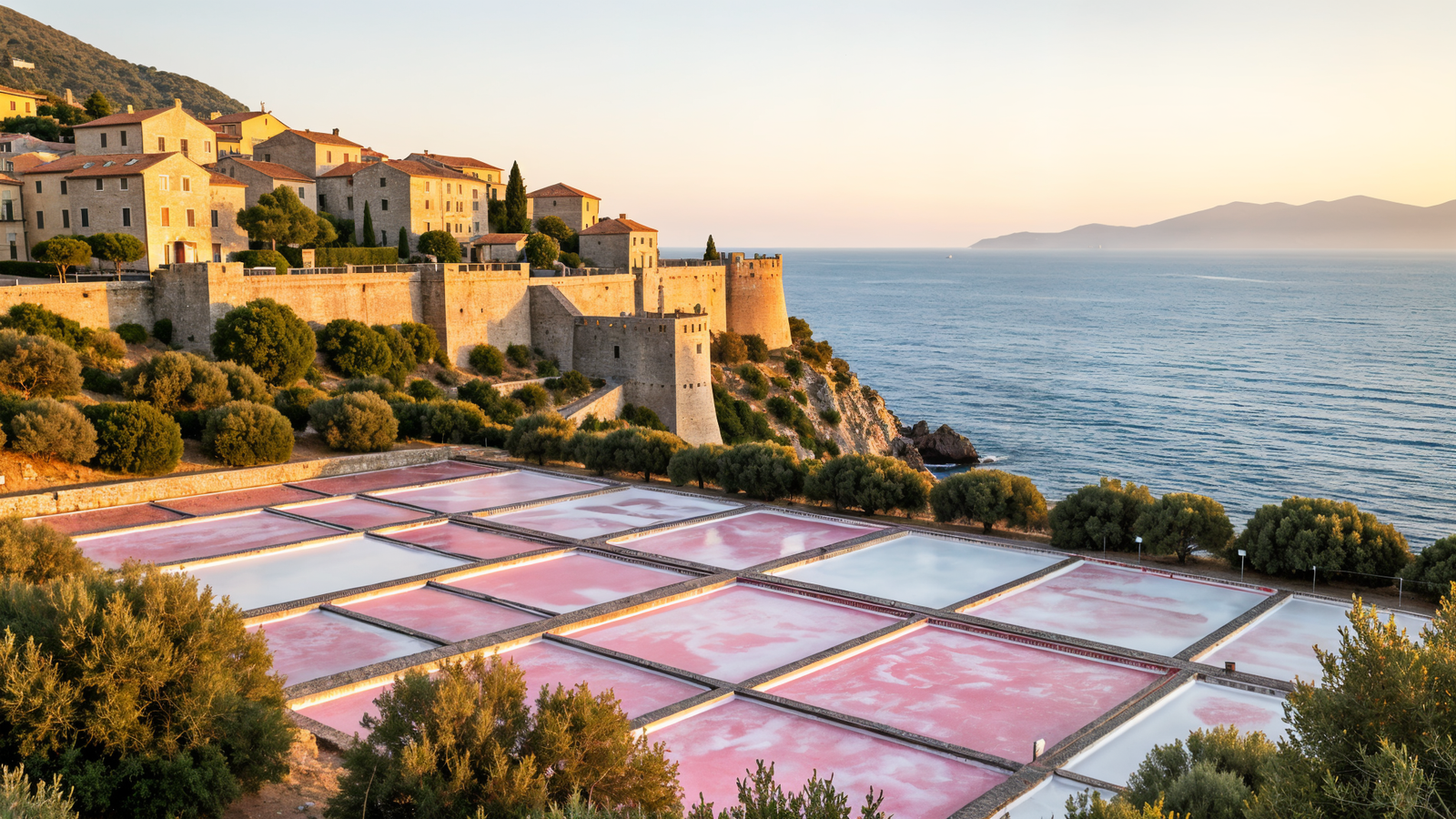
Porto-Vecchio is Corse-du-Sud’s salt city by nickname, not slogan. Under the First Empire the marais salants near the Stabiacciu mouth fed a real share of the island’s salt. Production faded; the flats remain between marina noise and the steep climb into the old walls. Treat the place as a beach base if you want. Or let the pans, the ramparts, and one slow evening on the quai set the pace, and drive the famous coves when the heat asks for water.
Why the salt pans still matter
The marais sit close to the port and the lower town, not in some remote wetland park you need a guide to find. From the quai and from rooms that face the gulf, you see the Haute Ville stacked on granite, then a band of water and marsh, then the wider bay. That sandwich is Porto-Vecchio’s real silhouette. Beaches are the outing. The salt landscape is what the town grew from.
I walk the edges early, when the basins look like mirrors instead of heat traps. You will not get a polished boardwalk every meter. Some stretches feel industrial, some open and a little scruffy. That is fine. The City of Salt still has a relationship with flat water and sky. Flamingos show up when conditions suit them. Bring patience either way.
Later the same view becomes background for marina traffic. The contrast helps. It keeps you from treating the whole trip as pine-and-sand perfection down the coast road.
Haute ville stone, Porte Génoise, Bastion de France
The upper town is the Genoese citadel story you expect in Corsica, with local texture: destroyed and rebuilt more than once, still a living high street rather than pure monument. Climb from the port side when the stone has stopped radiating noon. Rue Borgo and the small squares hold ordinary commerce. Place de la République works as the hinge between errands and the rampart edge.
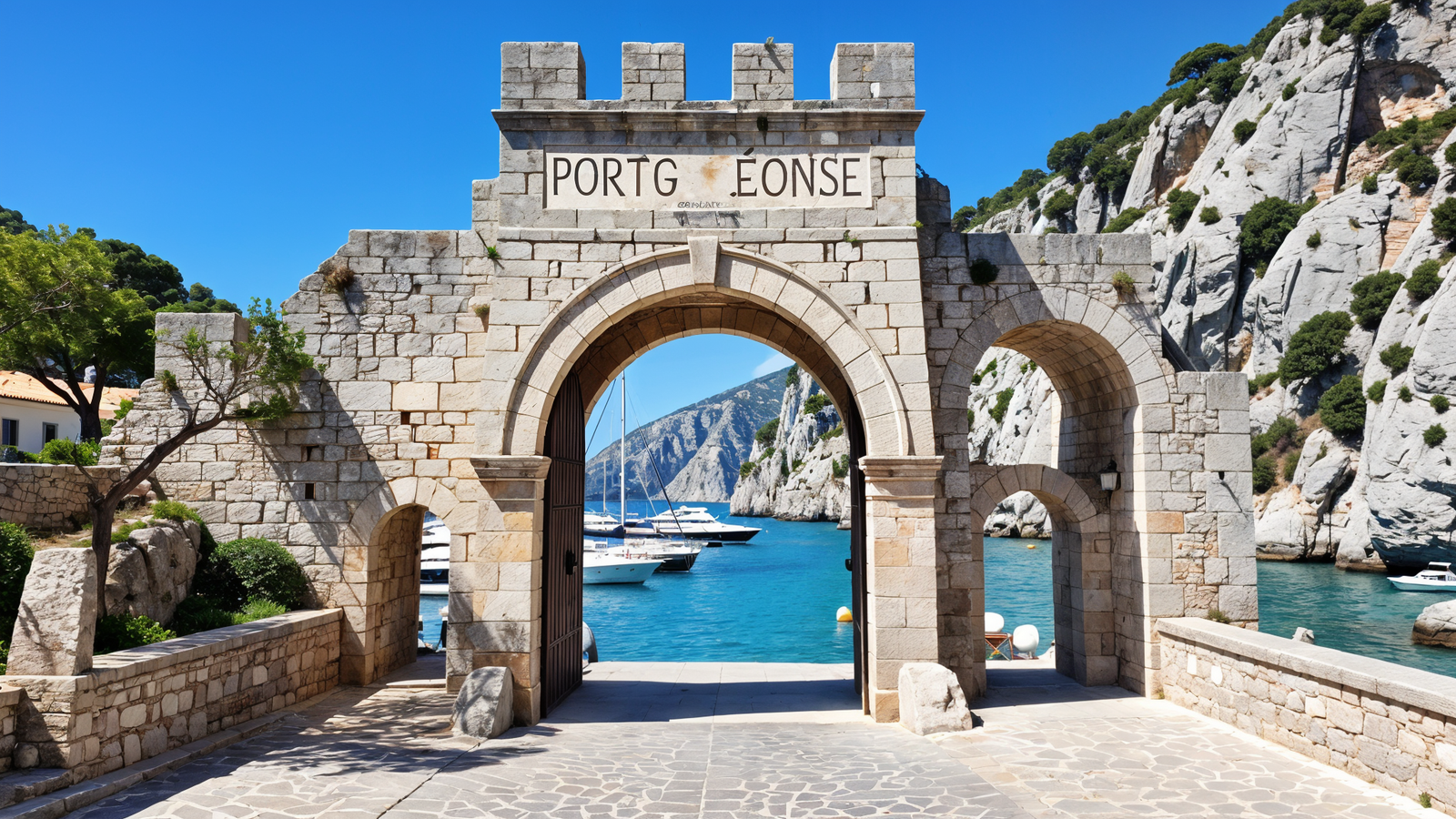
Porte Génoise is the gate people photograph, and they should once. Stand long enough to read the gulf below: boats in the natural harbor, the curve of the bay, the sense that the town was built to watch water. Bastion de France and the wall walks give different angles on the same geometry. Count on roughly an hour if you stroll without a history exam. Laundry still hangs. The haute ville is not empty heritage.
I like one citadel pass in softer light and one salt-edge walk the same day. Height, then flatness. If you only do the ramparts between beach transfers, you miss how the town sits on its rock.
Beaches when you want the water, not the whole schedule
Palombaggia remains the postcard: pale sand, umbrella pines, clear shallows, and summer crowds that arrive early. Santa Giulia is the other famous sheet of turquoise, easier for families, busier for the same reason. Cala Rossa and Pinarello reward a little more driving when you want a different pocket of coast. What they need is timing, not another brochure.
Go early or late in July and August. Midday belongs to everyone with the same rental car. Bring water, shade, and a parking plan. On cooler shoulder-season days you can linger without the full beach industry. Pair a beach morning with a late return to the haute ville rather than another coastal loop.
If the famous strands feel thick, smaller coves exist along the southeast coast, with the usual caveats: heat, limited shade, private land edges. The salt pans and the port stay useful when you want water in the eye without a full beach production.
Plates that taste like the gulf and the hinterland
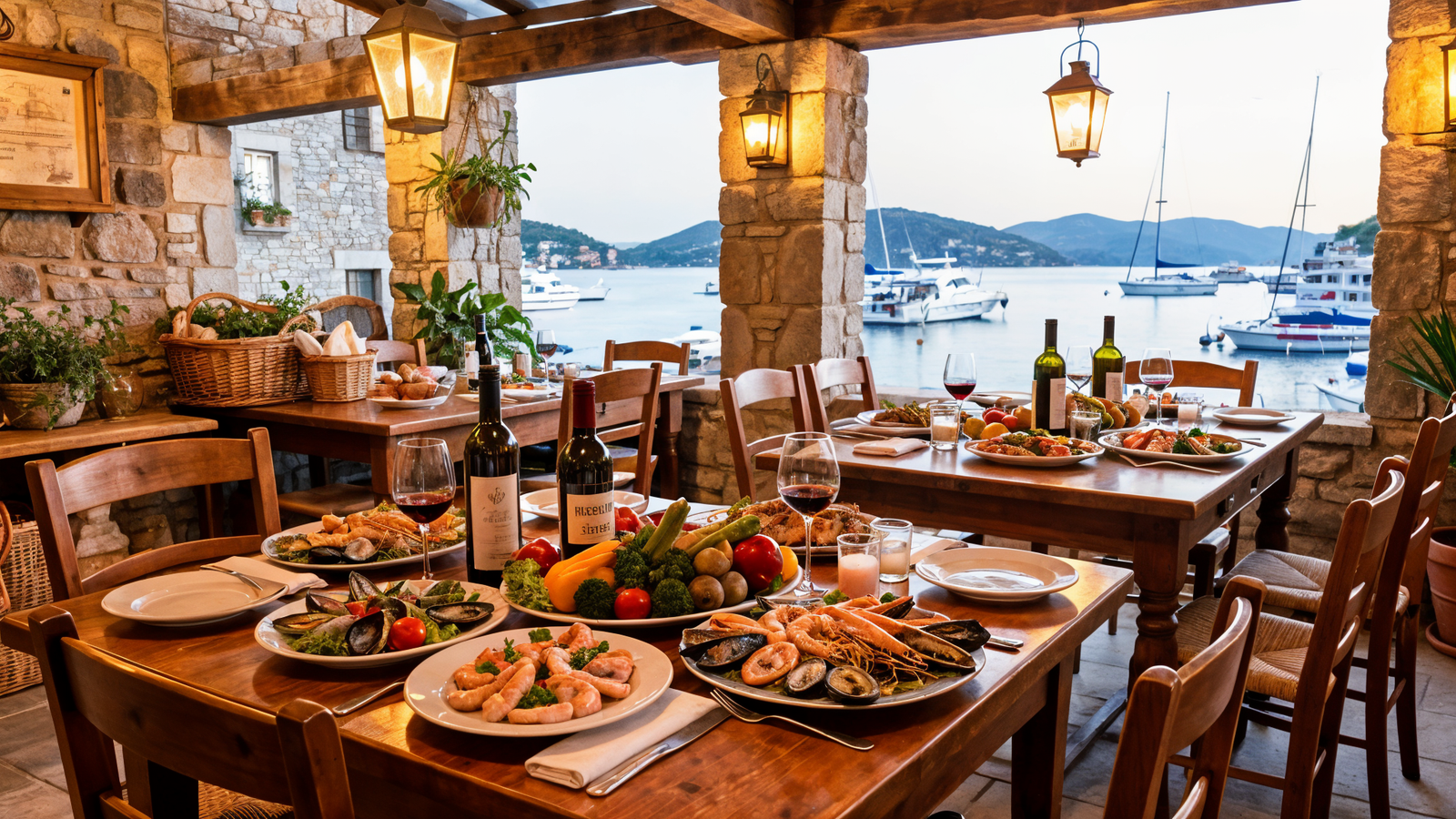
Porto-Vecchio’s marina strip can tip into interchangeable seafood menus if you sit at the first empty table with a view. Walk once for the air. Then choose with a little stubbornness: citadel lanes for quieter Corsican cooking, a deliberate address when you want fish with boat noise, or a short hop out of the absolute center when the strip feels loud.
U Trocciu
4 Rue Jean Jaurès, 20137 Porto-Vecchio, France
A practical old-town address for Corsican plates without the densest marina row. Good for a first dinner when you still have citadel dust on your shoes and want charcuterie, cheese, and something grilled rather than a showpiece menu. Book in high season; the room is not endless.
La Table de Mina
7 Route de Palombaggia, 20137 Porto-Vecchio, France
A more considered modern table on the Palombaggia road side of town, useful after a beach day when you do not want the loudest terrace. Confirm hours and reservations; summer tables go early. Pair it with a slower return drive rather than a rushed citadel climb the same evening.
Le Regina at Hôtel Le Roi Théodore
Avenue de Bastia, 20137 Porto-Vecchio, France
A hotel restaurant a short way off the tightest center, with terrace and pool-side calm for a longer meal. Mediterranean and Italian-leaning plates in a garden frame. Come when you want space after stone and sand. Call ahead; hotel dining rooms fill when the coast is full.
Between meals, the small market pulse around Place de la République and ordinary bakeries keep you in daily Porto-Vecchio. Fruit, a wedge of cheese, something cured for the beach. The resort face is real. It is not the whole kitchen.
Places to stay
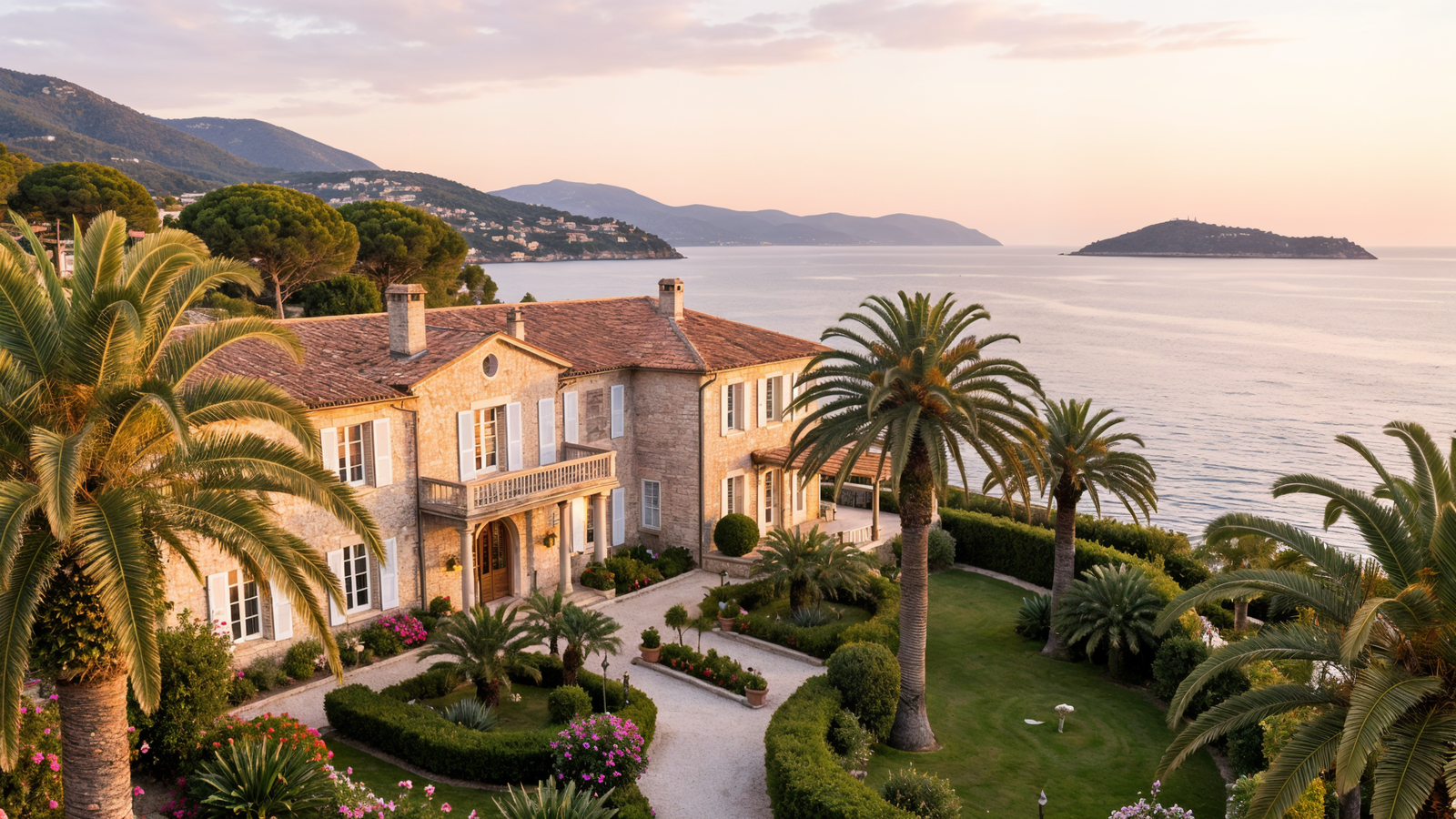
Staying in or near town turns citadel evenings and salt-pan mornings into habits instead of one rushed circuit. Ask about noise, parking, and whether you want walkable center energy or a garden buffer. Beach hotels farther out need a car every time you want the haute ville.
Hôtel San Giovanni — lighter bill, garden calm outside the crush
Route d'Arca, 20137 Porto-Vecchio, France
A family-scale house with grounds a few minutes’ drive from the center and a manageable hop toward Santa Giulia and Palombaggia. Choose it when you want quiet after beach days and are fine not living on the quai. Pool and shade matter more here than marina theatrics.
Hôtel Costa Salina — midrange to upper mid, port and salt views
Quai Pascal Paoli, 20137 Porto-Vecchio, France
Sits on the port edge with the gulf, the marshes, and the haute ville in the same visual frame. Useful when the salt-city silhouette is the point of the stay and you still want an easy walk to restaurants and the climb into the walls. Request a room orientation if views matter; summer evenings on the quai run late.
Hôtel Le Goéland (Casa Santini) — higher comfort, marine garden under the citadel
Avenue Georges Pompidou, La Marine, 20137 Porto-Vecchio, France
A seafront address at the foot of the citadel side, pines and garden between you and the water, short reach to the marina. Book when you want the gulf as a daily companion and are ready to spend for setting. Better for two or three nights than a single drop-in.
One night covers the silhouette: rampart light, a walk past the pans, dinner with salt air. Two nights let you add a real beach morning without turning the citadel into a checklist between transfers.
Practical notes
The center splits into lower port life and the steep haute ville. Comfortable shoes beat fashion on the climb. The famous beaches need a car or a transfer plan. Figari–Sud Corse airport is the usual air door; the drive in is short enough for a terrace the same day if flights behave.
French is the working language; Corsican shows up on signs and in pride. Cards are widely taken; small counters may still like cash. July and August stack holidays and beach parking contests. May–June and September–October keep the water and thin the crush. Winter is quieter; some kitchens shrink hours. Salt-pan edges can be exposed and buggy; treat them as open landscape, not a polished promenade.
Porto-Vecchio will keep offering the pine-beach postcard, and you should take that swim once or twice. The days I return for start lower: still water on the old pans under the granite lid of the haute ville, then a slow pass through Porte Génoise when the gulf opens below. By evening on the quai, with the boats rocking, the salt city feels like a harbor town again.
