
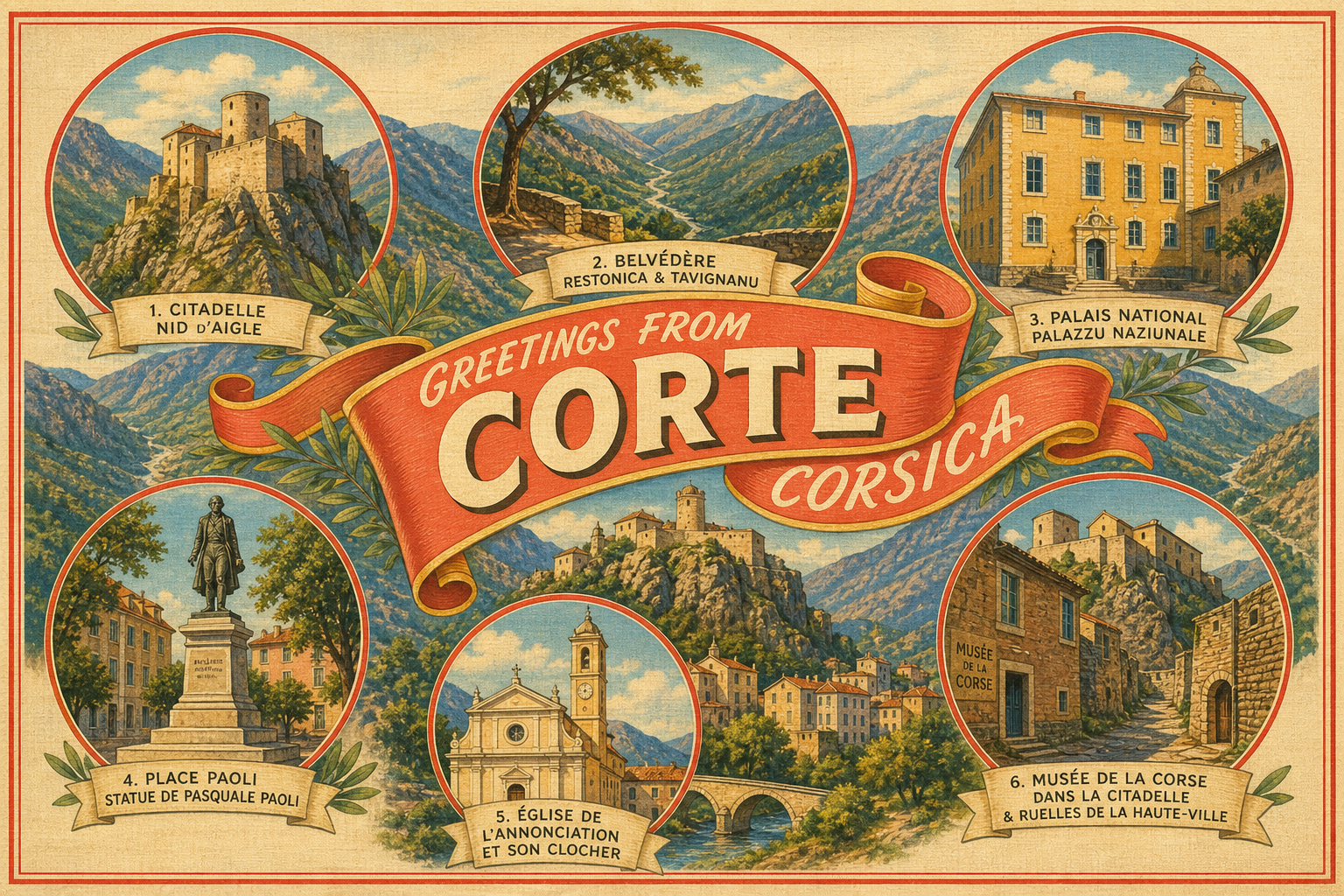
Most people meet Corsica on the coast and treat the interior as scenery between beaches. Corte sits in the middle of the island for a different reason. Two river valleys cut into the granite, the Restonica and the Tavignano, and the old capital climbs a rock spur between them. The postcard is the citadel on its needle of stone. The day I come back for is colder and wetter: a short drive or long walk up the Restonica, shoes off on pale pebbles, water so clear it looks fake until your ankles go numb.
Corte is Haute-Corse’s mountain town, a former capital, a university town, and still a place where students, hikers, and people who never left share the same narrow streets. Guidebooks sell the belvedere and the museum. Fair enough, and not the whole map. Day to day, Cours Paoli is the spine, the citadel is the thing you keep seeing between roofs, and the Restonica valley is why you stay a second night instead of racing back to the sea.
Why the Restonica organizes the day
The Restonica is a short, steep mountain river. From Corte it climbs southwest into a gorge of pine, maquis, and pale rock. If you have the legs and the day, the trail country keeps going toward the high lakes under Monte Rotondo. You do not need that full trek on a first visit. The better gift is closer: pull-offs, pebble beaches, and swimming holes a few kilometers out of town where the water runs green over granite and the air smells of resin.
I go early. Summer day-trippers fill the narrow D623 later, and parking becomes a negotiation. In the morning the valley still belongs to the river. Find a stretch where the current slows into a pool. Sit. Eat whatever you bought in town. The cold is half the pleasure. Restonica water does not pretend to be a heated cove. When you climb out, the sun on the rock feels earned.
If you have already done Bonifacio’s cliffs or Calvi’s beach strip, this is the corrective. Corte’s drama is height and water, not marina light. The citadel will still be there when you drive back down. Do the river first while your legs are willing and the light is low enough to see into the pools.
The Tavignano, the spur, and a capital that never became a resort
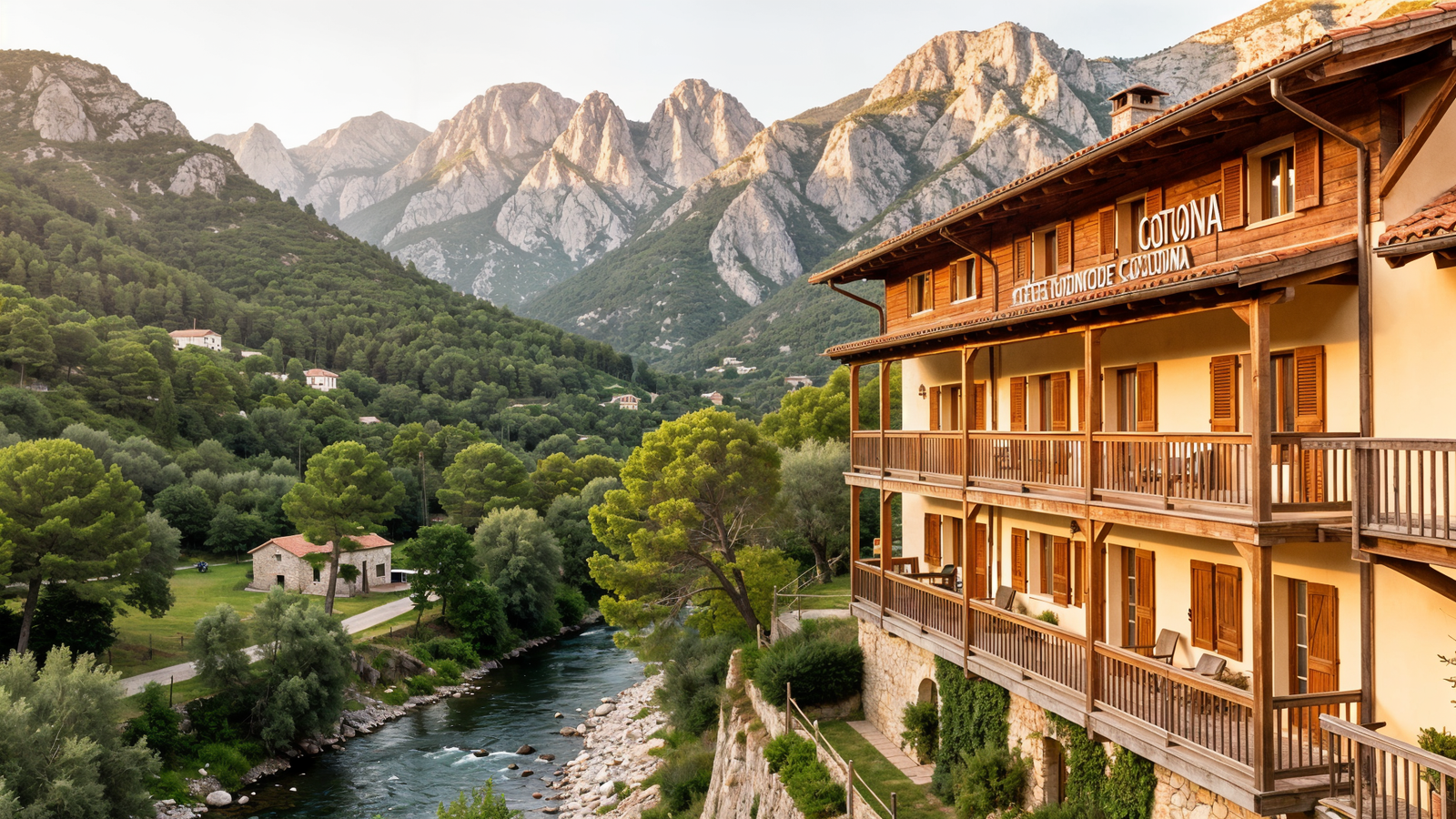
The Tavignano is the wider sister valley. It runs more east-west and carries a different walking mood: longer approaches, forest shade, less of the gorge postcard. Between the two rivers, Corte piles itself onto a granite outcrop. The citadel crowns it. Below, lanes drop toward Cours Paoli, the long main street that still feels like a real town’s artery rather than a themed promenade.
I walk Cours Paoli without a shopping mission. Students with backpacks, older men at café tables, the occasional hikers’ poles tapping stone. Look up and the citadel keeps appearing between roofs. Climb when you are ready. The paths and stairs are honest work, not a theme-park ramp. From the belvedere the view drops into the Restonica on one side and opens toward Tavignano country on the other. That geography is why Corte exists the way it does. Two valleys, one rock, a town that grew because power once sat here, not because someone invented a boardwalk.
Inside the citadel complex, the Musée de la Corse is worth a slow hour if the island’s history pulls you: identity, resistance, rural life, not only Napoleon postcards. I treat it as optional depth, not a mandatory stop. The first pass is outdoor. The spur, the air, and the sense that the island’s interior still has a capital where people study, shop, and argue, not only a photo stop between Porto and Bastia.
University life matters more than brochures admit. Pasquale Paoli University keeps young people in town through the year. Bars and cheap plates exist for them, not only for August hikers. That mix softens the mountain-town severity. You hear French, Corsican pride on signs and in conversation, and the ordinary noise of a place that does not empty when the last tour coach leaves.
Chestnuts, charcuterie, and rooms that still cook mountain Corsican
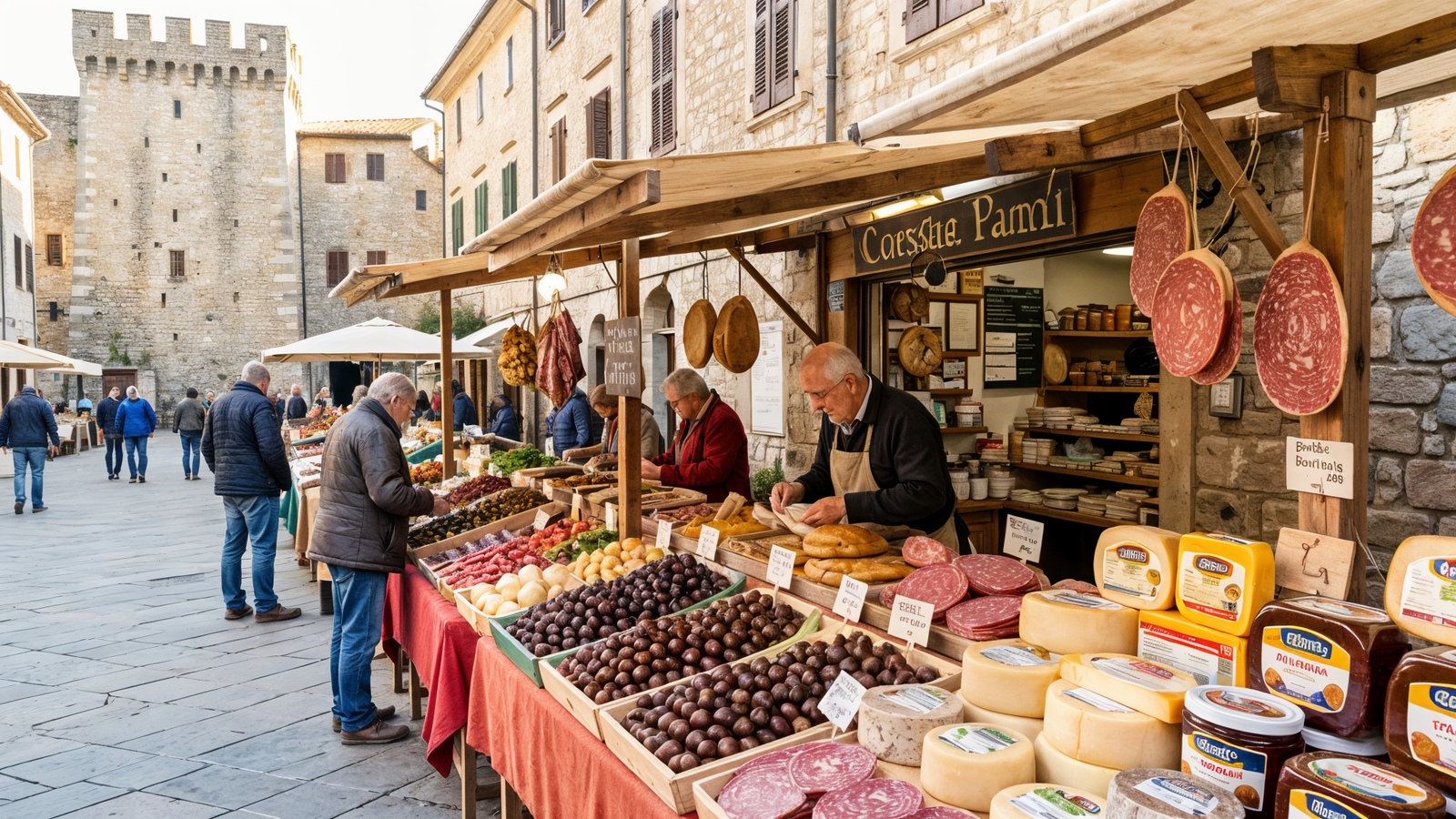
Corte feeds hikers, students, and people who drove up from the coast hungry. The honest plates lean mountain: charcuterie, cheeses, stews, river-adjacent restaurants that know a salad after a cold swim is not a small thing. Book Friday and Saturday nights in high season. Confirm midday closures. Mountain kitchens keep their own calendar.
U Museu
1 Place du Poilu, 20250 Corte, France
A long-running address in the upper town near the museum and citadel approach. Corsican cooking without forcing you into the Restonica valley for every meal. Good when you want stews, charcuterie, and a table that still feels tied to the rock town rather than a pure trailhead canteen. Book when the lanes are busy; the room is not endless.
Auberge de la Restonica
Route de la Restonica (D623), 20250 Corte, France
The classic valley meal after water and sun. Family-run feel, Corsican specialties, terrace and river proximity that make the drive make sense. Come for greens, local cheese, cured meats, and whatever is on for the day. Reserve in summer; this is where half the valley ends up at lunch. Pair it with a morning swim rather than a rushed stop on the way somewhere else.
A Scudella
2 Place Paoli, 20250 Corte, France
On the main civic square side of town life, useful when you want Corsican plates without committing the whole evening to the gorge road. Better for a dinner you sit through after citadel light fades than for a sandwich between trailheads. Check hours; square-side rooms follow the town’s rhythm more than the hiker clock.
Between meals, any ordinary café on or just off Cours Paoli will do for coffee. Sit facing the street. Watch the student traffic. Twenty quiet minutes there will tell you more about interior Corsica than another overlook you barely leave the car for.
Places to stay
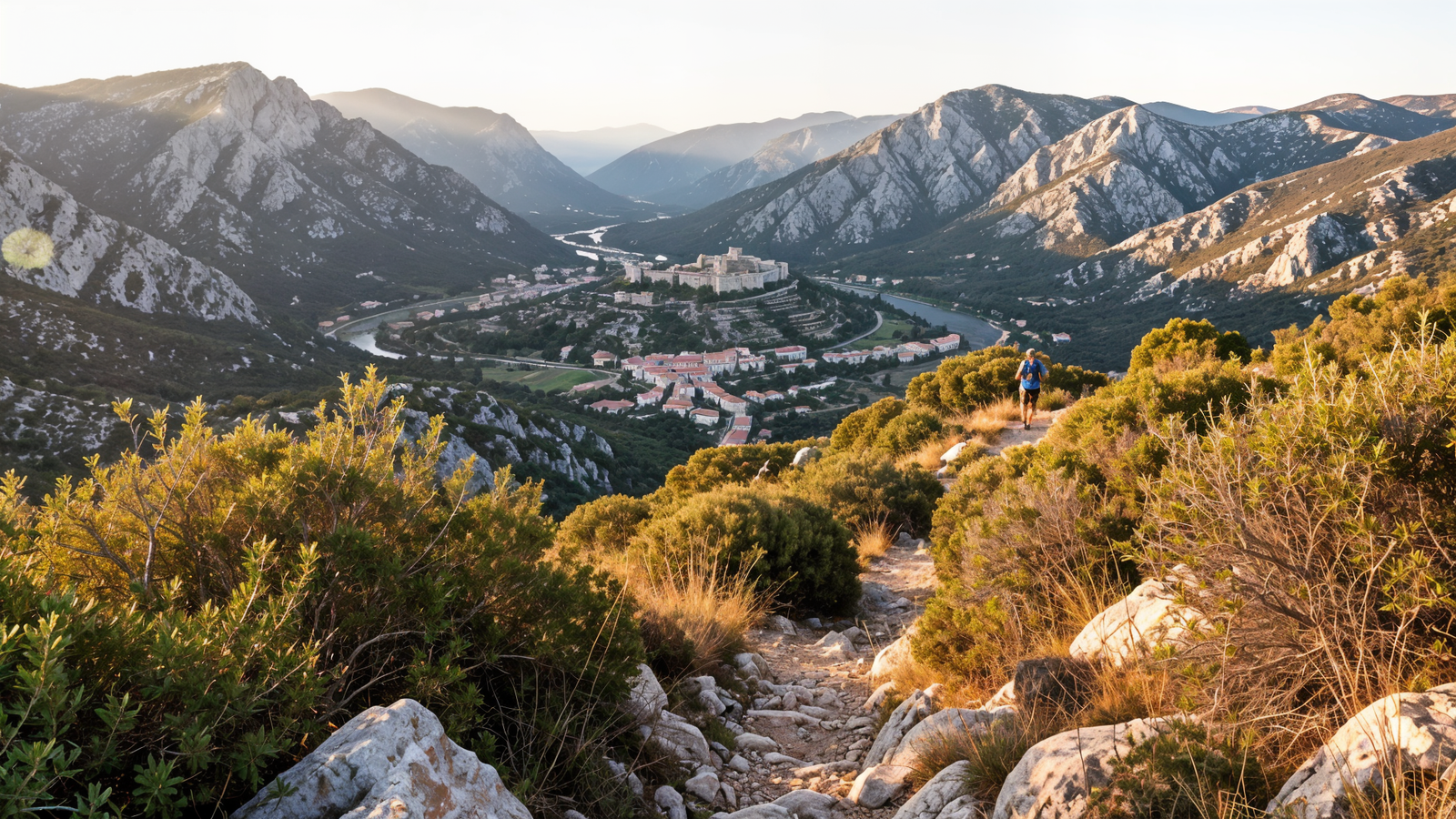
Sleeping in Corte turns the interior from a day trip into a base. You catch Restonica water before the gorge fills, climb the citadel at blue hour, and decide whether a Tavignano walk deserves a full morning. Ask about parking; the historic spur is tighter than the valley road suggests. Corte’s train station links the island’s interior line, useful if you are stitching Bastia or Ajaccio without a car for every leg, but a car still unlocks the upper Restonica pull-offs.
Hôtel HR — lighter bill, practical footing
11 Avenue Jean Nicoli, 20250 Corte, France
Straightforward rooms toward the station and university side of town, with the kind of simple comfort that leaves money for Auberge lunches and museum tickets. Choose it for a clean base and easy logistics more than for a romantic balcony over the gorge. Parking and space matter more here than design stories.
Hôtel du Nord — midrange, Cours Paoli spine
22 Cours Paoli, 20250 Corte, France
A renovated old building on the main street, three star, useful when you want to walk out into town life without a valley shuttle ritual. Solid default if Cours Paoli cafés, citadel climbs, and evening plates are why you came. Street energy is the trade; request a quieter room if you sleep light.
Hôtel Dominique Colonna — higher comfort, Restonica edge
Vallée de la Restonica, Route de la Restonica, 20250 Corte, France
A fuller, more polished stay a short way into the valley, with river air and the sense that tomorrow’s swim starts almost from the door. Book when the Restonica is the point of the trip, and you want comfort after cold water and granite. Better for two nights than a single rushed overnight. The valley rewards the slower schedule.
One night is enough to fix the map: citadel light, Cours Paoli coffee, one serious Corsican dinner. Two nights let you add Restonica swimming holes in the morning, a Tavignano walk when legs allow, and a second pass through the upper town after day-trip cars have thinned toward the coast.
Practical notes
The center is walkable if you accept slopes and stone. Grip shoes help on citadel approaches and wet river rock. A car helps for the Restonica gorge and becomes a nuisance if you only circle Cours Paoli hunting parking at lunch. Do river hours early in summer heat. July and August stack holidays and hikers; May–June and September–October keep the water and empty more tables. Winter is quieter and colder. Some restaurant hours shrink, and mountain weather decides more than your itinerary does.
French is the working language; Corsican appears on signs and in pride. Cards are widely accepted; small counters may prefer cash. Shops close, kitchens rest, valley roads clog when everyone has the same swimming idea at once. Push less. Eat when the place is open. If Restonica parking looks full, drive farther or come back later rather than inventing a spot that blocks the road.
Corte will keep offering the citadel silhouette and a quick stop between coast towns. Fine. Leave room for the version I return for: cold water over Restonica pebbles, student streets under the spur, and the hour when those two valleys make clear why the island’s old capital never needed a beach.
