
Guides to lesser-known towns — markets, rivers, neighborhoods, food, and where to stay — written for travelers who skip the template itinerary.
-
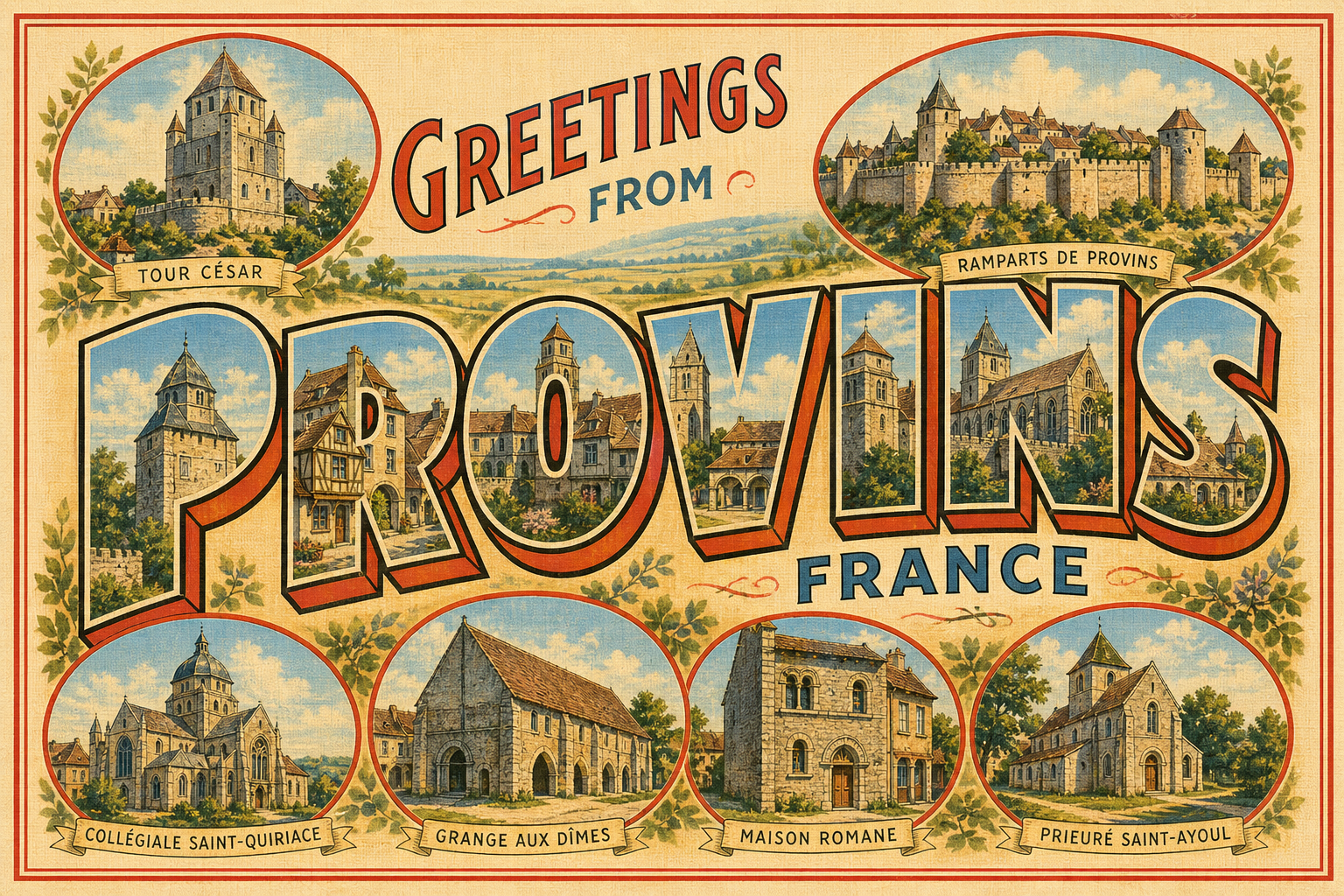
Roses and Ramparts: Local Paths in Provins
Roses and Ramparts: Local Paths in Provins The train from Paris empties out at Provins station, and most passengers head straight for the shuttle or the short walk uphill to the medieval upper town. I lingered a bit longer at the bottom, watching the ordinary comings and goings of a Saturday market day before following the road that curves toward the ramparts. By the time I reached the stone walls, the tour groups had thinned, and the only sounds were my own footsteps on the gravel path and the occasional…
-
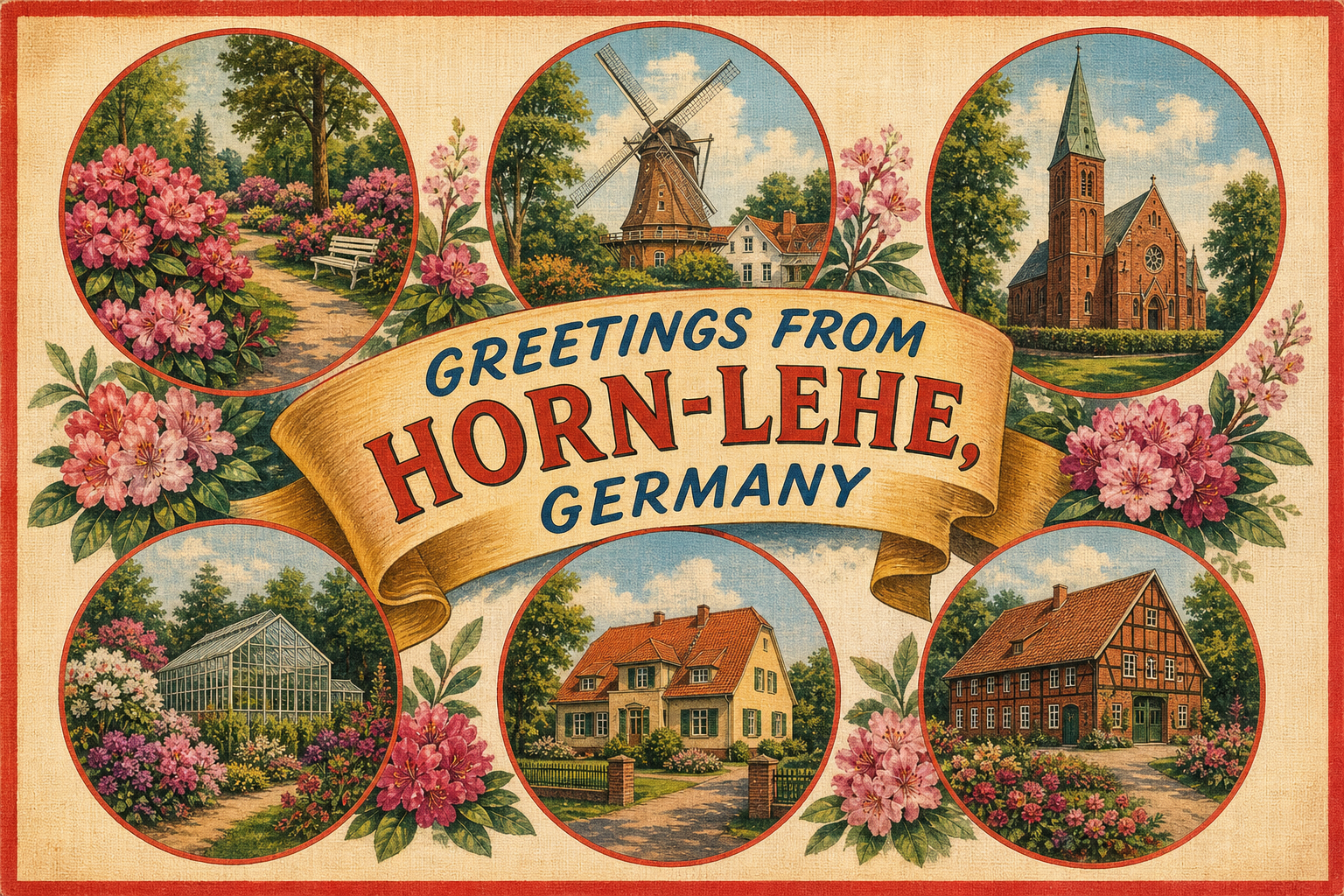
Rhododendron forest off Marcusallee in Horn-Lehe
Rhododendron forest off Marcusallee in Horn-Lehe Bremen’s tourist map stops hard at the Marktplatz, then maybe the Schnoor if someone has an extra hour. Horn-Lehe sits about twenty minutes out by tram, past Schwachhausen, in a stretch of the city that is still mostly gardens and quiet streets. I come for the rhododendron forest off Marcusallee: dense understory under old beech and oak, water channels cutting the shade, and a neighborhood that mixes merchant villas, student flats, and actual farms without asking you to pick a side. On a weekday…
-
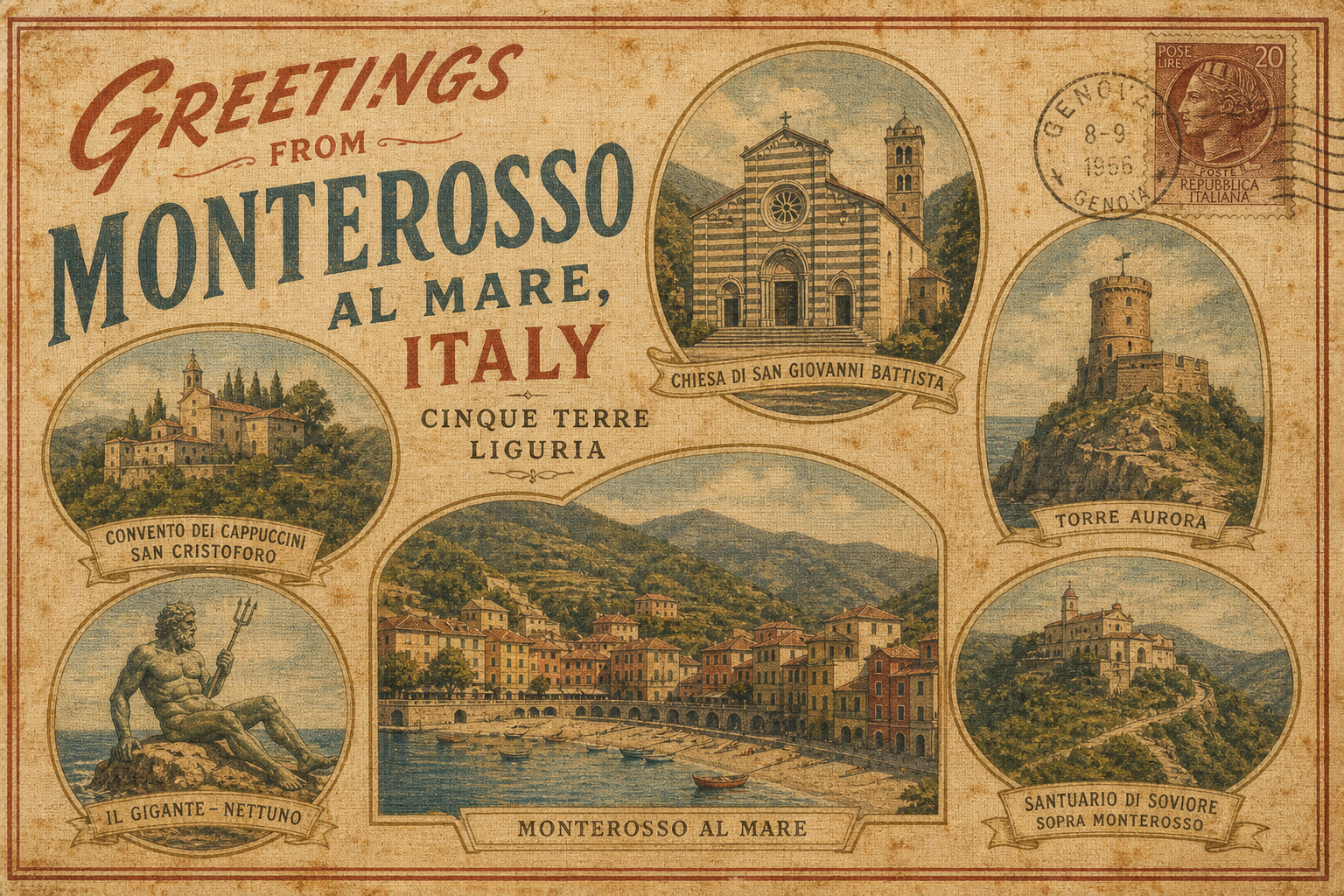
Lemon Terraces Above the Capuchin Hill, Monterosso al Mare
Monterosso al Mare is the Cinque Terre stop people remember for sand. Fair enough. It has the longest beach of the five, a station that dumps day-trippers onto Via Fegina, and more gelato than anyone needs. What I keep coming back for sits higher and smells sharper: lemon trees on stone terraces, the Capuchin hill that splits the town in two, and old lanes where anchovies still get packed in salt. The village is really two places joined by a short tunnel and a climb. Fegina holds the wide beach,…
-
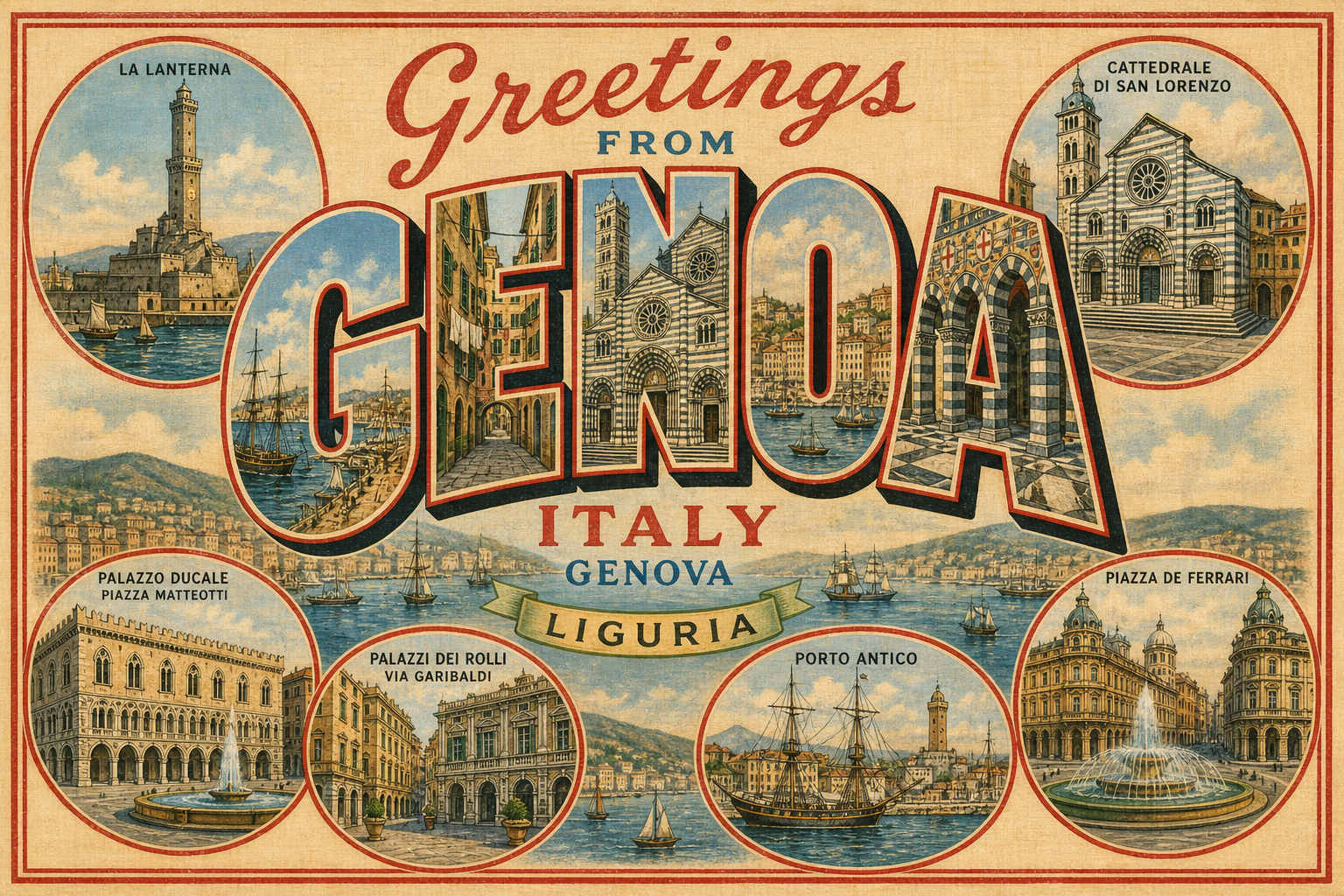
Farinata Steam in the Caruggi of Genoa
Most people treat Genoa as a transfer: cruise pier, aquarium selfie, train south to the pastel villages. That is a mistake. The real city starts when you leave the waterfront boardwalk and step into the centro storico, where the caruggi (those narrow stone alleys) run like canyons between tall houses, and the smell of chickpea batter hitting a copper pan pulls you sideways before any map app can catch up. I came for pesto and stayed for the way Genoa refuses to tidy itself. La Superba still shows its maritime…
-
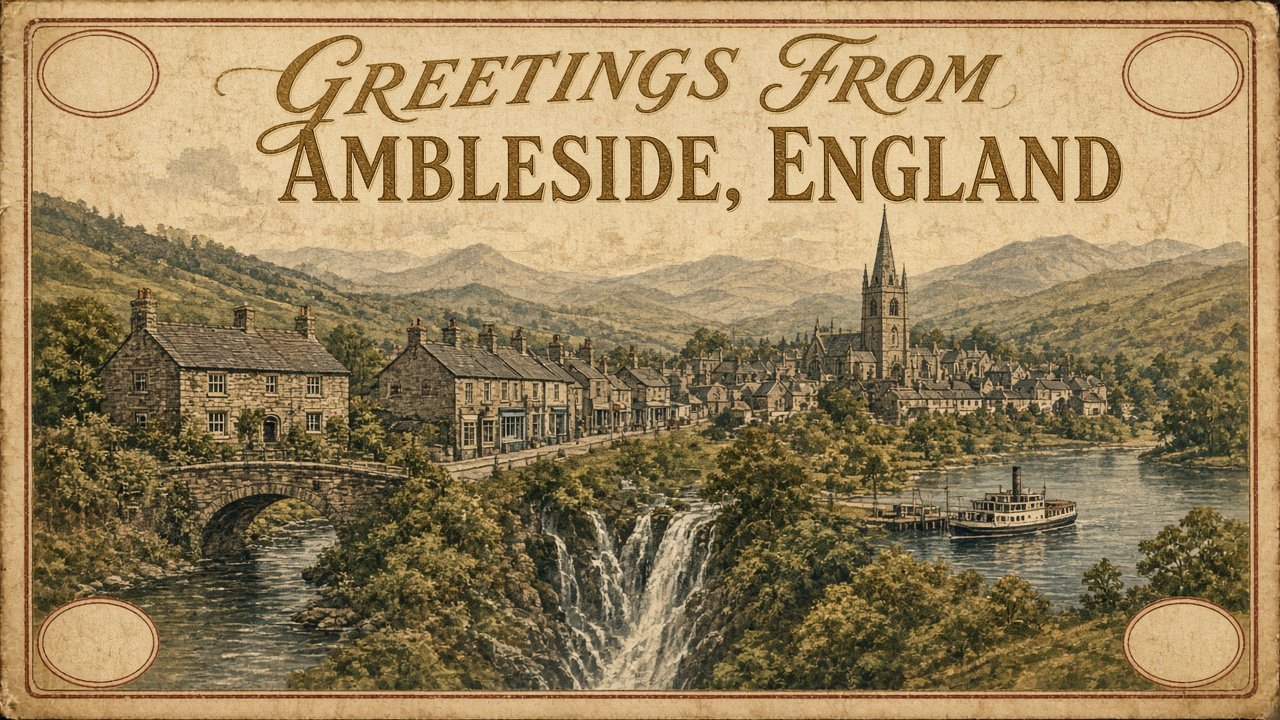
Stock Ghyll Force still drops through the mill gorge above Ambleside
Most people meet Ambleside as a kit-shop stop between Windermere and Grasmere. The A591 dumps you into Market Place, someone photographs Bridge House, and the day becomes outdoor brands, a cream tea, and a steamer ticket from Waterhead. Fair enough. What gets skipped is the beck that still cuts the town in half. Stock Ghyll runs under the tiny house on the bridge, past the old mill sites, and up into a wooded gorge where the water drops about seventy feet. The mills are mostly shops now. The force is…
-
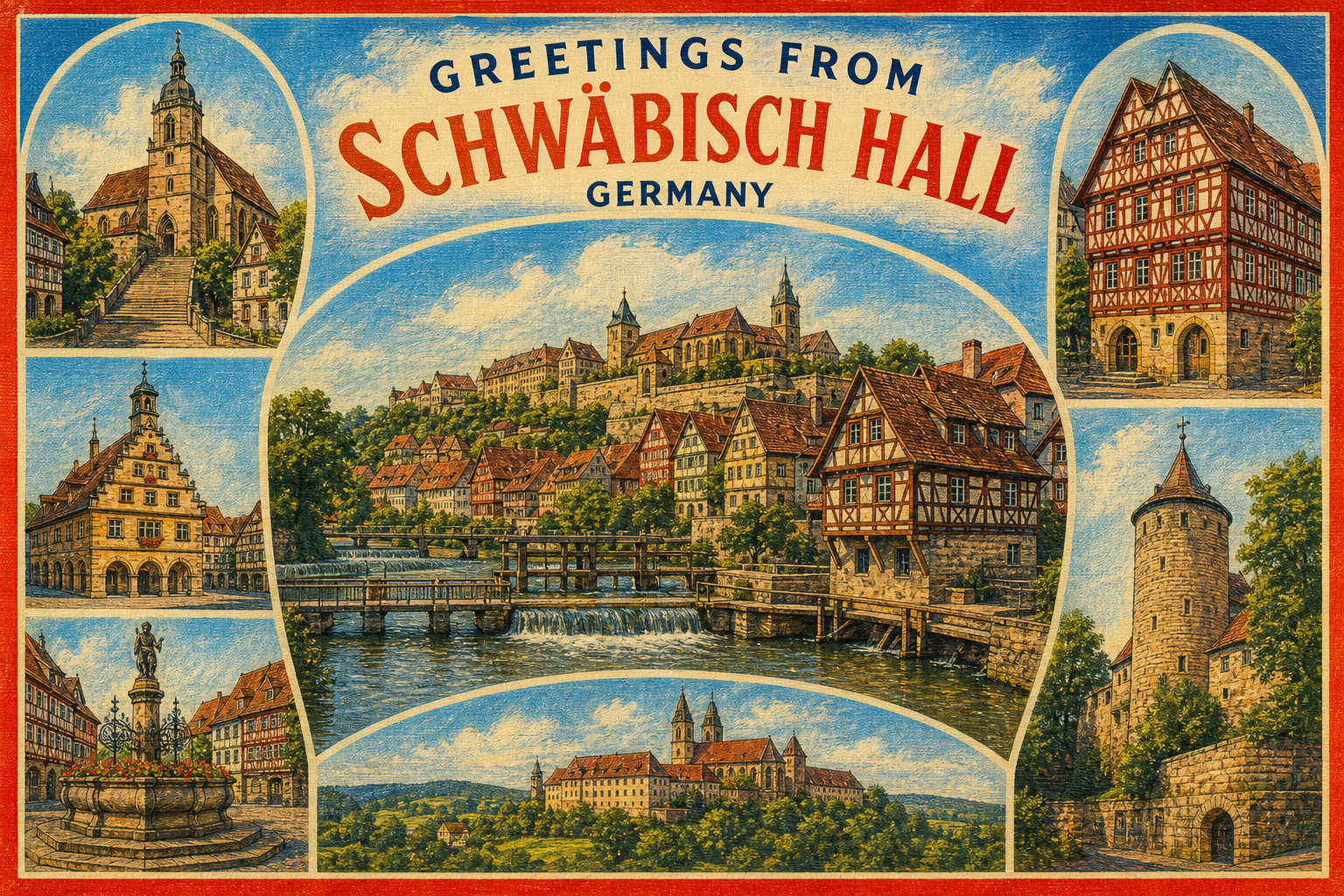
Haalplatz still holds the brine that named Schwäbisch Hall
Most people who detour into Schwäbisch Hall come for the staircase. St. Michael’s wide stone steps open onto a market square that looks, from the top landing, like someone arranged half-timber and Baroque façades for a postcard. The town’s origin story sits lower, almost at river level, on a small square called Haalplatz where salty groundwater still rises under paving stones. Hall is the old name. “Schwäbisch” got stapled on later. Hall meant salt — pan boiling, brine rights, wagons leaving for Speyer and Frankfurt with white cargo and coming…