
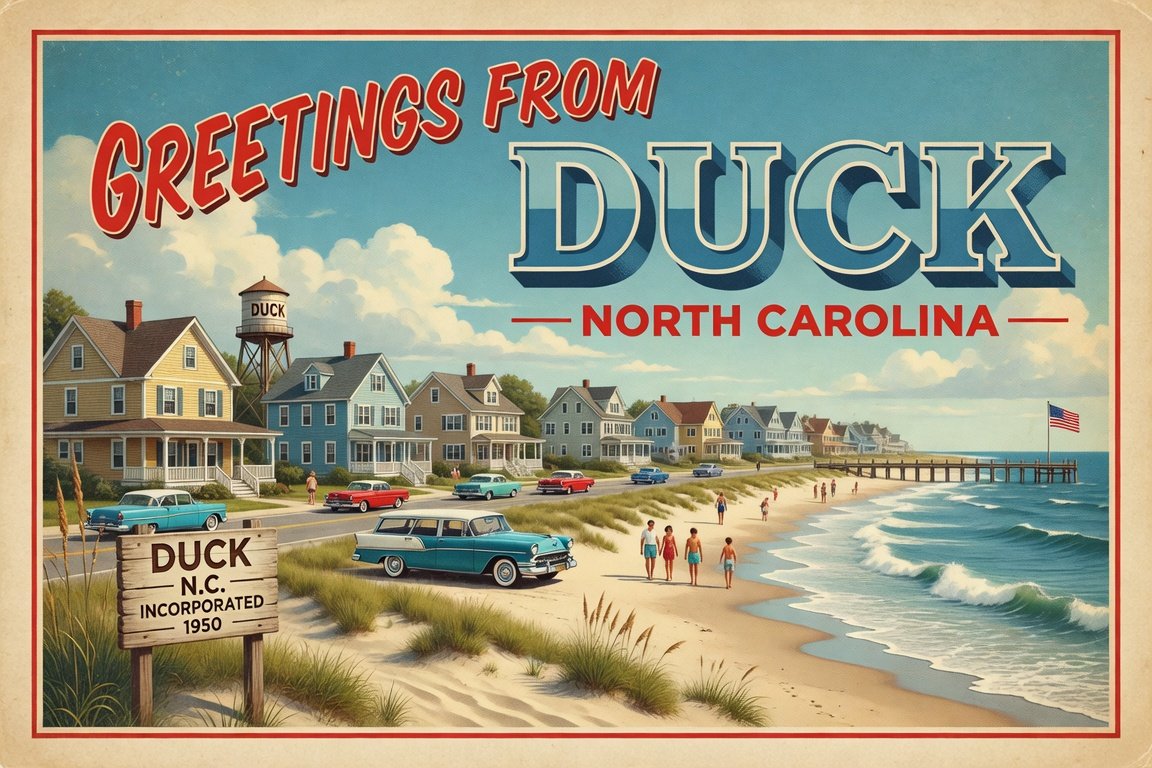
Duck sits on a narrow ribbon of land where the Currituck Sound meets the Atlantic, and the first thing you notice is how little it asks of you. No neon, no towering hotels blocking the horizon, just low roofs, sea grass, and the steady sound of wind through the dunes. It’s the kind of place where people come to disappear into the rhythm of tides and the slow turn of the seasons rather than to check off a list.
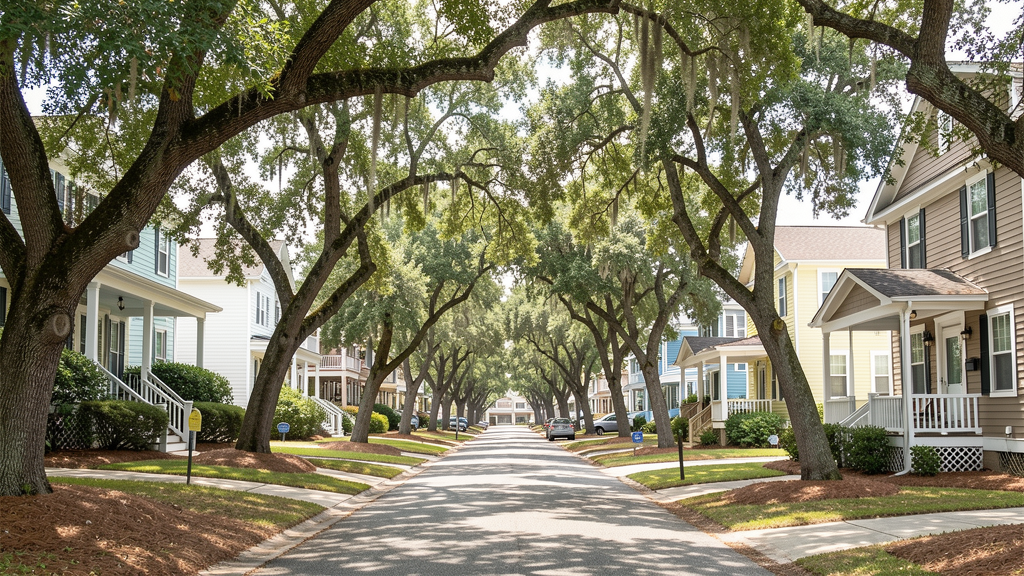
The town feels residential even in the height of summer. Homes tuck behind live oaks and wax myrtles, many of them built with wide porches that catch the cross-breezes. The main commercial area is modest by design—a handful of shops and restaurants along Duck Road that somehow never feel crowded. The real center of gravity is the Duck Boardwalk, a wooden path that runs along the sound with benches, small parks, and the kind of views that make you stop mid-stride. At golden hour the water turns silver and the marsh glows, and you’ll see locals out walking dogs or pushing strollers the same way they have for years.
What makes Duck different from the flashier stretches of the Outer Banks is its restraint. There are no boardwalk arcades or loud beach bars spilling onto the sand. Instead, the beaches remain wide and empty enough that you can find your own stretch even in July. The ocean side feels wilder, while the sound side stays glassy and protected. Both are walkable from almost anywhere in town, and that proximity is part of the appeal. You can wake up, walk to the water for a morning swim, return for coffee, and still have the day feel unhurried.
The light here does something special. Morning sun hits the sound first, turning the shallow water pale gold before the ocean side wakes up. By afternoon, the dunes cast long shadows across the beach, and the evening sky over the sound often puts on a show that stops conversations mid-sentence. It’s the kind of place where you find yourself checking the tide chart not because you have plans, but because you want to be there when the water is at its most interesting.
Places to Stay
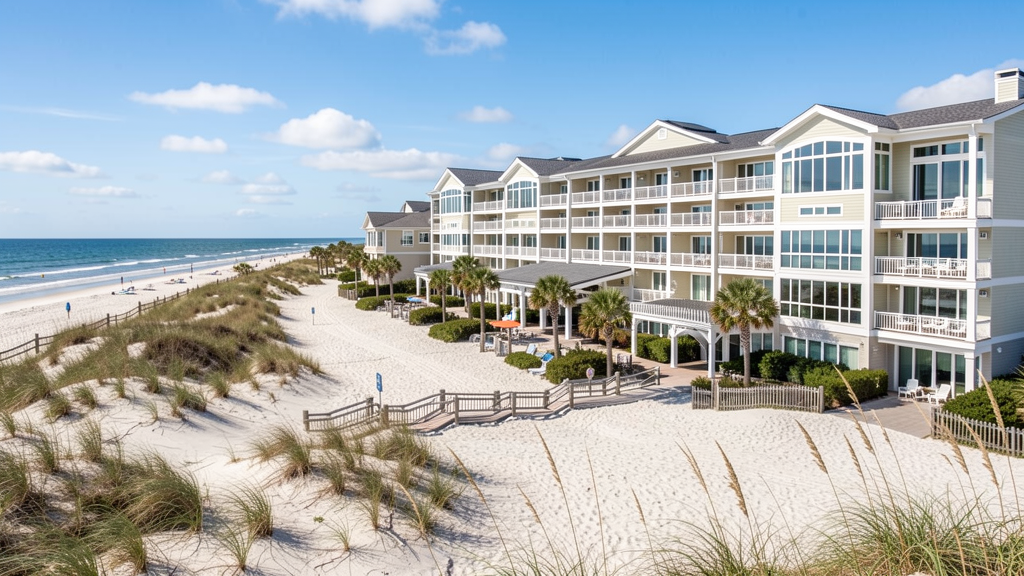
- The Sanderling Resort (1461 Duck Rd) – A longtime favorite that still feels like a private club rather than a resort. Oceanfront rooms open onto dunes and the sound of waves. The property includes a restored 1899 lifesaving station turned restaurant, and the staff remembers returning guests by name. It’s the kind of place where you can spend the whole day without leaving the grounds yet never feel trapped. The spa and multiple pools give options without the pressure to use them.
- The Inn at Duck (100 N Snow Goose Ln) – A smaller, more intimate option set back from the road with just a handful of rooms and suites. The gardens are lush, the porches deep, and the location puts you within easy walking distance of the boardwalk without the bustle. Good for couples or solo travelers who want character and quiet. The common areas encourage lingering with good books and strong coffee.
- Sea Ranch Resort (1211 Duck Rd) – A mid-century modern property that has aged gracefully. Rooms are simple and clean with private balconies overlooking the sound or ocean. The on-site pool and direct beach access make it practical for families, while the low-key atmosphere keeps it from feeling like a typical beach hotel. The on-site restaurant serves solid breakfasts that make an early start easy.
Restaurants
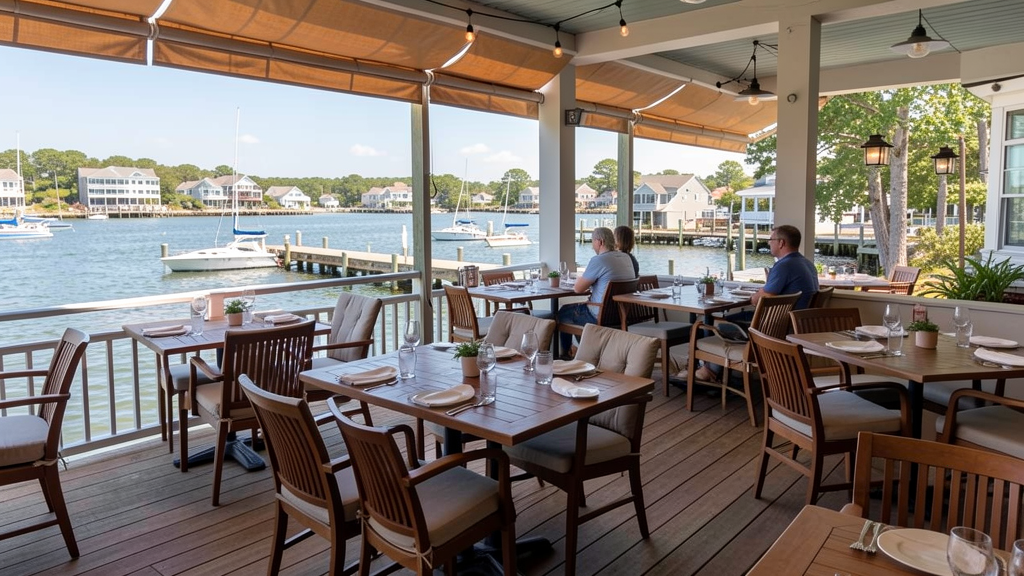
- The Blue Point (1240 Duck Rd) – Right on the boardwalk with big windows that catch the sunset over the sound. The menu leans coastal with fresh local seafood and thoughtful preparations that change with the season. The bar is lively but not loud, and the staff knows how to let a meal unfold at the right pace. Reservations are wise in summer, but the bar menu is worth a solo visit.
- Aqua Restaurant (1170 Duck Rd) – A Duck institution with a loyal local following. The focus is on simply prepared fish and shellfish, often with a Southern twist. The dining room is bright and unfussy, and the outdoor seating lets you watch the boats on the sound while you eat. The wine list is surprisingly strong for a beach town.
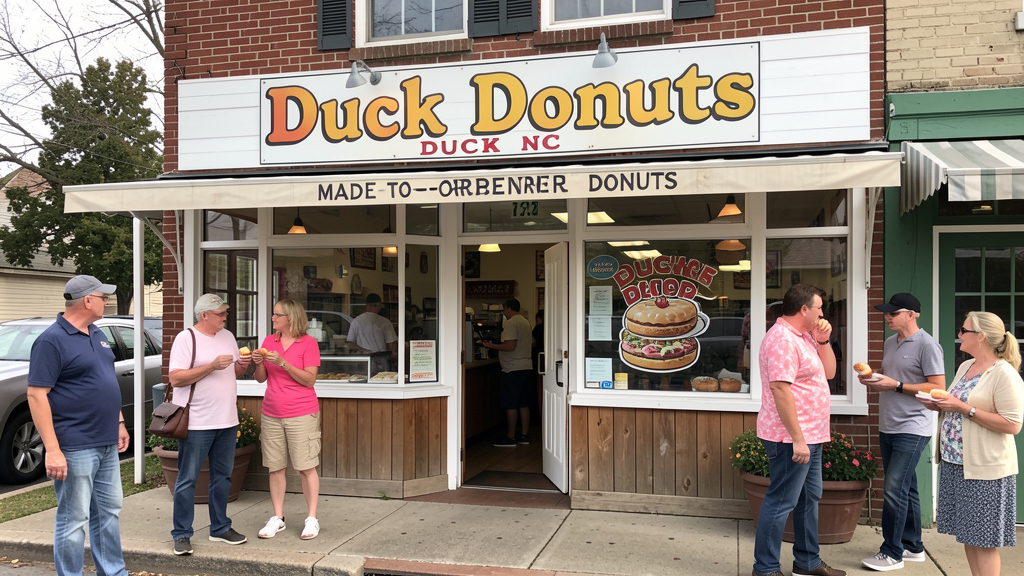
- The Roadside (1180 Duck Rd) – A casual counter-service spot that locals treat as their everyday place. Excellent sandwiches, fresh salads, and a rotating selection of local beers. It’s the kind of spot you return to multiple times during a stay because it never tries too hard. The portions are generous and the prices reasonable.
Getting Around
Duck is compact enough that a car is optional once you arrive, though most visitors drive in. The main road runs the length of town with sidewalks and bike paths that make getting to the boardwalk or beach straightforward. Biking is popular and easy—rental shops are plentiful and the terrain is flat. Many visitors bring their own bikes or rent for the week and rarely use the car again until departure.
Parking at the public beach accesses is free but fills up on peak weekends; staying within walking distance of the boardwalk solves that problem entirely. Rideshares are available but not always quick during busy periods, so planning around the slower pace of the town is part of the experience. The Duck Trail, a multi-use path, runs parallel to the main road and makes exploring on two wheels feel safe and pleasant even for casual riders.
If you want to venture farther, driving north to Corolla or south toward Kitty Hawk is simple, but the real pleasure of Duck is realizing you don’t need to go anywhere else. Everything you need is within a mile or two, and the slower pace encourages you to walk or bike rather than drive.
What to Do
The boardwalk is the heart of Duck for a reason. Walk it at sunrise when the only sounds are the water lapping against the pilings and the occasional heron taking flight. Return in the evening when the string lights come on and the sky turns every shade of pink and orange. There are small parks along the way with swings and Adirondack chairs where you can sit for as long as you like. The boardwalk also hosts occasional live music and farmers markets in season, but even on quiet days it feels like the center of community life.
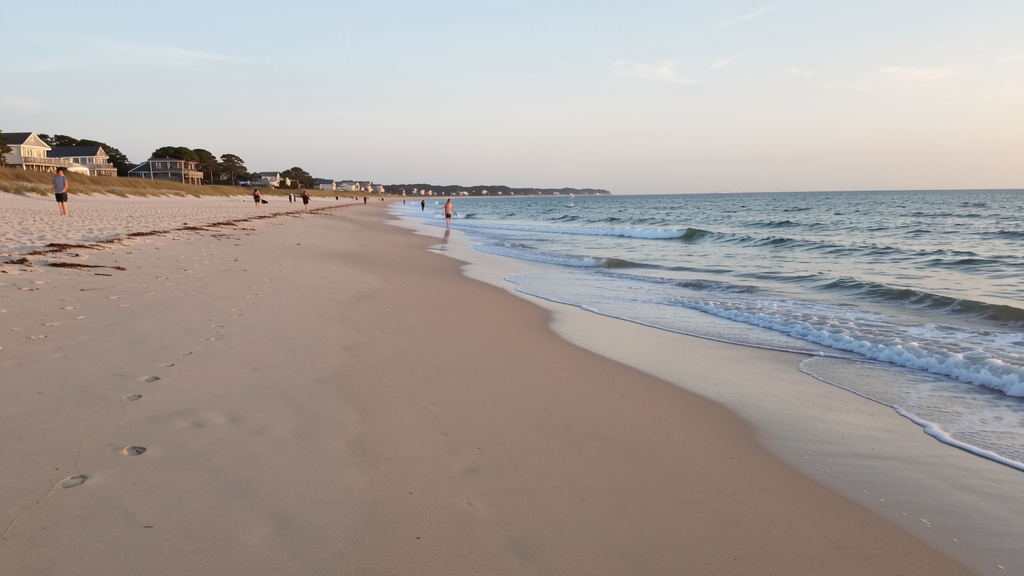
The beaches themselves reward early mornings and late afternoons. The sand is soft, the waves consistent, and the crowds thin compared to more developed stretches to the south. Bring a book and a blanket and let the day stretch out. Lifeguards are on duty in season at the main accesses, but many stretches feel almost private. Shelling can be excellent after a storm, and the sunsets from the ocean side are different every night.
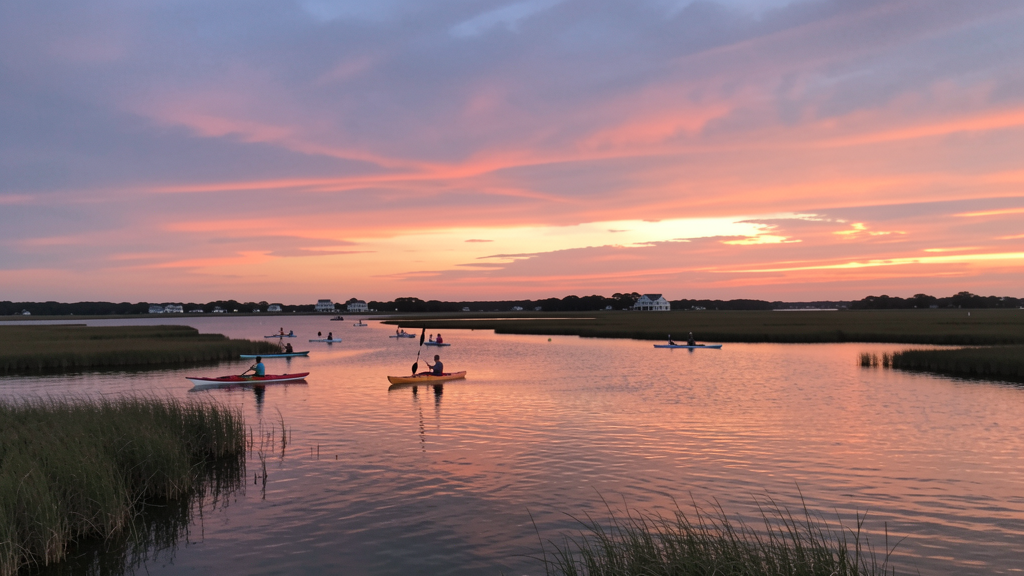
For something different, rent a kayak or paddleboard and explore the sound side—the marsh creeks are calm and full of birdlife, and you can glide right up to the boardwalk from the water. Several outfitters offer rentals and guided tours if you want to learn the local waterways. The sound is also popular for stand-up paddleboarding and small sailboats when the wind cooperates.
Duck doesn’t try to entertain you. It simply offers space, light, and the steady presence of water on both sides. That’s usually enough.
