
Cipolla rossa mornings above Santa Maria dell’Isola in Tropea
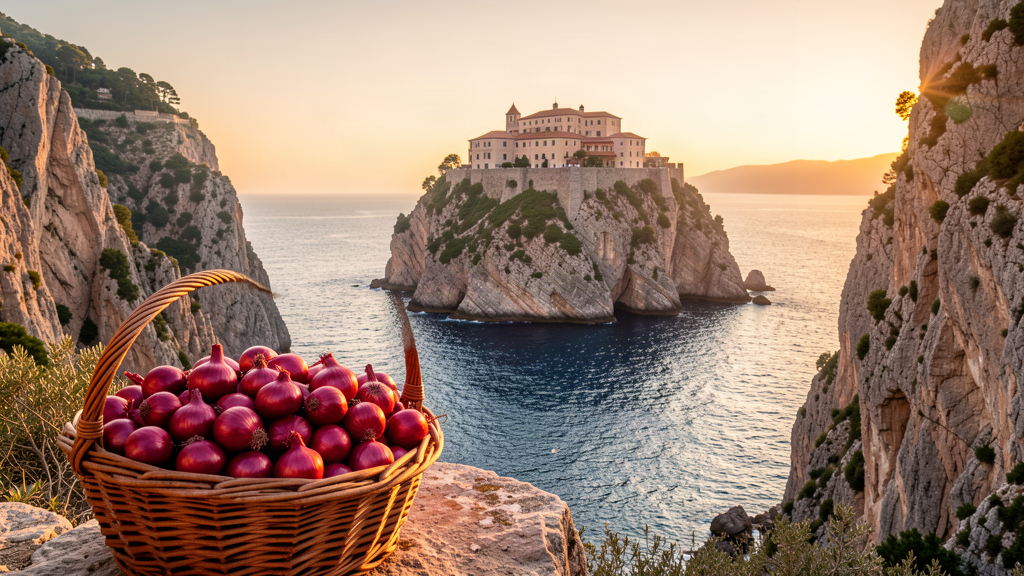
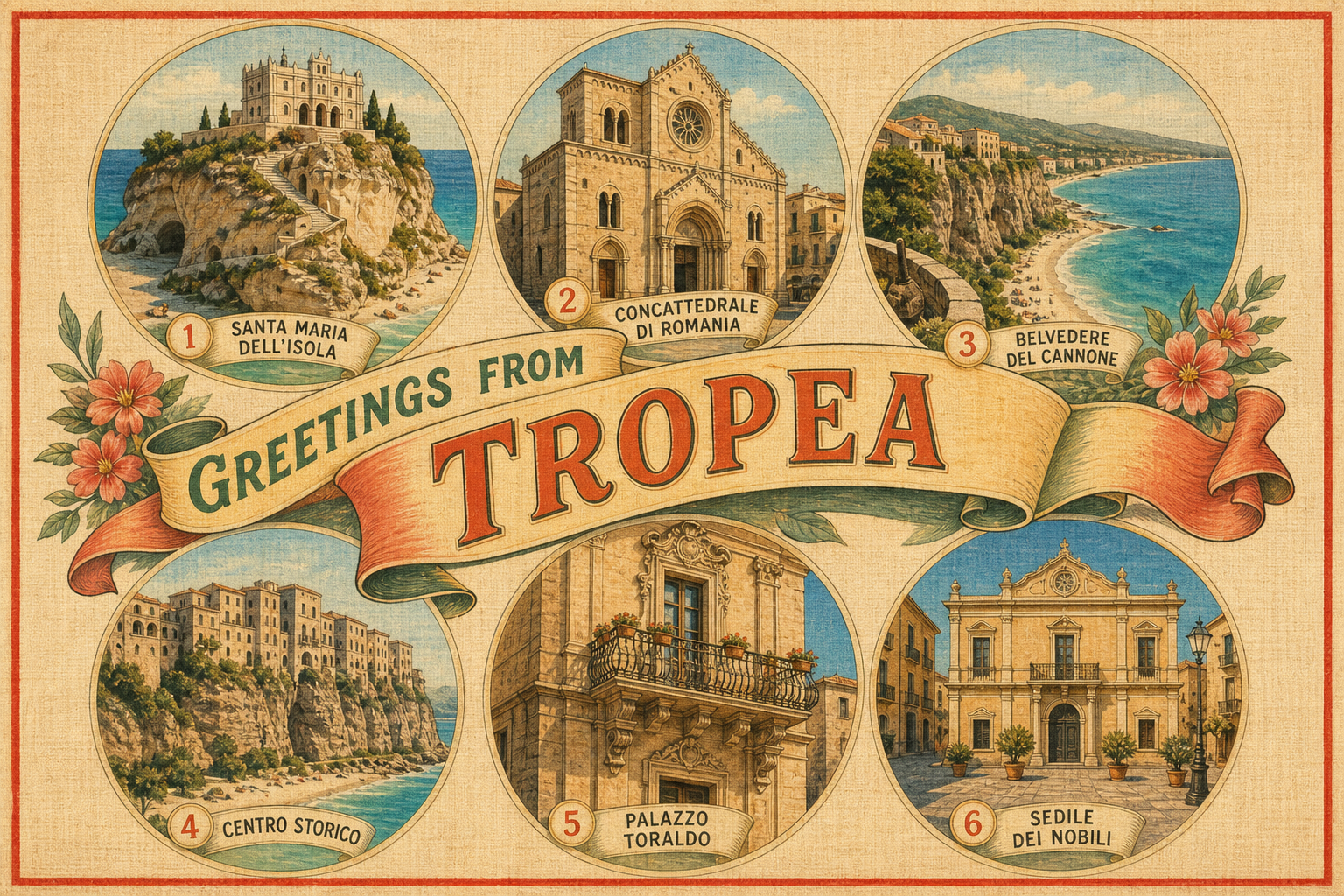
Tropea sits on a sandstone cliff above the Tyrrhenian, the whole centro storico balanced on a shelf of rock. Below, pale sand runs toward the outcrop that holds Santa Maria dell’Isola, the small sanctuary that looks from the belvedere like a church set on a loaf of stone. Above, the old town is lanes, laundry lines, and shopfronts selling the thing Tropea will not stop talking about: the sweet red onion.
You can come only for the postcard. Plenty of people do. Stay a few nights and the place becomes less about the perfect cliff shot and more about stairs, market bags, and the light when you drop from Corso Vittorio Emanuele to the beach and climb back with salt on your calves.
The rock, the stairs, the shelf town
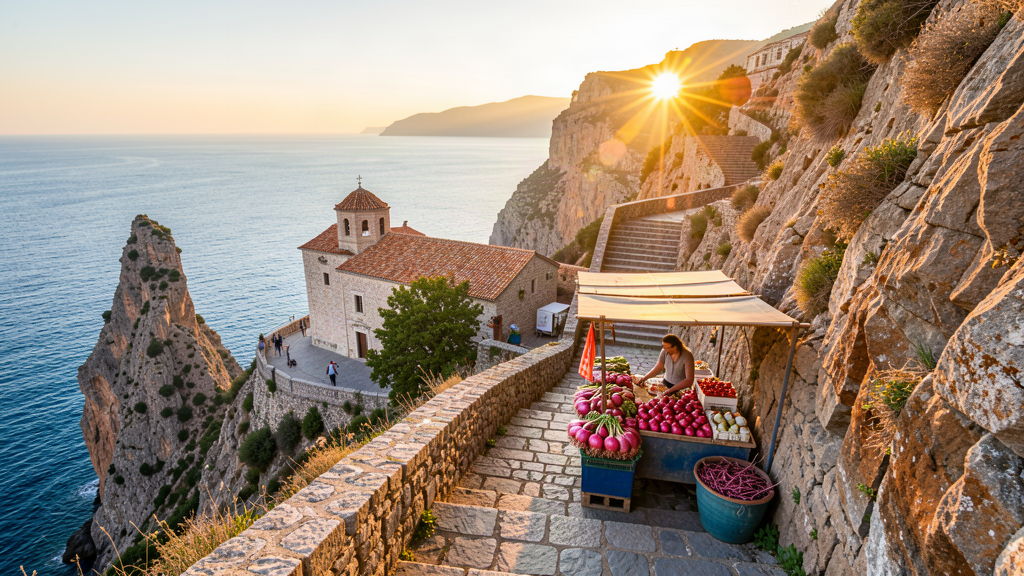
Santa Maria dell’Isola is the image everyone already has, and it mostly lives up to the hype. A short path and staircase lead onto the rock; church and former monastery sit above water that shifts from bottle green to hard blue by the hour. Go early if you want a quieter path. Midday brings the selfie queue and heat bouncing off pale stone. Late afternoon softens both.
From the old-town belvederes, the Isola sits in the frame with Capo Vaticano south on a clear day and, on the best evenings, a smudge of the Aeolian islands. People who live here walk past it on the way to buy bread. If you just arrived, you will stop. Stay long enough that the overlook becomes part of the route, not only a photo stop.
The habit of Tropea is vertical. The historic center lives on the cliff; beaches and the small marina live below. Stairways connect them, and your knees will notice. Count on ten minutes down if you are not rushing, longer up, and plan water in July and August. The descent is part of the day, not something you need a taxi for every time, though a car helps with beach gear or day trips along the Costa degli Dei.
Up top, Corso Vittorio Emanuele is the spine: gelato, ceramics, onion jam in jars, linen shops, and the evening parade when the heat finally breaks. Side lanes peel toward larghi and piazzas where stone holds the day’s warmth after dark. This is not a huge centro. You can cross it in minutes and still get lost twice. That feels about right.
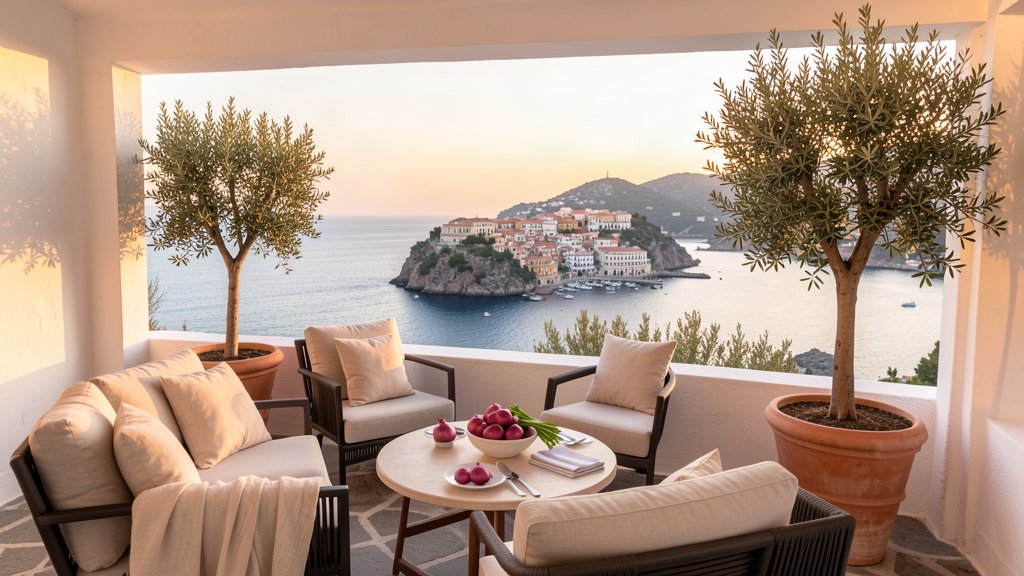
Cipolla rossa, market bags, and the table
Tropea’s red onion (cipolla rossa di Tropea) is a protected variety grown along this coast, mild enough to eat raw without the usual onion burn. You meet it in salads, in cipollata, against grilled swordfish, as jam, and braided in strings at stalls. On a beach town that could coast on water alone, the onion is still the thing people talk about at dinner.
Saturday is the useful day if your stay lines up. The weekly market sets up behind the Contè supermarket area (Mercato Settimanale on local maps): produce, clothes, household odds, and enough onion traffic to fill a tote. On other days, centro shops keep jars and braids for the train home. Buy jam if you cook. Buy a fresh string if you have a kitchen and no shame about an allium fridge at the B&B.
Fish is the other constant: swordfish, anchovies, prawns, whatever the boats brought, cooked simply because the catch does not need dressing up. Peperoncino and ‘nduja wander in from the wider Calabrian pantry. Portions in family places are generous. Book dinner in high season. Lunch is easier when the kitchen opens, not in the sleepy gap after 2:30.
Osteria della Cipolla Rossa, Via Lungomare, 89861 Tropea VV, puts the onion in the name and on the plate without making a gimmick of it: traditional Tropeana cooking, lungomare setting, the table where you order too much antipasto and then do it again. Book when the town is full.
Alice Restaurant, Via Boiano 4 (Largo Galluppi), 89861 Tropea VV, sits in a quiet historic piazzetta off the main choke point. Careful Calabrian plates, seafood when the catch is right, a room that feels looked-after rather than themed. Good for centro convenience without a beach umbrella over your head.
Ristorante Tropea Vecchia, Largo Barone 4 (vicolo off Via Roma), 89861 Tropea VV, is old-town dinner with stone walls, a courtyard feel, and a menu that still reads like a local kitchen. Reserve in summer; lanes fill after eight.
Between meals, stand for espresso, then hunt gelato on or near the corso. If someone is doing savory onion ice or serious ricotta, try it once for the story. Nobody will make you finish it.
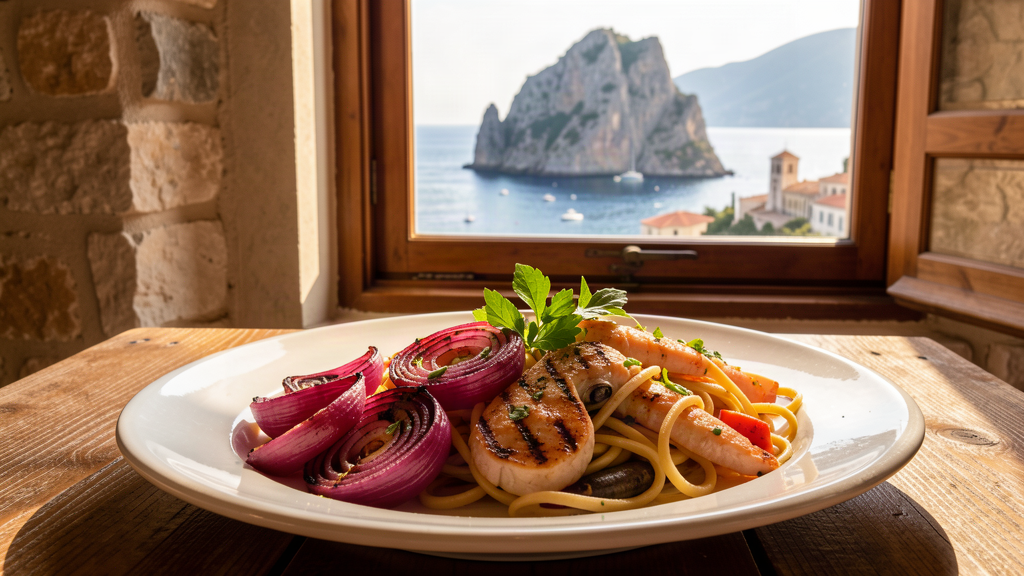
Places to stay
Sleep in or next to the centro for stairs, belvederes, and dinner on foot. Sleep slightly off the cliff edge for a quieter night and a short walk in.
Budget: B&B Le Terrazze, Via Aragona 9, 89861 Tropea VV. Family-run rooms in the historic fabric, terrace time with sea air, a price that leaves money for fish and market bags. You trade lobby polish for location and a host who knows which staircase hurts less after lunch.
Midrange: Hotel Rocca della Sena, Via Paolo Orsi 6, 89861 Tropea VV. Small design-leaning hotel in a villa setting a short walk from beach access and the old town. Terrace sunsets, a handful of rooms rather than a resort wing, air-conditioning and breakfast without leaving Tropea for a coastal mega-complex.
Splurge: Palazzo Naso, Piazza Ercole, 89861 Tropea VV. Nineteenth-century palazzo in the centro heart, sea-view rooms when you book them, the stay where you step into the evening passeggiata without calculating parking. Worth it when the room is part of why you came, not only a bag drop between swims.
Prefer a pool and a slower pace? Look just outside the historic core toward newer streets and small agriturismo-style stays; a short drive or walk still puts you on the cliff by mid-morning. In August, book early at every tier.
Getting here and moving around
Tropea is in the province of Vibo Valentia on Calabria’s Tyrrhenian coast. The town has a railway station on the coastal line; from Lamezia Terme airport (SUF) the usual pattern is hire car or train plus taxi. Driving the Costa degli Dei is half pleasure toward Capo Vaticano or Pizzo, and half a test if you dislike narrow coastal roads in high season.
Inside Tropea, walk. The centro is compact; the beach is a staircase away. A car is for day trips and groceries, not for circling belvederes hunting mythical parking at 7 p.m. in July. Park once, then use your feet until you need Capo Vaticano’s coves or a farm inland where the onions grow.
Summer is crowded and hot: start early, nap or swim through the white hours, reappear for the passeggiata. May, June, September, and early October are kinder on the Isola path. Winter is quiet; some kitchens slow down; cliff light gets sharper if you pack a jacket and lower beach expectations.
A day on the shelf
Morning: coffee in the centro, then the belvedere while the Isola still has soft light. On Saturday, do the market first and stash onions before the heat. Walk to Santa Maria dell’Isola before tour groups thicken.
Midday: stairs down to the sand. Swim. Simple beach or lungomare lunch, or climb back if you booked Alice for shade in the piazzetta. The climb is the tax for living on a shelf; budget time and water.
Afternoon: slow corso wandering, ceramics if you have bag space, onion jam if not, a second belvedere so the water has changed color. With a car, Capo Vaticano’s viewpoints and coves are the classic half-day. Without one, another swim and a long gelato are honest enough.
Evening: aperitivo when the stone cools, dinner at Osteria della Cipolla Rossa or Tropea Vecchia, then a night walk when lanes empty enough to hear open windows. Look down at Isola lights if they are on. Climb the stairs twice. Eat something that tastes like this coast. That is enough of a day.
The town will keep selling the cliff photo, and the photo is fair. What I remember longer is smaller: legs burning on the way up, a braid of red onion on a market table, a sanctuary on a rock that still feels local after a thousand cameras. Leave with jam in your bag and sand in your shoes.
