
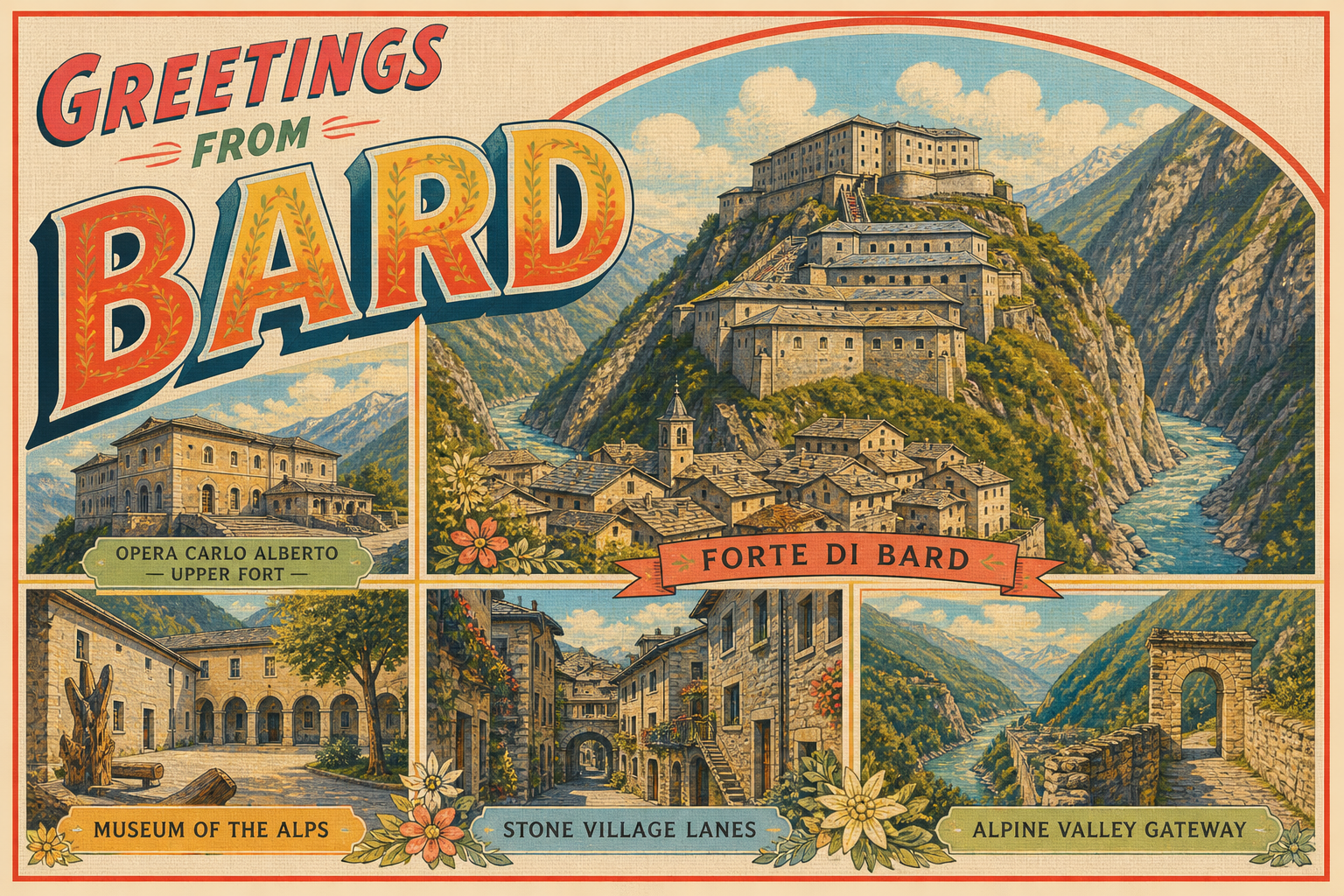
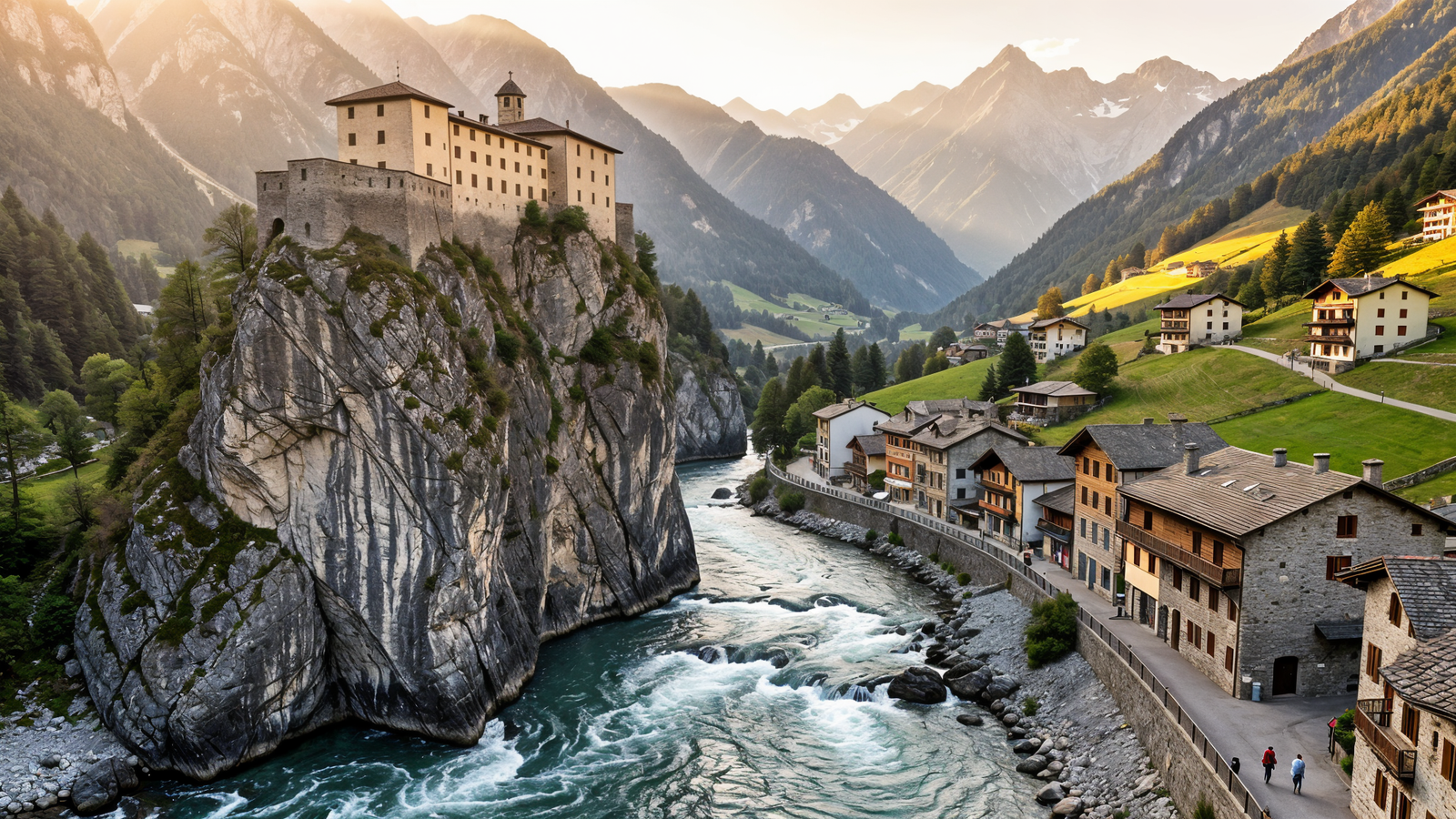
Most people enter Valle d’Aosta the way the valley wants them to: fast. The A5 slides past vineyards and factory roofs, and somewhere between Piedmont and Aosta the rock walls close in. Look up and a fort sits on a boulder like a grey ship that never left port. That is Bard. The village is not a side trip from the fort. The fort is why the village exists, a cork in the bottle of the Dora Baltea.
I stop here when I want the lower valley without the ski-town script. Fewer than a couple hundred people live in the comune. The main street is one stone lane. Above it, Forte di Bard climbs in stacked masonry. You do not need a full museum day. An hour on the cobbles, a look at the river where the gorge narrows, and enough time upstairs to feel how this rock once owned the road is usually enough.
The cork in the valley bottle
Bard sits on the lower Dora Baltea where the valley thins into a choke point on the old road between the Po plain and the Alpine passes. People put walls on this rock long before Savoy engineers shaped the present fort: river on one side, cliff on the other, a narrow passage you could tax, block, or defend.
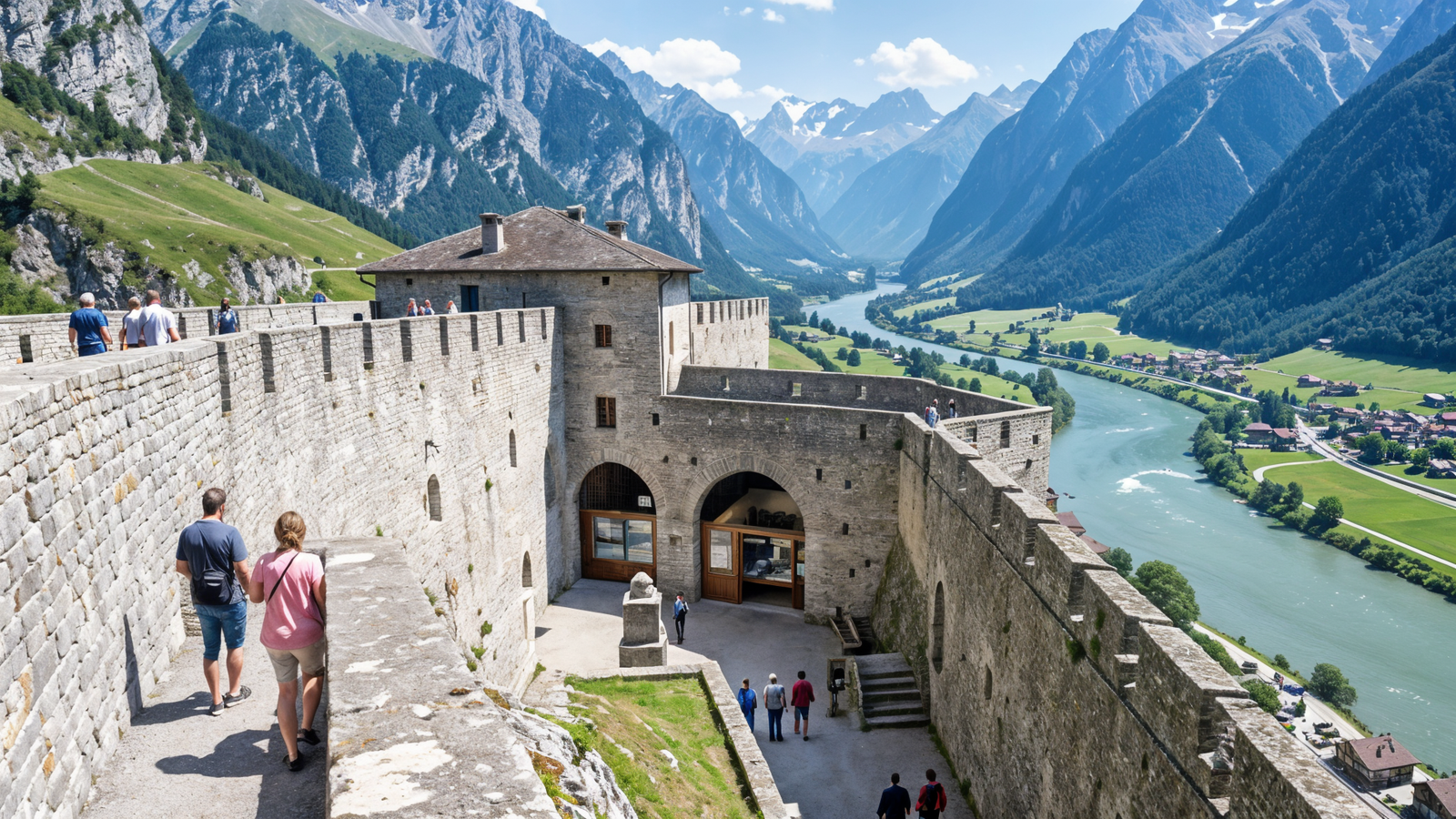
Napoleon’s army learned that in 1800. The older fortress held out for days; when the French took it, they dismantled what they could. The House of Savoy rebuilt in the nineteenth century, the stepped complex you see now, less fairy-tale castle than military machine on a rock. Later it sat empty. Restoration brought museums, lifts, shows, and a hotel in old garrison space. The silhouette stayed honest: pale stone, hard angles.
Stand at the base and the fort is not pretty. It is inevitable. The rock is the architecture. The buildings only admit it.
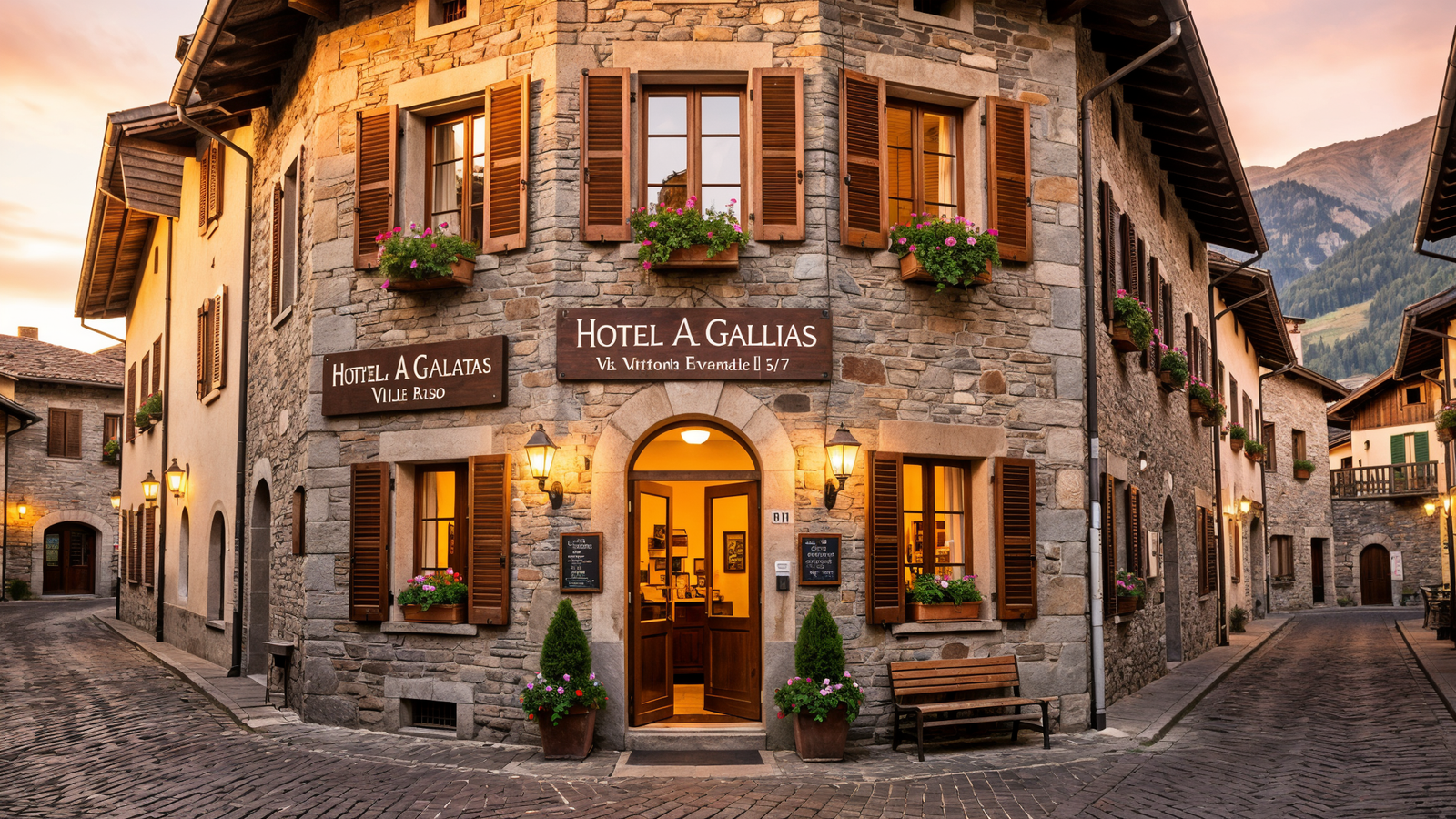
Via Vittorio Emanuele under the wall
Leave the car in the multi-story park or the lower lots and walk into the borgo. Via Vittorio Emanuele II is the spine: stone underfoot, house fronts close, the fort so near that shadows arrive early. Bard is listed among Italy’s most beautiful villages, which can sound like a sticker. On a quiet weekday, it feels like a short, serious street that never had room to sprawl.
Do not race the lane. Notice doorways, ironwork, pavement tipping toward old drainage. The village is tiny; the pleasure is density, not distance. A coffee at a simple bar does more for me than another panoramic shot from a terrace I have not climbed yet.
If you only have ninety minutes, split them: half on the street, half upstairs. If you have a night, reverse the day-trip order. Walk the borgo at dusk. Sleep under or beside the rock. Take the fort in the morning before school groups hit the elevators.
Up the rock: museums without the march
Forte di Bard is a complex, not a single keep. You move between levels — Opera Carlo Alberto and the other fortress bodies — by path and public lifts. Buy the ticket that matches your curiosity. The Museo delle Alpi is the reliable core: mountain life and landscape with more patience than a trophy room of weapons. Temporary shows rotate. The prisons and casemates are worth a slow walk if you like stone weight more than glass cases.
You do not have to see everything. One museum block and one long view over the Dora Baltea are enough for most people. Elevators help; still, wear shoes that forgive uneven floors and cool interiors even in July.
Film crews have used the silhouette. What stays with me is the choke point itself: river, road, rock, and a fort that still reads as a gate even when only a tourist minibus is passing.
River, vines, and the lower valley hour
After the masonry, go back to water. The Dora Baltea is not decorative here. Find a safe bank or bridge view and watch the current. Terraces and vines pick up where the fort’s shadow ends. Donnas, a short hop away, carries the valley’s first DOC wine story; Hône sits close enough that a walk feels like the next parish.
If you have a car and an afternoon, Issogne’s castle gives painted rooms after Bard’s military geometry. Keep it secondary. Bard is the pinch. Summer weekends thicken Vittorio Emanuele; shoulder weekdays can feel almost private.
Plates under and inside the fort
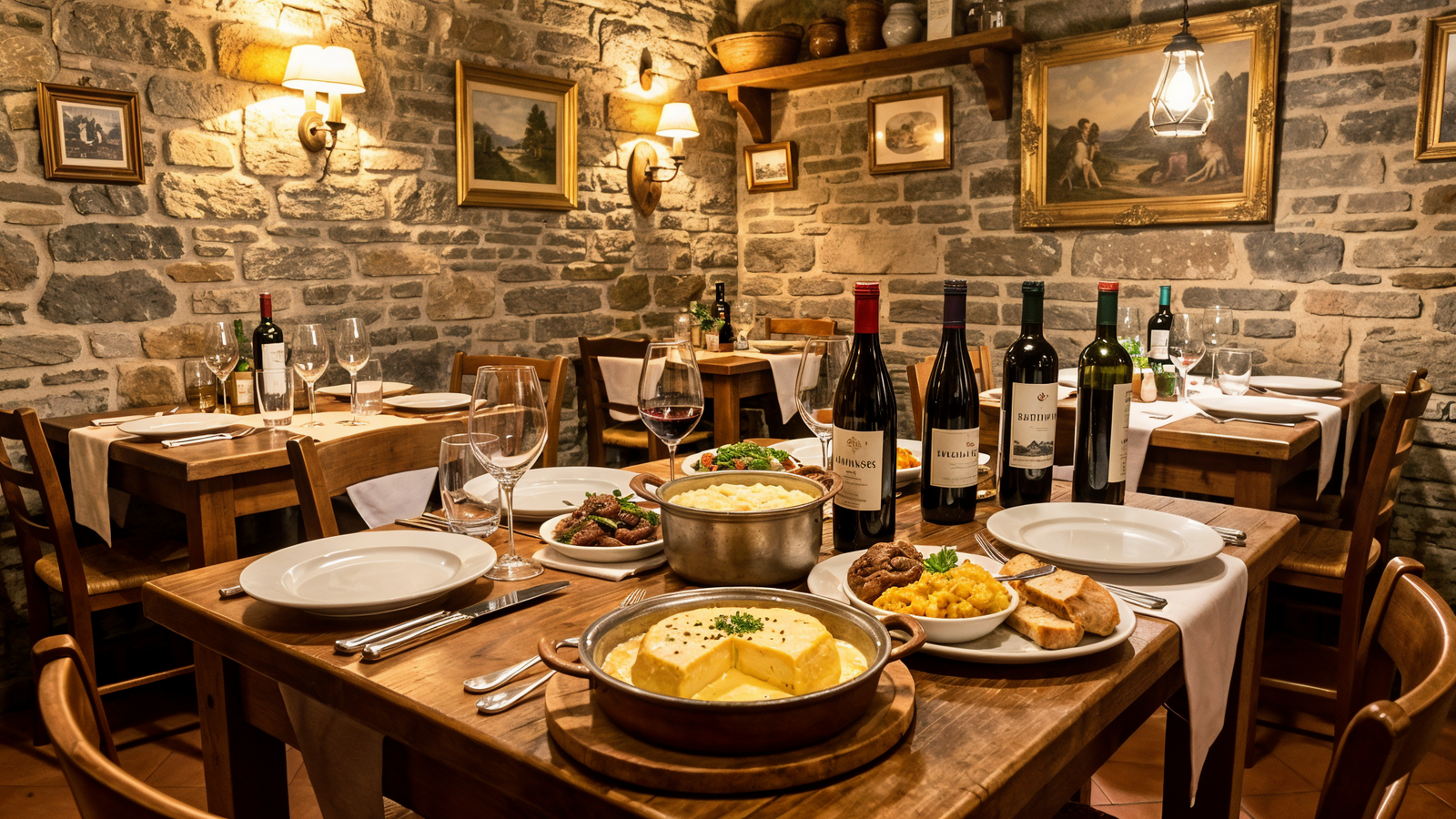
Valdostana food does not need a speech: cured meats, polenta, fontina, soups that behave like meals, mountain wines from nearby slopes. In Bard, the dining map is short. That helps.
Bar del Borgo
Via Vittorio Emanuele II 37, 11020 Bard AO, Italy
The village table most people actually use — warm room, honest prices, local plates without fortress theatre. Good for lunch on the cobbles or a simple dinner after the museums. Confirm hours outside peak weeks.
Ristorante Ad Gallias
Via Vittorio Emanuele II 5/7, 11020 Bard AO, Italy
Attached to the hotel of the same name: more composed cooking, seasonal Valle d’Aosta products, a serious wine list without turning dinner into a lecture. Book on weekends for a slower evening after a fort day.
Ristorante La Polveriera
Via Vittorio Emanuele II 85 (Forte di Bard), 11020 Bard AO, Italy
Inside the monumental complex. Salads, first courses, Valdostan notes (mocetta, fontina) at prices that usually stay calmer than the setting suggests. Practical when you are already upstairs. Check seasonal opening.
Between meals, a bar espresso on Vittorio Emanuele is enough.
Places to stay
Sleeping in Bard changes the visit. Soft luggage helps on cobbles. Ask about parking when you book.
La Maison des Vignerons — value, vines in Donnas
Frazione Grand Vert 224, 11020 Donnas AO, Italy
A short drive from the fort, among the Donnas vineyards in an old country house with stone vaults and a calmer bill than sleeping inside the monument. Choose it for lower-valley quiet while Bard stays an easy hop.
Hotel Ad Gallias — mid to upper, village fabric
Via Vittorio Emanuele II 5/7, 11020 Bard AO, Italy
Boutique scale on the historic lane, some rooms in an old fortified building that once controlled access to the village, spa and restaurant on site. Walk out onto Vittorio Emanuele after dinner without moving the car. Book ahead for holiday weeks.
Hotel Cavour et des Officiers — stay inside the walls
Via Vittorio Emanuele II 85, 11020 Bard AO, Italy
Inside Forte di Bard, in rooms reworked from old garrison space above the former bakery in the Carlo Alberto works. You sleep in the machine that once closed the valley. Confirm check-in logistics — this is a monument with a hotel in it.
One night works. Two are better if you want the fort at opening and a second dinner not rushed by the motorway.
Getting there and moving once you arrive
Bard is lower Valle d’Aosta on the Dora Baltea corridor, about forty kilometers from Aosta and close to the Piedmont edge. The A5 is the obvious approach; exits for the Bard–Hône–Donnas cluster drop you onto valley roads in minutes. Turin is usually the cleaner flight gate than Milan if Bard is your first stop.
Trains follow the Dora Baltea better than many Alpine side valleys. Check Hône-Bard or nearby stops and plan a short taxi or walk. Once here, walk the borgo and ride the fort lifts. A car helps for Donnas, Issogne, and groceries; inside Bard it mostly waits in a garage.
A day that fits the cork
Coffee on Via Vittorio Emanuele while shutters are still half closed. Slow lap of the borgo before the fort ticket. Late morning upstairs — one museum, one long look at the Dora Baltea — then down. Lunch at Bar del Borgo if you want the village, La Polveriera if you are still in the complex.
Afternoon: river view, Donnas vines, or a bench under the rock. Issogne if you want painted calm after military stone. Back for dusk on the lane. Dinner at Ad Gallias if you booked it, or a simple plate in the borgo. Night air against masonry.
Leave on the A5 knowing you stopped in the valley’s doorway. Bard is a rock, a river forced close, a short stone street, and a fort that still behaves like a gate. Stay long enough to hear shutters and water, not only elevator doors.
