
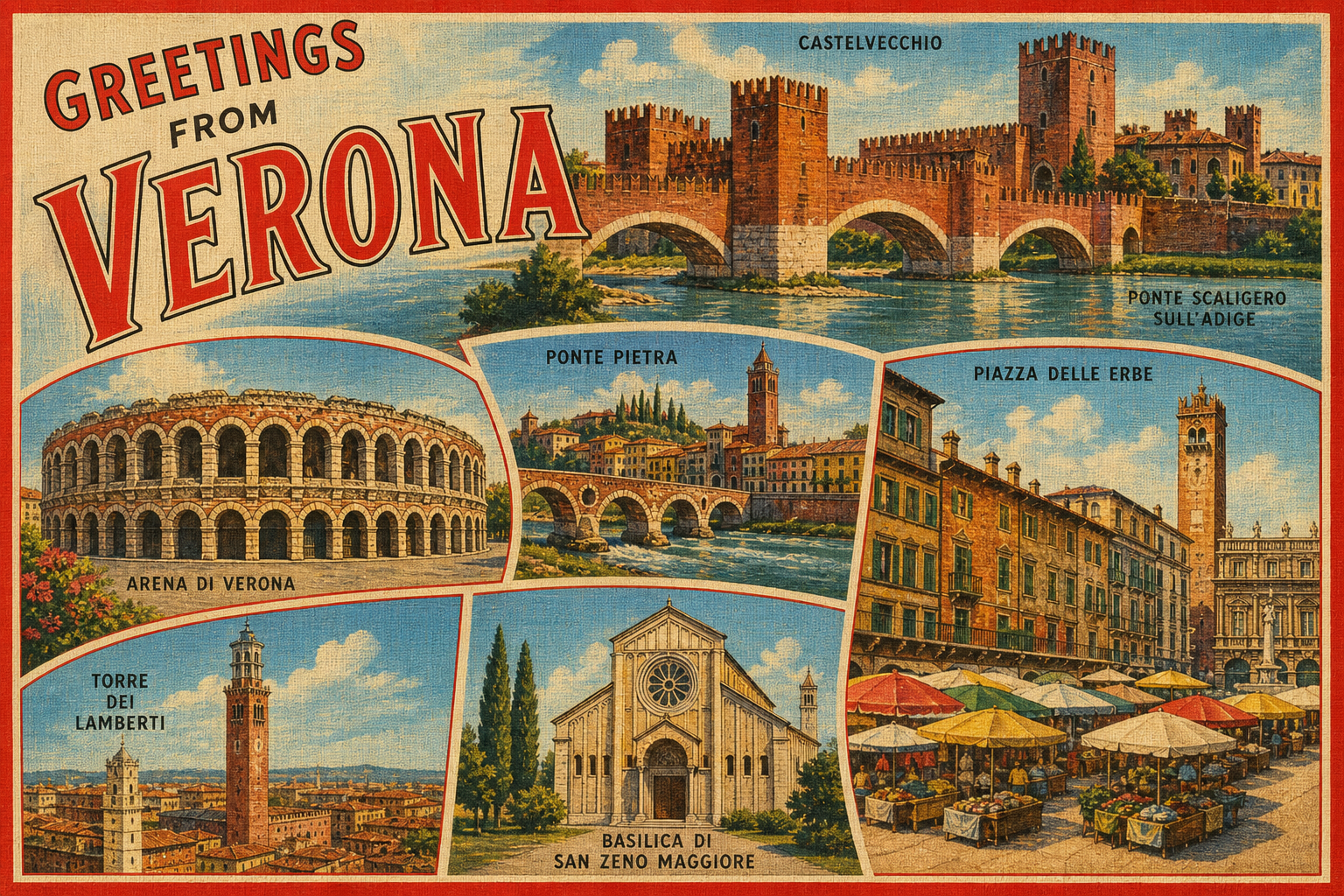
I went to Verona for the Arena and left talking about a former slaughterhouse. That is not a complaint. Juliet’s courtyard was ten minutes of phones and elbows; twenty minutes later I was under the roof of the Mercato Coperto di Campagna Amica on Via Macello, buying a wedge of Monte Veronese and eating something still warm while the Adige slid past the Filippini bank. The old center still does that pink-and-cream thing in late light. The market is where I actually believed people who live here buy their food.
Romeo and Juliet will find you whether you ask or not. Give them an hour. Then go where Verona keeps ordinary hours: the covered market, the east-bank streets of Veronetta, the osterie where nobody is staging romance for a tour group.
The ex-Macello and the river bend
The Mercato Coperto sits in Filippini, a short walk from the Arena, inside the old municipal slaughterhouse locals still call the Ex Macello. Map pin: Galleria Filippini, Via Macello 5a, 37121 Verona. Coldiretti’s Campagna Amica network runs it as a km0 hall — growers and producers from the province selling what is in season.
Go in the morning if you can. Fruit and vegetables with dirt still on them. Cheese counters that cut a tasting piece without a speech. Olive oil, salumi, Valpolicella bottles you can actually carry home. There are tables on the river side where people build a plate from three stalls instead of one restaurant ticket. It smells like produce and coffee, not concept dining.
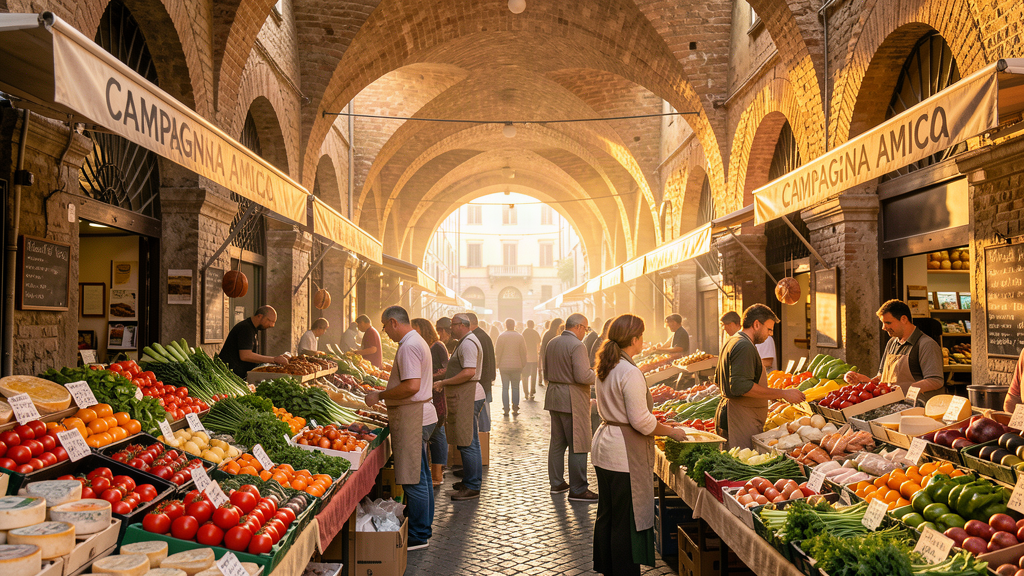
I like to walk out afterward along the Adige toward Ponte Pietra, or the other way toward Castelvecchio. Once you stop treating Piazza Bra as the whole city, the river does more of the work. In summer the water looks almost lazy; in colder months the wind off it makes the market roof feel like a gift. Along the bend you get joggers, students with backpacks, someone carrying shopping home across a bridge.
Veronetta on the other bank
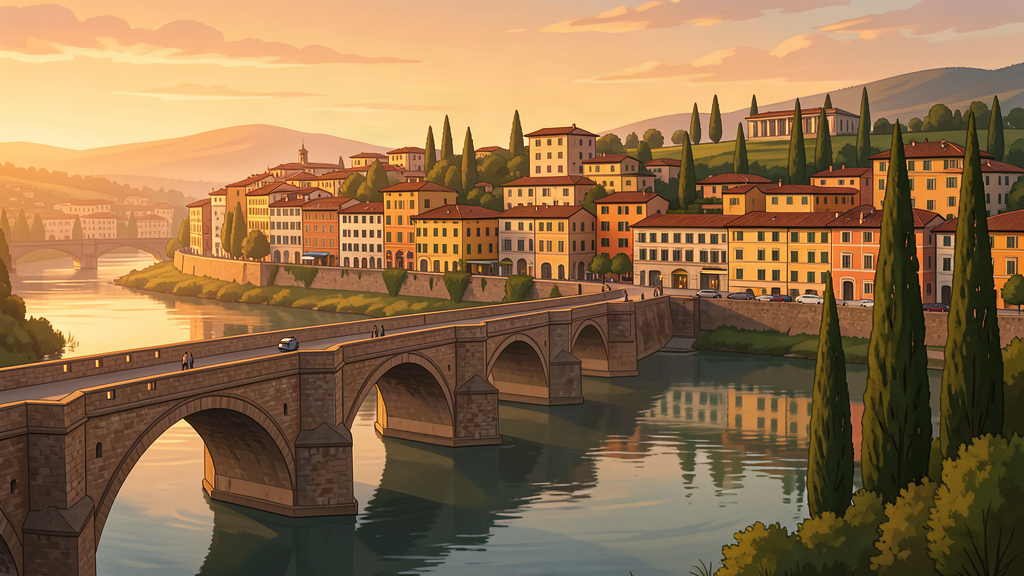
Cross Ponte Pietra or one of the busier bridges east and you are in Veronetta. Guidebooks used to call it rough. What you find now is a mixed quarter of students, long-term residents, parish streets, and bars that open because people in the neighborhood drink, not because a cruise ship docked. The Roman theatre and the climb to Castel San Pietro sit on this side if you want a view. I go up once for the panorama, then spend the rest of the time down in the grid where the view is doorways and laundry.
Via San Nazaro, Via San Vitale, the lanes around the old university buildings — this is the Verona that stays up late without opera spillover as a soundtrack. An ombra of wine costs a normal amount. Small plates show up without the markup you pay closer to the Arena. Albacaro, a Venetian-style bacaro that opened in Veronetta on purpose, makes the east bank feel less like a side trip and more like somewhere you might come back to twice in a week.
Near Casa di Giulietta you hear a lot of everything. Over here, the next table is often still Italian. That is a small thing, and it matters more than it should.
Places to Stay
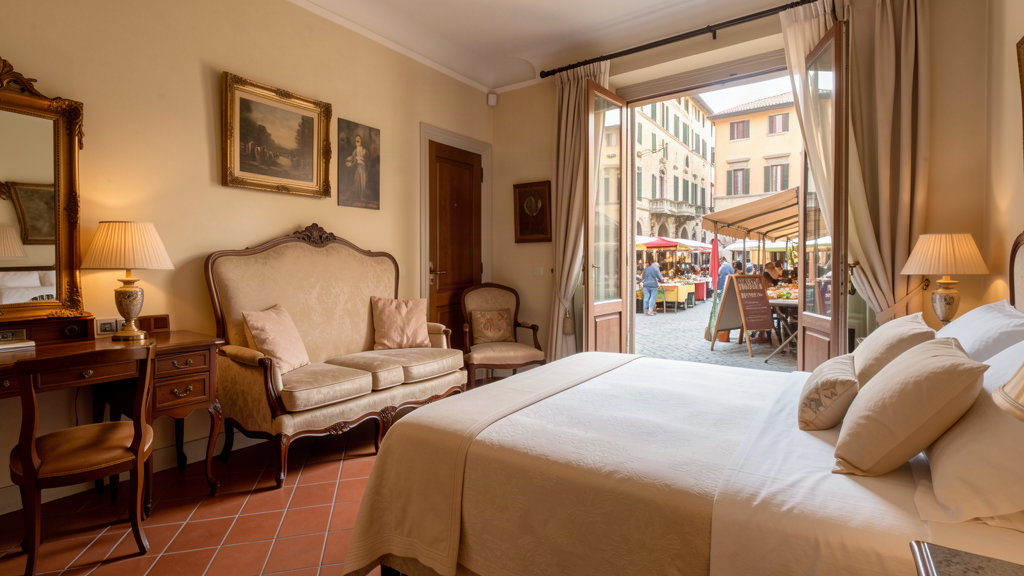
Base yourself inside the walls if you can walk at night without calling a taxi. Three options at different prices:
Hotel San Luca — Vicolo Volto San Luca 8, 37122 Verona VR. The practical mid-low pick near Piazza Bra and the Arena without the full luxury bill. Rooms are straightforward, you can stumble home after a late plate, and Veronetta is about twenty minutes on foot if you want an evening bridge crossing. Good when the trip is more about streets than spa robes.
Hotel Milano & SPA — Vicolo Tre Marchetti 11, 37121 Verona VR. Mid-range, a lane off the Arena’s orbit, with a small spa for nights when the walking has done its damage. Breakfast is solid; the real win is sleeping close enough that mornings start with a short walk rather than a bus negotiation. Handy if one person wants the amphitheatre and the other wants the market.
Due Torri Hotel — Piazza Sant’Anastasia 4, 37121 Verona VR. The splurge, in a grand building on a square that still feels like a parish center when the tour groups thin. You pay for history, service, and stepping out almost on top of Sant’Anastasia’s brick bulk. Soft landing after the train, then walk everywhere else.
Book early for opera season and Arena-calendar weekends. Late autumn and early spring are kinder on rates and crowds.
Where to Eat
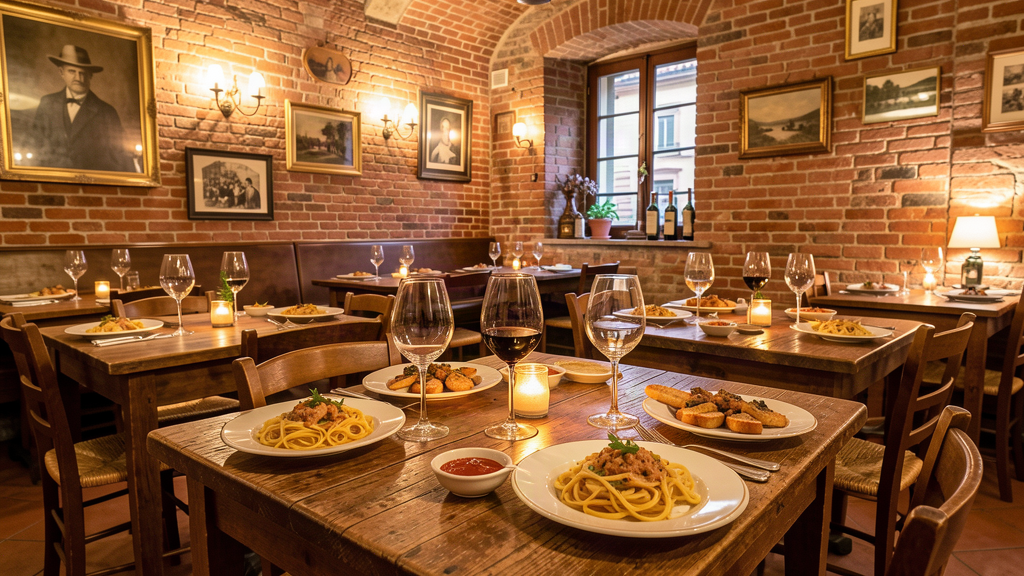
Skip the menus with twelve flags near Juliet’s house. Verona eats better a few streets over, and better still across the Adige.
Osteria Scalin — Via San Vitale 6a, 37129 Verona VR. Veronetta proper. A neighborhood osteria small enough that you notice who comes back twice in a week. Veronese plates, seasonal specials, wine without a lecture. Book if you can; walk-ins work better at off hours. My default when I want to sit down after a day of bridges.
Albacaro — Via San Nazaro 23/a, 37129 Verona VR. A bàcaro transplanted from Venetian habit into Veronetta’s student gravity: cicchetti, an ombra, standing room that turns into a conversation with whoever holds the next glass. Come early evening before it packs out. Walk back toward Ponte Pietra when the river has gone dark and the east-bank lights are mostly kitchen windows.
Trattoria al Pompiere — Vicolo Regina d’Ungheria 5, 37121 Verona VR. Back on the historic-center side, in a lane that still feels tucked away. Old-school Veronese cooking, a serious cheese cart if you have room, desserts that taste like someone in the kitchen has opinions. Reserve. I use it for a full meal after a market morning and a long river loop, not a snack crawl.
For daytime, the covered market on Via Macello does half your lunch. Add a standing coffee near Piazza Erbe if you want the frescoed square — go early, before the umbrellas become a maze — then leave the square to people who came only for the square.
Walking the pink city
Verona is a walking town. You barely need buses inside the center. Porta Nuova station sits south of the old core; budget twenty minutes on foot to Piazza Bra, more with luggage and wrong turns. The Adige loops like a horseshoe around the historic center, so bridges become your decisions. Ponte Pietra for the Roman-theatre side and Veronetta. Ponte Nuovo and Ponte Aleardi for other east-bank landings. Castelvecchio’s bridge if you want brick drama and cool museum interiors on a hot afternoon.
Cars are a nuisance you do not need. If you day-trip to Valpolicella for wine, arrange a driver or a tour; the city itself does not require wheels.
Evenings in opera season change the air around the Arena — linen, programs, a buzz that spills into the Listone. Enjoy it from a distance with a spritz if tickets are sold out. The singing carries. You do not have to be inside the stone oval to know something is happening.
A Verona past the balcony
I still walk past Juliet’s house. Once is enough to understand the magnet, and to notice how little of the city fits inside that courtyard. Underfoot it is Roman. The skyline is Scaliger. The market queues and Veronetta bars are just daily Italian life. Two or three nights is enough if you pick a walkable base and refuse the checklist pace.
A pattern that works: morning coffee, Mercato Coperto on Via Macello, river path, one church that is not on the bus-tour poster (San Zeno’s bronze doors repay the west-side walk). Afternoon in Veronetta or the lanes behind Sant’Anastasia. Evening at Scalin or Albacaro, or Pompiere if you reserved. Save the Arena for the night you have energy to join the crowd on purpose.
Gift shops will sell you romance without much effort. What stuck with me was simpler: a river, a covered market in a building that used to process meat, and an east bank where wine gets poured for people who live upstairs. Start on Via Macello. Cross the Adige when you feel like it. The balcony can wait.
