
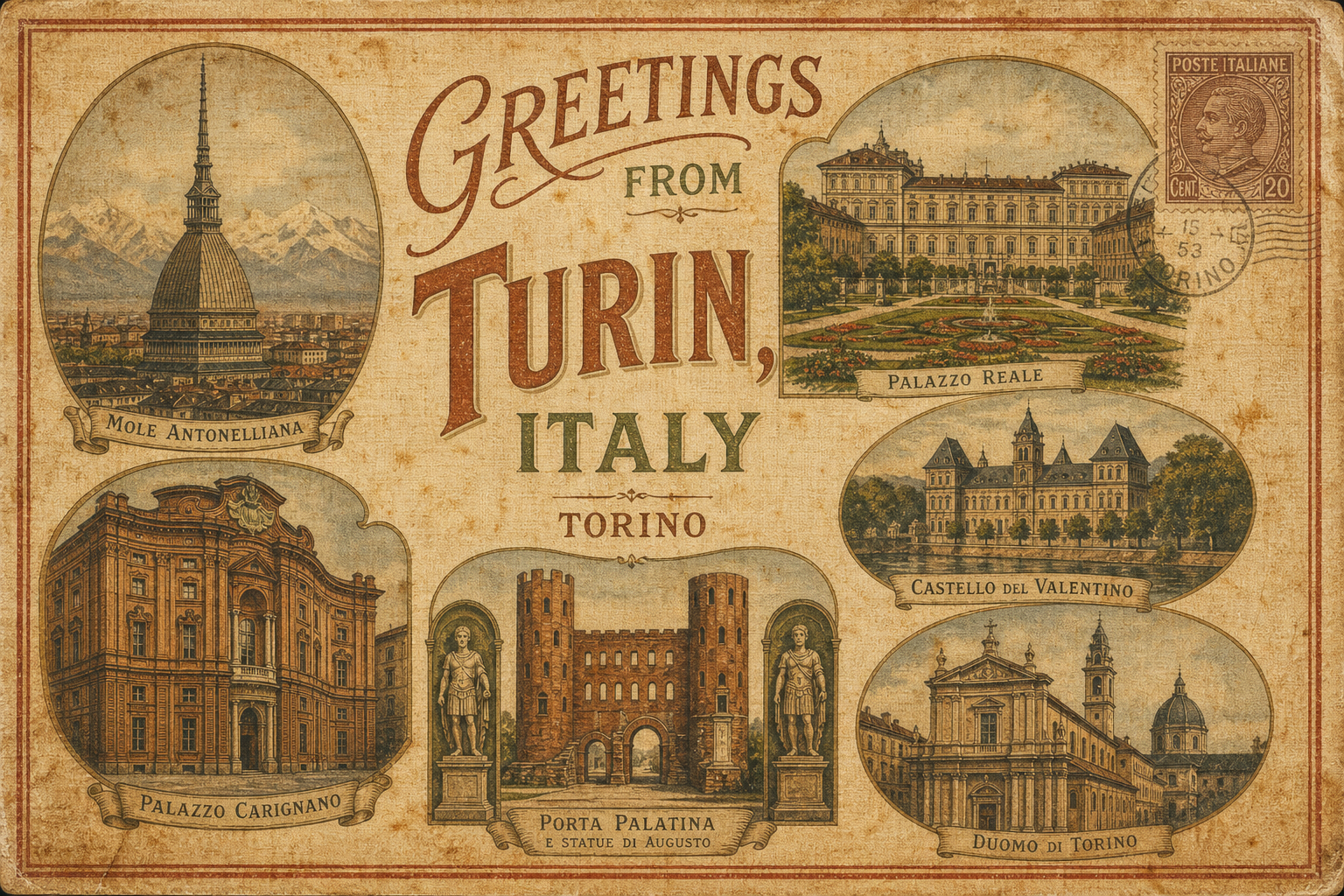
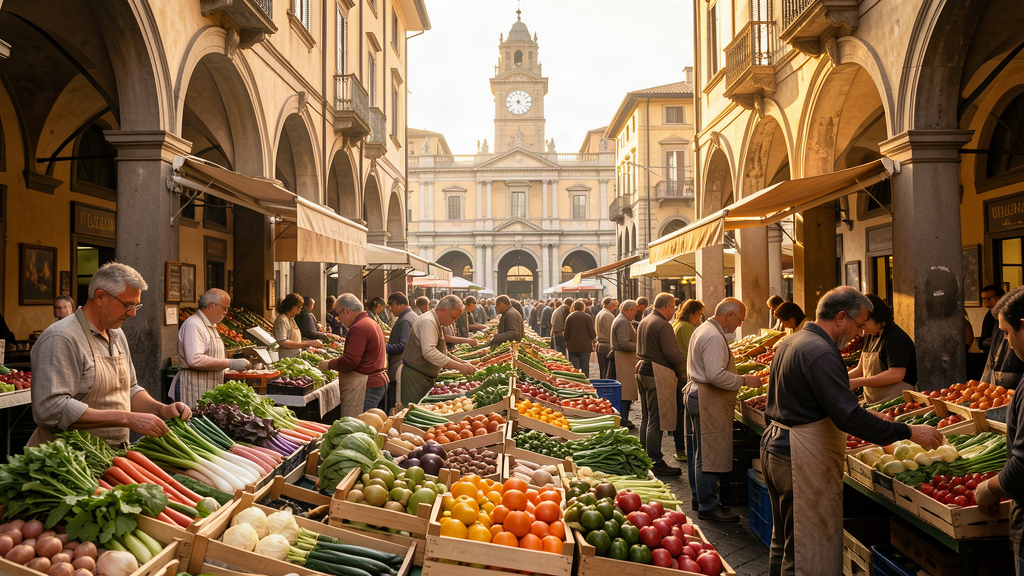
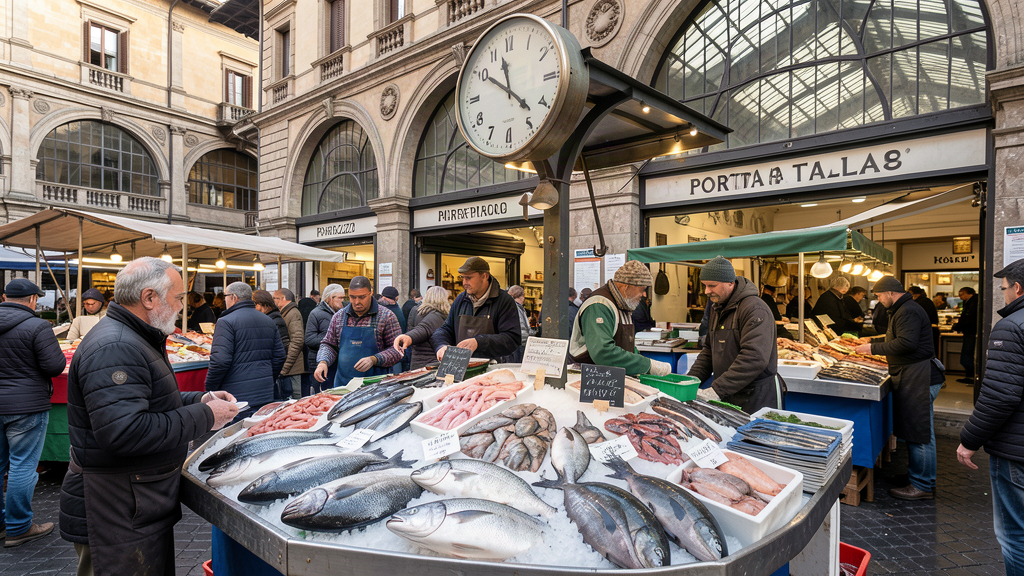
Turin does not open with a skyline trick. It opens with noise. Before the Mole Antonelliana claims the postcard and before the porticoes of Via Po fill with slow afternoon walking, Piazza della Repubblica is already stacked with crates, wet cardboard, and voices cutting across dialects. Porta Palazzo is the largest open-air market in Europe on a good morning, and it still feels like a working floor, not a food hall dressed for visitors. That is the Turin I keep coming back for. Royal streets a few blocks away, and here a market that smells of fish ice and roasted peppers, with coffee grounds underfoot.
I treat the city as a morning market and an afternoon of arcades. Start where the produce arrives. Leave when the stalls thin. Spend the quieter light under the porticoes and in a small room on Piazza della Consolata with a glass of bicerin you do not rush. The museums will wait. The market cools off after noon and loses some of that heat.
Porta Palazzo while the ice still holds
Get here early. Not museum early — market early, when vans still back up to the square and knives work on fish heads without an audience. Porta Palazzo spreads across Piazza della Repubblica and into covered sheds: outdoor produce rows, the old clock hall, the farmers’ pavilion, the central market building. The names blur. What lands is how dense it is. You walk between mountains of greens, crates of hazelnuts from the Langhe hills south of the city, cut flowers sweating in plastic, and cheese counters that do not bother with English until you look lost enough to deserve it.
I buy what I can carry and eat standing up. A paper cone of olives. A slice of cheese. Bread still warm if the timing is kind. Forget the perfect picnic. Let the market set the pace before any itinerary does. Watch how locals shop: they touch less, know more, ask for a kilo of something specific, move on. Cash still helps at smaller stalls. Bring a tote if you plan to walk home with more than a pastry.
When the outdoor rows feel like a crush, step into the covered halls. The air changes. Cooler, thicker with meat and fish. Glare drops away. You hear knives on boards more than the outdoor shouting. Porta Palazzo is multicultural in the ordinary way cities are when people work side by side. North African spice stalls sit near Piedmontese farmers. That mix is just the neighborhood.
Leave before the square turns into half-empty tables and plastic bags in the wind. Late morning is when energy tips from commerce to cleanup. Walk west toward the Consolata.
A small glass on Piazza della Consolata
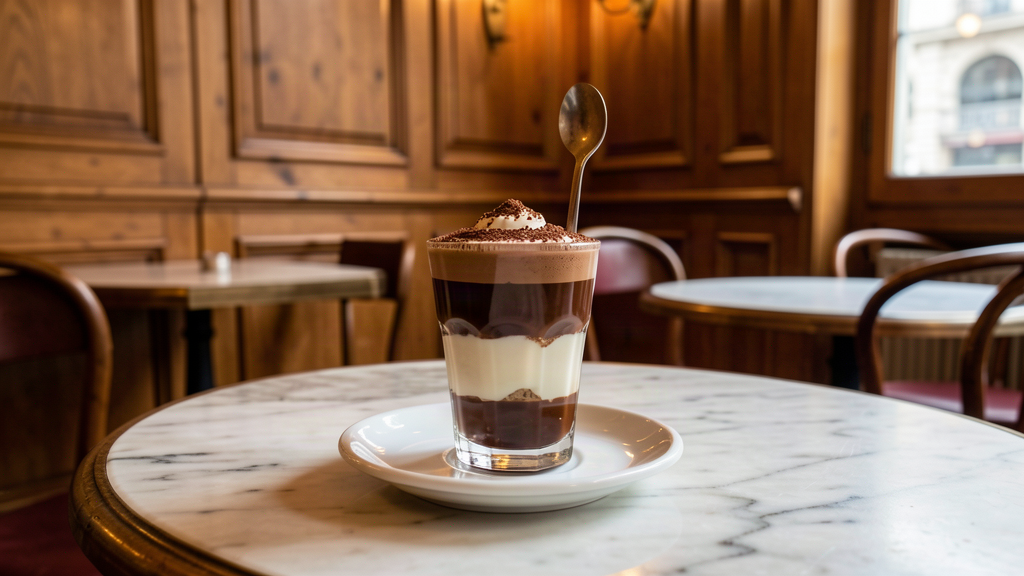
Al Bicerin has been pouring the city’s namesake drink since the eighteenth century in a room that does not pretend to be large. Piazza della Consolata, 5. Marble, wood, a counter that has heard every version of the order. A bicerin is layered espresso, drinking chocolate, and cream. You do not stir it into a muddle unless you insist. You drink through the layers. The glass is small, and nobody is in a hurry about it.
I come here after the market on purpose. Your hands still smell faintly of whatever you carried. The square is calmer than Porta Palazzo, watched over by the sanctuary’s brick. Sit if you can. Stand at the bar if you cannot. Skip the checklist photo and the half-finished glass on the way out. This is Turin’s built-in pause between work and whatever comes next.
If the line is absurd or the room is closed, other historic cafés will sell you a bicerin. Fine. The Consolata stop is about scale: a small piazza after a huge market, a careful glass after bulk and crates. That swing is most of the day.
From here the Quadrilatero Romano is a short walk. Roman grid under later buildings, bars that fill at aperitivo, streets tighter than the grand Savoy axes. Use it as a hinge between morning market and afternoon porticoes. A loop is enough.
Porticoes, the river, and evening south of the station
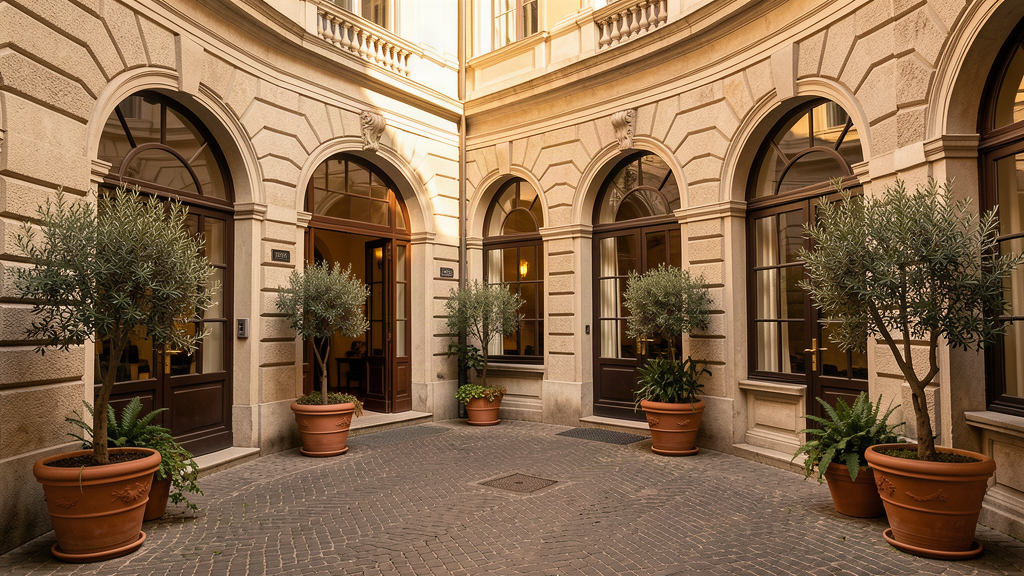
Turin’s famous porticoes are not decoration. They are how people move when the Alps send weather down the plain. Via Po runs from Piazza Castello toward the Po under continuous cover, shop windows and café tables in the shade, the Mole rising off-axis like a strange needle left in the skyline. Walk it without hunting the perfect photograph first. Let the arcades keep you dry and slow you down.
Piazza Castello is the formal heart. Palazzo Reale, Palazzo Madama, stone left over from a court. I give it a circuit and rarely more unless rain traps me. One morning market and one palace afternoon is a fuller Turin than two museums and a quick coffee by the station.
When the light softens, walk to the river. The Po here is wide and working, bridges carrying trams and bikes, the hills of the right bank lifting toward Superga if the air is clear. A stretch of bank and a bench is enough after stone and porticoes.
San Salvario, south of the station, is the evening neighborhood when you want dinner that is not framed by a royal square. Students, older residents, places that fill because people who live here show up. It pairs well with a market morning: ordinary Turin at both ends of the day.
Places to stay
Hotel Bologna (more accessible rates)
Corso Vittorio Emanuele II 60, 10121 Turin
A practical base near Porta Nuova with simple rooms and easy tram and metro links. Walk to San Salvario for dinner; ride or stroll toward Porta Palazzo in the morning. Useful when trains and early markets matter more than a design lobby.
Hotel Dogana Vecchia (mid-range)
Via Corte d’Appello 4, 10122 Turin
An old custom-house hotel a short walk from Piazza Castello and the Quadrilatero, close enough to the Consolata and the market edge that your days stay on foot. Rooms feel historic without trying too hard.
NH Collection Torino Piazza Carlina (higher end)
Piazza Carlo Emanuele II 15, 10123 Turin
A 17th-century building on a handsome square east of the royal core, with rooftop terraces if the trip includes a splurge night. Well placed for Via Po, the river, and evening walks under the porticoes.
Where to eat
Caffè Al Bicerin
Piazza della Consolata 5, 10122 Turin
Not a full meal, just the essential Turin glass. Chocolate, coffee, cream in layers. Come after Porta Palazzo. Check hours; the place keeps its own rhythm.
Consorzio
Via Monte di Pietà 23, 10122 Turin
Piedmontese cooking with a market mind in the Quadrilatero: careful pasta, meats and offal treated as normal food, a wine list that stays in the hills south of the city. Reserve. Order the thing that sounds like the season.
Scannabue
Largo Saluzzo 25/h, 10125 Turin
In San Salvario near the station side of town. Books, older furniture, Piedmont plates, a room that fills with people who live here. Good for dinner away from Piazza Castello’s parade routes. Book on weekends.
Getting around and timing the day
Turin’s center is walkable if you like walking. Trams and the metro cover the stretches you do not. Porta Nuova is the main rail gate; Caselle airport connects by train and bus. You do not need a car inside the city. You might want one only if you add Langhe wine villages on another day.
A clean day looks like this: Porta Palazzo at opening while the ice still holds, a slow exit west to a bicerin on Piazza della Consolata, a Quadrilatero loop, lunch nearby or a late market snack, afternoon under the Via Po porticoes toward the river, dusk in San Salvario or back through the arcades. Do not force the Egyptian Museum, the cinema museum in the Mole, and half the royal residences into one day. Pick one indoor deep dive if weather turns. Give the market and the small glass as much time as any masterpiece.
Turin will keep offering the grand shot. The Mole against a clear sky, the long portico vanishing point, the Alps on a cold morning when the plain goes sharp. Take those. Then give the better part of a morning to crates and shouted prices at Porta Palazzo, and ten unhurried minutes to the layers in a glass at the Consolata. Market first, chocolate after. A city that still works before it puts on a show.
