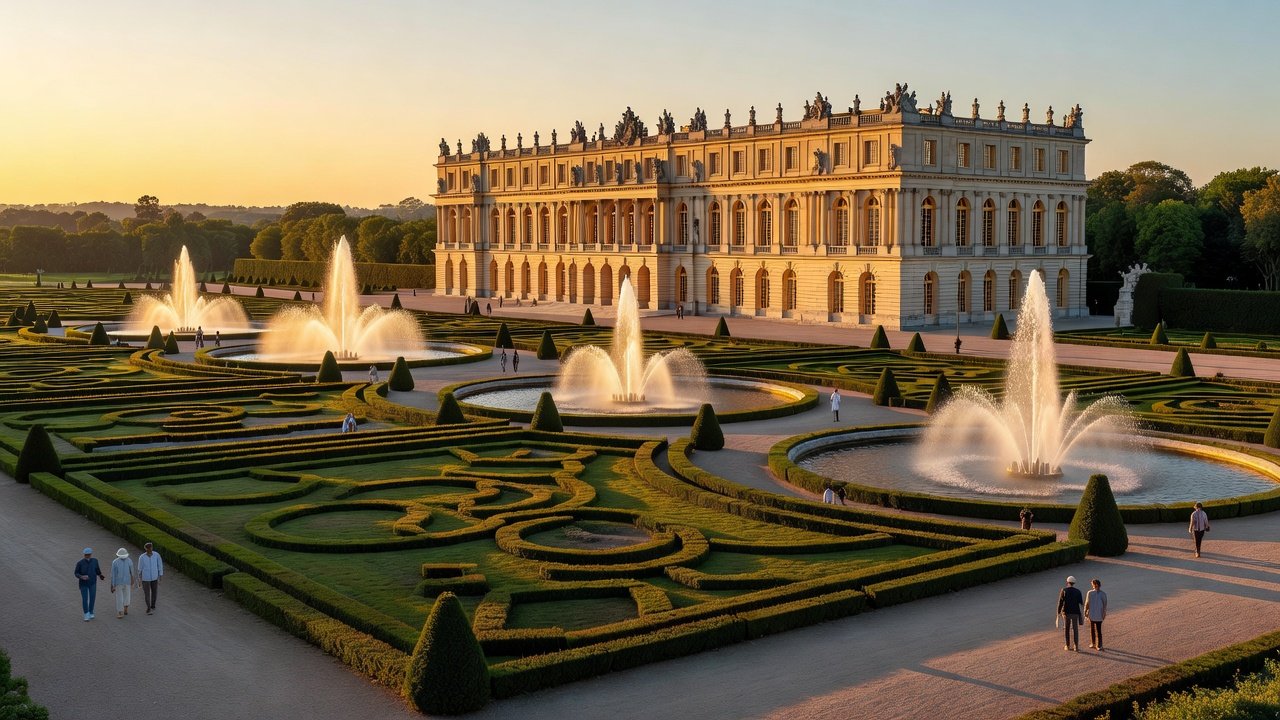
I arrived on a Tuesday morning, the RER pulling into Versailles-Chantiers station with the usual mix of day-trippers clutching their timed tickets. Most streamed straight toward the château gates, a tide of selfie sticks and audio guides. I turned the other way, down a side street lined with plane trees and shuttered windows, the kind of street that still feels like it belongs to the people who live here. Versailles has always been more than its famous mirrors. The town that grew up around the palace has its own slower pulse, and that’s where the real stay begins.
The Pull of Side Streets
The quartier Saint-Louis sits just south of the palace, a grid of 18th-century houses and quiet squares that once housed courtiers’ servants and local tradespeople. Today it feels lived-in rather than preserved. Cobblestone lanes open onto small courtyards where laundry hangs and cats doze on ledges. On weekends the quartier des antiquaires comes alive with dealers unpacking old prints, silverware, and furniture in the narrow lanes around the market square. You can spend an hour browsing without hearing another tourist’s voice.
A short walk brings you to the Notre-Dame market, a covered hall where locals shop for cheese, charcuterie, and the kind of produce that actually tastes like the season. The vendors know their regulars by name. I bought a wedge of Comté from a woman who insisted I try it with the local apple cider she also sold. No velvet ropes, no queues, just the ordinary commerce that has carried on long after the kings left.
Hidden Corners of the Estate
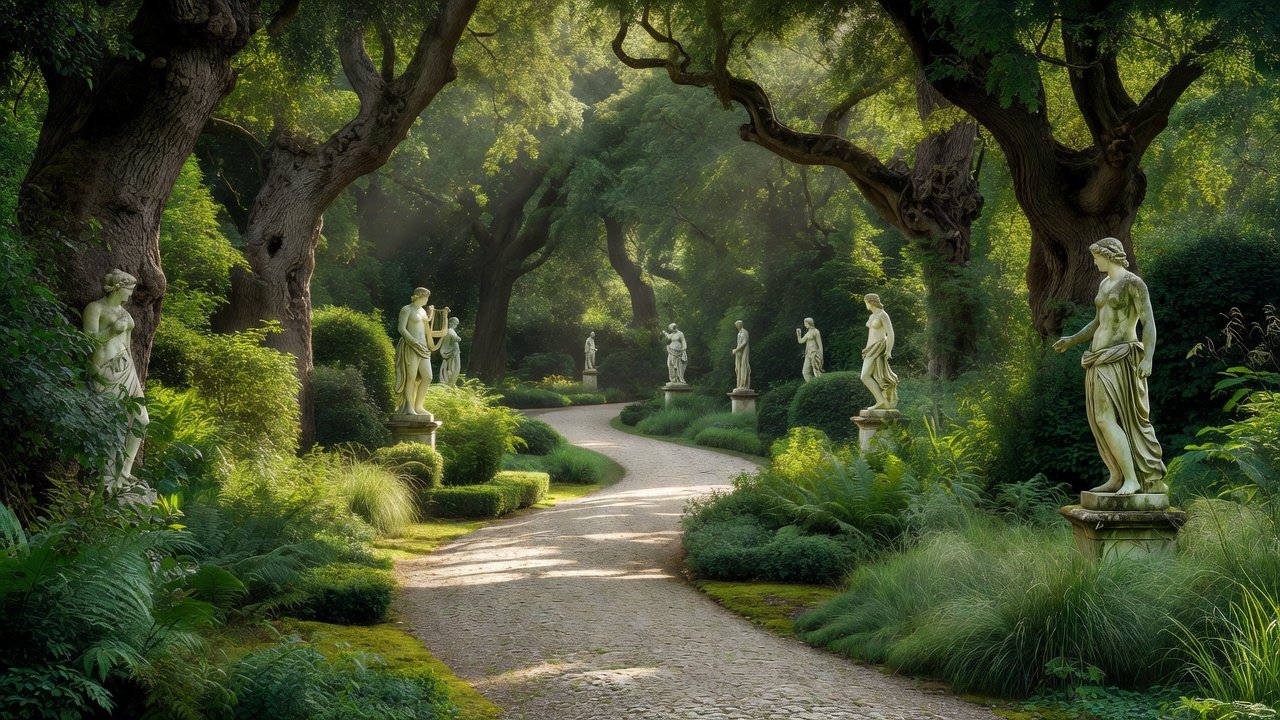
Even within the grounds, there are places that reward patience. The Hameau de la Reine sits at the far end of the Trianon estate, a collection of rustic cottages and a working farm built for Marie-Antoinette as a private retreat. Most visitors never make it that far; the walk from the Petit Trianon is long enough to thin the crowds. The hamlet feels almost storybook — a mill, a dairy, small gardens — but it also carries the weight of the queen’s desire to escape the endless performance of court life. On a quiet afternoon the only sounds are the waterwheel and birds. It is one of the few spots inside the estate where you can sit on a bench and feel genuinely alone with the history.
Back in town, the Carriage Museum (open weekend afternoons, free) and the adjacent sculpture restoration workshop in the old stables offer another kind of quiet. Lavish royal coaches sit under high ceilings, their gold leaf catching the light. The sculpture gallery is part working studio, with casts and originals from the gardens laid out in long rows. Both are steps from the palace yet feel like a different century.
Places to Stay
I stayed three nights and moved between three very different addresses, each in its own way part of the quieter Versailles.
Le Home Saint Louis sits right in the heart of the Saint-Louis quartier. It is a small, family-run 2-star with just 25 rooms, simple and spotlessly kept. Doubles start around €65–100 depending on the season. The location means you can walk to the market in five minutes and still reach the palace gates in under ten. It feels like staying in someone’s large, well-loved home rather than a hotel.
Hôtel Le Versailles at 7 Rue Sainte-Anne, 78000 Versailles, sits closer to the center and the town hall. Mid-range pricing (roughly €150–250) buys you a classic 4-star with comfortable rooms, many with bathtubs, and a breakfast room that opens onto a small courtyard. The staff know the town well and can point you toward the best bakeries and the current antique market schedule.
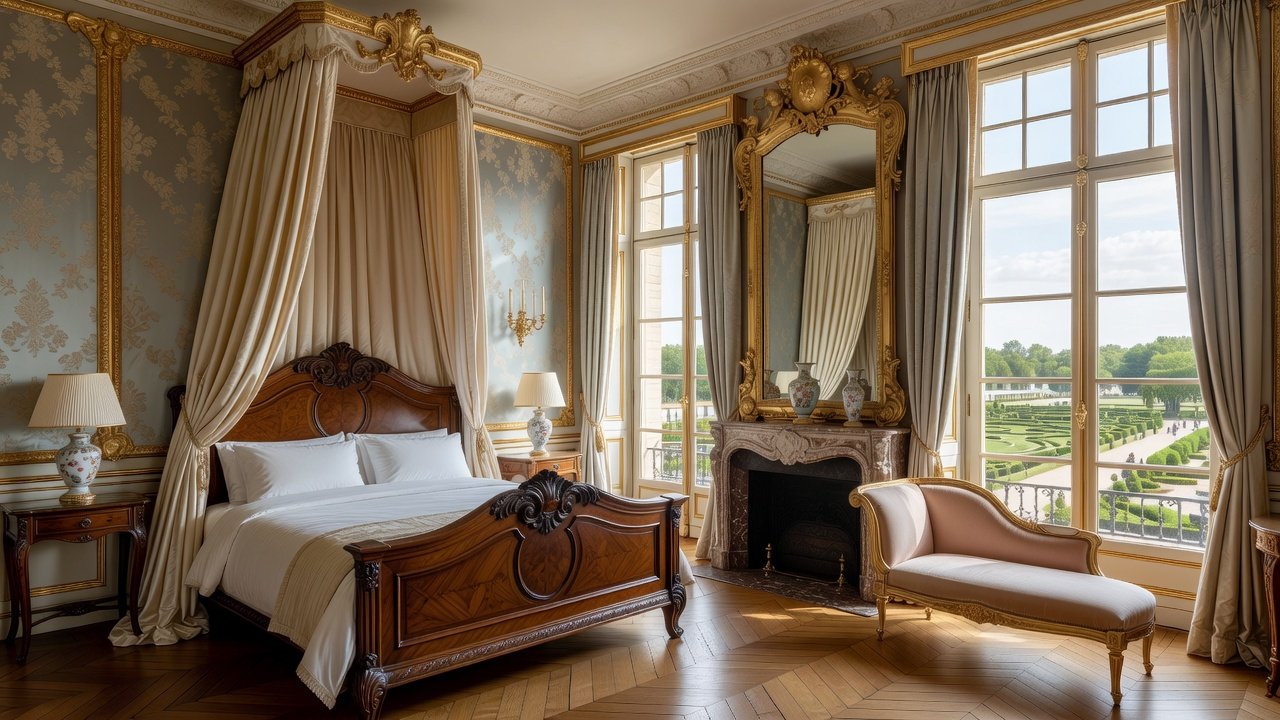
For something a little more refined without the palace-hotel price tag, Le Louis Versailles Château – MGallery Collection at 2 bis avenue de Paris, 78000 Versailles, offers contemporary rooms in a historic building just 200 meters from the gates. Rates sit in the upper mid-range, often €220–350. The location is convenient for early morning visits before the crowds, yet the rooms themselves feel removed from the tourist rush.
Eating Like a Local
Food in Versailles rewards those who step away from the palace restaurants. Three spots stood out during my stay.
La Cave du 11 (8 Rue de la Chancellerie, 78000 Versailles) occupies a corner of the Cour des Senteurs. It is part wine shop, part casual cave à manger. In the evenings the counter fills with locals sharing plates of cheese, charcuterie, and whatever the day’s small plates happen to be. The wine list is thoughtful and the atmosphere unhurried. It is the kind of place you return to on your second night because the owner already remembers your order.
A short walk away, La Table du 11 in the same courtyard offers a more refined but still approachable Michelin-starred lunch. Chef Jean-Baptiste’s cooking highlights seasonal produce without the stiffness that sometimes accompanies stars. The set menus at midday remain surprisingly accessible, and the room itself feels bright and modern rather than stuffy.
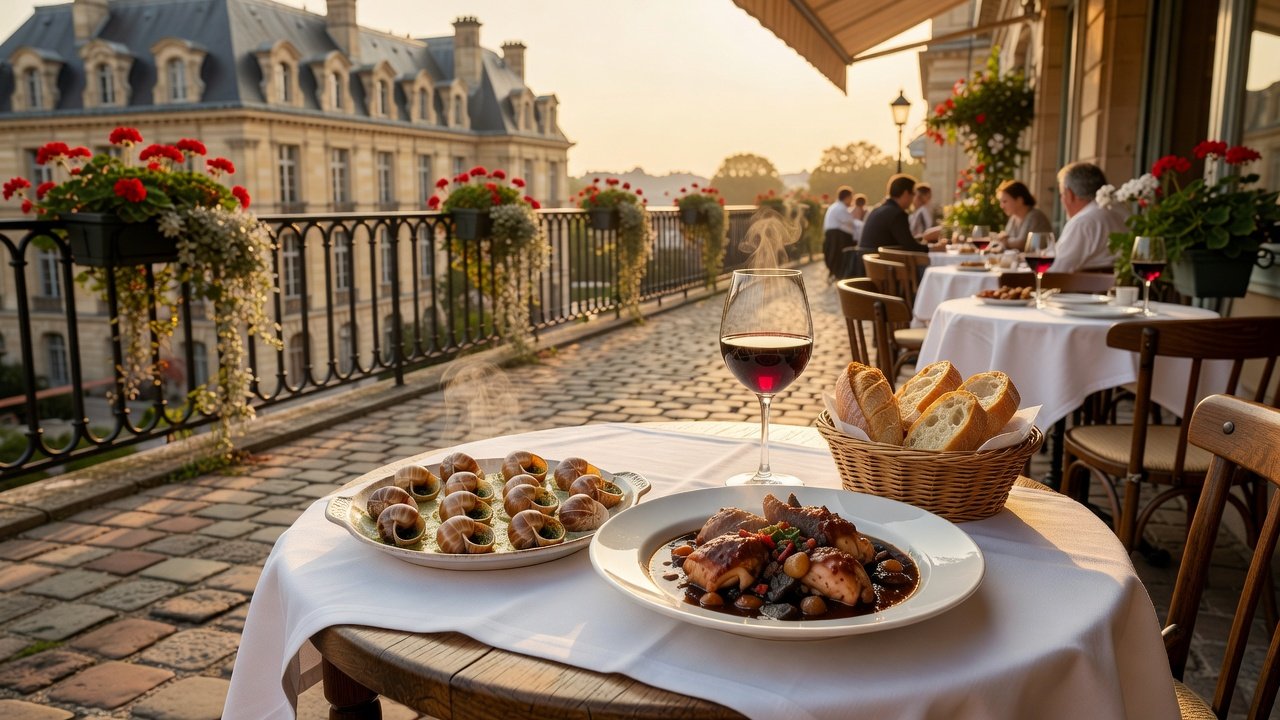
For something more traditional and a little farther from the main tourist flow, Au Chien Qui Fume serves classic French bistro fare in a setting that has welcomed locals for years. Expect solid renditions of duck confit, steak frites, and the kind of onion soup that actually tastes homemade. It is the place for a long, unhurried dinner after a day of walking.
Leaving the Mirrors Behind
Versailles rewards the visitor who is willing to let the palace be one chapter rather than the whole story. The town still moves at its own pace — market mornings, antique dealers unpacking their wares, the distant sound of the mill wheel at the hamlet. The mirrors will always draw the crowds, but the quieter streets, the courtyards, and the far corners of the estate are what make you want to come back.
I left on the late train with a bag of flour from the Moulin de Versailles, a wedge of cheese wrapped in paper, and the address of a small guesthouse I already knew I would return to. The palace had been spectacular, as promised. The town, however, is what stayed with me.
—
Practical Notes
– Getting there: RER C from Paris (Versailles-Chantiers or Rive Gauche stations). Trains run frequently; the ride takes 30–40 minutes.
– When to go: Weekdays are calmer at the palace; weekends bring the antique market and the free carriage and sculpture museums in the stables.
– Tickets: Purchase château tickets online in advance. The Trianon estate and Hameau are included and worth the extra walk.
– Markets: Notre-Dame market operates several mornings a week; check current days on site or with your lodging.