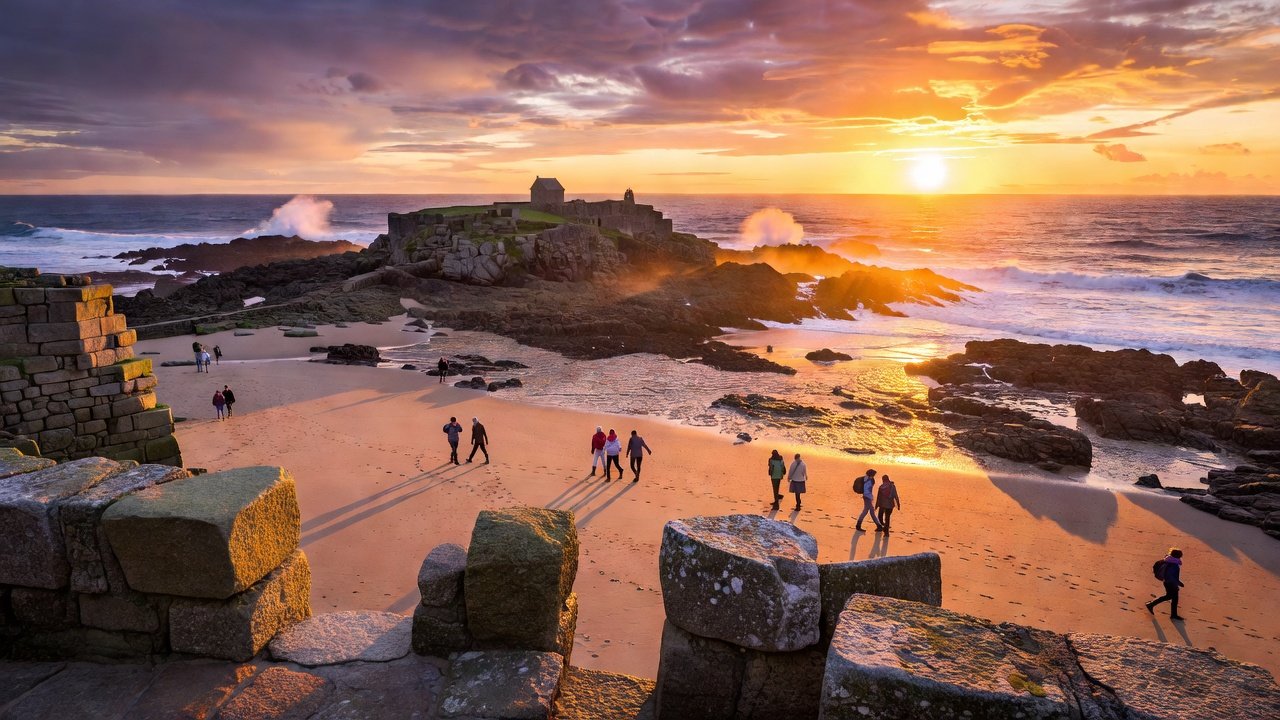
Grand Bé at Low Tide, Saint-Malo
The first time I reached Saint-Malo, the tide was out, and the path to Grand Bé lay open like a forgotten road. I had expected the usual rampart crowds and postcard views, but instead I found myself alone on damp sand, the walled city behind me shrinking with every step. The island ahead held the tomb of Chateaubriand, but more than that, it held the quiet rhythm of the place — the way the sea gives and takes the same stretch of shore twice a day.
Saint-Malo’s Intra-Muros district still carries the marks of its corsair past in the tall granite houses along Rue Chateaubriand, yet the real draw for me has always been how the city changes with the water. When the tide drops, the everyday map redraws itself. People walk where ferries usually run. Children chase crabs across the flats. It is this tidal life, not the summer festivals, that keeps pulling me back.
Morning on the Ramparts Before the Day Trippers Arrive
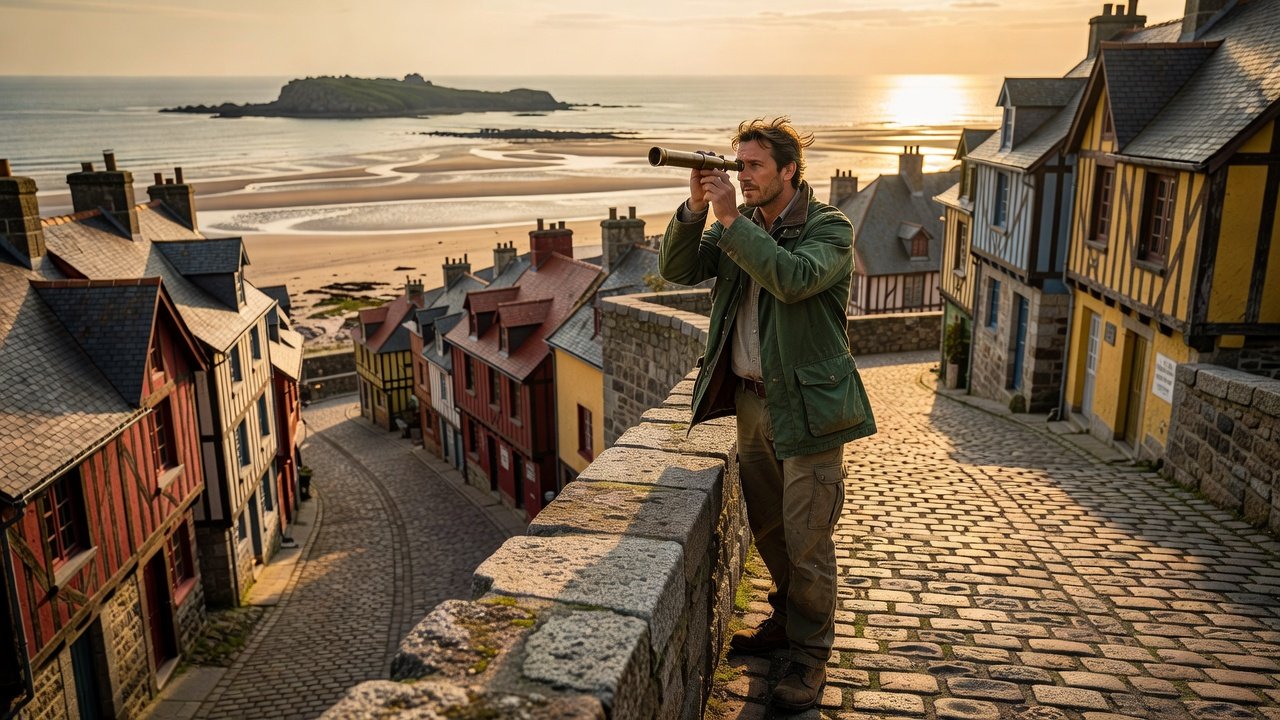
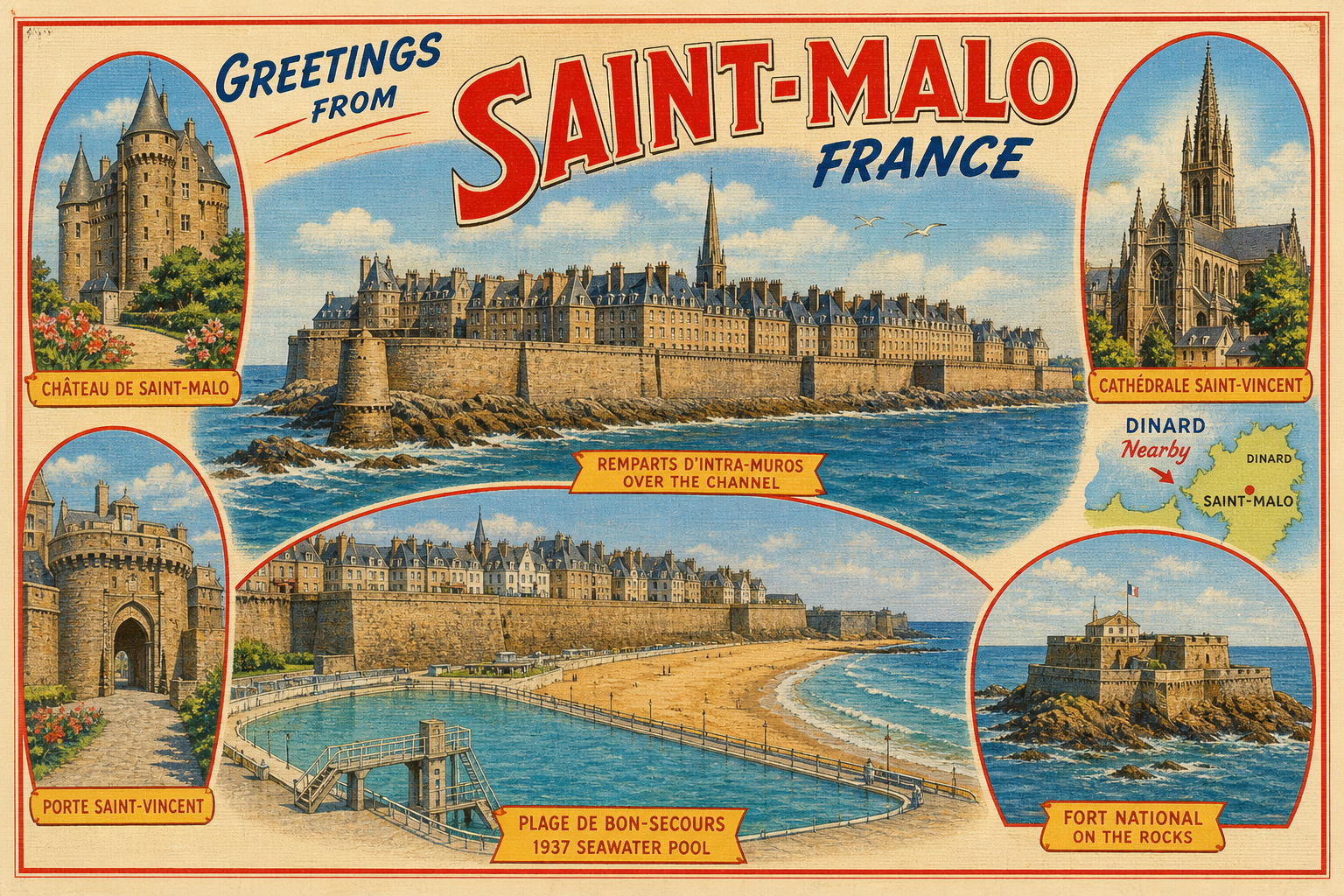
I like to start before eight, when the Porte Saint-Vincent is still quiet, and the only sounds are gulls and the occasional delivery van. The walls themselves are broad enough for a comfortable stroll, and from the top you can see the whole curve of the bay. To the north, Fort National sits on its own rock, connected at low tide by another causeway. To the south, the long sweep of the Sillon beach stretches toward Paramé.
The houses inside the walls are mostly rebuilt after the 1944 bombing, yet the layout remains the same narrow lanes that corsair captains once hurried down. Stop at the small square in front of the Cathédrale Saint-Vincent. The light through the modern stained glass falls across stone that survived the fire. Few visitors linger here once the cruise groups begin moving; the cathedral feels almost private again by mid-morning.
From the walls I drop down into the back streets. Rue de la Croix du Fief and Rue des Hauts-Pavés still have the feel of working neighborhoods. A woman hangs laundry from a fourth-floor window. A man walks his dog past a shop selling nothing but local cider and sea salt. These are the corners that make the walled city feel lived in rather than preserved.
Crossing to Grand Bé When the Sea Lets You
The walk to Grand Bé is the single experience that most clearly separates Saint-Malo from every other fortified port. Check the tide tables the night before — the passage is safe for roughly three hours on either side of low tide. I carry nothing more than a light jacket and a bottle of water. The sand is firm underfoot once you leave the harbor slipway, and the distance is less than a kilometer.
Halfway across you can turn and see the entire rampart line from a new angle. The tide pools hold tiny crabs and the occasional starfish. On my last visit, a local woman was harvesting cockles with a small rake; she waved but did not stop working. At the island itself, the path climbs to the simple tomb of François-René de Chateaubriand. The inscription is modest. Most people take their photograph and head back, but if you stay until the water begins to return, you will have the place to yourself again.
The return walk feels different. The sea advances in thin sheets across the flats. You learn to watch the color of the sand change and to keep moving before the deeper channels fill. It is not dangerous if you respect the timetable, yet the slight urgency adds a quiet thrill that no guided tour can replicate.
Oysters, Galettes, and the Quiet Tables Locals Actually Use
Saint-Malo’s food scene is often reduced to crêpes and cider, but the real pleasure lies in the smaller places that serve what the bay provides that morning. I avoid the obvious spots right inside the main gate and instead walk a few blocks to Rue de la Marne or the side streets near the fish market.
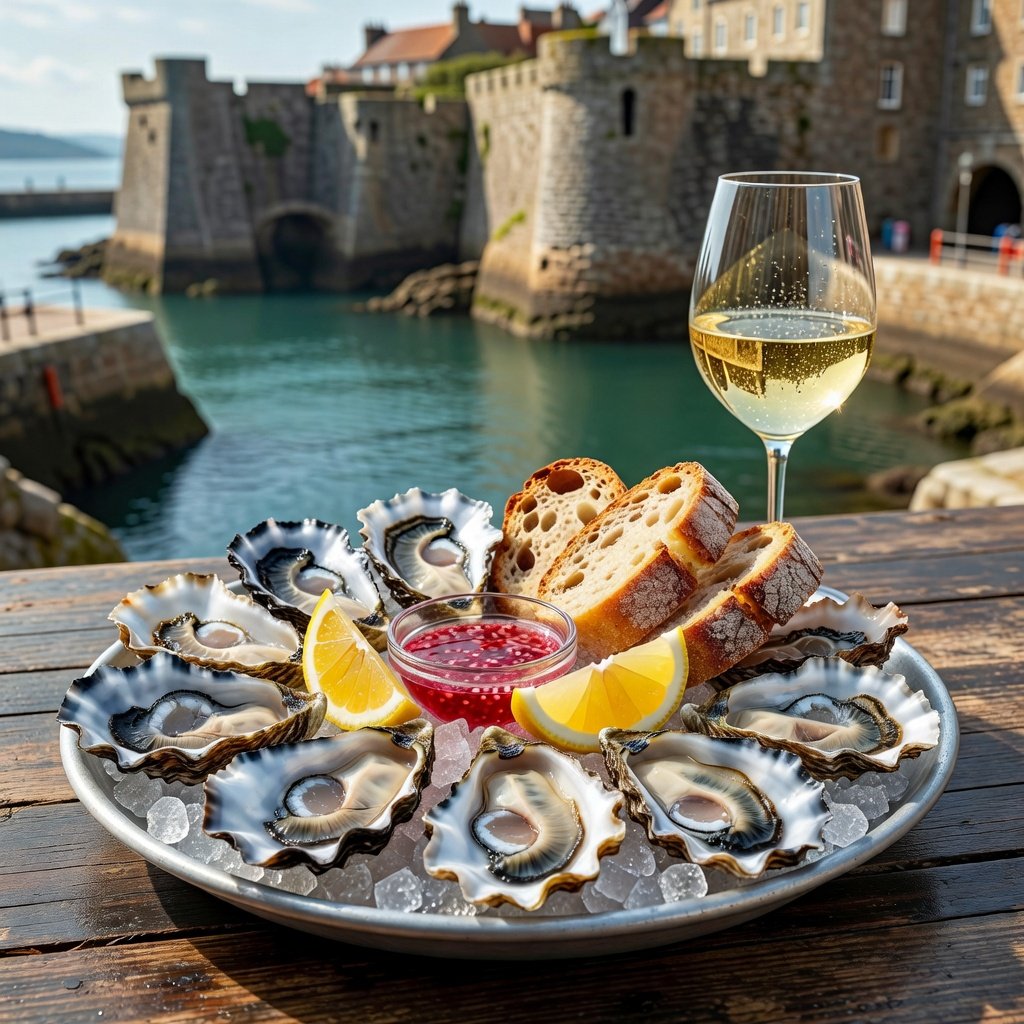
One reliable table is Le Chalut at 8 Rue de la Marne. The owner still buys directly from the boats when the catch is good. Their oysters come from Cancale, twenty minutes up the coast, and arrive briny and cold. A dozen with a glass of muscadet costs less than the tourist menus and the staff will happily explain which beds the shellfish came from that day.
A few streets away, Crêperie du Vieux Saint-Malo at 6 Rue de la Croix du Fief keeps irregular hours but serves buckwheat galettes filled with local sausage and onions. The batter is thin and crisp at the edges. Sit at the counter and watch the cook work; the conversation with other regulars often turns to the day’s tide or the latest ferry delay.
For something a little further from the center, head out along the Sillon to L’Armor near the beach. The terrace faces the water and the menu changes with the season. In summer they grill fresh mackerel; in cooler months the fish stew is thick with mussels and cream. The walk there after a low-tide excursion feels like the proper conclusion to the morning.
Places to Stay
Saint-Malo offers a range of lodging from simple guesthouses inside the walls to larger properties along the Sillon. Here are three solid choices at different price points, all with real addresses and the kind of character that matches the slower pace I prefer.
Hôtel de l’Univers
4 Place Chateaubriand, 35400 Saint-Malo
A classic granite building right on the main square inside Intra-Muros. The rooms are straightforward and quiet, many with views toward the cathedral. Breakfast is served in a bright ground-floor room that fills with morning light. Rates usually sit in the mid-range and the location means you can walk everywhere without a car.
La Maison des Corsaires
2 Rue des Hauts-Pavés, 35400 Saint-Malo
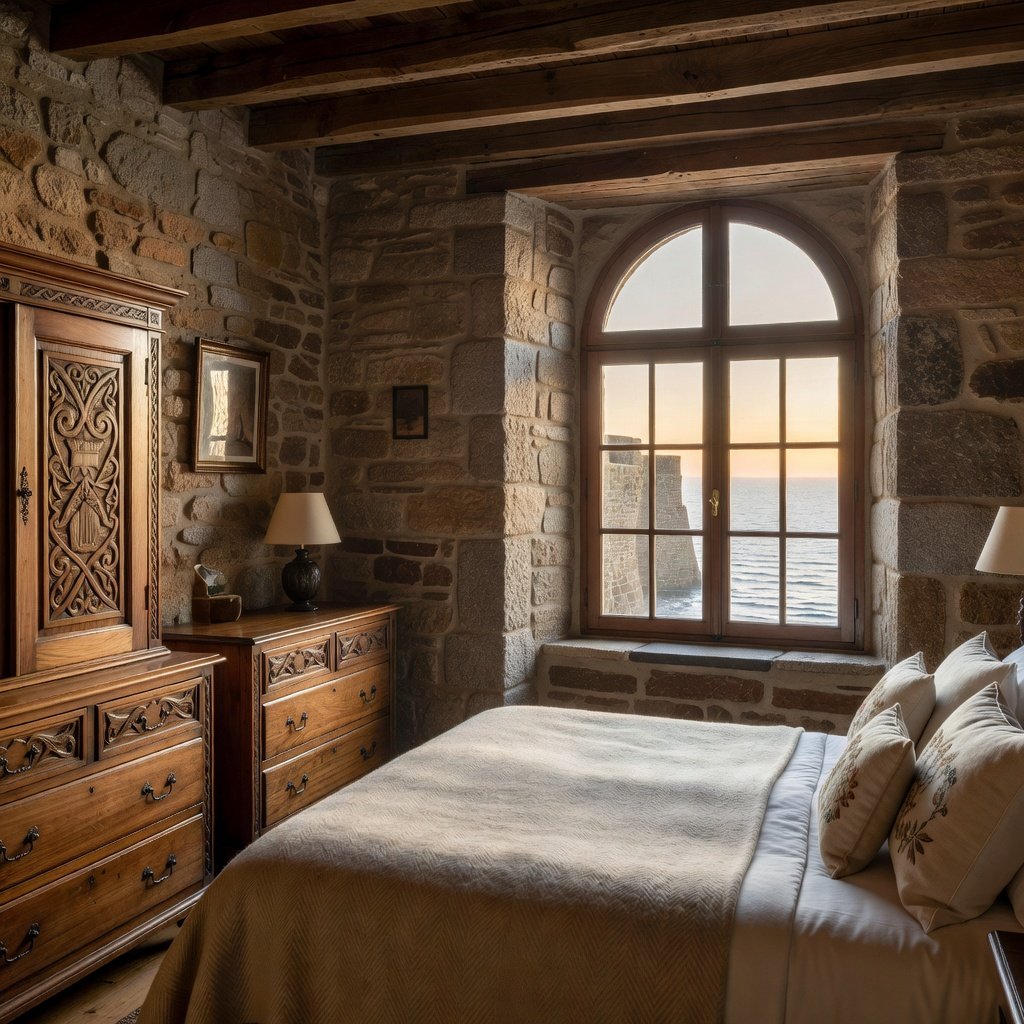
A small boutique property in a restored 18th-century house. Only eight rooms, each with exposed stone and simple modern furnishings. The owners live on site and know the best tide times and lesser-known walks. It sits on a quiet lane two minutes from the ramparts yet feels removed from the main tourist flow. Book well ahead; it fills with regulars.
Hôtel du Sillon
43 Boulevard de la République, 35400 Saint-Malo
A larger, family-run hotel facing the long beach outside the walls. Rooms are bright, and many have balconies overlooking the sand. The breakfast buffet includes fresh pastries and local yogurt. It is an easy ten-minute walk into Intramuros and a pleasant base if you want morning swims or long evening walks along the shore. Rates are the most accessible of the three.
Practical Notes for a Slower Visit
The train station sits just outside the walls; a short walk or quick taxi brings you into the old town. Buses run along the coast toward Cancale and Dinard if you want to extend the day. Parking inside the walls is limited and expensive; the large lot near the harbor is usually easier and still only a ten-minute stroll to the gates.
Tide tables are posted at the harbor and available online through the local tourism site. Always allow extra time when crossing to Grand Bé; the water moves faster than it looks. If you prefer not to walk the flats, the Petit Train touristique offers a narrated circuit of the ramparts and beaches, though it runs on a fixed schedule that misses the quietest hours.
Saint-Malo rewards those who let the sea set the pace. The ramparts and corsair stories are worth an hour or two, but the real memory is the sand under your feet as the island appears and disappears with the tide. Return at different seasons and the same streets feel new again. That is the Saint-Malo I keep coming back to.