
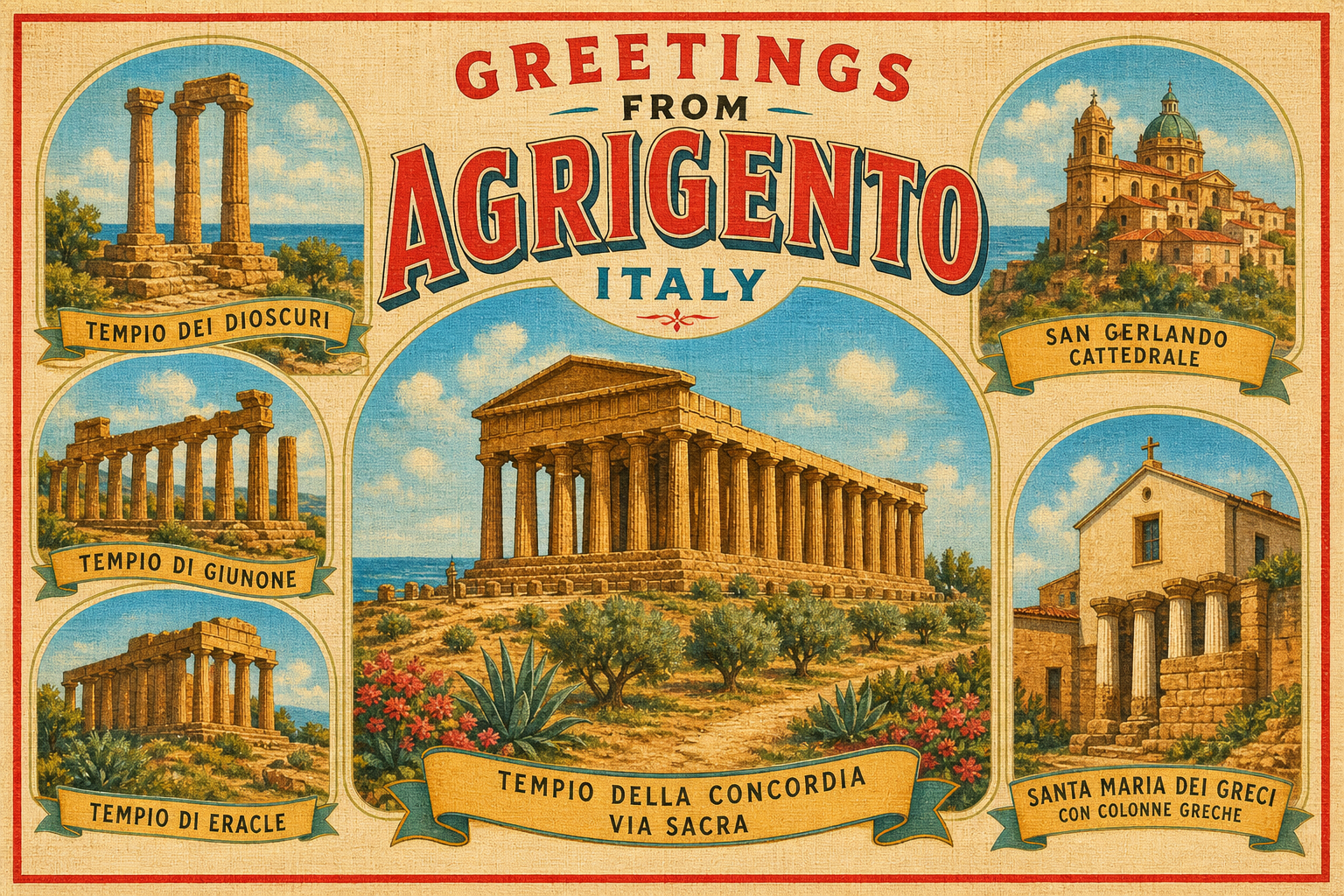
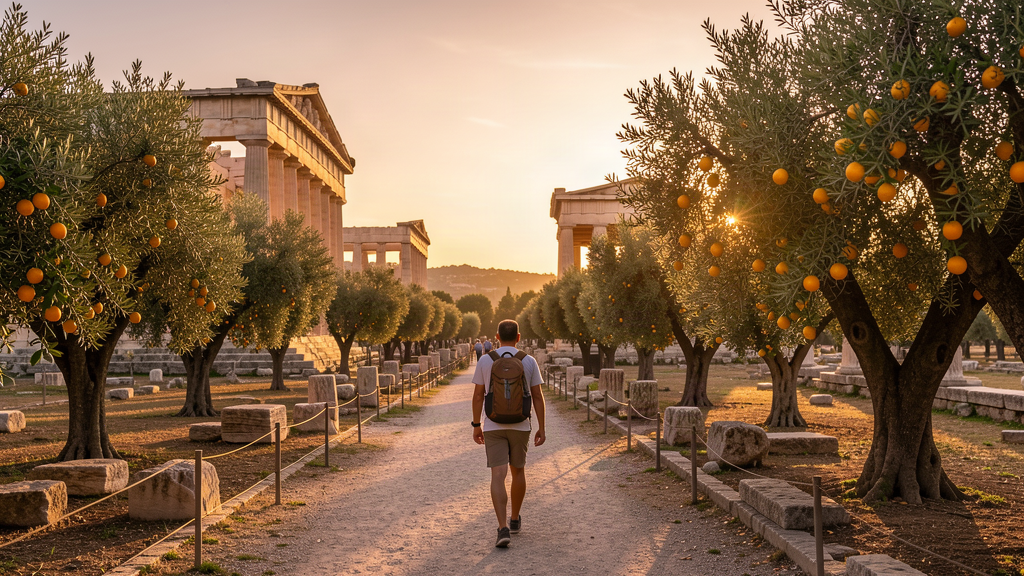
The temples get the postcards. What I come back for sits lower, in a green cut between soft tuff walls where orange and lemon throw shade over paths that once held water for a Greek city. Kolymbetra is not a secret. It just will not perform the way Concordia does at golden hour. You pay the small garden ticket, drop below the ridge, and the heat loosens. Almond and olive keep their distance. Citrus does the talking.
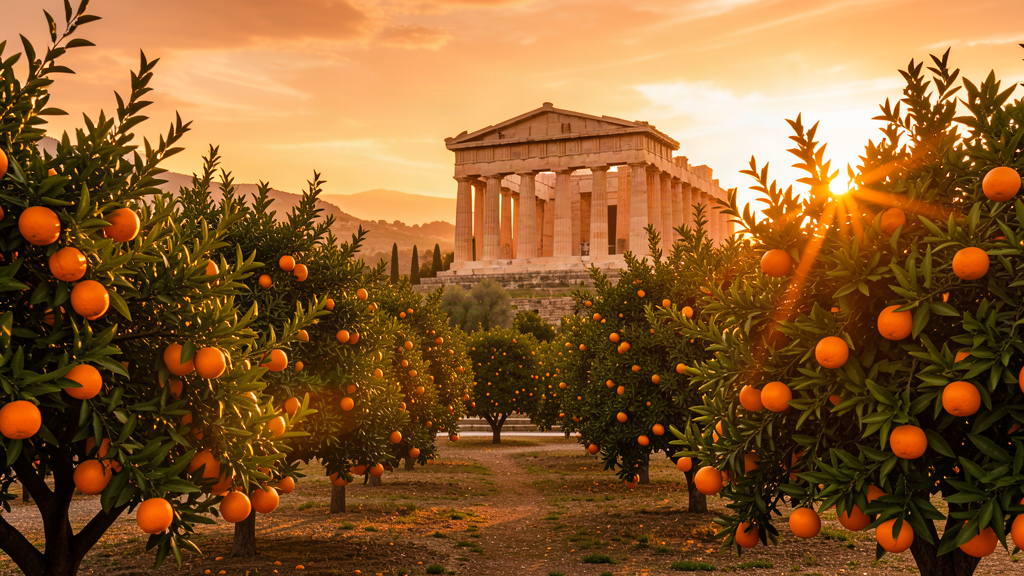
Agrigento (Valley of the Temples) is two towns stacked on one slope: the living hill city above, still called Girgenti by people who grew up here, and the archaeological belt below, where buses unload, and the masses take their photos of the Doric columns. I treat the temples as bearings more than the whole day. Better hours sit in the cleft, on Via Atenea with a sciarduni in hand, or on the Rabato lanes when the afternoon wind climbs Rupe Atenea.
Drop into the garden before the ridge owns you
The Valley of the Temples runs along a long ridge south of the modern center. Concordia stands almost whole. Hera and Heracles are broken and still worth the walk. See them once with respect. Then leave time for Kolymbetra, the reclaimed garden in the hollow the Greeks used as a water basin.
Paths slide between citrus rows and older olive. The air changes: cooler, wetter, scented with leaf oil instead of dust and tour exhaust. In spring the almond trees blush pale pink, and the city throws its Festa del Mandorlo in Fiore, with Via Atenea balconies competing in flower. Outside that week the garden still feels like the working understory under all that monumental stone. Sit. Watch temple rock reappear above the canopy when you climb out.
I go early or late. Midday on the open ridge will teach you why shade mattered here long before tour groups. Comfortable shoes matter; the park is large, and the ground is honest. Pair Kolymbetra with one temple circuit rather than collecting every column in heat that argues back.
Via Atenea and the hill that still shops
Above the valley, Agrigento’s centro sits on twin hills — Girgenti and Rupe Atenea — with Via Atenea as the pedestrian spine. It is not a polished resort corso. Shops open on their own clock. Bars fill with people who are not holding a map. Teatro Pirandello anchors one end of the social hour; the other frays into ordinary errands and sudden views toward the sea.
Walk it without hunting landmarks. Duck into a vicolo when a delivery scooter claims the lane. Climb toward Rupe Atenea if your legs want a quieter belvedere. The old Rabato quarter keeps a tighter grain — laundry, stone, sudden steps. This is where Agrigento stops performing and goes back to being a provincial capital that happens to sit above a famous temple line.
In March, almond blossom turns the festival into a reason to linger on Atenea after dark. The rest of the year, the street’s simpler gift is coffee while the valley buses loop without you.
Sciarduni, almond, and tables that stay local
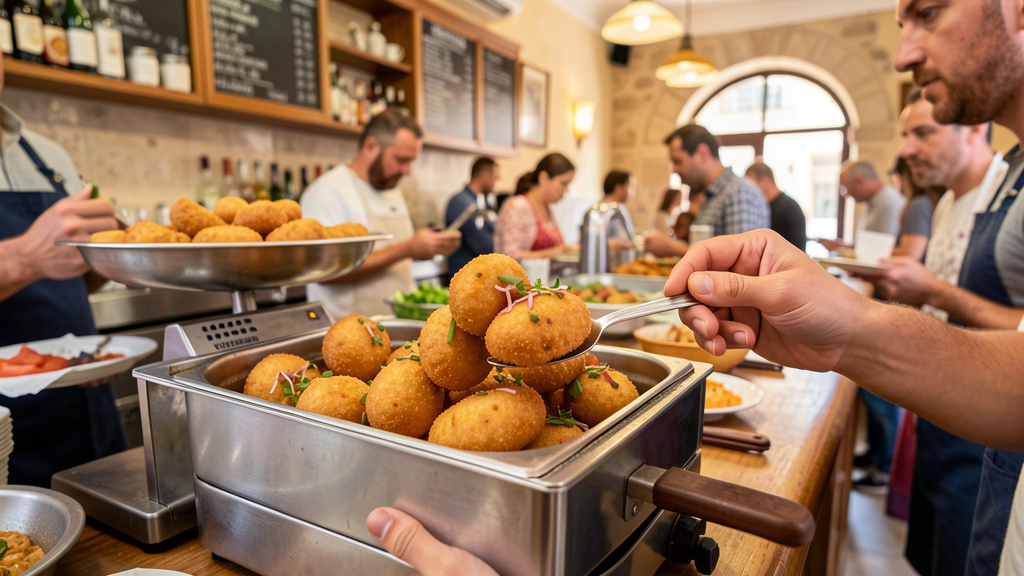
Agrigento has its own sweet tooth. Sciarduni — glazed shortcrust cannoli filled with ricotta and rolled in almond grain — is the pastry I order when I want something that is not the island-wide default. Almond shows up from festival weeks to the biscotti under glass. Granita and brioche still work in summer; just do not let them erase the town’s own accent.
Bar Gambrinus, Via Atenea 170, 92100 Agrigento AG, has held a long place on the main street for pastry, ice cream, and counter rhythm where locals still pause. Come for sciarduni when they have them, cannoli filled to order so the shell stays crisp, almond or pistachio granita when the afternoon needs cooling. I use it as a reset between hill and valley. Stand if you can.
Osteria Civicododici, Via Vullo 12, 92100 Agrigento AG, sits a short walk off Atenea in a small room that treats wine and Sicilian plates with care and little spectacle. Book when you can. Evening is the point: a few courses, normal volume, cooking that remembers the island is more than coach-group seafood. Good after a temple day when you want cloth and pace without a panoramic surcharge.
Ristorante La Scala, Via Atenea 72, 92100 Agrigento AG, occupies part of historic Palazzo Granet on the spine. Sicilian cooking with a cleaner modern hand — fish when the market allows, vegetables that taste shopped. Reserve for dinner. Use it when the day was dust and columns, and you want the meal to feel decided.
Between those, a panino and fruit from a neighborhood shop still counts. San Leone on the coast is a separate evening if you want beach energy; the hill city is enough if you came for stone and citrus.
Places to stay
Sleep on the hill for morning coffee on Via Atenea without a taxi. Sleep by the temples if waking to the ridge is the romance. Both work. Mixing them as a nightly commute does not.
Budget: B&B Portatenea, Via Atenea 2 (angolo Via Cesare Battisti), 92100 Agrigento AG. At the start of the pedestrian spine, near the station side, rooms that put you into the working center on foot. You trade spa gloss for location. Book ahead in almond-blossom week and high summer.
Midrange: B&B Palazzo del Teatro, Vicolo Teatro 4, 92100 Agrigento AG. Steps from Piazza Pirandello and Teatro Pirandello, elegant rooms in the historic core without leaving the evening passeggiata. Quiet enough to sleep, central enough that dinner is a walk. Ask about festival-night noise; the square can stay social late.
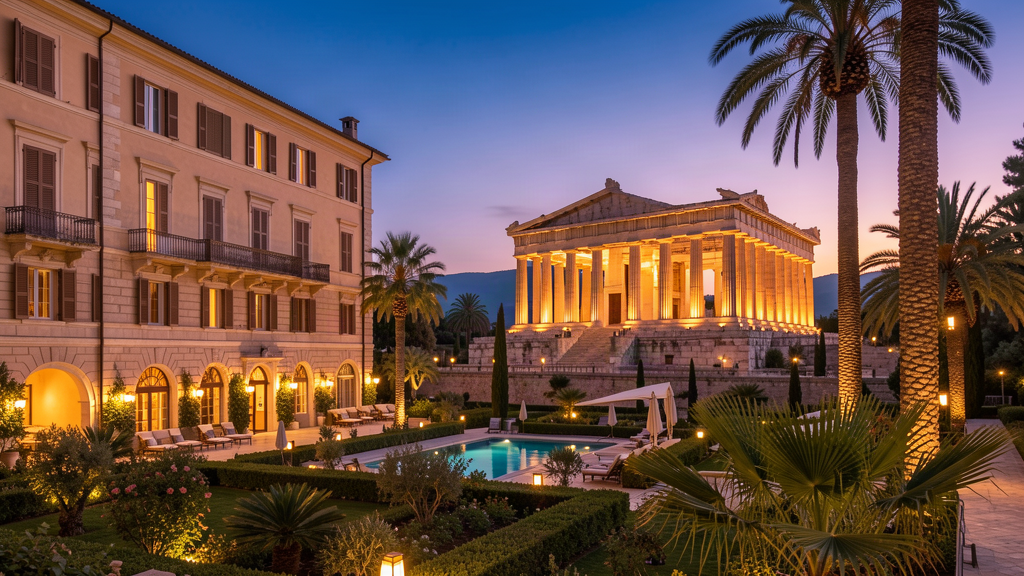
Splurge: Hotel Villa Athena, Via Passeggiata Archeologica 33, 92100 Agrigento AG. Inside the archaeological belt with Concordia in the view from gardens and some terraces — the stay people mean when they want to wake beside the temples. Pool, polished service, a short wander to the ridge paths. Farther from Via Atenea’s daily life; plan a car, taxi, or bus for the hill at night.
Confirm parking if you drive. The centro is not built for casual circling with a suitcase in the back seat.
Getting here and moving around
Fly into Palermo (PMO) or Catania (CTA) and continue by train, bus, or rental car. Agrigento’s station sits below the centro; buses and taxis cover the pull up to Via Atenea and the drop toward the Valley of the Temples. Parking near the main temple entrances fills in peak hours — arrive early or late.
Inside the old town, walk. Side streets pitch without warning. For the valley, wear real shoes and carry water. The site is a whole landscape, not one monument with a queue. Check Kolymbetra tickets and hours the morning you go.
Spring and autumn are kindest. Summer pushes visits to the edges of the day. Winter thins the buses and leaves the garden and Atenea bars feeling more like local habit than stops on a circuit. Without a car, pick fewer places and stay longer on the hill.
A day that keeps the green cut in the middle
Morning: coffee on Via Atenea, then down to the temples before the biggest groups settle. Walk one stretch of the ridge — Concordia and the line toward the sea — without racing the full circuit. Drop into Kolymbetra while your legs still agree. Sit under citrus until the stone above feels like background again.
Midday: back toward the centro if the heat climbs. Sciarduni or granita at Gambrinus. Rest. Closed-shutter hours exist for a reason here.
Late afternoon: Rabato lanes and a short climb on the Rupe Atenea side for air, or a quieter pass near the temples when coaches thin. Evening: Civicododici or La Scala depending on how formal you feel. End on Atenea if the street is still moving. The valley will be floodlit from a distance; you do not need the ticket line again to know it is there.
Agrigento will sell you columns, and they deserve the sale. What holds me is smaller and lower: orange shade in a cleft the Greeks dug for water, almond grain stuck to glaze on a pastry you eat standing up, a pedestrian street that still belongs to people finishing ordinary days. The ridge keeps the skyline. The garden keeps the place cooler than the postcard. Walk both, then let Via Atenea decide when you are done.
