The Croix-Rousse hill climbs sharply above the Saône, its streets still marked by the tall windows and high ceilings built for the silk looms. Most visitors head straight for Vieux Lyon or the Presqu’île, but the real character of Lyon lingers in this northern quarter. The morning I arrived, the Boulevard de la Croix-Rousse was already alive with the weekly market. Stalls offered rounds of Saint-Marcellin cheese, slices of rosette de Lyon, and bunches of fresh herbs. Vendors called out to regulars while weighing produce. The air carried the scent of ripe fruit and strong coffee from the nearby cafés. It felt like a village square rather than a city street.
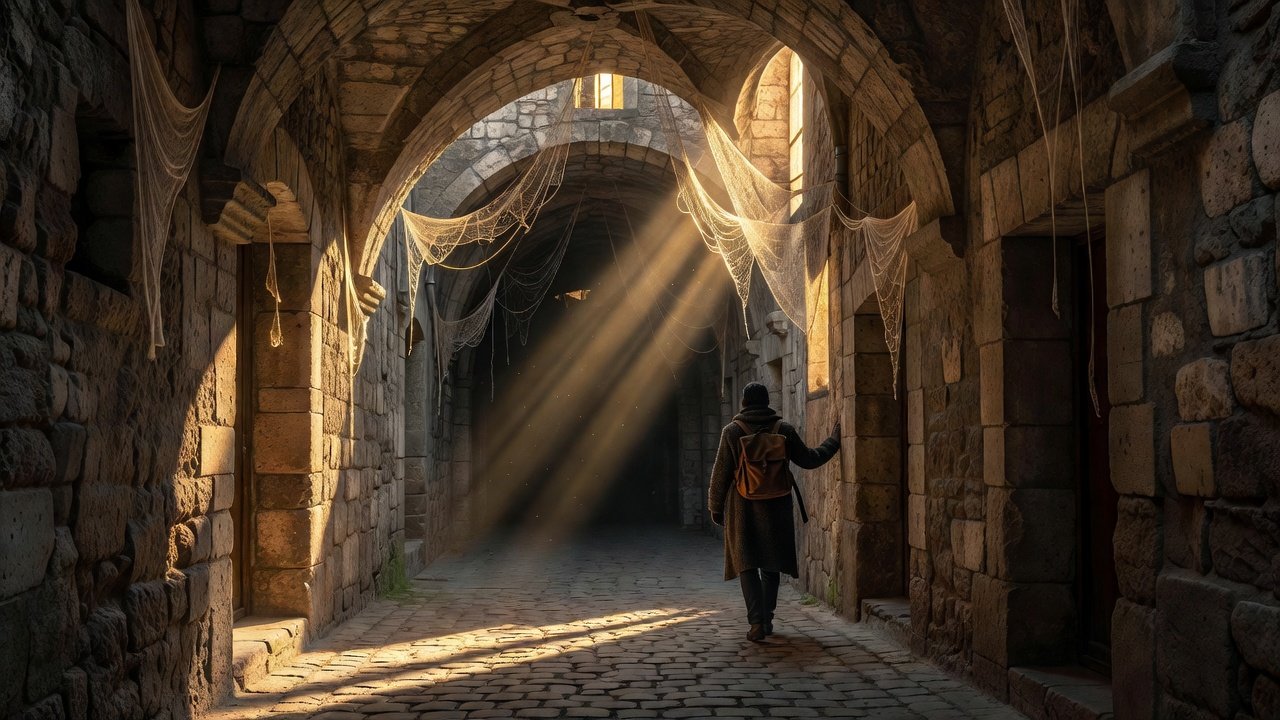
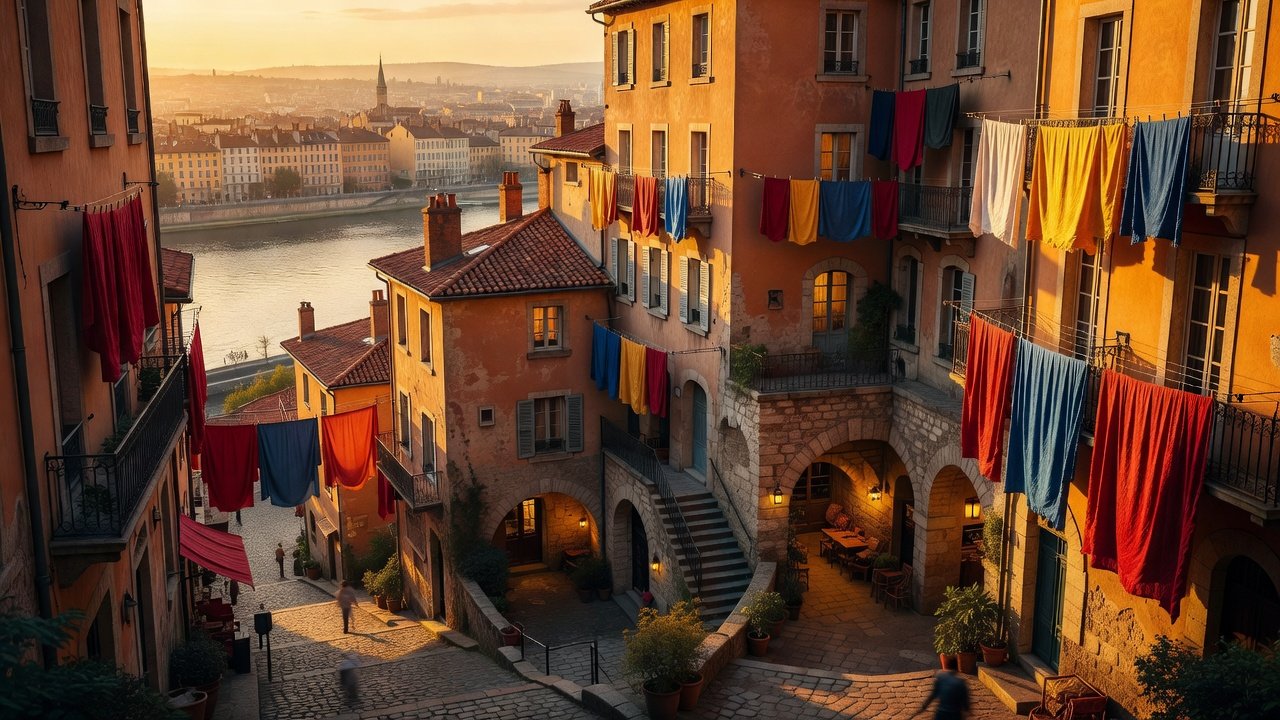
I followed the crowd up the slope and then ducked into one of the traboules. These passageways once allowed the canuts, the silk weavers, to move bolts of fabric without exposing them to the weather or prying eyes. Today they serve as shortcuts and quiet escapes. The one I chose opened into a sunlit courtyard with a stone fountain. A woman was hanging laundry from a balcony above. She nodded as I passed. The walls still carry the faded signs of old workshops, some painted over, others left to weather into the stone.
The history here is one of labor and resistance. The canuts staged several uprisings in the 1830s and 1840s, fighting for better pay and conditions in an industry that made Lyon wealthy. Their legacy remains in the architecture and in the independent spirit of the neighborhood. Modern Croix-Rousse mixes artists, families, and a few remaining small workshops. New cafes sit beside old bakeries. The change is gentle, like the slow shift of light across the hill in the late afternoon.
By midday the market had thinned. I climbed higher to the Jardin Public, a modest green space with benches facing the river and the distant outline of the Alps on clear days. Old men played pétanque while children chased pigeons. The click of the boules against one another mixed with laughter. From this height the city below looked almost miniature, its rooftops catching the light. The Saône curved lazily past the Presqu’île, its surface broken by the occasional barge moving upstream.
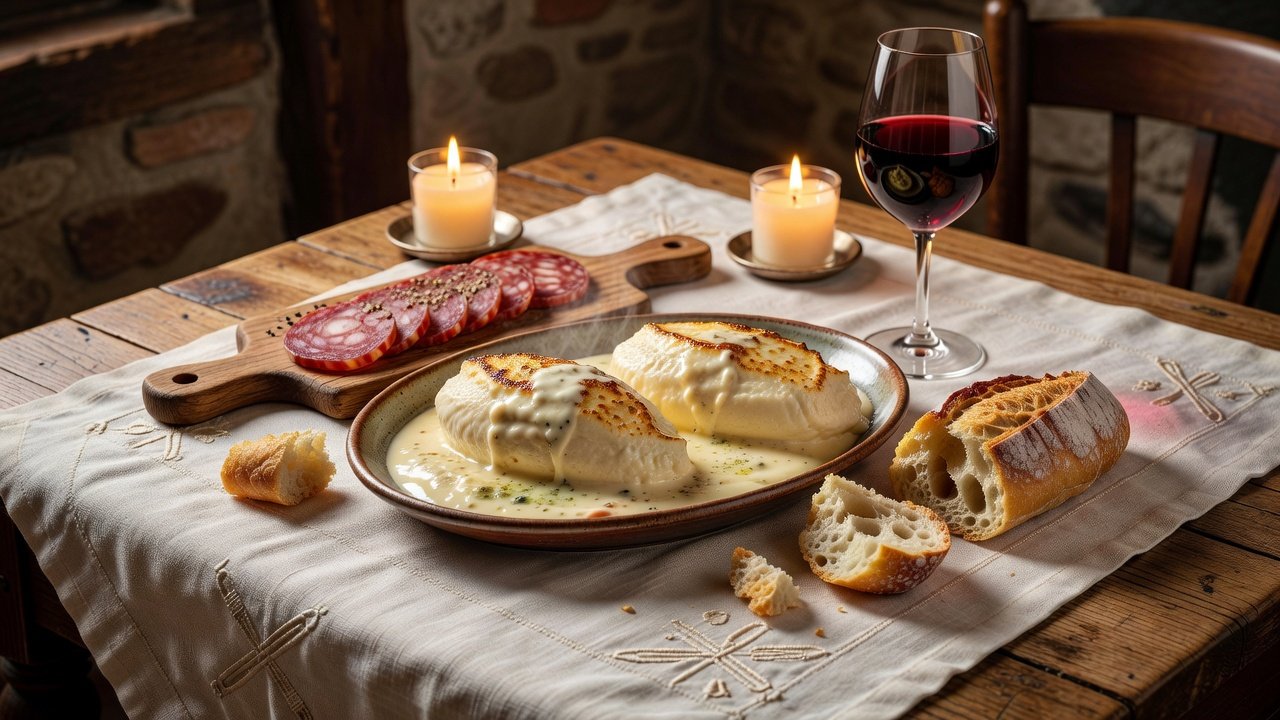
Lunch called from a small bouchon tucked off the main street. The room was simple, with red-checked tablecloths and a chalkboard menu listing quenelles de brochet, tablier de sapeur, and andouillette. The owner poured a glass of light Beaujolais and spoke about how the neighborhood had changed since his grandfather ran the place. New people moving in, but the old recipes staying the same. The quenelles arrived light and fluffy, the sauce rich without being heavy. It was the kind of meal that makes you linger over a second glass of wine and watch the street outside.
In the afternoon I walked the narrower streets, tracing the path of the old silk trade. Some buildings still have the external staircases and wide doors designed for moving looms. One workshop had its doors open; inside an elderly man was showing a small group how the Jacquard looms worked. His hands moved with practiced ease as he explained the patterns. It was a living reminder of why this hill looks the way it does. The mechanical rhythm of the looms once filled these streets from dawn until dusk.
As the light softened toward evening, I took a different traboule down toward the river. The passage opened onto a quiet stretch of the Saône bank. The water reflected the warm stone of the buildings opposite. A few locals walked their dogs or sat on the low wall with a book. The hill rose behind me, its windows catching the last of the sun. It was easy to see why the weavers chose this spot. The light is good for work, and the river provides a constant, gentle presence that has shaped daily rhythms for centuries.
The neighborhood rewards slow exploration. There is no single landmark that demands a photo. Instead there are dozens of small moments: the smell of fresh bread from a corner bakery, the echo of footsteps in a traboule, the view that opens suddenly between two buildings. Lyon’s reputation for gastronomy is well earned, but the best meals here are the ones shared with people who have lived on the hill for generations. Conversations at the market or over a shared carafe often reveal more about the city than any guidebook.
Practical details make the visit easier. The metro line C runs up the hill from the Presqu’île, though the walk from the river is pleasant on a clear day and offers changing views as you ascend. Buses also serve the boulevard. The market runs on Tuesdays, Thursdays, and Saturdays. Most traboules are open during daylight hours; a few require a code that changes periodically, but the main ones are always accessible. A good map or local app helps navigate the maze of passages without getting turned around.
Places to Stay
Three places offer different ways to experience the hill and the city around it.
For a straightforward, affordable base, try Hotel du Simplon at 11 Rue du Simplon, 69004 Lyon. The rooms are simple and clean, with good beds and small balconies on some units. It sits on a quiet street a short walk from the market and several traboules. The staff knows the neighborhood well and can point you toward the lesser-known passages that open into hidden courtyards.
A step up in comfort is the Hotel des Canuts at 24 Rue de Belfort, 69004 Lyon. Housed in a former silk workshop, the building retains high ceilings and original stone details. Rooms are modern and quiet, with views either toward the hill or down toward the Saône. The location puts you right in the middle of daily life in Croix-Rousse, with bakeries and small grocers on the same block. Breakfast includes fresh bread and local jams.
For something more special, the Villa Florentine at 25 Montée Saint-Barthélemy, 69005 Lyon sits just below the hill in Vieux Lyon but offers easy access to Croix-Rousse via the montée. The former convent has been converted into a luxurious hotel with a fine restaurant and a terrace that overlooks the city. It is the place for a splurge, especially if you want to combine hill walks with the old town’s atmosphere and a memorable evening meal.
Restaurants
Lyon’s bouchons are the heart of its food culture. Here are three worth seeking out near Croix-Rousse.
Le Bouchon des Canuts at 4 Rue de Belfort, 69004 Lyon serves classic Lyonnais dishes in a warm, unpretentious room. The menu changes with the seasons but always includes quenelles and a good selection of local wines. It is popular with locals, so reservations are wise on weekends. The staff often shares stories about the neighborhood’s past between courses.
Chez Hugon at 12 Rue du Puits-Gaillot, 69001 Lyon is a short walk down the hill into the Presqu’île. The family has run the place for decades. The andouillette is excellent, and the atmosphere feels like a neighborhood gathering. Portions are generous, and the wine list focuses on Beaujolais and the northern Rhône. It is the sort of place where you might end up staying longer than planned.
Le Garet at 7 Rue du Garet, 69001 Lyon offers a slightly more refined take on bouchon cooking. The room is small and always full. Their tablier de sapeur is crisp on the outside and tender within. It is the kind of place where you strike up a conversation with the table next to you over a shared carafe. The service is efficient but friendly, typical of Lyon’s better traditional kitchens.
Croix-Rousse rewards those who take their time. The silk may be gone, but the threads of daily life still run strong through its streets and courtyards. A few days here give you a different Lyon, one that lingers long after you have descended the hill and returned to the flatter parts of the city. The light on the Saône at dusk stays with you.