
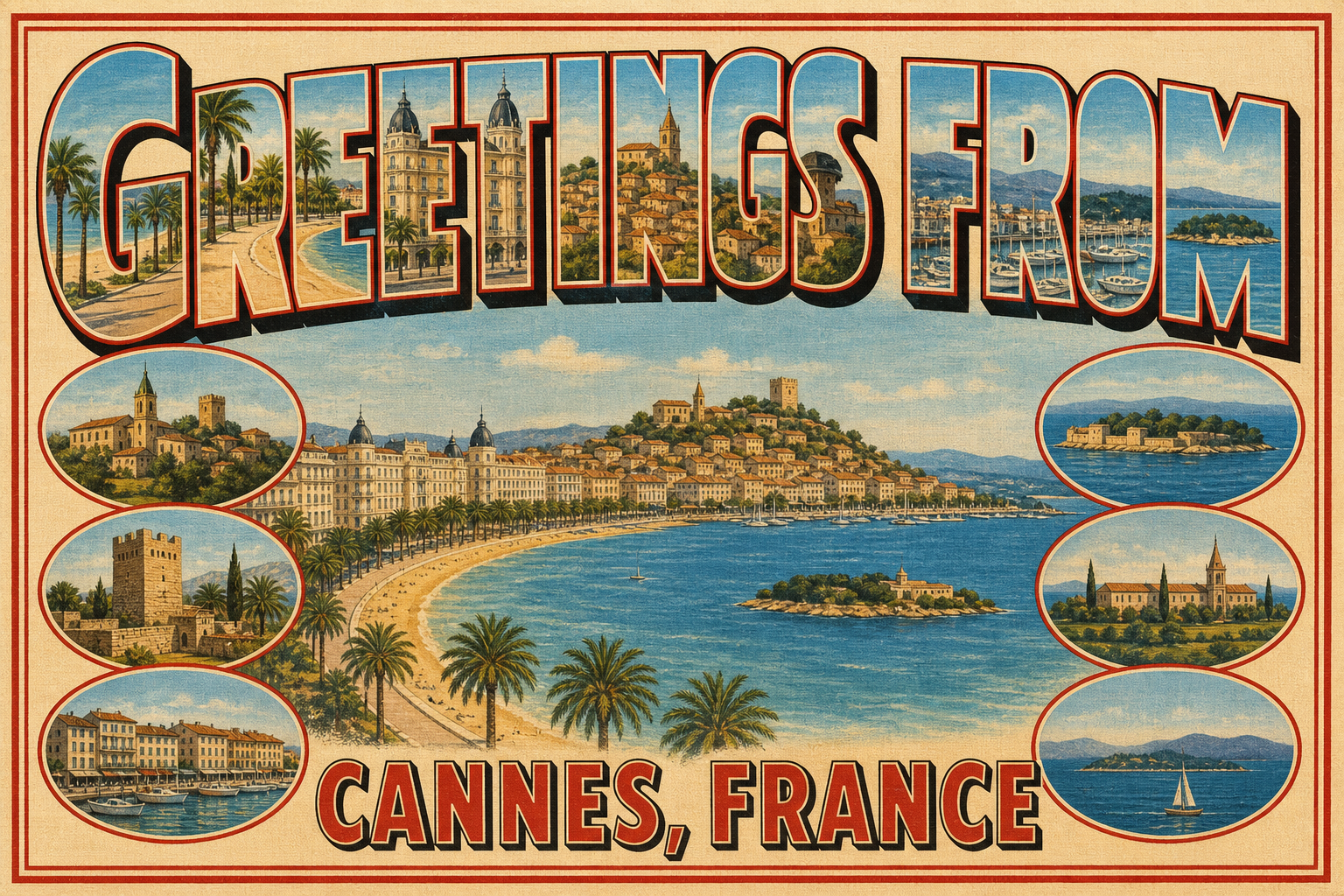
People come to Cannes for the red carpet, the palms on La Croisette, and a photo outside the Palais des Festivals. Fair enough. Those things are real. What I keep coming back for is smaller and earlier: a covered market hall at the foot of the old hill, fish still on ice before the boulevard wakes, and a climb up Le Suquet when shoppers thin and the stone still holds the cool.
The glamour strip isn’t fake. Yachts sit in the old port. Hotels polish their awnings. Walk that edge once for the postcard, then peel inland toward Rue Meynadier and Marché Forville, where Cannes still acts like a working Mediterranean town that happens to host a film festival.
I came for the market under Le Suquet and stayed for the stairs, the early food shops, and dinners that don’t need a black-tie excuse.
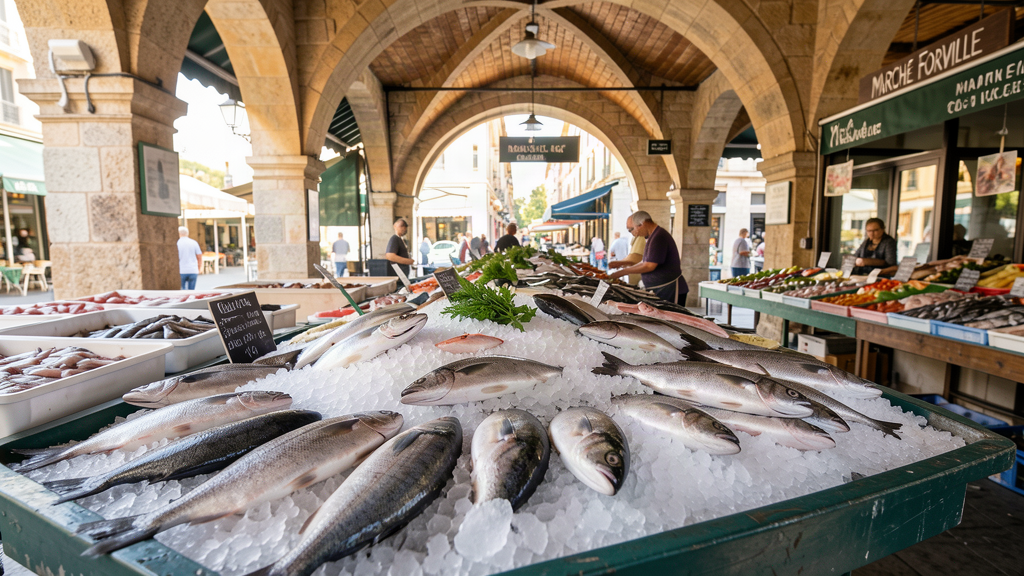
Marché Forville while the crates are still wet
At the base of Le Suquet, just back from the old port, Marché Forville is the city’s classic covered food market. The hall dates to the 1930s. Hours run roughly Tuesday through Sunday mornings, about 7 a.m. to 1 p.m., with summer often adding Monday. Go when vendors are still hosing floors and stacking tomatoes, not when people are mostly photographing cheese they won’t buy.
Inside: fish on ice that still smells like the morning boats, olives in tubs, herbs, fruit that bruises if you grip it wrong, flowers in buckets, cheeses cut to order, roast chickens for people feeding a real table. Small counters let you stand with a coffee if the day is already warm. Fixed shops on the eastern side keep the place feeling like a neighborhood machine, not a weekend pop-up.
I walk the aisles once without buying, then take what I’ll actually eat — fruit for the hill, something salty for later, maybe a small cheese. Bonjour first. Cash helps at some stalls. When the serious shoppers thin, leave. The market is a clock more than a checklist.
Rue Meynadier before the hill
Rue Meynadier, the old Grande, runs toward the foot of Le Suquet with food shops that open early: delis, canners, confectioners, fishmongers already working when the Croisette is quiet. Walk it on the way to the market. The street is narrow enough that you smell bread and oil before you see the signs.
This isn’t a secret. Locals use it. Visitors find it. Timing is the difference. Mid-morning on a market day it still feels like a supply line. Late afternoon it can tip toward souvenir drift. I treat Meynadier as a corridor with a job: get something good, keep moving toward the hall or the stairs. The old port and the Palais are close if you want them. Neither has to own the day.
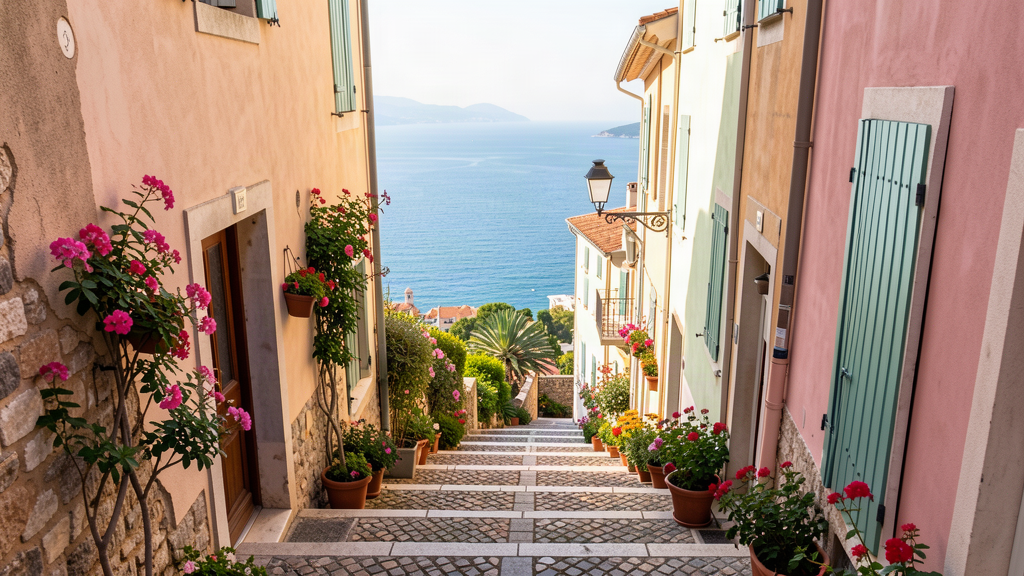
Climbing Le Suquet when the stone is still cool
Le Suquet is the historic hill town Cannes grew from — tight lanes, uneven steps, ochre walls, laundry that ignores the festival calendar. After the market, climb. Rue Saint-Antoine and the smaller stairs pull you up past restaurants that fill at night and doorways that stay residential all year.
At the top, the old castle grounds and Notre-Dame d’Espérance give the wide view: roofs, port, bay, the Lérins islands offshore. Go for air and orientation more than a long museum hour. Musée de la Castre is fine if you like quiet rooms. Skip it if you’d rather sit on a wall with market fruit.
I climb one route up and take a different lane down. Midday in July the stone radiates. Early or late is kinder. Le Suquet doesn’t help you escape Cannes. It just reminds you the town had a shape before the boulevard had a brand.
Port edge, beach strip, and what to skip without guilt
The Vieux Port sits below the hill with working boats mixed among polished ones. Walk the quay for light and gull noise. Further along, La Croisette does what it does: palms, beach clubs, grand façades, people watching people. One slow pass is enough for most trips. Private beach sections cost money. Public stretches exist if you want sand without a full sunbed production.
Outside festival weeks the Palais is mostly architecture and a walkway. During the festival the city rewrites itself — badges, barriers, late crowds. Book early for those dates, or come in shoulder season when Forville still feeds the town. Île Sainte-Marguerite is the easy island day: short boat, pine paths, fort, swimming coves. Catch the last return if you care about dinner on the mainland.
I’d rather spend a second morning at Forville than force another boutique on Rue d’Antibes out of obligation. Shop if you like shopping. Don’t confuse retail with the town.
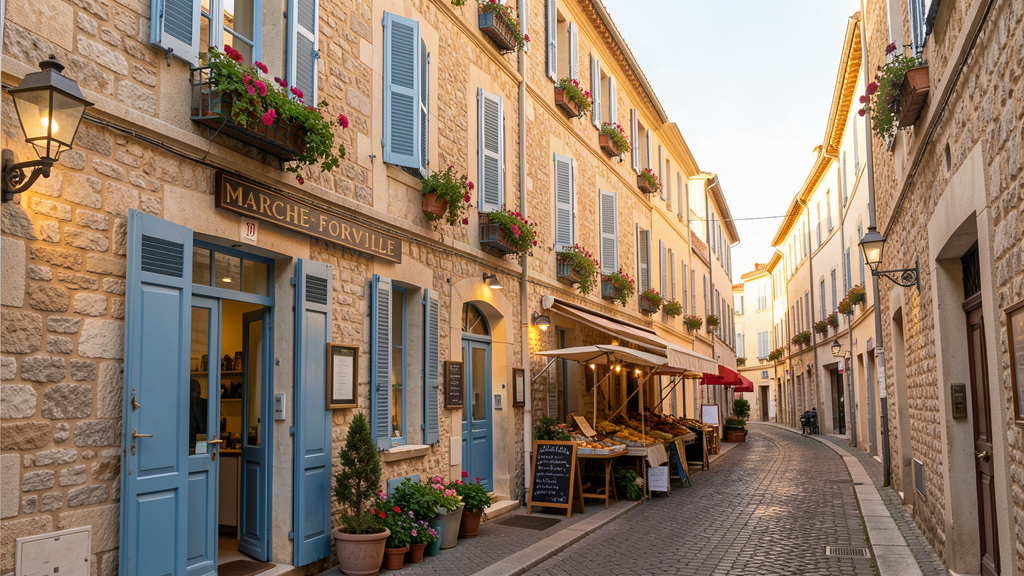
Places to Stay
Three bases at different prices: a simple central hotel, a quieter house a few blocks in, or a small design stay on the Suquet hill.
Hôtel Le Mistral (budget-friendly, near the center)
13 Rue des Belges, 06400 Cannes
Straightforward rooms on a practical street within walking distance of the station, old port, and market if you put in about fifteen minutes on foot. Not a design showpiece. Good if you want the savings in seafood and market food. Ask about street noise when you book; pack earplugs in high season.
Hôtel de Provence (mid-range, Rue Molière)
9 Rue Molière, 06400 Cannes
A calmer house a few blocks off the loudest waterfront energy, with a small garden that matters after hot stone. You can still walk to the Croisette and Forville without making a project of it. Useful when you want a proper room and quiet breakfast more than a party address.
Hôtel Le Suquet Cannes (higher stay, old town hill)
5 Rue des Tambourinaires, 06400 Cannes
A small boutique property in the historic Suquet, close to restaurant lanes and a short walk down to the port and beaches. Pool and terrace help when afternoon heat sits on the hill. Worth it as the deliberate splurge if waking in the old town is the point. Skip it if your budget belongs at the fish counter and one good dinner.
Where to Eat
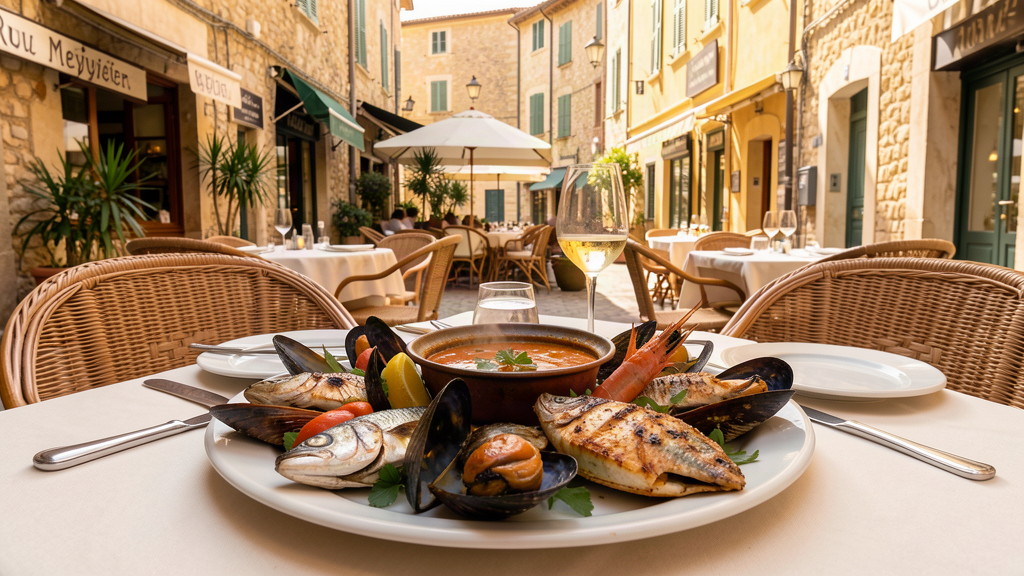
Cannes cooking pulls Provençal habits toward the sea: olive oil, tomatoes when they taste like tomatoes, fish that should have been swimming recently, simple grills, the occasional grandmother-style stew. Forville is the honest supply line. Reserve when a place is already known.
Aux Bons Enfants
80 Rue Meynadier, 06400 Cannes
Family-run Provençal cooking at the foot of Le Suquet, long tied to Forville produce and a room that feels like a serious neighborhood table. Go after the market walk. Book ahead; the room isn’t endless and locals already know it.
Astoux et Brun
27 Rue Félix Faure, 06400 Cannes
A seafood house open since the 1950s near the port: shellfish, fish, the kind of plateau that makes sense when Forville’s ice looked good that morning. Touristy edges exist because the formula works. Still useful when you want crustaceans without inventing a secret address.
Le Bistrot de Grand-Mère by La Brouette
3 Rue du Pré, 06400 Cannes
A warmer, old-fashioned French table — stew, terrine, a slower evening. Good when you want something less seafood-tower and a room that doesn’t care what premiered at the Palais. Check hours. Reserve if your night is fixed.
For a lighter day, build lunch from Forville itself: fruit, cheese, roast chicken, something cold, eaten on a Suquet step with a view of roofs. That meal often beats a mediocre waterfront menu.
Getting around and small practical notes
Central Cannes is a walking town if you stay near the port, Meynadier, or the Suquet. Wear shoes that forgive stone and slick market water. Cannes station sits north of the waterfront; the walk down is fine with light bags. Cars in the core are more hassle than help. Park in a garage and walk.
Boats to the Lérins leave from the port — check the last return. Nice Côte d’Azur airport is the usual gateway; the coastal train is the sane hop to Antibes or Nice. Summer heat is real, and festival weeks rewrite crowds and rates. Walk the market and hill early, use a long lunch as a midday pause, save the Croisette for evening light. Carry cash for stalls.
I leave Cannes remembering wet market floors and the first turn of the Suquet stairs more than any red-carpet stand. Give Forville an unhurried morning, climb the old hill before the stone cooks, eat fish that still had a relationship with ice, and let the boulevard be a side character. The festival will still be famous when you get home. The hall under Le Suquet is the part that feels like a town.
