
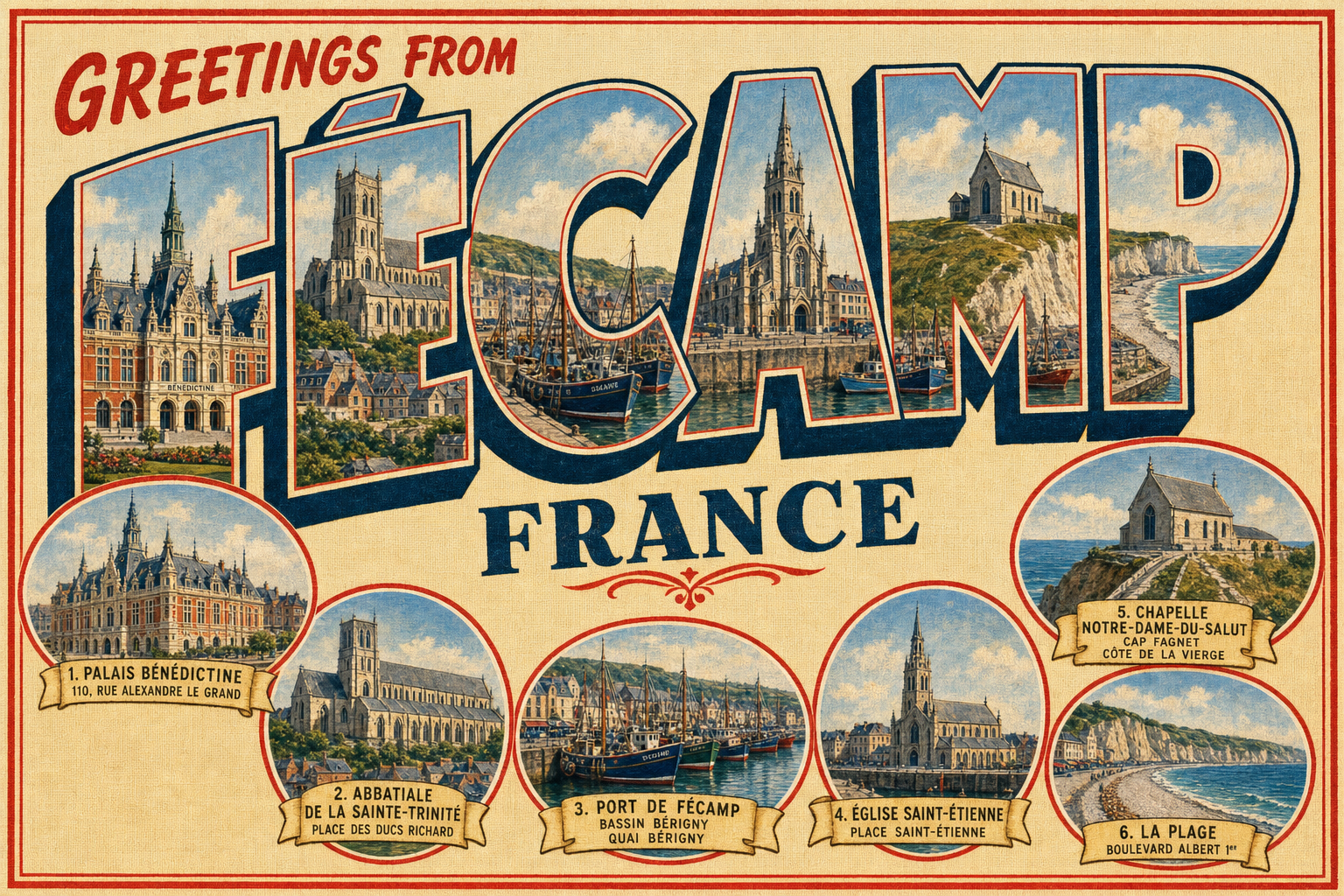
Étretat owns the cliff postcards fifteen minutes west. Fécamp keeps the working water. I came for the port that once sent cod fleets toward Newfoundland, and for a museum stuffed into a 1950s drying factory on Quai Capitaine Jean Recher. Les Pêcheries does not polish the sea into scenery. It smells of old timber and salt, then pushes you onto a roof belvedere where basin, pebble beach, and Cap Fagnet sit in one frame. I used that roof more than any map.
Fécamp sits in a break of the Alabaster Coast, harbor cut between chalk heights. Ducal abbey stone inland. Liqueur palace a few streets over. Herring still in the market language. Day-trippers often treat the place as a parking lot between arches and Monet gardens. Stay overnight and the quays reorder the day: crates early, stone later, Bénédictine only if you still have legs.
Inside the old dryer
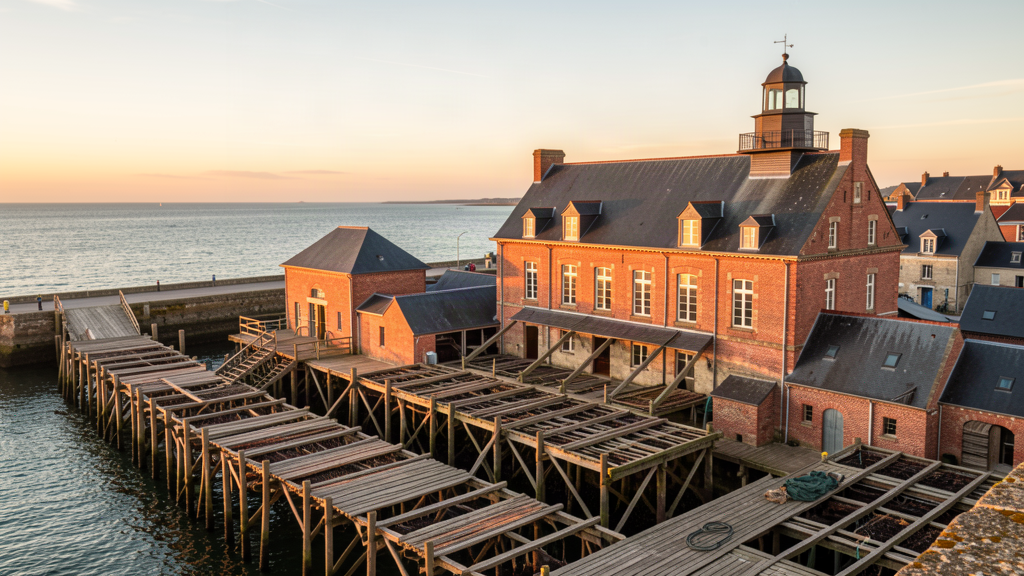
Les Pêcheries, Musée de Fécamp occupies 3 Quai Capitaine Jean Recher, 76400 Fécamp, a former sécherie de morue rebuilt as the town’s municipal museum. You walk into industrial volume before vitrines. High spaces that once held drying fish now hold ship models, fishermen’s tools, fine art, and domestic objects from a port that lived by the North Atlantic more than by resort calendars.
I took the visit slowly. Fishing galleries first: gear, photographs, seasonal fleets and winter risk. Then the local-life rooms, where culture sits next to kitchens and childhood. The roof belvedere is not a gimmick. Step out and the geography clicks — marina masts, outer channel, white cliffs rising east toward Cap Fagnet, town roofs in the valley. From up there the chalk cut looks like what it is: a workplace that happens to have a view.
Give yourself ninety unhurried minutes. Read labels. Look at faces in the old prints. Stand on the roof and put the phone away for a minute. You leave knowing where you are.
Quays, herring, and Saturday under the halles
Below the museum the port still behaves like a port. Early morning is honest: hose water, gull noise, ice on trays when landings allow, ordinary Channel commerce beside pleasure boats. Fécamp’s herring history never turned into costume. The fish is still a seasonal identity; November festivals lean on it. Outside festival weeks you catch the residue in menus and market talk.
Saturday morning under Les Halles is the town’s social hour — produce, cheese, farm stalls, conversation that ignores your itinerary. Near Saint-Étienne the market densifies. Friday and Saturday fish sales along the port reward anyone willing to shop like a neighbor. Buy something small if you have a kitchen. Or just watch people choose a piece without making a show of it.
I walked Quai de la Vicomté and the Bérigny edges after coffee, then cut inland when a coach emptied near the tourist office. One street back, Fécamp returns to errands and school routes. The souvenir strip is easy to step around if you keep moving.
Abbey stone and ducal scraps
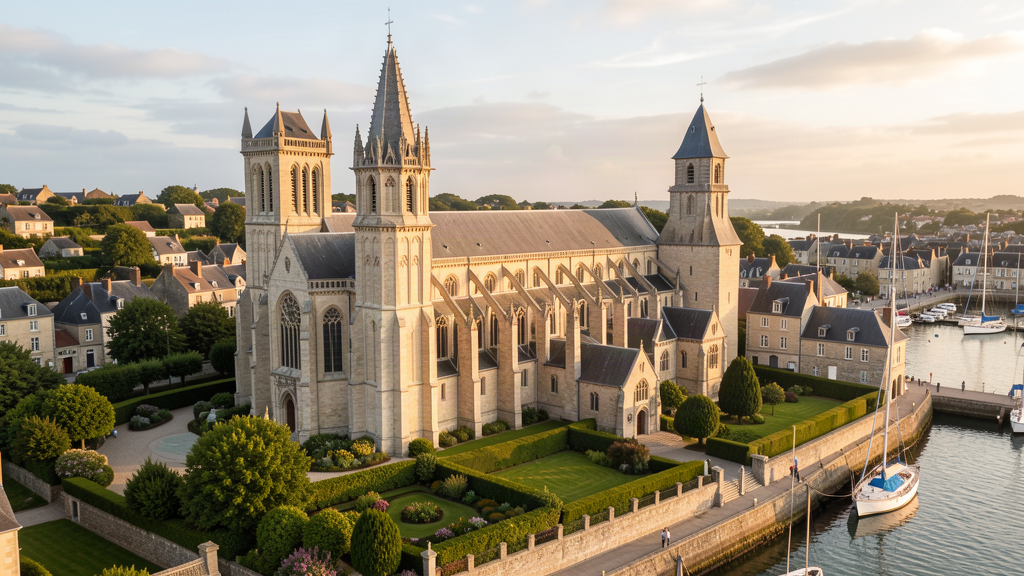
Abbatiale de la Sainte-Trinité rises on Place des Ducs Richard, 76400 Fécamp, a Gothic bulk with deeper Norman roots and the leftover weight of a ducal religious center. Opposite, fragments of the old ducal palace remind you this was not always a side trip from Étretat. Go inside for cool stone after quay glare. Sit. Let the nave quiet your ears.
I liked the abbatiale best mid-morning, after the dryer museum and before lunch, when my shoes still carried quay grit. Industrial floors, then height, then salt air again. Monks, dukes, cod captains, and distillers all left marks here. None of them cancel the others.
Palais Bénédictine without letting it own the day
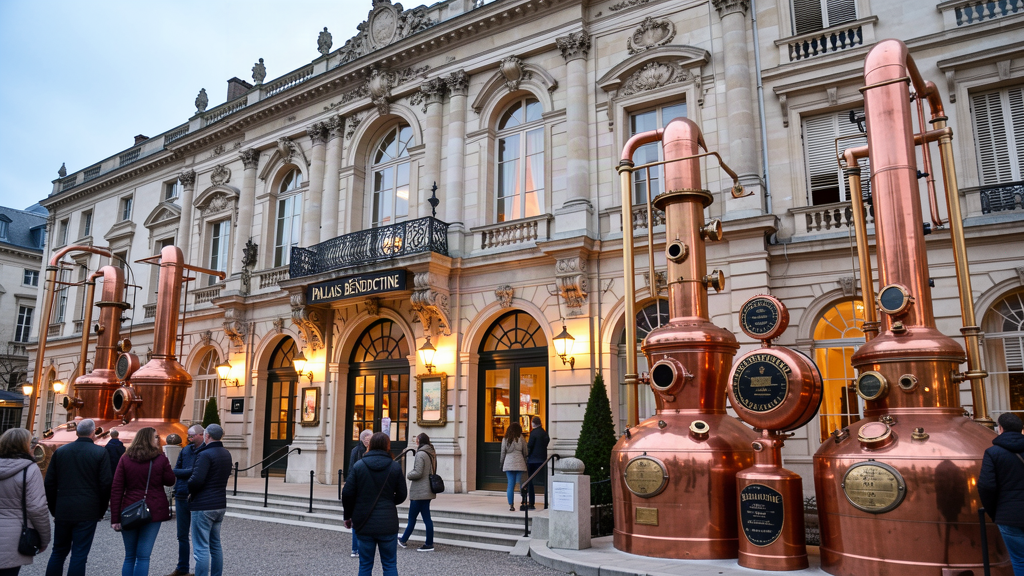
Palais Bénédictine at 110 rue Alexandre Le Grand, 76400 Fécamp, is the flamboyant outlier: neo-Gothic and Renaissance fantasy built by a nineteenth-century merchant who turned a “rediscovered” monastic liqueur recipe into an empire and a palace-museum. Copper stills, casks, religious art, a tasting at the end. Worth the ticket if you like factory heat dressed up as a cathedral tour.
Keep it short. Ninety minutes is plenty unless you are a spirits obsessive. The palace photographs like a set and will try to become your whole Fécamp sentence. Walk out and go back to the quays so the older work shows up again. The liqueur is part of Fécamp. It is not the port.
Cap Fagnet when the light goes flat
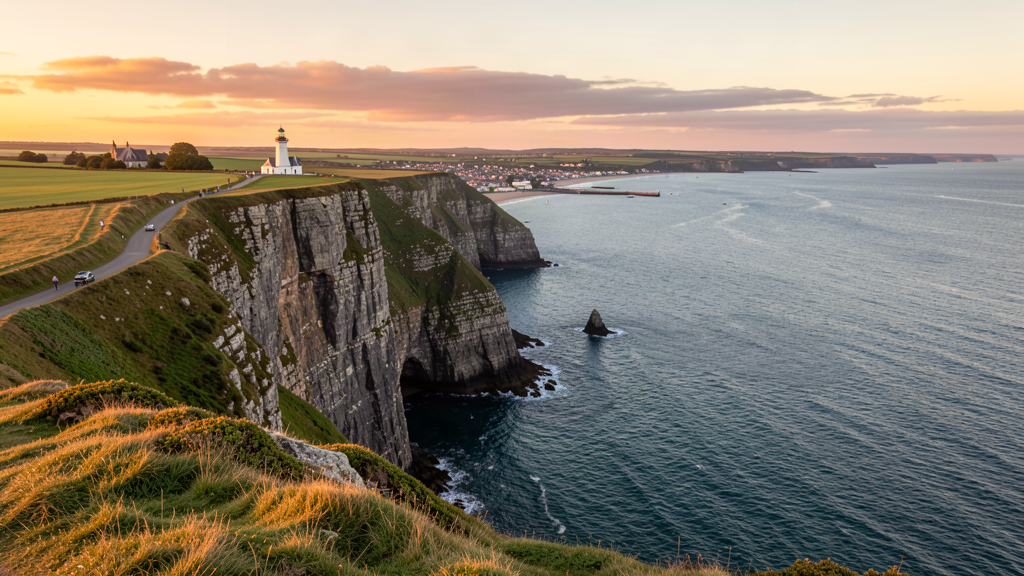
East of the harbor mouth, Cap Fagnet lifts you above the channel with war remnants, wind, and Chapelle Notre-Dame du Salut keeping a sailor’s eye on the water. The walk or short drive is less summit glory than a chance to read the whole cut of Fécamp from above: beach pebbles, basin geometry, town pressed into the valley floor. Grey weather suits it.
I went late afternoon when coach groups thinned. Wind off the Channel does most of the talking. Bring a layer. Look back at the dryer roof you stood on earlier. Factory belvedere, then cape — that pair is the day I would hand someone who only booked Étretat arches.
Places to stay
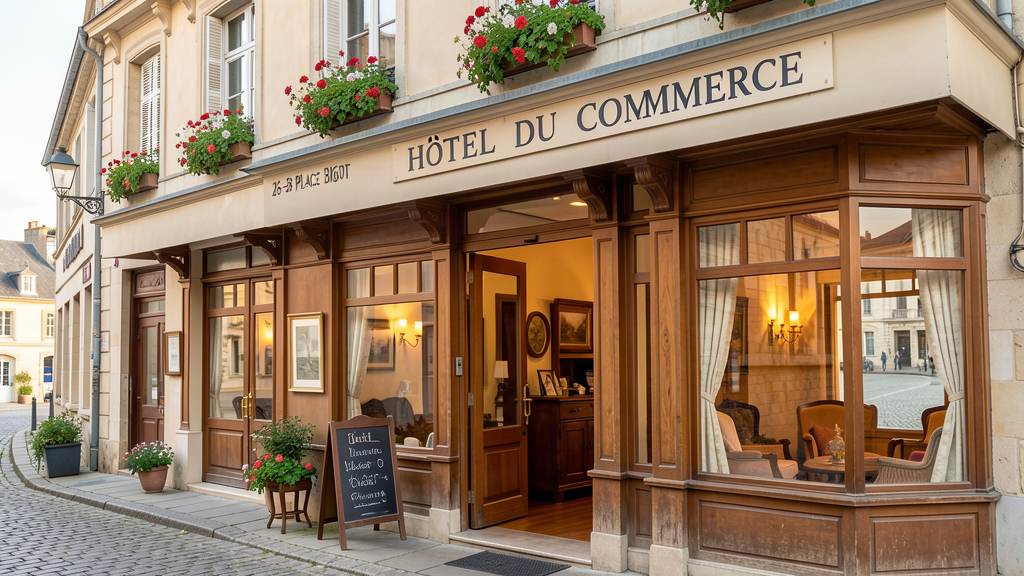
Budget-friendly near the center — Hôtel du Commerce
26-28 Place Bigot, 76400 Fécamp
A practical town-square base a short walk from port and station. Rooms are straightforward; the point is location and money left for fish dinners. You sleep inside ordinary Fécamp rather than a ring-road box. Fine for one or two nights if you plan to be out on foot.
Solid mid-range by the water streets — Hôtel Vent d’Ouest
3 avenue Gambetta, 76400 Fécamp
Nineteen rooms, central without theater, close enough to port, beach, and evening tables that you abandon the car. Quiet enough after quay noise. Useful default when you want a clean sleep and a ten-minute walk to Les Pêcheries in the morning.
Harbor-front comfort — Hôtel Le Grand Pavois
15 Quai de la Vicomté, 76400 Fécamp
On the quay itself, facing working and pleasure water. Pay more for the window and a polished setup that still ties to the port. Book ahead in summer and festival weeks. Works well with dawn walks before terraces wake and with dinner a few doors along the water.
Where to eat
Chez Nounoute
3 place Nicolas Selle, 76400 Fécamp
Family-run seafood without the concept lighting. Fish, shellfish, choucroute de la mer when the season fits. Good lunch after market or museum when you want substance and a room that feels local. Check hours; independent places keep Norman calendars.
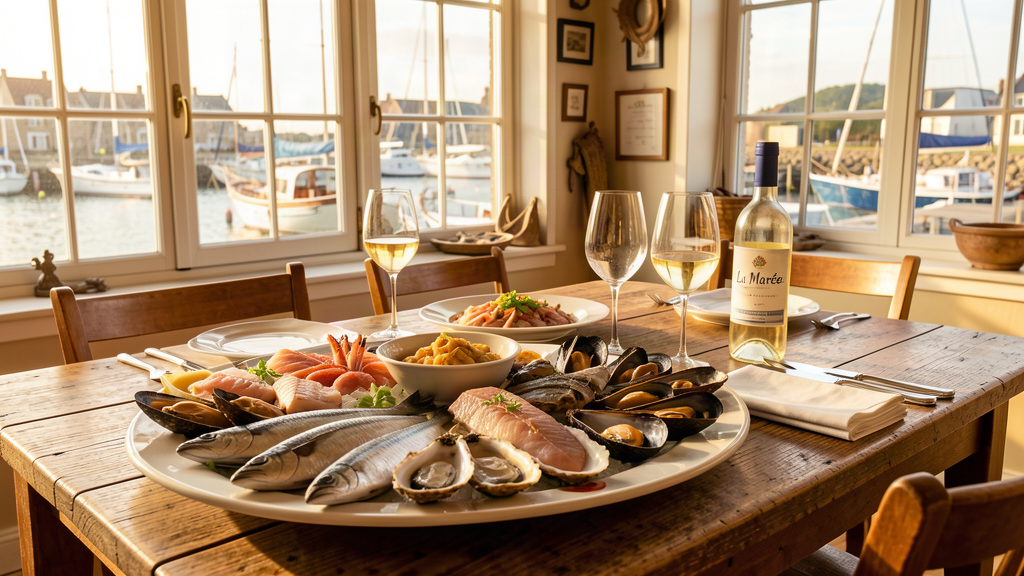
La Marée
77 Quai Bérigny, 76400 Fécamp
Facing the fishing-port edge with French and Norman plates on fresh product. Spacious room, water in the eye line — a sole or seafood platter that beats a long drive for a view restaurant elsewhere. Reserve on weekends; midweek off-season is kinder to walk-ins.
Restaurant La Plage
65 Boulevard Albert 1er, 76400 Fécamp
On the seafront boulevard when you want pebbles and horizon with the plate. Shellfish, fish, simple pleasures without inland formality. Useful after a Cap Fagnet walk or a windy beach loop. Weather decides the terrace; the room works when the Channel misbehaves.
Between those tables, bakeries inland and simple café counters keep you moving. One proper seated seafood meal a day is enough if you are also tasting Bénédictine. Fécamp feeds better when you are not snacking out of cliff-tour fatigue.
A day shaped by the dryer roof
One full day works; two nights are kinder if rain sits on the coast. Morning: quays while the light is plain, coffee, then Les Pêcheries from floor to belvedere. Market if it is Saturday. Abbey stone before lunch. Chez Nounoute or La Marée facing the port.
Afternoon: Palais Bénédictine if you want copper and stained-glass theater, kept short, or skip straight to Cap Fagnet and the chapel when the sky is interesting. Early evening back on the quays without shopping panic — tide smell, kitchen steam, gull arguments. Dinner at La Marée or La Plage depending on whether you want basin or open beach.
If you have a second day, give Étretat its arches then return to Fécamp for dinner so the postcard does not wipe out the port night. Trains and coastal buses connect the Alabaster string; a car helps for the cape but is optional on foot. Pack a real waterproof. Channel weather edits plans without asking.
I left with salt in my jacket cuffs and the dryer roof still in my head more than the palace spires. Fécamp will keep getting billed as the practical base near prettier cliffs, and it can be that. Better hours come when Les Pêcheries sets the scale, herring talk and abbey dust share a morning, and dinner faces water that still works for a living. Outside, coaches chase arches. On Quai Capitaine Jean Recher the old cod floors are still doing the quieter job, and the belvedere keeps pulling your eye back to the harbor until you wish you had booked the second night.
