
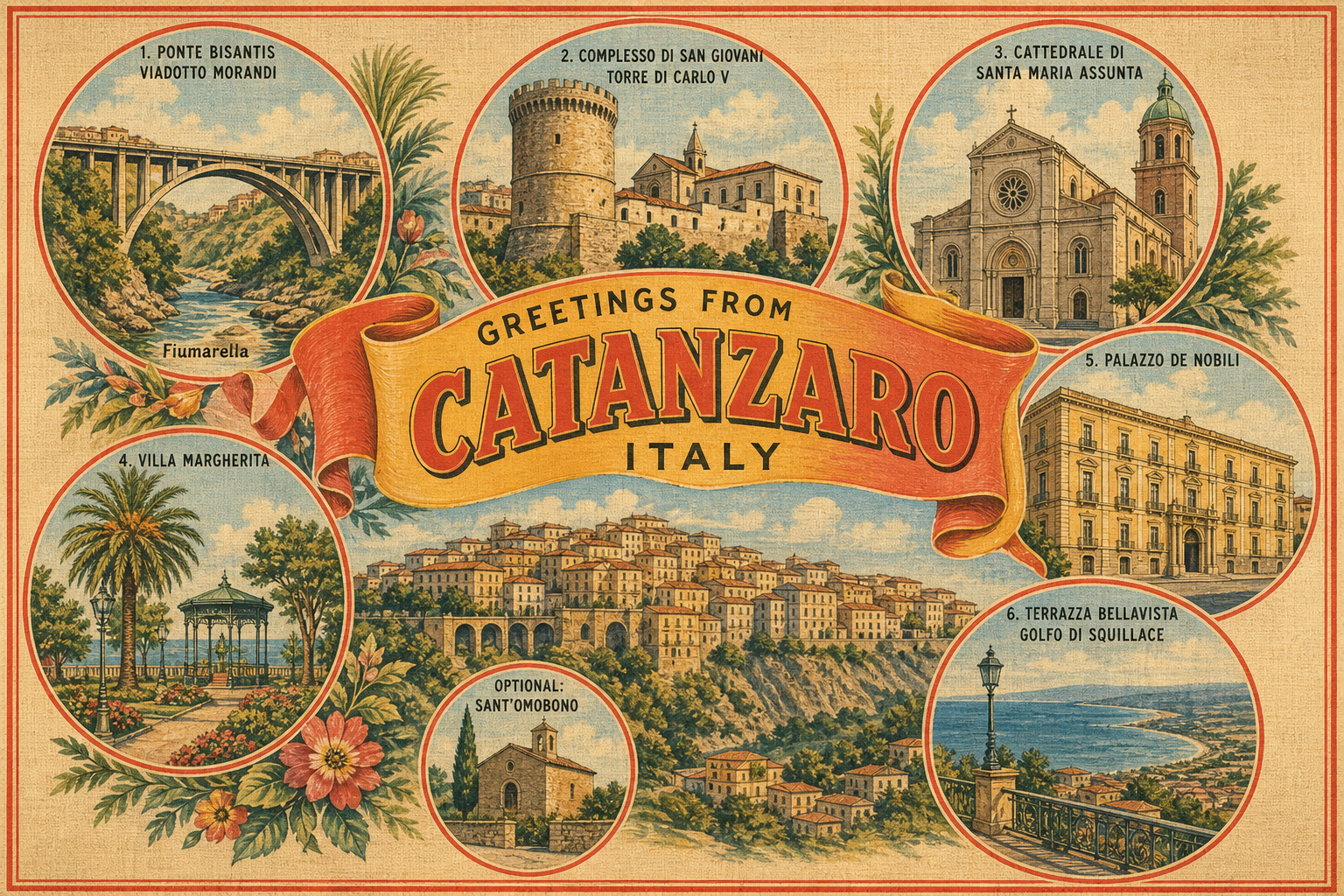
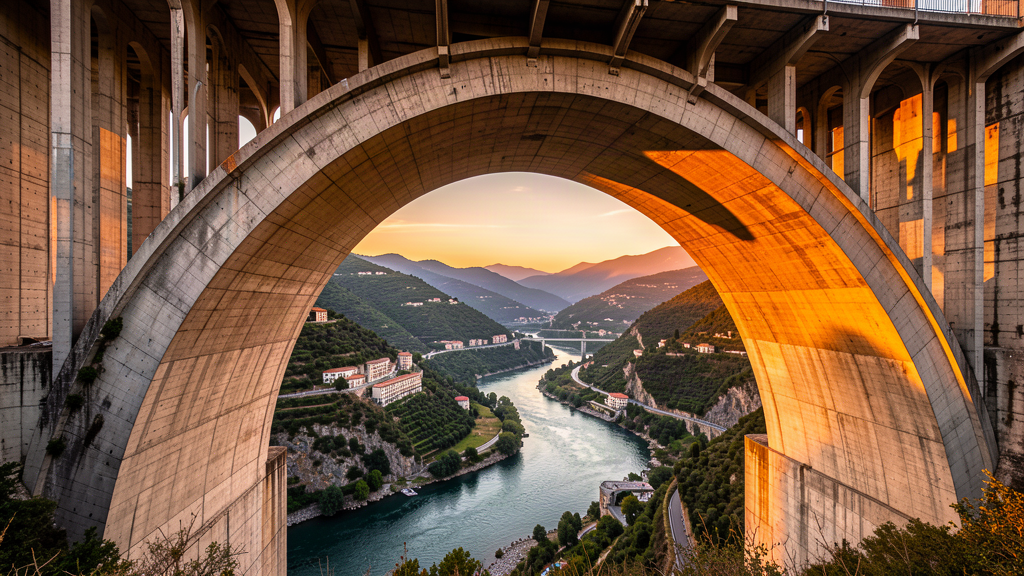
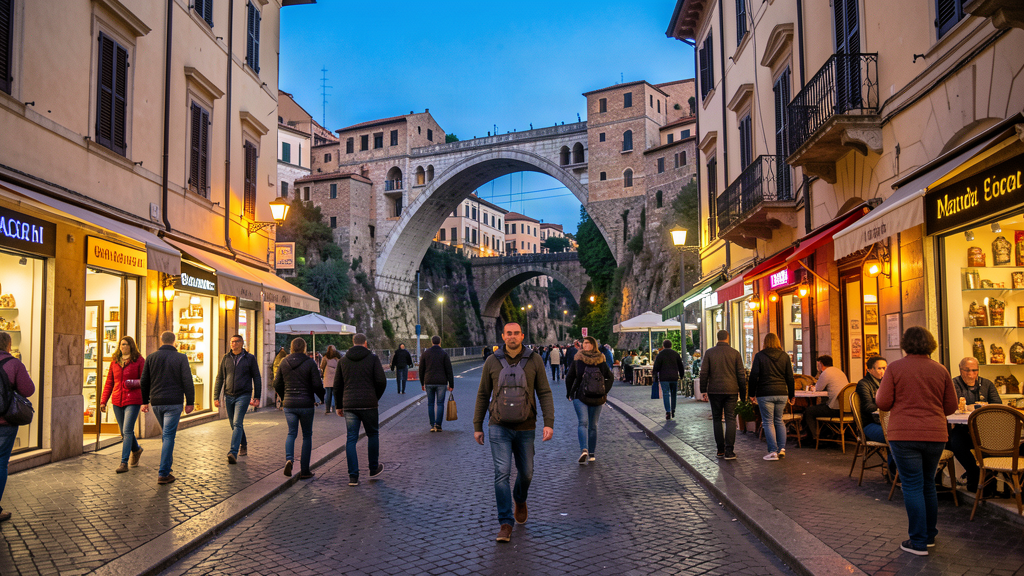
Catanzaro does not open with a beach umbrella. It opens with a cut in the land. The Fiumarella valley splits the hill city in two, and Riccardo Morandi’s high concrete arch—Ponte Bisantis, still the Morandi viaduct to anyone who grew up under it—stitches the halves back together. From a belvedere the bridge looks almost weightless. From the streets below it is a gray rib over scrub, ravine, and ordinary roofs. This is a capital that never bothered turning itself into a resort.
People know Calabria for Tropea’s cliffs and the long Ionian beaches. Fair enough. Catanzaro is the inland hinge: provincial offices, wind, and a centro storico that still remembers silk. Locals call it the city of the three V’s—vento, velluto, Vitaliano. Wind off the isthmus. Velvet from the old weaving trade. San Vitaliano, the patron. You feel the first without trying. The second shows up in family stories. The third keeps feast days on the calendar.
Stay a night or two and the place stops being a map label between Lamezia and the coast. It becomes evening walks on Corso Mazzini, a quick espresso, and that repeated glance at the valley whenever a street opens a view.
The bridge, the cut, the hill
Ponte Bisantis is not a postcard prop. Finished in the early 1960s, it ranks among Europe’s high single-arch road bridges, and it still moves people between neighborhoods geology tried to keep apart. From certain angles the span frames the Gulf of Squillace far below and east. On clear days the isthmus trick kicks in. Catanzaro sits near Italy’s narrowest waist, and people will tell you both seas are almost in the same breath. Expect height, wind, and the drop of the Fiumarella. Do not expect a dual-ocean selfie from the grocery line.
Start with the Belvedere and the gardens around Villa Trieste when you want the geography without a lecture: shade, marble busts of Calabrians, and a view that makes the valley honest—green scar, bridge, modern blocks, old roofs. The Statua del Cavatore, the quarryman, is the city’s blunt emblem, pick in hand. Photograph him if you like. Then watch how the streets actually climb and fall.
The centro storico is a working old town, not a sanded-down set. Corso Mazzini is the spine—shops, errands, the passeggiata when the heat breaks. Side lanes peel toward churches, stair cuts, and façades that run from freshly painted to patiently waiting. The Duomo and its lanes hold devotion and daily noise in the usual southern mix. Complesso Monumentale di San Giovanni and the smaller churches reward a slow loop more than a checklist sprint. Teatro Politeama is there when you want seats instead of another viewpoint.
Parco della Biodiversità Mediterranea is the green lung near the center—paths, pond birds, kids on playgrounds. Walk a loop when the old-town stones radiate heat. Shade and an ordinary Saturday beat another monologue. If you still have energy, the Norman tower fragment is enough history without a full castle day. Catanzaro’s drama is topographic more than dynastic: hill, cut, bridge, wind.
Corso mornings, valley light, two-sea gravity
Give mornings to coffee standing at a bar and a walk before the wind sharpens and traffic thickens. Light on the Fiumarella is kinder early. The bridge reads cleaner against the sky. Midday is for MARCA when the sun is rude, or for a long lunch and a pause.
Afternoons can slide toward Catanzaro Lido if you need salt. The lido is part of the same comune, down toward the Ionian: beach bars, wider sky, less stair logic. Useful half-day. Not a replacement for the hill city. Come back up for evening. The capital’s real social hour still happens above the valley, when Corso Mazzini fills with people who live here.
Without a car, stay in the hill core and treat the lido as an intentional trip. With a car, the isthmus becomes a playground—Tyrrhenian one day, Ionian the next—but park once near your bed and use your feet until the beach or a village is worth the ignition.
Fileja, ‘nduja heat, and tables that keep local hours
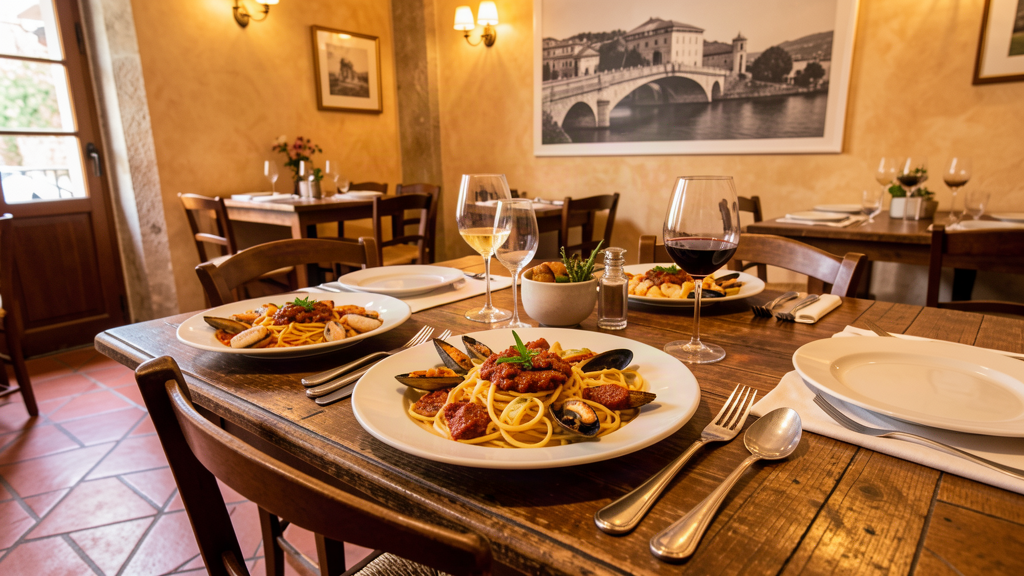
Food here is Calabrian without the coastal tourist markup of the famous cliff towns. Expect peperoncino, soft fire from ‘nduja when it appears, pork, vegetables that taste grown, and fileja—the twisted local pasta that holds sauce like it was built for argument. Bread matters. Wine lists lean regional. Portions are not coy.
Book dinner on weekends. Lunch is easier when the kitchen is actually open, not in the dead zone after two. Order with humility. You can always add.
Ristorante Ceravolo, Discesa Piazza Nuova 9, 88100 Catanzaro CZ, sits in the historic fabric and cooks local plates without turning the meal into a show. Come for traditional cooking and a room still tied to the neighborhood.
Ristorante Porta Marina, Corso Giuseppe Mazzini 325, 88100 Catanzaro CZ, puts you on the main spine—easy after the passeggiata when your legs are done with alleys. Seafood and Italian standards share the menu. Pick what matches the day, hill wind or lido salt.
Antica Trattoria Carmelina, Via dei Crociati 7, 88100 Catanzaro CZ, is the slightly dressed table for a fuller evening—local product, careful service, a night that feels like a decision. Check hours. Smaller places keep personal calendars.
Between meals, do espresso the local way: quick, standing, no claim on a two-top. Gelato appears when the evening walk thickens. Alimentari will sell jarred heat and salumi for the suitcase. Buy what you will finish.
Places to stay
Sleep on the hill if bridge views, Corso, and evening walks are why you came. Sleep with easier logistics if you plan day runs to both coasts. Either way, treat the address as a base, not a resort bubble.
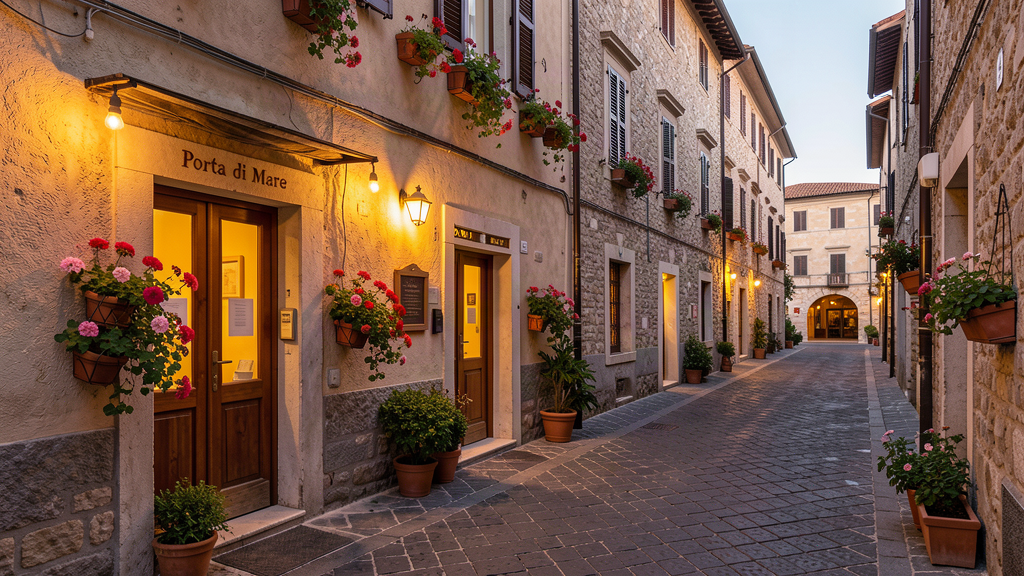
Budget: B&B Porta di Mare, Via Discesa San Francesco da Paola 21, 88100 Catanzaro CZ. Small, central, human-scaled—walk out and you are in the city. You trade spa menus for a host who knows the less punishing route to the belvedere.
Midrange: Hotel San Giuseppe – CityHotel Catanzaro, Salita Piazza Roma 7, 88100 Catanzaro CZ. Straightforward city-hotel comfort near the center: reliable rooms, walkable evenings, more predictability than romance after a late train or a long airport drive.
Splurge: Hotel Guglielmo, Via Azaria Tedeschi 1, 88100 Catanzaro CZ. Full-service stay with spa and a polished lobby reset when the room is recovery as much as location. Still urban Catanzaro, not a beach compound. Worth it if you want the hill city by day and a softer landing at night.
August and festival weeks fill early at every tier. Shoulder seasons give kinder walking weather and a better shot at the table you wanted.
Getting here and moving around
Lamezia Terme (SUF) is the usual air gateway for central Calabria; from there it is road or rail into Catanzaro. Trains and coaches treat the capital as a real stop. Arriving puts you into traffic and hills, not a pedestrianized fantasy.
Inside town, walk the centro and the viewpoints. Shoes with grip beat clever footwear. Buses link neighborhoods and the drop toward the lido; taxis fill night gaps when the valley’s grades win. A car helps for coastal day trips and inland villages, but hunting doorstep parking in the old core is a bad hobby.
Summer pushes life to morning and late evening. The wind is not a metaphor. Winter is quieter, damper on stone, good for long lunches if you pack a layer. Rain makes the Fiumarella look more like a proper argument with the hill.
A day under the arch
Morning: coffee near Corso Mazzini, then the Belvedere and Villa Trieste while light is clean on the valley. Walk until Ponte Bisantis stops being a name and becomes a shape you feel in your neck when you look up. Visit the Cavatore without rushing the photo.
Midday: Duomo loop and a slow drift of side streets. Lunch at Ceravolo or fileja wherever the kitchen is honest. If heat climbs, trade alleys for the Parco della Biodiversità.
Afternoon: MARCA if you need an indoor hour. Otherwise bus or drive toward Catanzaro Lido for an Ionian reset—feet in water, then back up before the day becomes a beach default. Or stay high and let the bridge keep reappearing between buildings.
Evening: passeggiata on Mazzini, aperitivo, dinner at Porta Marina or Carmelina. Night walk when shutters open and TV noise leaks into lanes. Look once more at the Fiumarella cut under the arch.
The cliff towns will keep the famous light. What I keep from Catanzaro is more specific: concrete over a green ravine, velvet in the old nickname, and a capital that works for people on the hill. Leave with ‘nduja in your bag if you want. Leave with a crick in your neck from looking up at Morandi’s arch once more either way.
