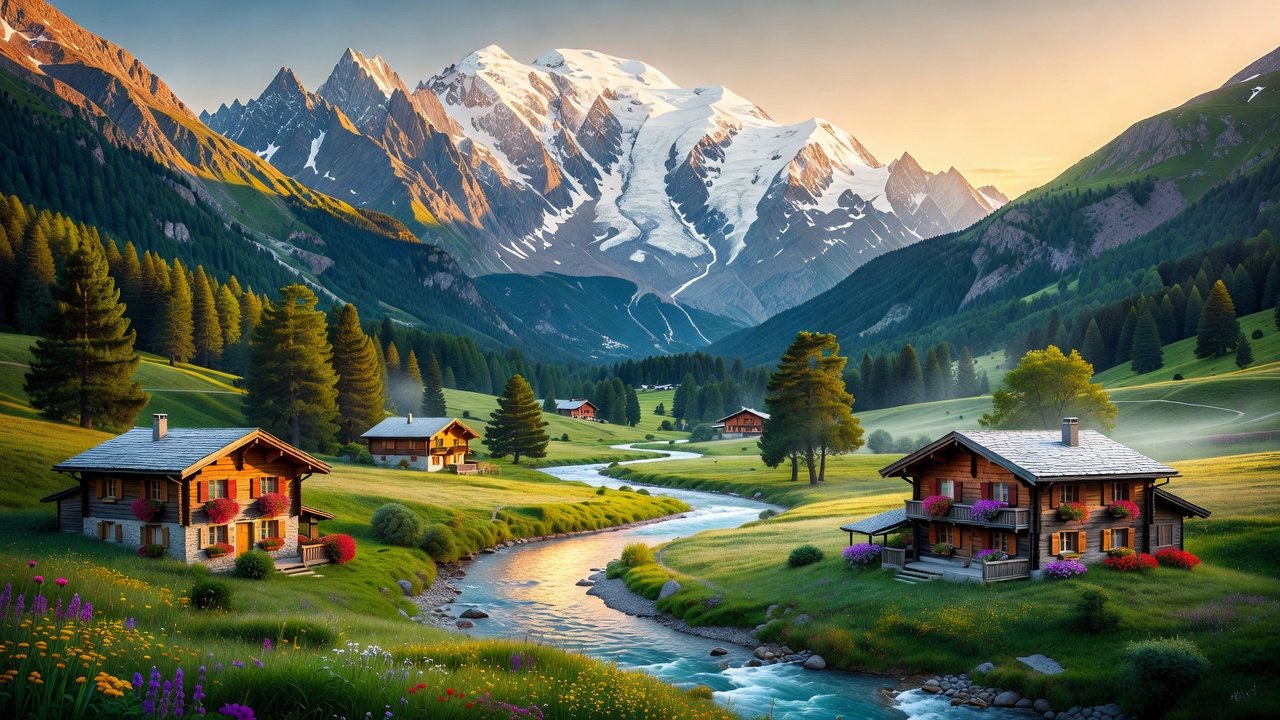
Along the Arve: Riverside Paths from Chamonix to Les Praz
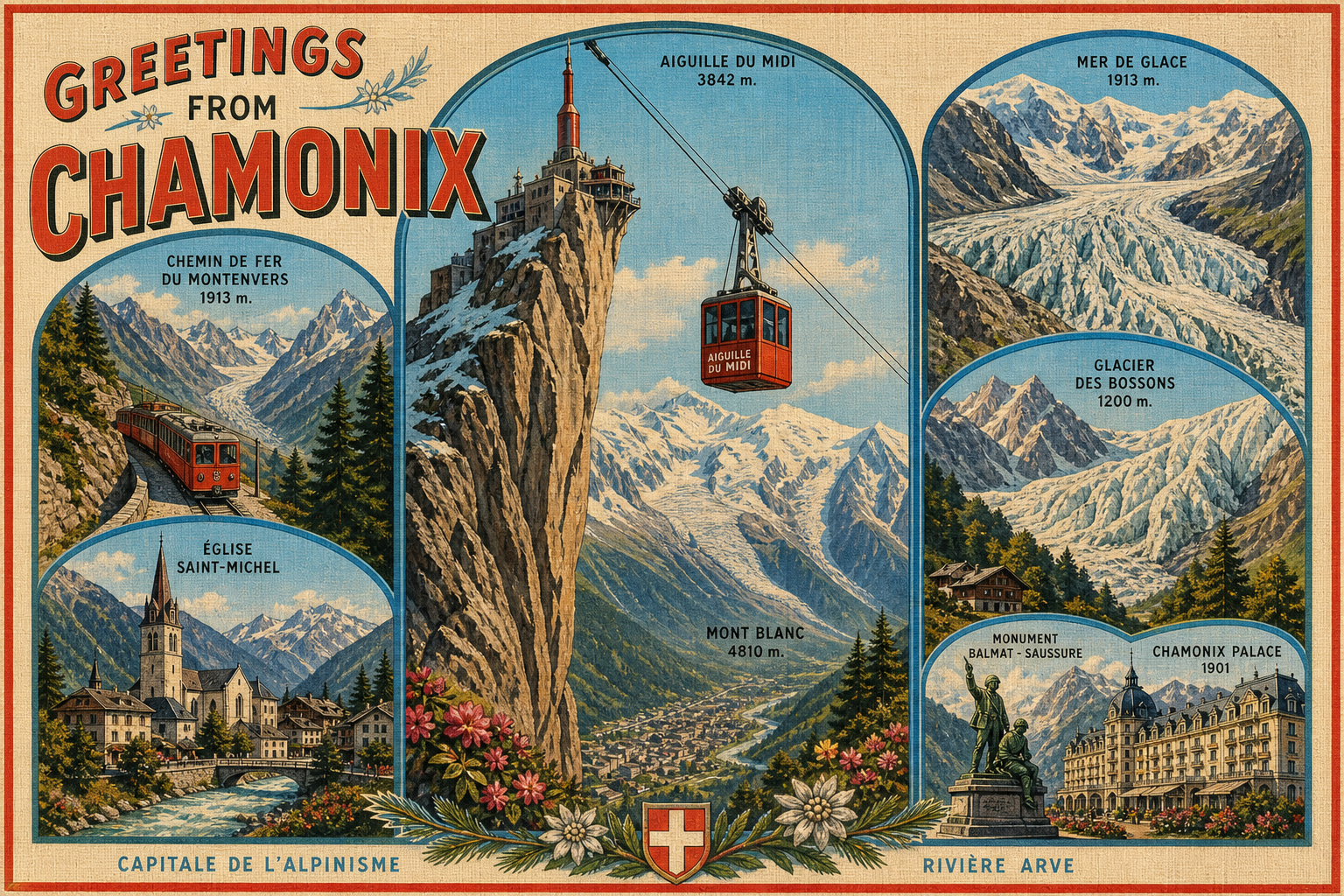
The Arve River cuts straight through the center of Chamonix, its icy water rushing down from the Mont Blanc massif with a constant low rumble that you notice only after the first hour or two. Most visitors arrive, stare up at the peaks, ride a cable car or two, and leave. But if you follow the river instead of the crowds, the valley opens up in a different way.
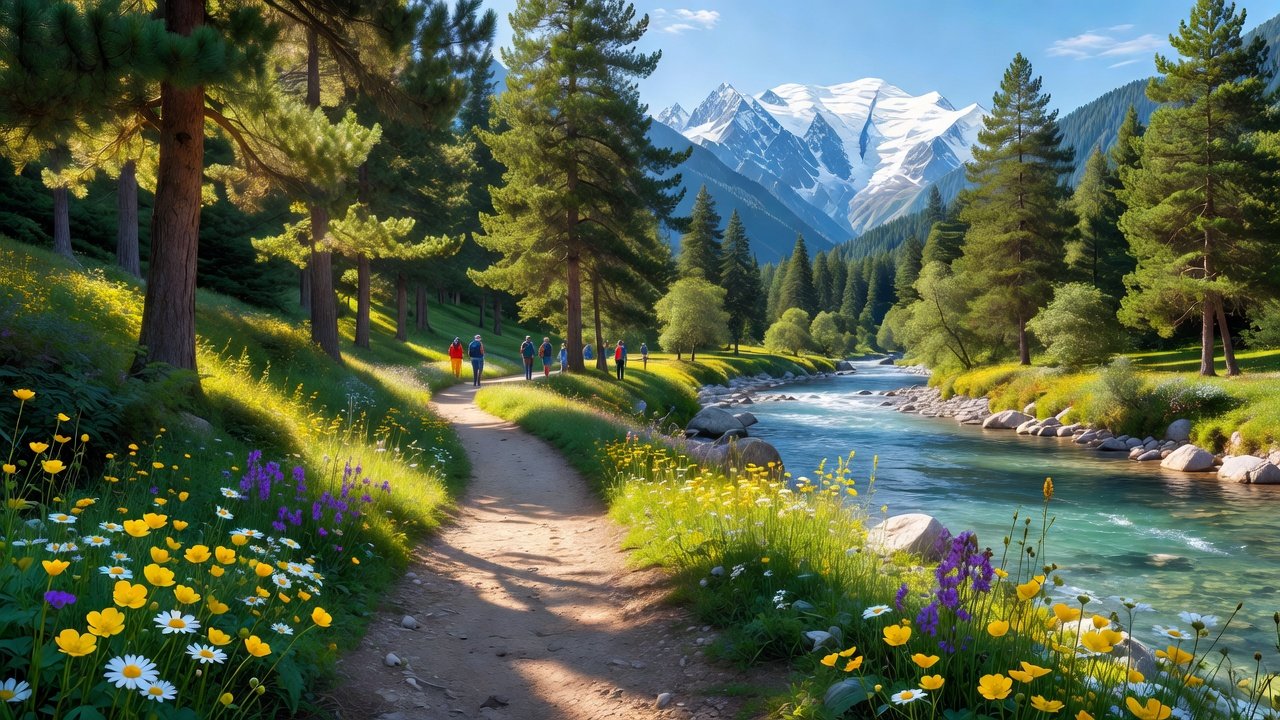
I started one morning just below the town center, where the pedestrian streets give way to a narrow path along the left bank. The water here runs fast and clear, edged with willows and the occasional wooden bench. A few locals were already out walking their dogs or jogging with small backpacks. No tour groups yet. The sound of the river drowned out the distant hum of the main road.
Further along, the path widens into a gravel track that runs between Chamonix and the quieter settlement of Les Praz. This stretch feels almost rural despite being only a twenty-minute walk from the busy squares. You pass small gardens, a few chalets with flower boxes, and the occasional view of the Aiguille du Midi cable car gliding overhead like a slow-moving insect. The air smells of pine and wet stone.
By the time I reached Les Praz, the river had slowed a little, spreading into wider channels with flat rocks perfect for sitting. A small café terrace faced the water. I ordered a simple café au lait and watched a pair of paragliders land in a field just beyond the trees. Their colorful canopies folded like deflated balloons as they packed up. No one was taking photos of them. It felt like a private show.
The real discovery came when I turned off the main riverside path toward the Gorges de la Diosaz. The trailhead is easy to miss if you’re following Google Maps on autopilot. A short climb brings you to a narrow gorge where the water has carved deep channels through the rock. Wooden walkways and bridges let you follow the river’s path upward. Mist rises from the falls even in summer. The sound is all-encompassing. I spent nearly an hour there, just listening and watching the light change on the wet walls. Few people on this trail compared to the famous glacier viewpoints.
Later that afternoon I walked back toward Chamonix along the opposite bank. The path here threads through light woodland and open meadows. Glacier des Bossons appears suddenly between the trees, its tongue of ice pushing down the valley like a frozen river. The trail offers close-up views without the crowds that gather at the Mer de Glace. I sat on a fallen log and ate a sandwich I’d bought earlier. The ice glowed blue in the late light. A few cyclists passed, ringing their bells politely.
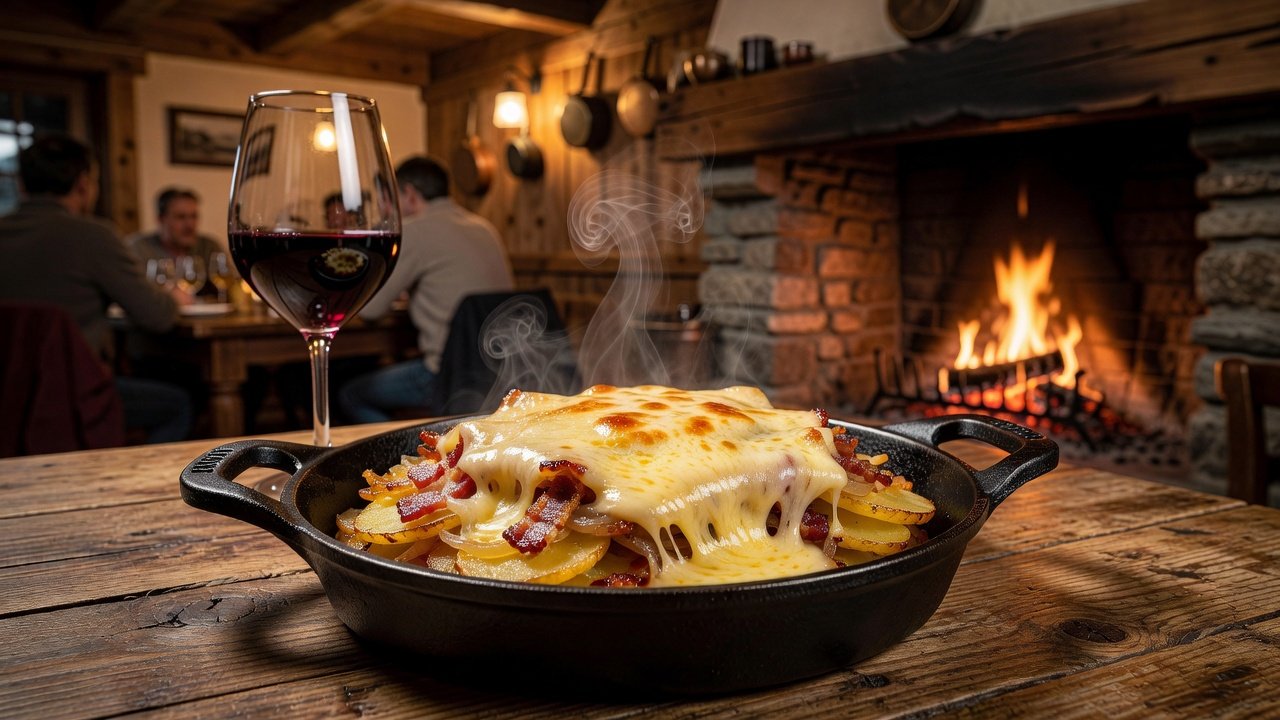
Evening brought a different rhythm back in town. The main pedestrian zone was still busy, but the side streets near the river had emptied. Café tables along the Arve were half-occupied by locals and a handful of travelers who had also chosen to linger. I found a small spot serving tartiflette made with local reblochon cheese. The owner chatted about the river’s changing levels with the seasons. Simple food, honest conversation, no menu with English translations on every page.
Chamonix rewards those who slow down and let the Arve lead the way. The famous peaks remain, but the experience becomes quieter, more lived-in, and far more memorable than another cable-car ride.
Places to Stay
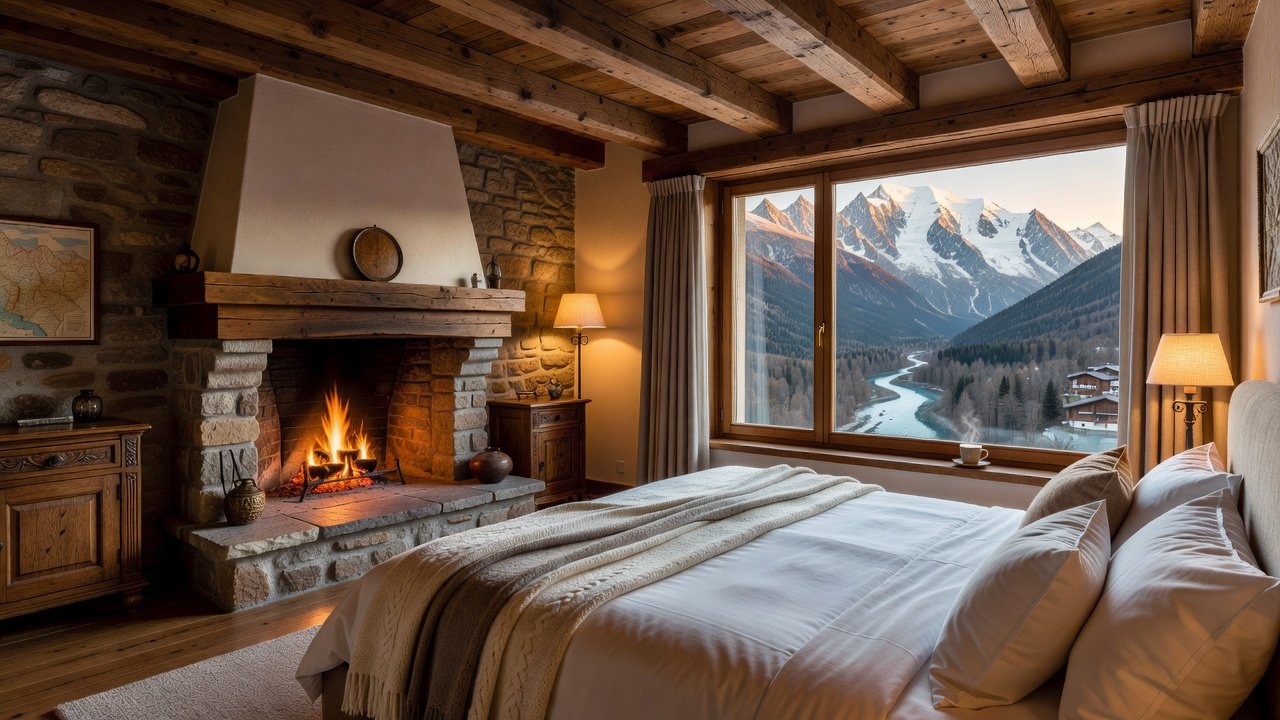
Finding the right base in Chamonix often comes down to balancing location with the desire for a bit of calm. Here are three solid options across different price points, all with easy access to the riverside paths.
Hôtel du Clocher sits in a quiet dead-end street right in the heart of Chamonix. The converted townhouse offers simple, clean rooms with a homey feel. Address: 12 Rue du Clocher, 74400 Chamonix-Mont-Blanc. It’s steps from the river path and far enough from the main tourist flow to feel peaceful at night.
Grand Hôtel des Alpes provides comfortable alpine-style rooms at the foot of Mont Blanc, with a welcoming atmosphere and good breakfast. Address: 75 Rue du Docteur Paccard, 74400 Chamonix-Mont-Blanc. The location makes morning walks along the Arve straightforward, and the staff know the quieter trails.
Hotel Mont-Blanc offers elegant rooms with mountain views in a historic building. Address: 62 Allée du Majestic, 74400 Chamonix-Mont-Blanc. It’s the kind of place where you can return from a long riverside hike and enjoy a proper evening without the bustle of the central squares.
Where to Eat
The valley has its share of tourist restaurants, but these three spots reward a bit of searching and offer genuine local flavors.
Le Panier des 4 Saisons is a small, family-run spot serving seasonal mountain dishes with an emphasis on local produce. Address: 24 Rue des Moulins, 74400 Chamonix-Mont-Blanc. The tartiflette here is particularly good, and the atmosphere stays relaxed even in peak season.
Hôtel Restaurant la Couronne is located in Argentière, a short drive or bike ride from central Chamonix. It serves hearty alpine fare with valley views. Address: 1 Place Balmat, 74400 Argentière. Perfect after a morning on the quieter trails.
Café de l’Arve is a simple riverside café in Les Praz with outdoor seating right by the water. Address: 180 Avenue de l’Aiguille du Midi, 74400 Chamonix-Mont-Blanc (Les Praz area). Great for coffee, light lunches, and watching the river flow by without the crowds.
Getting Around and Practical Notes
Chamonix itself is compact and walkable, especially if you stick to the riverside paths. The local bus network connects the different hamlets like Les Praz and Argentière efficiently. Renting a bike makes the Arve trail even more enjoyable on clear days. Summer brings wildflowers and milder temperatures for longer hikes; winter transforms the same paths into cross-country ski routes. Always check river levels if planning any water activities — the Arve runs fast and cold year-round.
The valley rewards returning visitors who venture beyond the main lifts. Follow the river, take the side trails, and let the pace of the water set your own. That is where Chamonix reveals its quieter, more enduring character.