
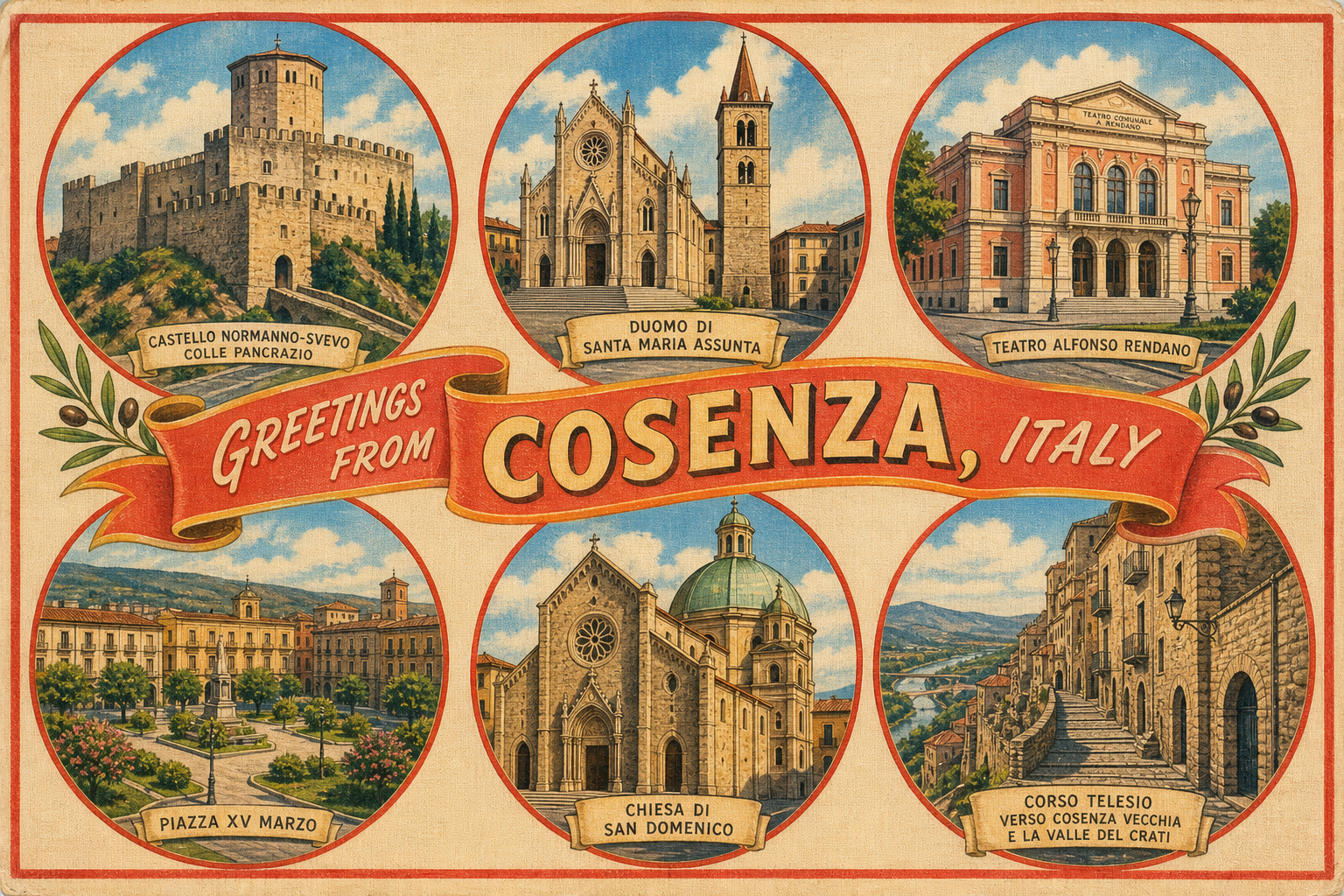
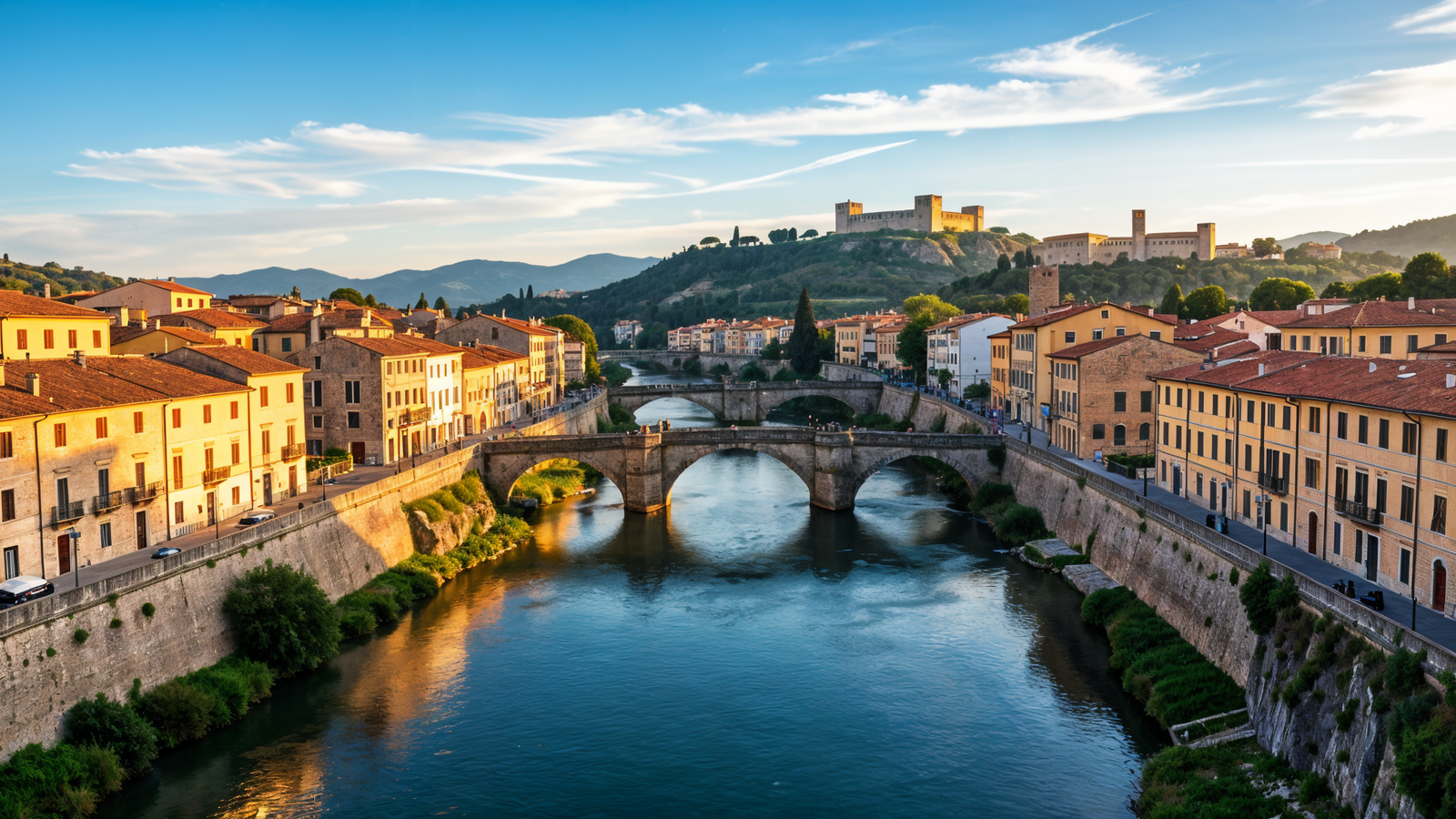
Cosenza starts where two rivers run into each other. Stand near the old town, and you can watch the Busento slide into the Crati, a gray-green join that still shapes how the city feels. Above the water, the centro storico climbs Colle Pancrazio in stairs, laundry lines, and stone patched more times than anyone counts. Below and north, the newer city spreads along Corso Mazzini with shops, traffic, and the ordinary noise of a provincial capital that is not putting on a show.
Most people pass Cosenza on the way to the coast or the Sila. Fair enough if you only want beach days. Stay a night or two, and the place settles into what it already is for Cosentini: evening walks, cheap espresso, river air, and an old quarter that rewards slow feet more than a checklist.
Two rivers, one hill, a buried king
Legend says the Visigothic king Alaric was buried under the diverted Busento after the sack of Rome, gold and all, then the river was put back over the secret. Someone will tell you the story near the confluence within an hour of asking. Believe it or treat it as campfire talk. Either way, the meeting of the rivers is where the city pivots, and the old town rises from it in a steep pile of stone.
Walk the Lungo Crati and the paths near Ponte Mario Martire when the light is low. Morning is quieter; after work the water picks up joggers and couples. Look uphill, and the Castello Svevo sits on the ridge, blunt and practical. Look across and modern blocks remind you this is not a museum village. People live in both halves of the city every day.
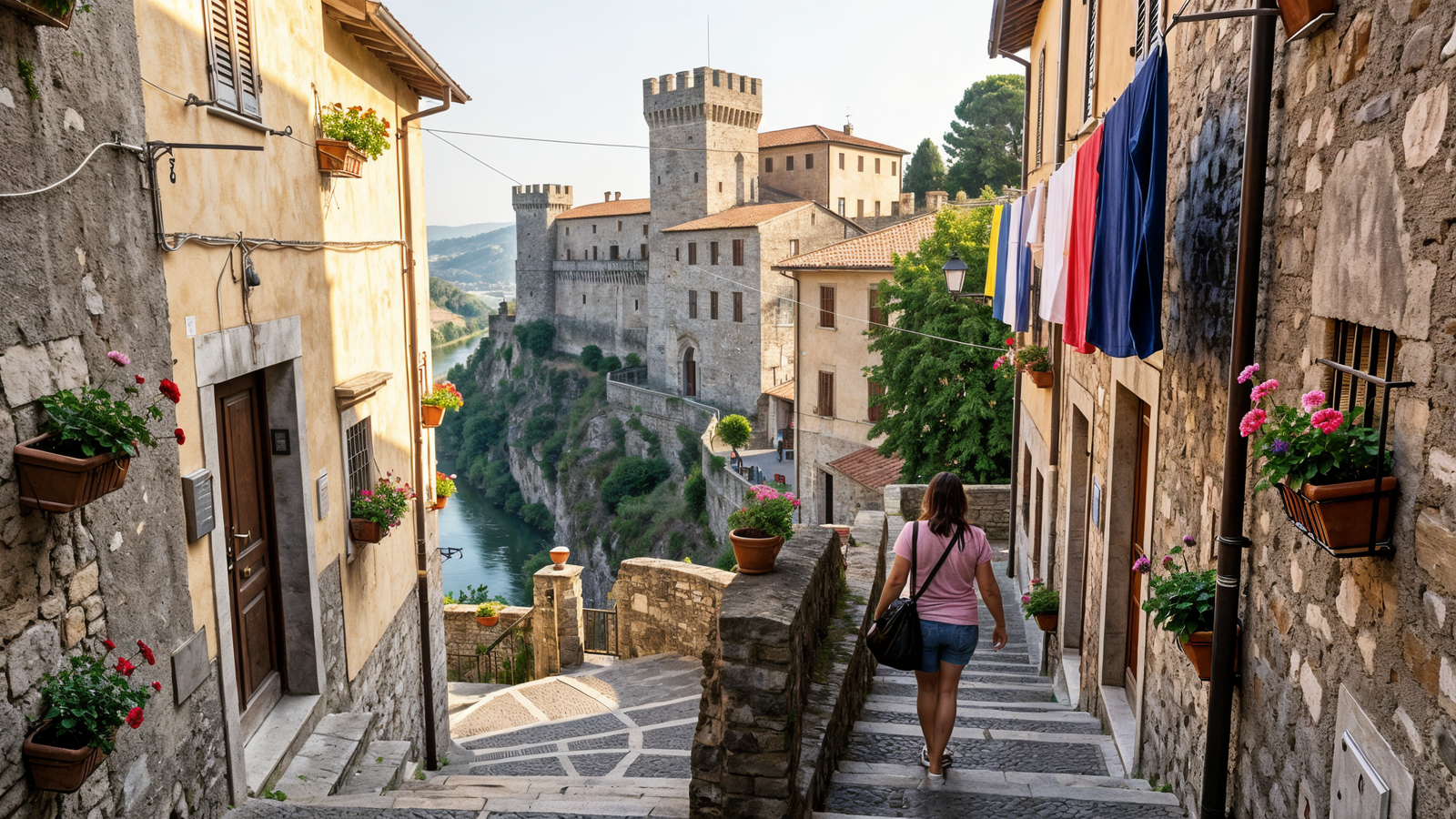
The centro storico is not polished flat. Some façades shine; some wait for money that may never come. Corso Telesio is the spine—shops, bars, the daily shuffle toward the Duomo and lanes that peel into steps. Wear shoes with grip. The stones hold rain and a lot of foot traffic.
Climb when you have the energy. The Norman-Swabian castle on Colle Pancrazio is worth the calves: ramparts, wind, and a view that pulls rivers, roofs, and the green lift toward the Sila into one frame. Skip the long castle lecture if you are not in the mood. Twenty unhurried minutes up there is enough.
Down again, the Duomo has its own pull—Romanesque bones, later repairs, a square that empties and fills with errands. Alleys stack churches and palaces where someone is always carrying bread. Teatro Rendano is where you go when you want a proper seat and a program instead of river grit. Palazzo Arnone’s national gallery is the rainy-day move if paintings beat another espresso.
Corso Telesio mornings, Mazzini evenings
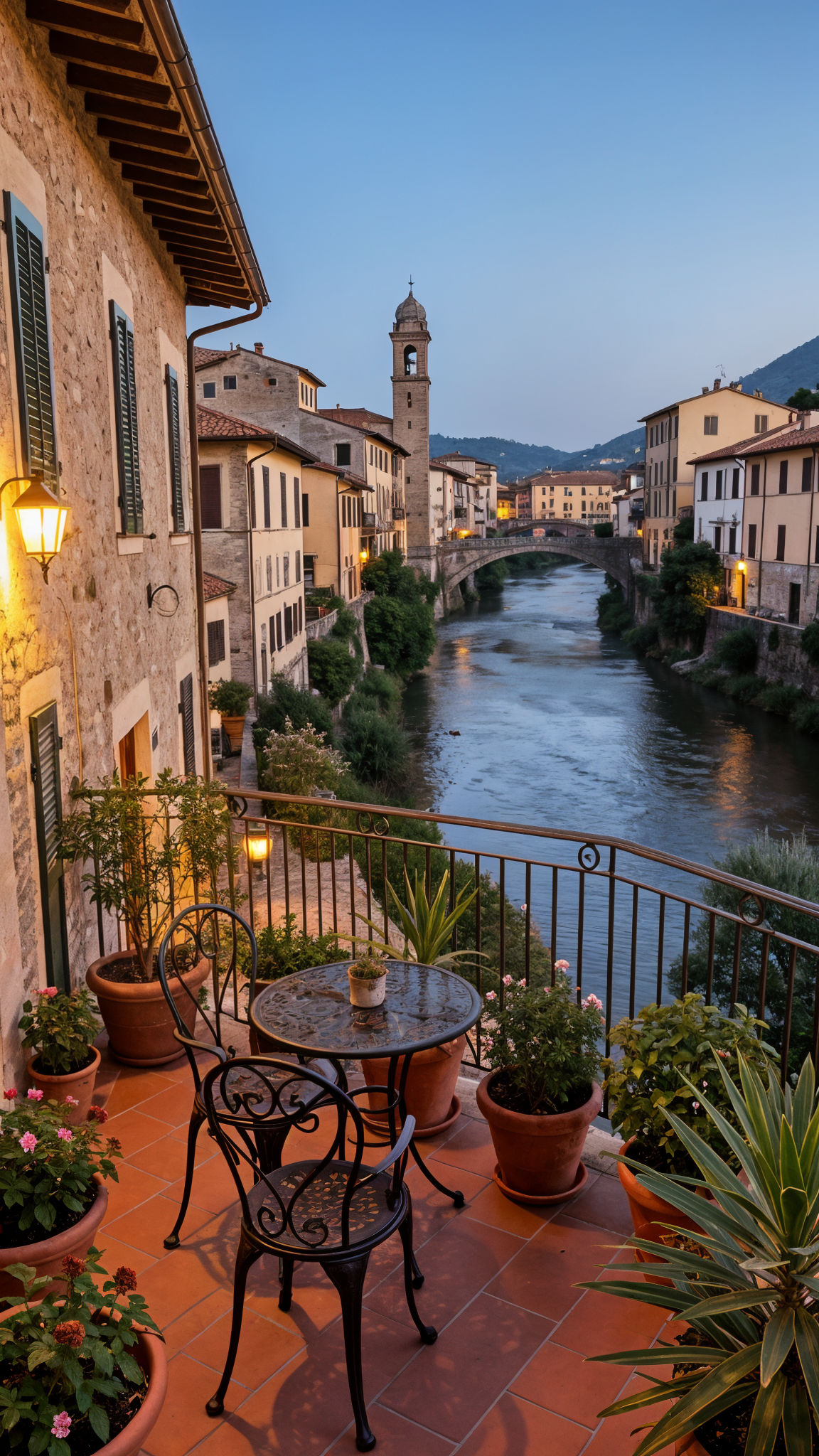
Give the old town the morning. Coffee standing at a bar, then a slow climb or a drift along Telesio before the heat builds. Side streets still hold hardware shops, tiny grocers, and doorways onto courtyards you are not invited into. Peek politely. Move on.
Corso Mazzini is where Cosentini run errands: clothes, phones, gelato, the passeggiata when the sun drops. It photographs less sweetly than the hill and works better for daily life. Cross between the two zones on foot when you can. The shift from stairwell quiet to commercial bustle is a big part of why staying here beats treating the place as a coastal layover.
With a free half-day and a car, the Sila plateau is the inland break—pine air, lakes, cooler temperatures, mountain country against the usual Mediterranean postcard. Without a car, stay with the rivers and stairs. The city is enough once you stop treating it as a transit lounge.
Peperoncino, pitta, and tables that mean it
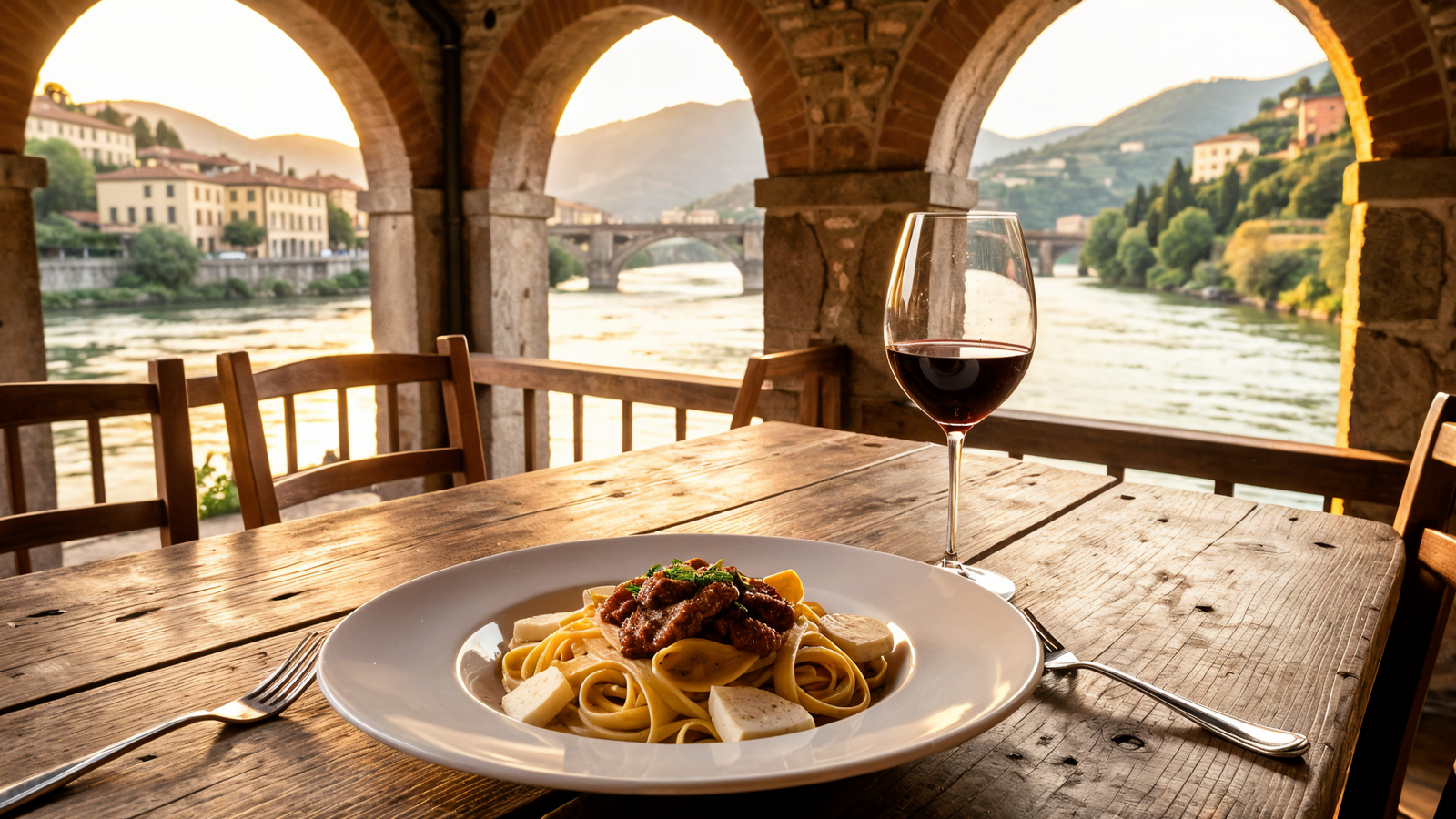
Calabrian food here is not a tasting-menu performance. Expect peperoncino heat, soft fire from ‘nduja when it shows up, pork, vegetables that taste grown, and bread that earns its place. Pitta and stuffed breads turn up as snacks; pasta comes thick; wine lists lean local without apology.
Book dinner on weekends. Lunch is easier when the kitchen opens, not in the sleepy gap after two. Portions run large. Order a little less than your pride wants, then add if you are still hungry.
A Cantina Cosentina, Corso Plebiscito 12, 87100 Cosenza CS, is the reliable traditional table: Calabrian plates, fair prices, a room where locals still outnumber people photographing the antipasto. Come for classics, not novelty.
Al Vecchio Ulivo, Via Giovanni Macchione 23, 87100 Cosenza CS, covers pizza and Mediterranean cooking in a family way—a full evening without ceremony, easy on mixed groups who cannot agree on seafood versus dough.
Le 3 Forchette, Via Attilio Giuliani 14, 87100 Cosenza CS, leans more careful Italian cooking when you want a slightly dressed-up night without leaving town for the coast. Check hours; smaller places keep their own calendars.
Between meals, stand for espresso the way the city does—quick, no laptop sprawl—and take gelato on Mazzini when the evening walk thickens. Alimentari will sell jarred peperoncino for the suitcase. Buy what you will actually use.
Places to stay
Sleep in or beside the centro if stairs and evening walks are why you came. Sleep on the modern side if you want flatter streets and easier parking, then walk or short-taxi into the old town.
Budget: Domus Telesio Bed & Breakfast, Via Abate Salfi 6 (Vico I Santa Lucia / Corso Telesio), 87100 Cosenza CS. Small B&B in the historic fabric near the old-town spine. You trade lobby gloss for balconies over medieval street life and a host who knows the less punishing staircase after lunch.
Midrange: B&B Erifrà Piccolo Hotel, Via Arabia 27, 87100 Cosenza CS. Compact, central, practical—close enough to Corso Mazzini that dinner and the passeggiata do not need a plan. Real bed and breakfast, no resort footprint.
Splurge: Royal Hotel, Via delle Medaglie d’Oro 1, 87100 Cosenza CS. Full-service comfort on the newer side: parking that makes sense, consistent rooms, a reset after a Sila day or a late train. Less romantic stone, more reliable sleep. Worth it when you care more about resting well than collecting atmosphere.
In August and festival weeks, book early at every tier. Shoulder seasons leave more choice and kinder walking weather.
Getting here and moving around
Cosenza sits inland in northern Calabria, a rail and road hub between coasts and the Sila. Lamezia Terme (SUF) is the usual airport gateway; train plus local connection or a hire car both work. The station drops you into the living city, not a staged arrival.
Inside town, walk the centro and the river edges. Good shoes matter more than a clever app. A car helps for the Sila, hill villages, and coastal day runs, but circling the old town hunting mythical doorstep parking is a bad hobby. Park once, then use your feet until you need the mountains.
Buses link neighborhoods; taxis fill night gaps. Summer heat pushes life to morning and late evening. Winter is quieter and damper on the stones—fine for museums and long lunches if you pack a jacket.
A day between the rivers
Morning: coffee near Corso Telesio, then the confluence while light is soft on the water. Walk Lungo Crati without rushing. If legs agree, climb toward the castle before midday glare.
Midday: Duomo and a slow loop of the upper lanes. Lunch at A Cantina Cosentina or a simple trattoria plate—pasta, greens, something with real peperoncino. Nap or museum hour if the stones radiate heat.
Afternoon: Teatro Rendano exterior, gelato drift onto Corso Mazzini, shop windows you will not buy from. With a car and ambition, point toward the Sila for cooler air and come back smelling like pine.
Evening: return to the river when locals do. Aperitivo, then dinner at Al Vecchio Ulivo or Le 3 Forchette. Night walk the lower old town when shutters open and TV noise leaks into alleys. Look once more at where the Busento gives up its name into the Crati.
The coast will keep the postcards. What I keep from Cosenza is smaller: river smell after rain, calf burn on castle steps, and a city that felt busy with its own life long before anyone timed a beach umbrella. Climb the hill. Eat something that bites back a little. Stand at the confluence like it is a place, not a caption. Leave with peperoncino in your bag and stone dust on your shoes.
