
Guides to lesser-known towns — markets, rivers, neighborhoods, food, and where to stay — written for travelers who skip the template itinerary.
-
Marble Neptune and Market Totes on Place Carnot, Carcassonne
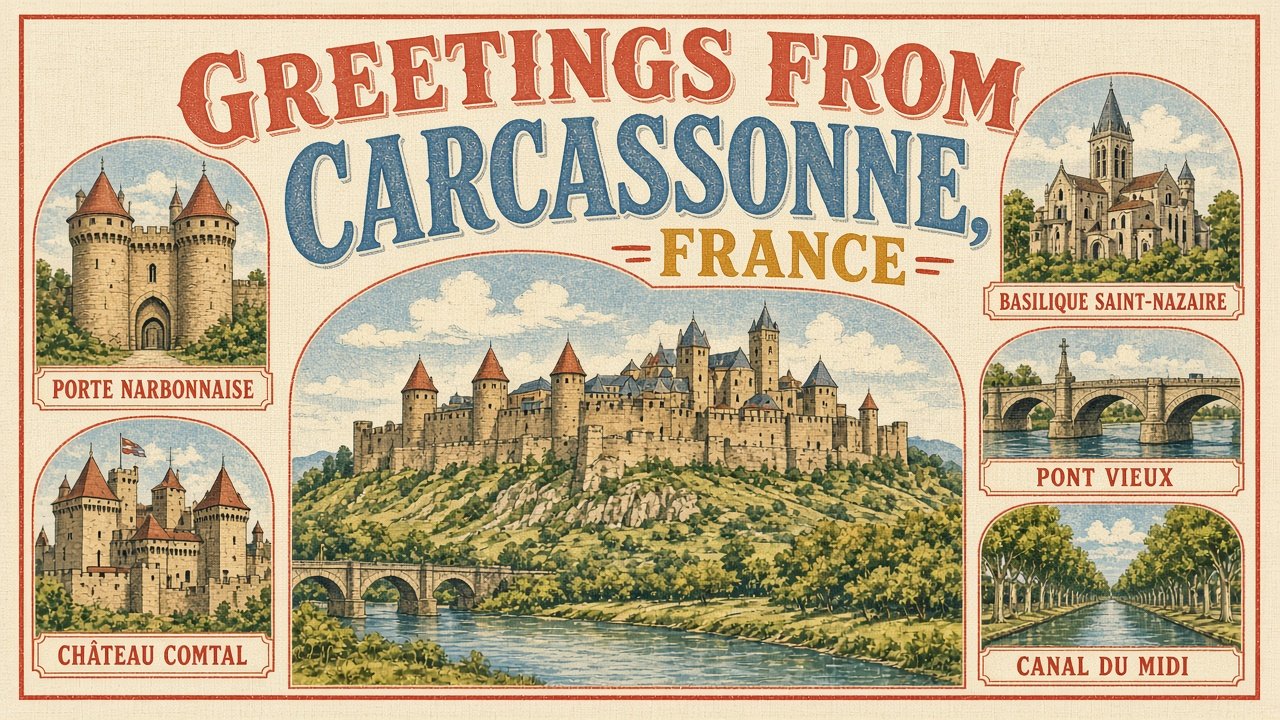
Carcassonne has two towns, and most visitors only really meet one of them. The Cité sits on the hill like a film set that forgot to strike: towers, double walls, day-trippers after breakfast. Below, across the Aude and the Pont Vieux, the Bastide Saint-Louis keeps ordinary hours. Grid streets. Plane trees. A marble Neptune on Place Carnot watching people fill tote bags with peaches and goat cheese. That square is where I start. Not because it is quieter than the ramparts (Saturday mornings it isn’t), but because it still belongs…
-
Carta a mano along Via delle Cartiere in Amalfi
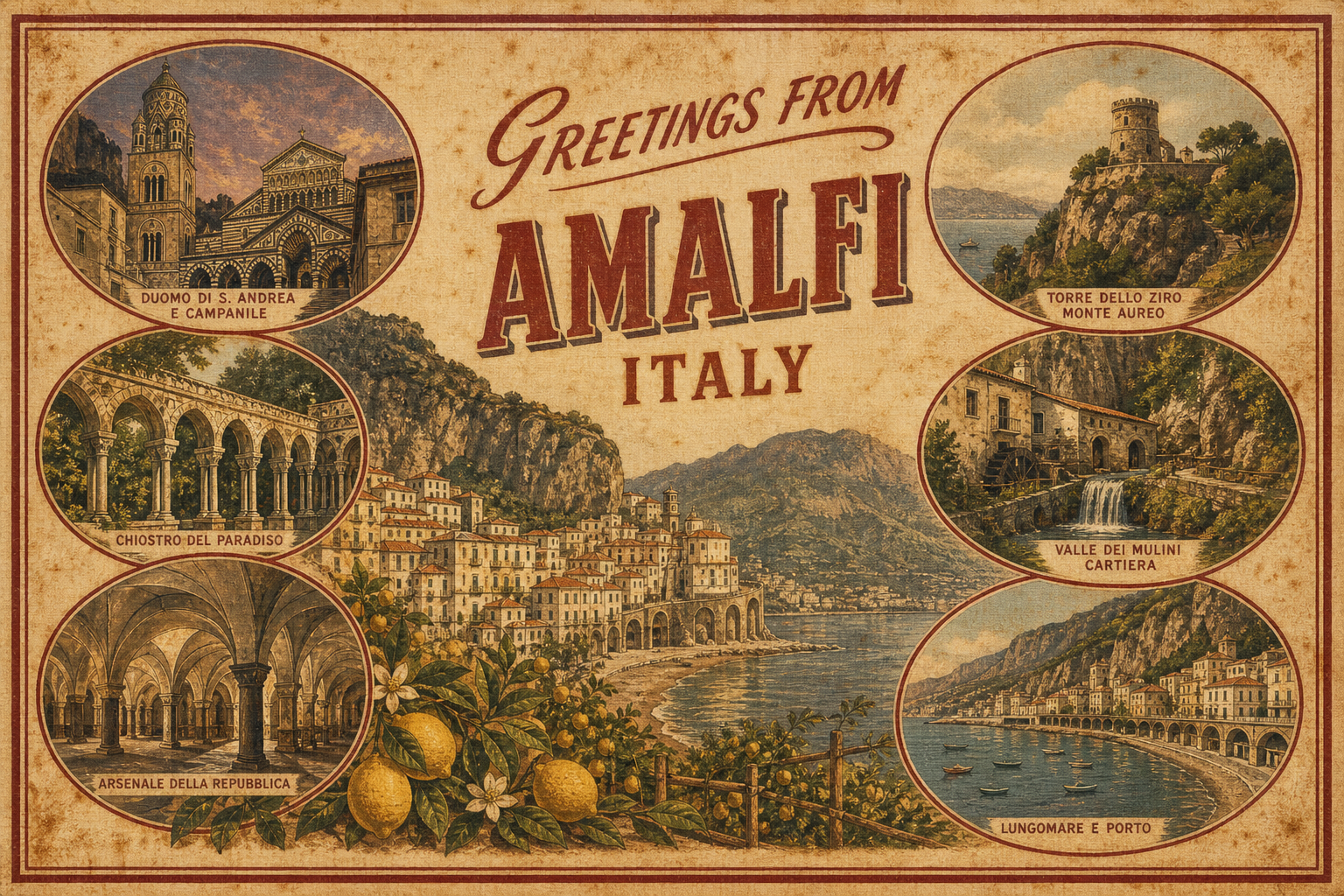
Most people step off the ferry into Amalfi looking up. The Duomo staircase does that to you. I look inland instead. Past the gelato lines and the souvenir limoncello, Via Pietro Capuano turns into Via Lorenzo d’Amalfi, then keeps climbing as Via delle Cartiere. The air cools. You start to hear water. I keep coming back for that stretch: a working valley that once made paper for a maritime republic, still damp and a little noisy if you walk far enough. The town is small and vertical. You can cross…
-
Helios walls catch new paint while Venloer wakes in Köln
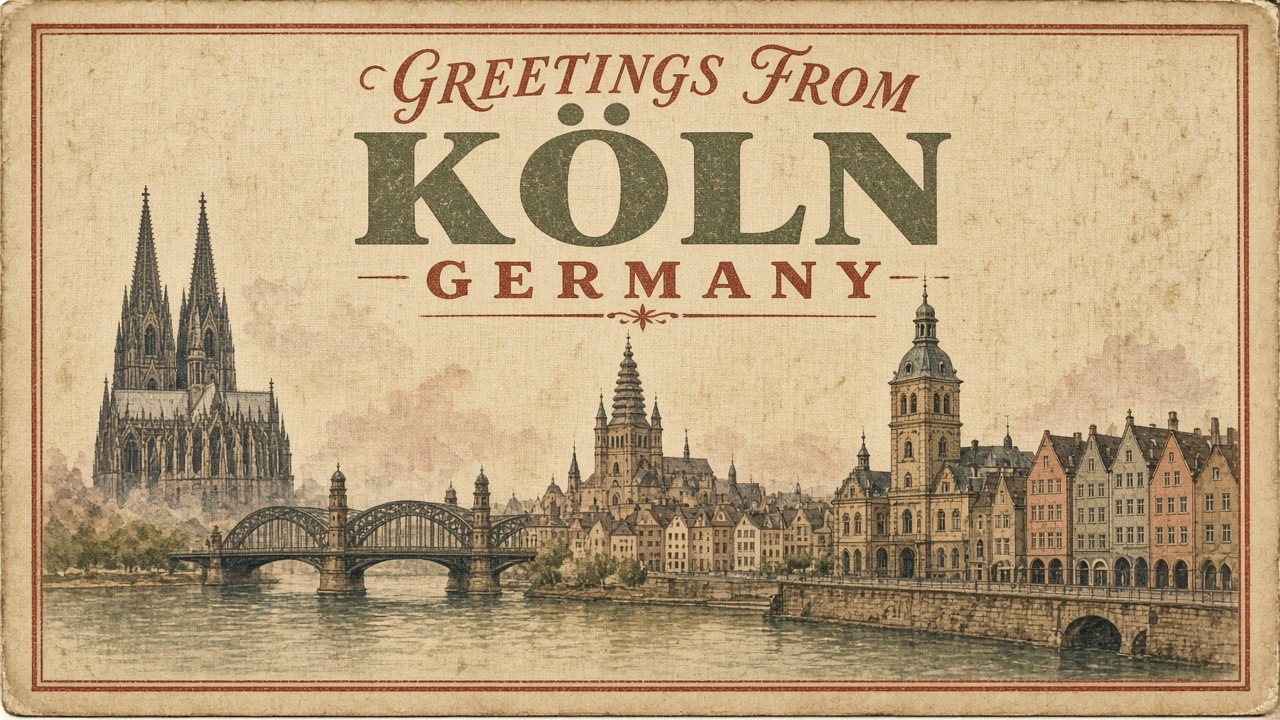
Most visitors pin Köln on a Dom-and-Rhine loop: cathedral steps, love locks on the Hohenzollernbrücke, a chocolate museum selfie, one tourist Brauhaus near the Altstadt. Fine if Gothic stone is the whole trip. Thin if you want the city that actually lives west of the spires — Venloer mornings, Heliosstraße walls that never freeze, Friesenstraße Kölsch in a 0.2-liter Stange, and veedels that ask where you sleep before they ask what you saw. I start when Heliosstraße is still damp. Walk the murals before the station rush fills Venloer Straße,…
-
Faience Painters at the Henriot Kilns in Quimper
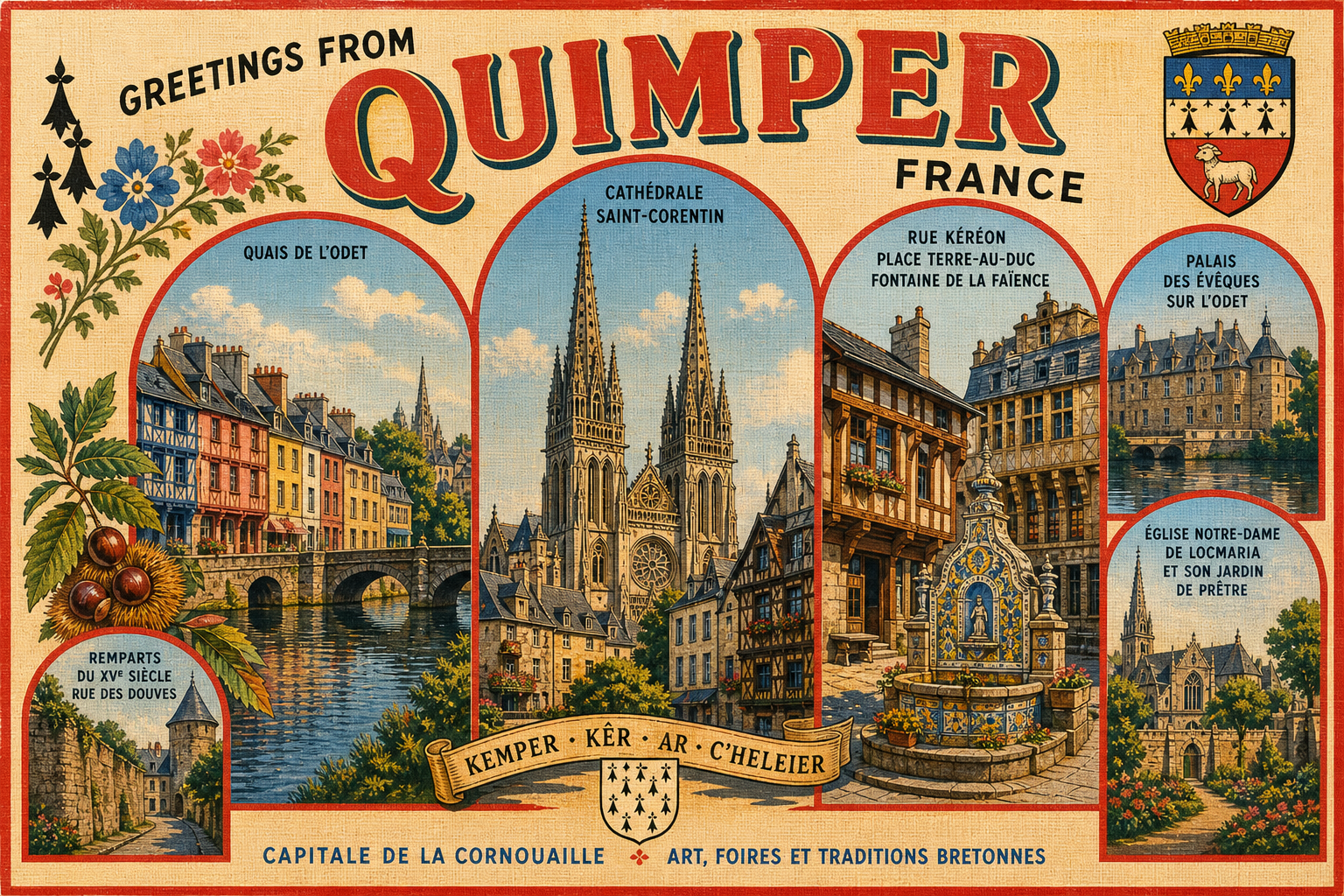
# Faience Painters at the Henriot Kilns in Quimper The rain had just lifted when I stepped off the train in Quimper, leaving the pavements slick and the air smelling faintly of wet stone and river water. I had come for the pottery. Not the polished displays in glass cases, but the living craft that still happens in the old workshops tucked behind the medieval lanes. Quimper’s faience has been painted by hand since the late 1600s, and the town still feels shaped by those kilns and brushes. I walked…
-
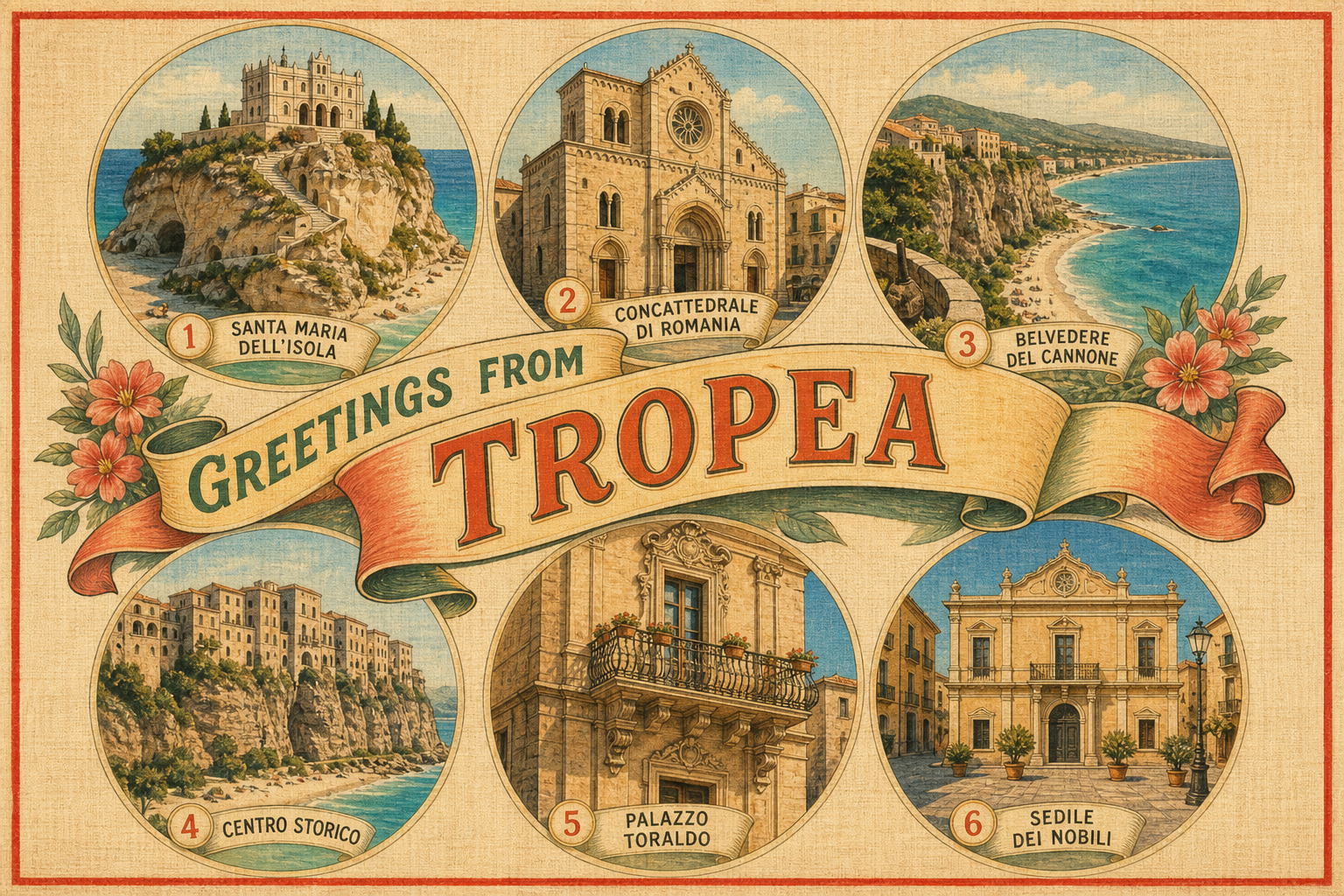
Cipolla rossa mornings above Santa Maria dell’Isola in Tropea
Cipolla rossa mornings above Santa Maria dell’Isola in Tropea Tropea sits on a sandstone cliff above the Tyrrhenian, the whole centro storico balanced on a shelf of rock. Below, pale sand runs toward the outcrop that holds Santa Maria dell’Isola, the small sanctuary that looks from the belvedere like a church set on a loaf of stone. Above, the old town is lanes, laundry lines, and shopfronts selling the thing Tropea will not stop talking about: the sweet red onion. You can come only for the postcard. Plenty of people…
-
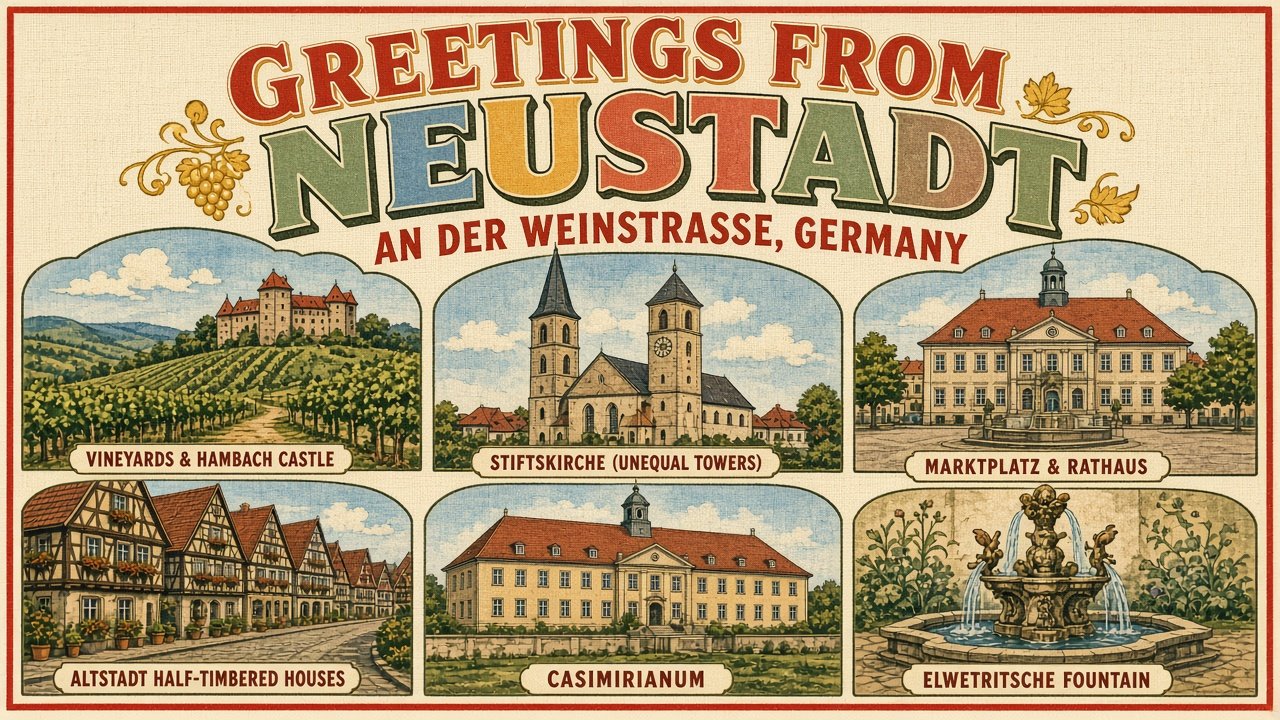
Speyerbach bench shade after Marktplatz errands in Neustadt an der Weinstraße
Most travelers treat Neustadt an der Weinstraße as a Deutsche Weinstraße stop: one Hambacher Schloss photo for the democracy story, a half-timber shot on the Marktplatz, then on to bigger Rhine names. Fine if the town is only a wine-road waypoint between Speyer and the Haardt villages. Less fine if you like the Speyerbach under timber balconies on ordinary errand mornings, Stiftskirche stone throwing cool shade on lanes that smell like bakery and barrel wood, or Hambach vineyard dust on your shoes before the castle opens its doors. I take…