
Guides to lesser-known towns — markets, rivers, neighborhoods, food, and where to stay — written for travelers who skip the template itinerary.
-
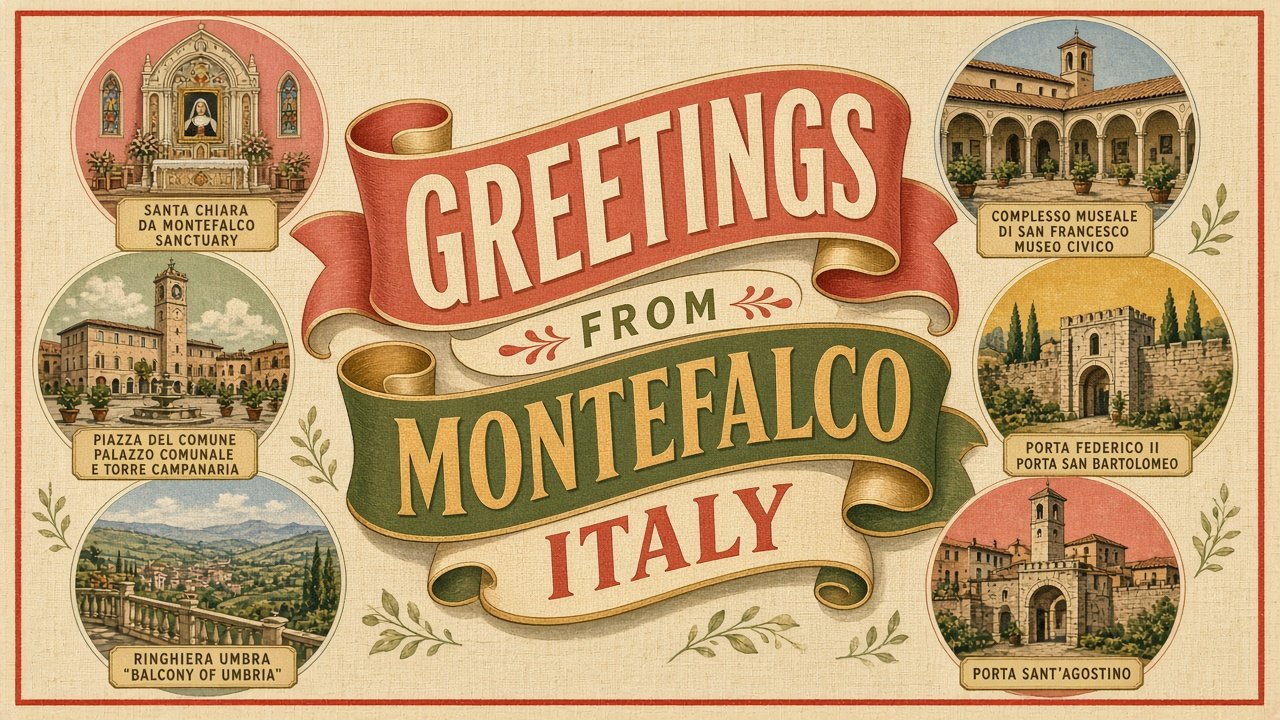
Ringhiera Umbra After the Gozzoli Frescoes, Montefalco
Montefalco sits on a low ridge in the middle of Umbria, high enough that the valley opens every way and small enough that you can walk the whole centro without turning it into a project. Locals still call it the balcony of Umbria. The name makes more sense once you’ve been inside San Francesco and then leaned on the Ringhiera Umbra outside. I came for Sagrantino. What kept me was the loop: frescoes, the rail over the olive hills, then a glass that didn’t need a speech attached. Inside San…
-
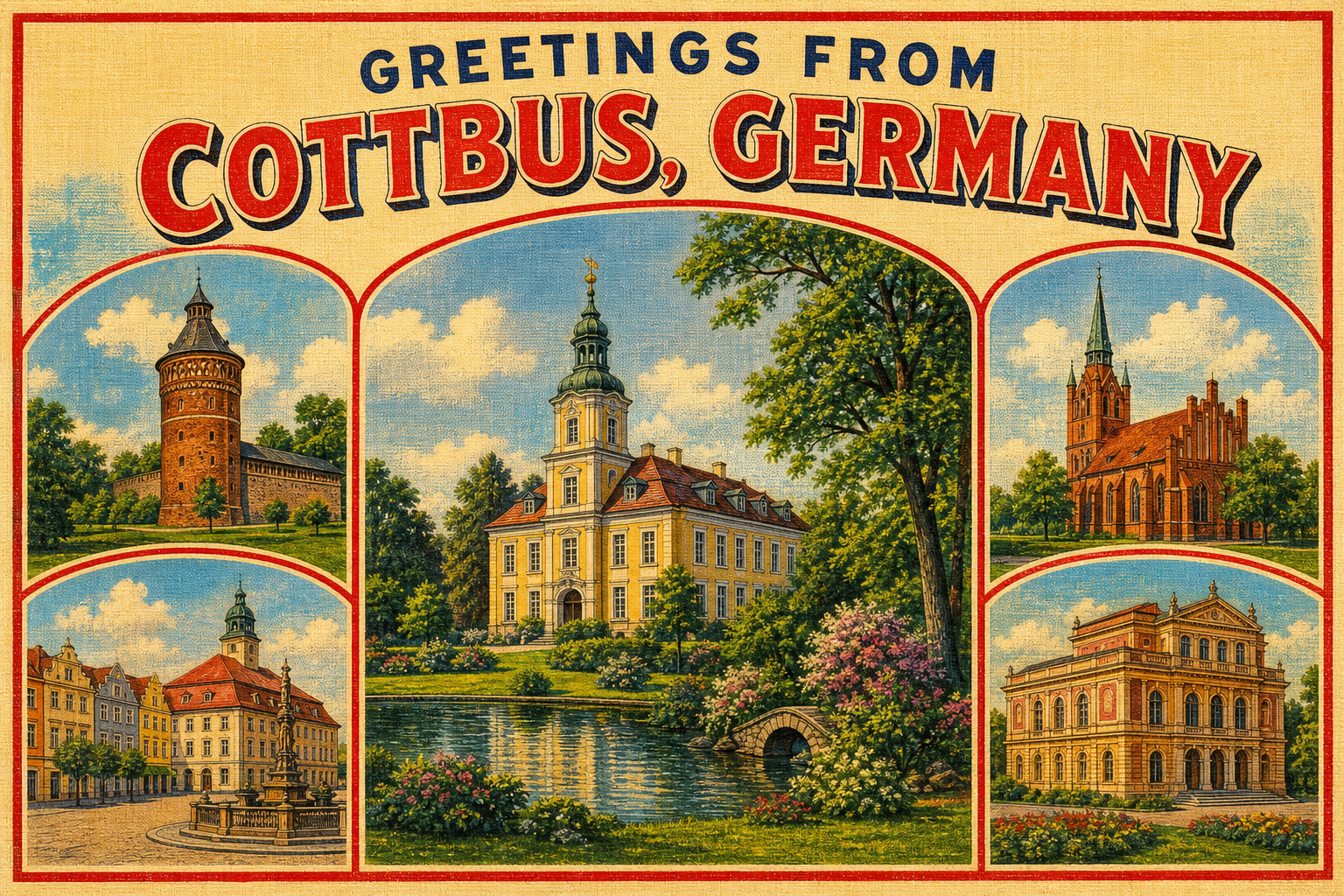
Pückler’s lake tumulus in Branitz Park, Cottbus
Berliners clock Cottbus as a stop on the way to the Spreewald, or skip it for Dresden. I get off at the Hauptbahnhof and walk toward the Spree instead. Cottbus — Chóśebuz in Lower Sorbian — sits in Lower Lusatia with bilingual street signs, a compact old town, and Branitz Park, where Prince Hermann von Pückler-Muskau buried himself under an earthen pyramid in a lake. The city is Brandenburg’s second-largest after Potsdam, a university town on the Spree about 125 km southeast of Berlin. Textile mills and lignite left marks.…
-
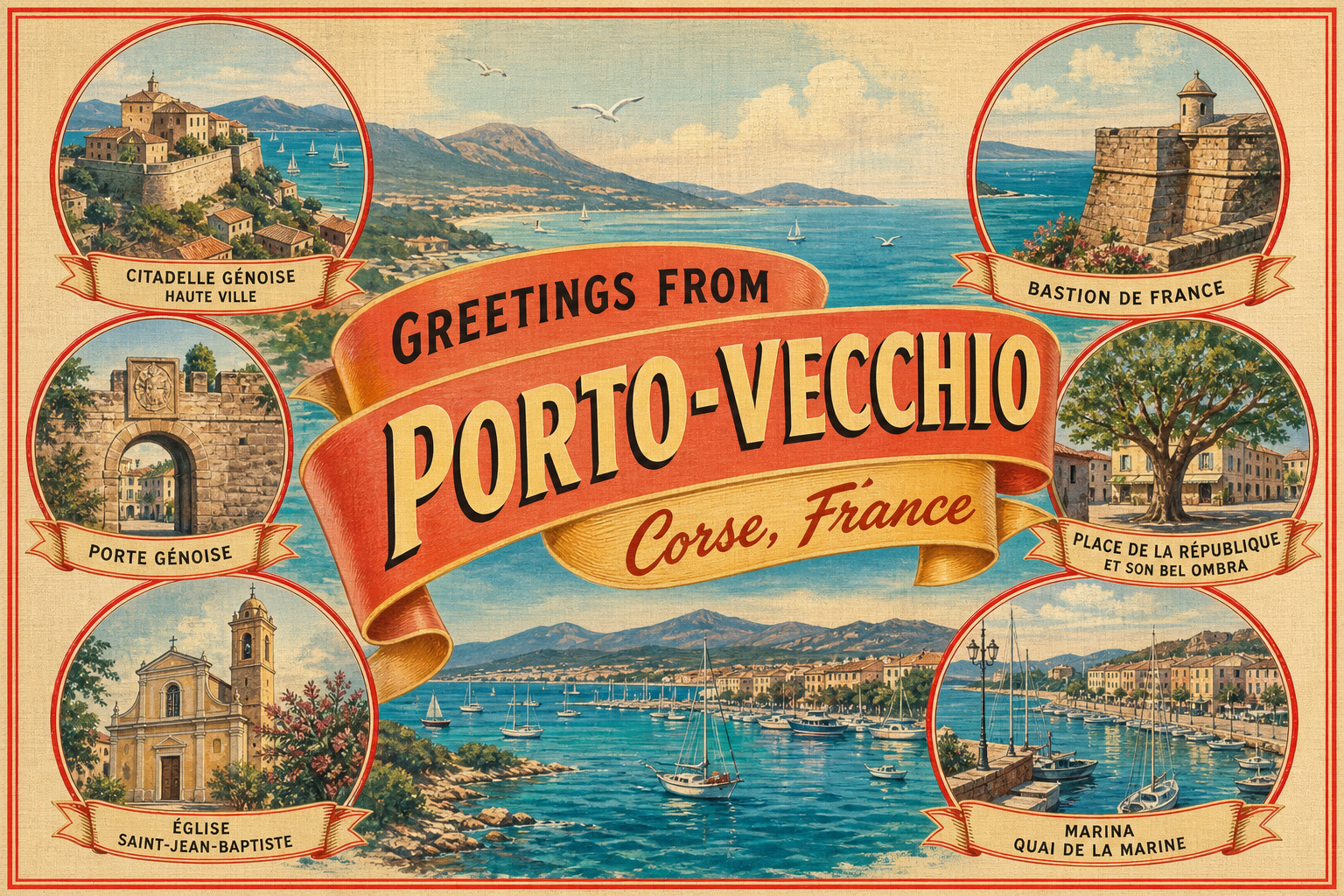
Salt Pans Under the Haute Ville in Porto-Vecchio
People arrive in Porto-Vecchio already pointed at white sand. Palombaggia, Santa Giulia, pine shade, the turquoise shelf that looks invented for a magazine cover. Fair. Those beaches earn their reputation. The version of town I keep starts lower and stranger: old salt pans under the granite haute ville, pink birds on still water when the light is right, and a Genoese citadel that still sits like a working lid on the gulf rather than a ticketed museum loop. Porto-Vecchio is Corse-du-Sud’s salt city by nickname, not slogan. Under the First…
-
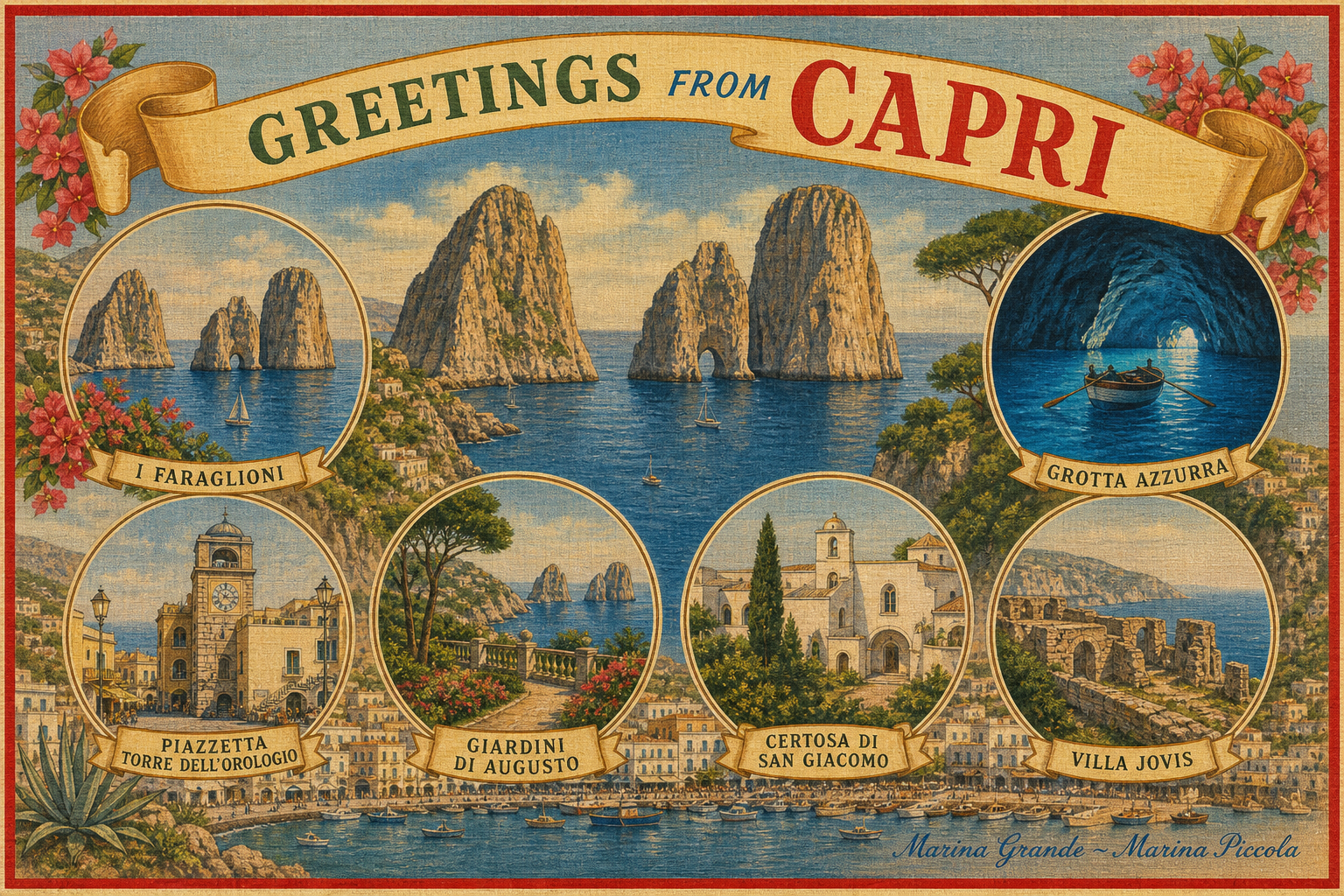
Majolica Eden underfoot at San Michele in Capri
Most people meet Capri at Marina Grande, then get funneled up to the Piazzetta like luggage on a belt. The square is pretty. It is also a holding pen. I do better when I leave the lower town’s shop circuit early and ride the bus up the switchbacks to Anacapri. Ordinary doors up there. And a church floor that can stop a conversation without needing a cliff view to do it. Chiesa di San Michele Arcangelo sits off Piazza San Nicola, a short walk from Anacapri’s main pedestrian stretch. Outside…
-
Across the Trave, Passat waits on Priwall opposite Travemünde in Lübeck
Travemünde is Lübeck’s Baltic mouth, not Lübeck’s Altstadt. The brick-Gothic skyline sits twenty kilometres inland. Out here the Trave opens into Lübeck Bay, freighters and Scandinavia ferries slide past the promenade, and a small foot ferry still stitches the town side to the Priwall peninsula. Most day-trippers treat the place as beach plus ice cream. The better visit follows the river mouth: lighthouse, channel, ferry, and the four-master sitting across the water. You come for ship traffic at human scale, Strandkorb rows on open sand, and the habit of crossing…
-
From the Elbe steamer pier up to Schloss Sonnenstein in Pirna
Most Sachsen day trips jump from Dresden’s skyline straight to the Bastei and treat Pirna as a train stop. I reverse that. Bags go down near Am Markt. Then I walk to the Elbe steamer pier, turn back toward the gables Canaletto painted, and only climb to Schloss Sonnenstein after the river has set the scale. The town sits where the Elbe leaves the sandstone canyon country and opens toward the Dresden plain. People call it a gateway. Fair enough — but the gateway itself is worth the night. You…